 Zeynep Conkar
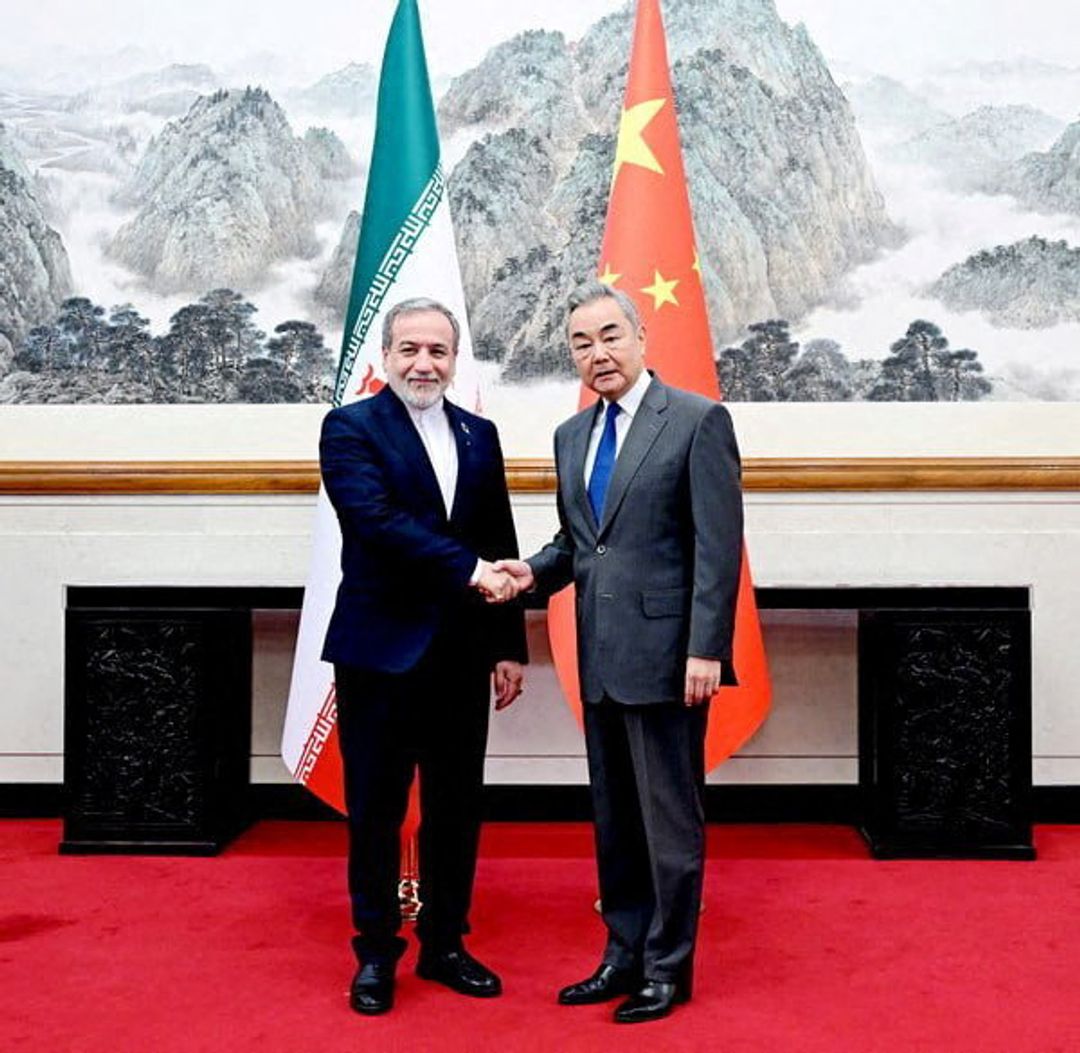
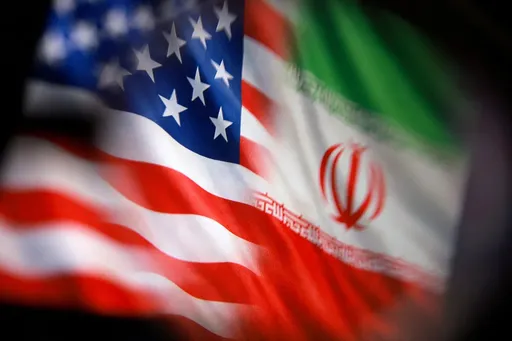
Iranian Foreign Minister Abbas Araghchi met his Chinese counterpart Wang Yi in Beijing earlier this week, as Tehran looks to one of its closest international partners for support amid the continuing US-Israeli war on Iran.
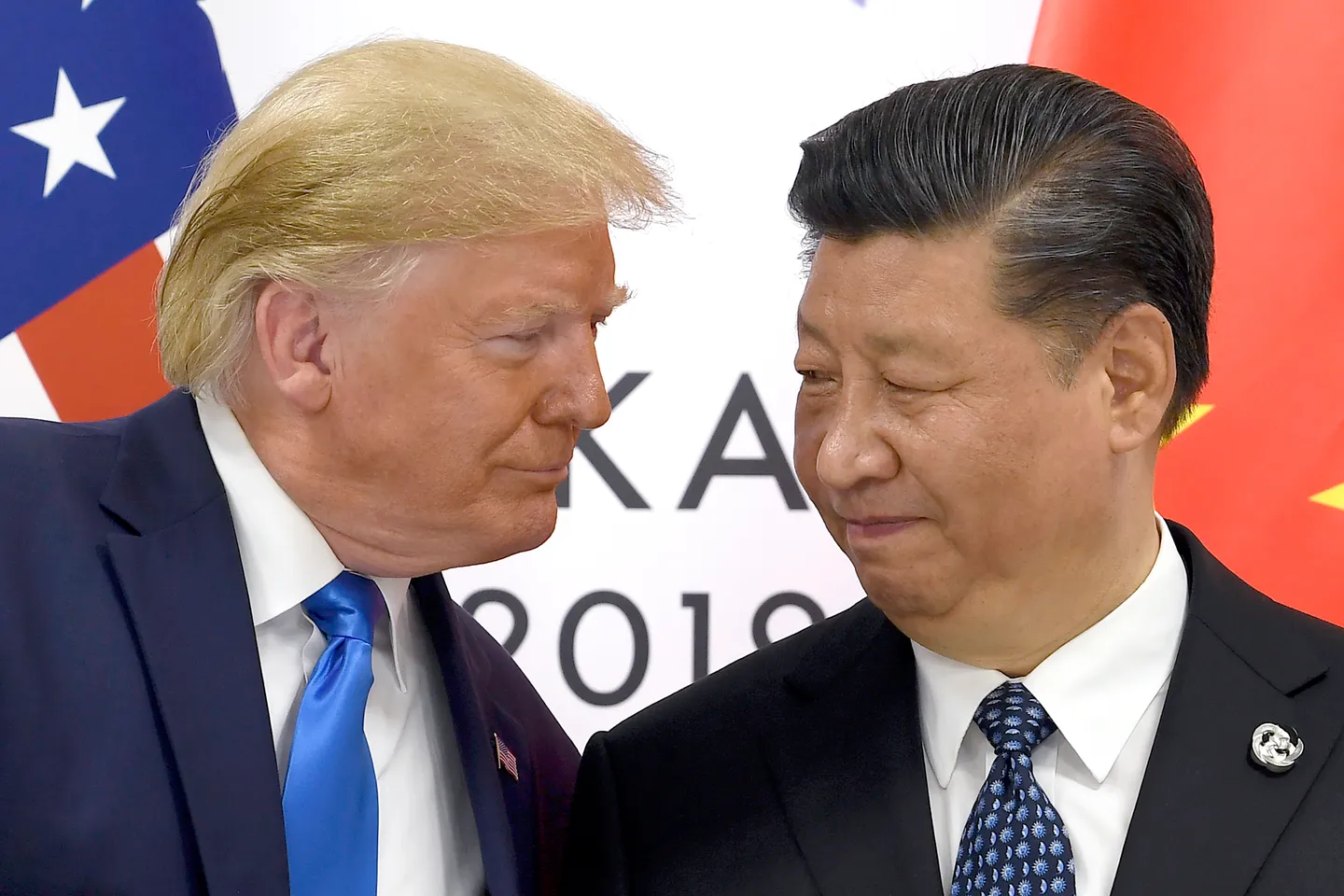
The talks came days after Chinese President Xi Jinping called on BRICS countries to help broker an end to the war and just over a week before Xi is due to meet US President Donald Trump in Washington on September 24.
The timing has put Beijing’s role under the spotlight: China has repeatedly called for diplomacy and an end to the fighting, while maintaining close political and economic ties with Tehran.
But whether Beijing is prepared to use those ties to push Iran and the US back to negotiations remains unclear.
China’s close ties with Iran, alongside its own economic exposure to the war, could give Beijing a reason to push for an end to the fighting ahead of Xi’s meeting with Trump, according to Professor Garth Le Pere, international affairs analyst and Visiting Professor at the University of Pretoria.
“Given the close alliance between Iran and China, a reasonable expectation is that China will use President Xi’s forthcoming visit to Washington to try to de-escalate the war and tensions, especially since China is directly affected by the turbulence in financial and energy markets besides being the largest consumer of Iran’s crude oil,” Le Pere tells TRT World.
“China has projected itself as a neutral player and is trying to play the role of a trusted interlocutor, albeit rather ambivalently,” he adds.
During his meeting with Araghchi, Wang called on Iran and the US to exercise restraint, return to the Islamabad Memorandum of Understanding and rebuild a negotiating mechanism based on agreements reached so far.
He also called for substantive consultations between the two sides and urged measures to reopen the Strait of Hormuz.
That goes further than simply calling for an end to the war. But it still falls short of China formally taking on the role of mediator.
Beijing has not announced a mediation initiative or offered to host direct Iran-US negotiations. Instead, it is pushing the two sides towards a diplomatic process while leaving the negotiations themselves to Tehran and Washington.
China and Iran describe their relationship as a comprehensive strategic partnership, and Beijing has repeatedly opposed what it considers unilateral pressure on Tehran.
At the same time, the continuation of the war threatens the energy supplies, trade routes and economic stability on which China depends.
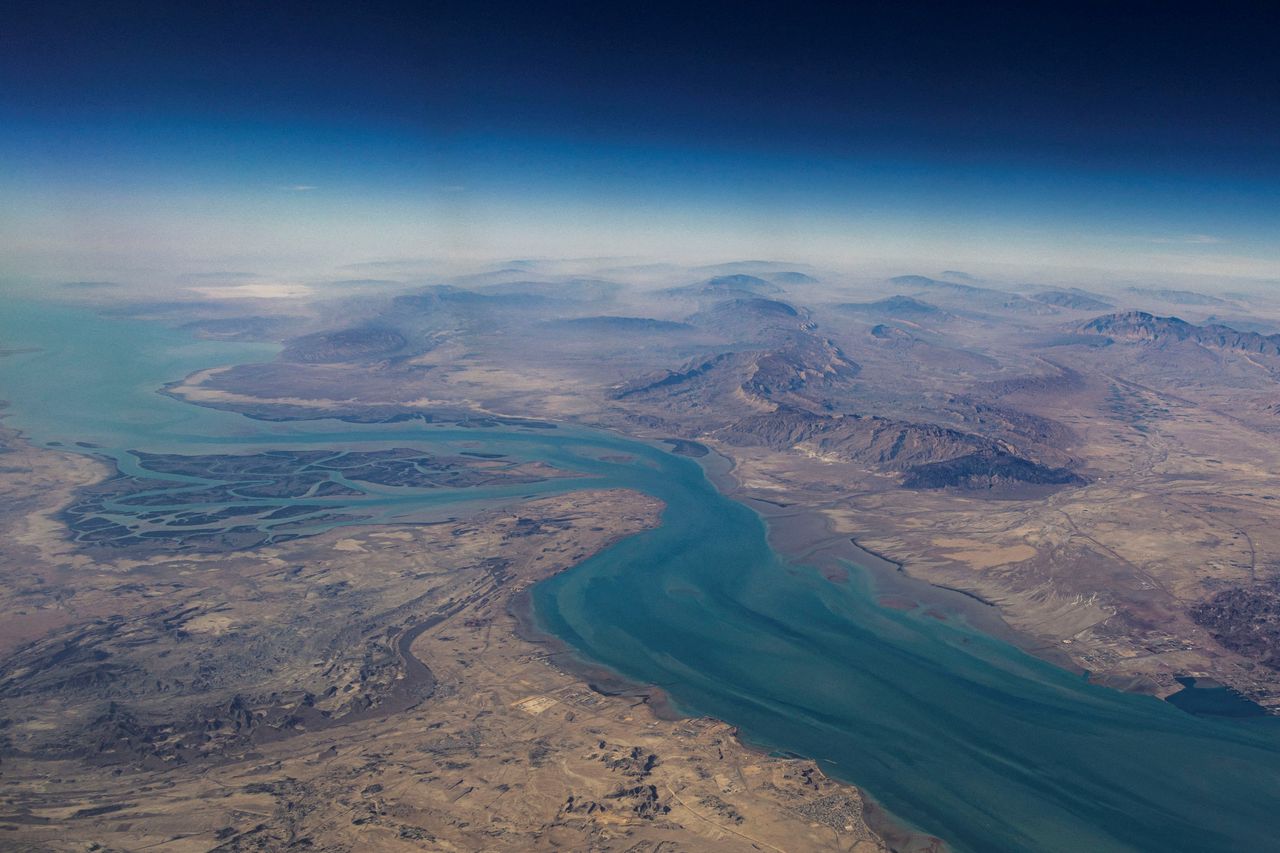
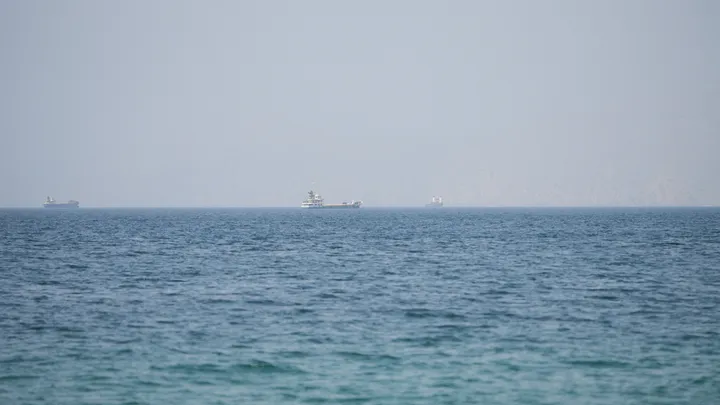
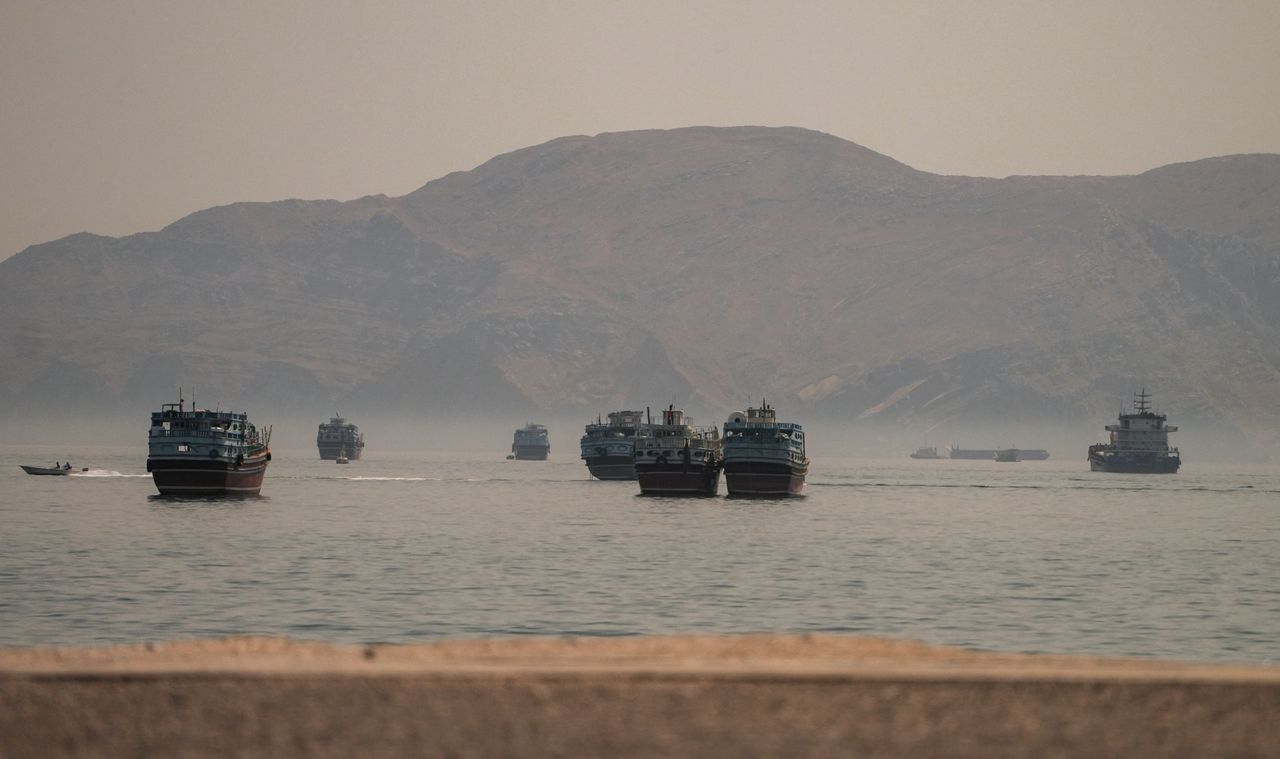
The Strait of Hormuz is a particularly immediate concern.
Wang’s call for its reopening came as the war continues to disrupt one of the world’s most important energy routes. BRICS leaders also called for maximum restraint and the preservation of global trade and energy flows in their New Delhi declaration.
Iran’s nuclear file and China’s economic ties
Beijing has consistently opposed unilateral sanctions against Iran and has backed a diplomatic solution to the nuclear dispute, while Washington has continued to increase pressure on Tehran.
At the same time, China has become increasingly important to Iran’s ability to withstand that pressure.
A US Congressional commission said this week that China remains Iran’s most important economic lifeline, particularly through its purchases of Iranian oil, while highlighting growing US pressure on Chinese networks linked to Tehran.
That leaves Beijing balancing its relationship with Tehran against its relationship with Washington.
China is keen to prevent Iran’s isolation from becoming even deeper, particularly as US sanctions continue to target Chinese entities involved in trade with Iran.
But Beijing also has an interest in preventing the war from becoming a wider confrontation that further damages regional trade and energy security.


The nuclear issue therefore sits alongside the broader question of what China is willing to do for Iran. Beijing can help Tehran withstand economic pressure and support its call for negotiations, but so far has stopped short of taking responsibility for bringing Washington and Tehran back to the table.
And Beijing is not operating only through its relationship with Tehran.
On Thursday, Wang spoke with US Secretary of State Marco Rubio, with the Middle East among the issues discussed. According to Beijing, Wang again called for restraint, a return to the Islamabad agreement and the reopening of the Strait of Hormuz.
Le Pere expects Beijing to play a symbolic diplomatic role rather than take on the risks of directly mediating between Iran and the US.
“In his speech at the BRICS summit in Delhi, Xi did not suggest an explicit and activist mediation role but rather proposed a generic four-point plan for de-escalating conflict in the Middle East,” Le Pere says.
“The plan was centred on the essential pillars of China’s foreign policy, namely, peaceful co-existence, respecting national sovereignty, adhering to international law, and finding an appropriate balance between security and development.”
“This is in keeping with the strategic thrust and normative ethos of China’s foreign policy, which is to avoid getting embroiled in third-party wars, tensions, and conflicts; and then subsequently having to bear the burden of failure of any diplomatic endeavour,” he adds.
What does Beijing bring to the Xi-Trump meeting?
Wang last hosted Araghchi in Beijing in May, ahead of US President Donald Trump’s summit with Xi in the Chinese capital.
Wednesday’s meeting marked their second in-person talks in the Chinese capital since the US and Israel launched strikes on Iran on February 28.
For Tehran, the meeting offered an opportunity to make its position clear to Beijing before Xi sits down with Trump. For China, it provided a chance to hear directly from Iran while preparing for a much broader conversation with Washington.
The US-Israeli war on Iran is expected to be among the issues on the agenda when Xi and Trump meet, alongside trade, Taiwan and other areas of tension between the two countries.
“Iran’s nuclear programme is expected to be an important item for discussion between Araghchi and Wang, especially since the US, France, Germany, and the UK have recently asked the IAEA to refer Iran to the UN Security Council,” Le Pere says.
“However, this is largely symbolic. Any attempted resolution to further tighten the already extremely punitive sanctions under which Iran is suffering is bound to fail because it will be vetoed by China and Russia,” Le Pere says.
“However, China has felt the brunt of the US sanctions package against Iran.”
“Under the so-called ‘Operation Economic Outcast’, there are a large number of Chinese-linked refineries, firms, and financing instruments that allegedly have direct dealings with Iran and hence, China could feel the effects of these sanctions,” he adds.
Beijing therefore has several interests to balance, according to experts. It wants to maintain its strategic relationship with Iran, protect its access to Iranian energy and oppose pressure that it sees as undermining its interests.
At the same time, it has an interest in keeping the war from escalating further and in preventing Iran from becoming another major source of instability in the global economy.
That gives China leverage, but leverage is not the same as mediation.
For now, Beijing appears to be using its position to push both sides toward diplomacy while keeping room to manoeuvre.