MIDDLE EAST
2 min read
Qatar says Gulf states cannot rely solely on US for protection
Doha says US alliances remain important but cannot be the sole guarantee of regional security amid tensions with Iran.
Qatar says Gulf states cannot rely solely on US for protection
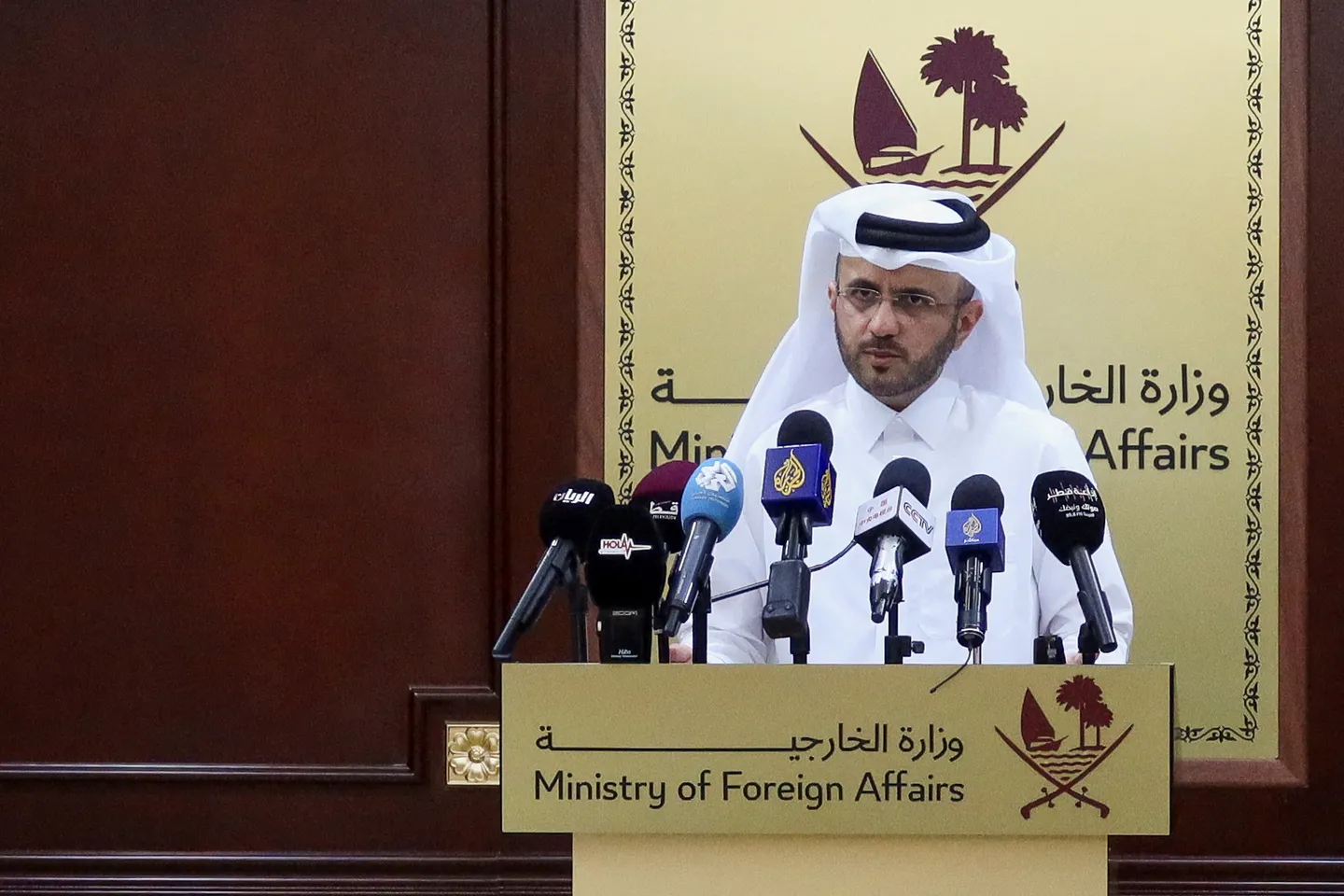
(FILE) Qatar's foreign ministry spokesperson, Majid al-Ansari speaks during weekly press briefing in Doha, Qatar on April 23 2024 / Reuters

Gulf states cannot rely solely on the United States and international alliances for their security and need to become more self-sufficient, Qatar’s Foreign Ministry spokesman Majid al-Ansari said on Monday.

“We need to realise in the Gulf that having international forces in the region, having a strategic alliance with the United States, is very important, but is not enough,” he said at the Hili Forum in Abu Dhabi.

“Self-sufficiency when it comes to security is the only way forward,” he added, stressing that Gulf states still need their partners and allies but cannot depend on them alone.

Doha has also played a key mediation role between Washington and Tehran as the conflict has disrupted regional security and shipping.

Last month, Qatar’s Prime Minister Sheikh Mohammed bin Abdulrahman Al Thani travelled to Tehran as part of mediation efforts.

Iran and Oman, which border the Strait of Hormuz, have also discussed a temporary shipping corridor and mine-clearing measures amid disruptions to traffic through the strategic waterway.
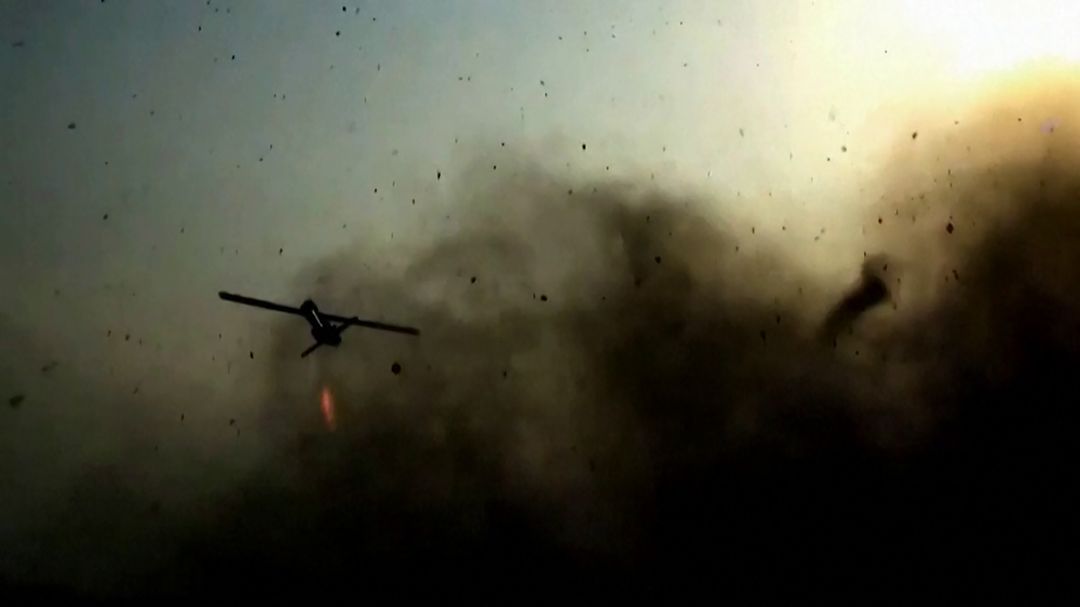
RelatedTRT World - Iran says it targeted American base in UAE, shot down US drone

Iran has targeted Gulf states

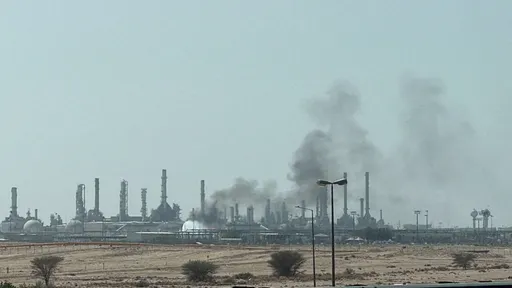
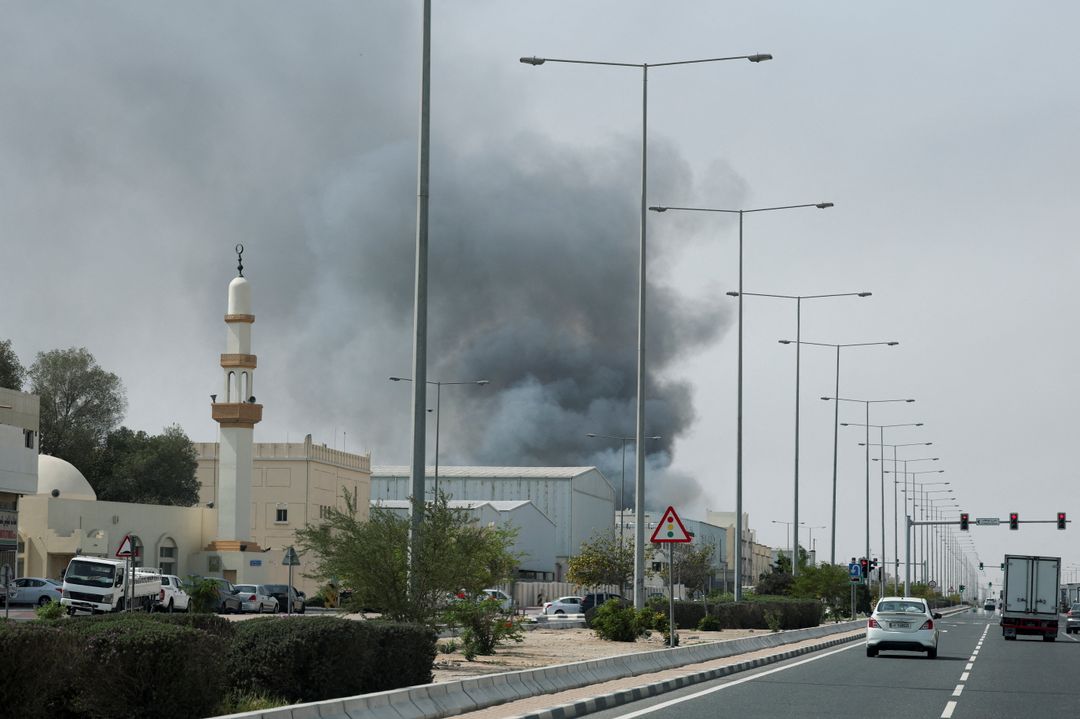
Qatar hosts the largest US military base in the Middle East and has come under Iranian attack during the conflict, including strikes targeting energy infrastructure.

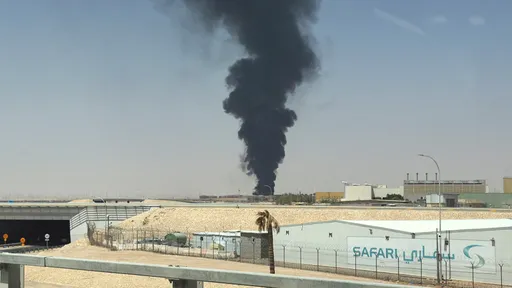
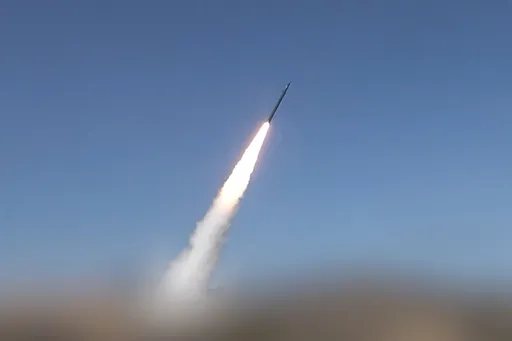
Iranian missiles and drones have also directly hit Saudi Arabia, Bahrain, Kuwait and the United Arab Emirates.

Tehran’s attacks on military facilities, energy infrastructure and civilian sites in the region prompted a strong reaction from Gulf states.

Regional security alternative

Türkiye, Saudi Arabia and Pakistan signed the Mecca Joint Defence Agreement in August, under which an armed attack on one of the three countries is to be regarded as an attack on all.

The pact is intended to strengthen collective deterrence and defence cooperation, marking a broader shift towards more regionally owned security arrangements as the region seeks alternatives to relying solely on external security guarantees.
RelatedTRT World - Qatar rejects Iran's claim strikes target only US bases
SOURCE:AFP
Explore
Explosion at Intel factory in Israel leaves three seriously injured
Missile debris rains on Riyadh, injuring four and damaging 15 homes amid Houthi militia attacks
Türkiye condemns Israeli incursions into southern Syria, calls for end to reckless acts
Syria, Qatar pledge closer coordination on regional stability, rebuilding
Saudi Arabia commits to uninterrupted energy supplies at ministerial forum in Riyadh
Trump condemns Riyadh airport attack as 'terrible thing'
Palestinian vice president slams Israel, says its actions forced election delay
At least 12 killed, 309 injured in Houthi militia attack on Riyadh's King Khalid airport
Projectile lands near Saudi Arabia’s Dammam airport hours after deadly strike on Riyadh airport
Riyadh airport suspends operations after attack leaves several wounded
France student riots spiral into nationwide chaos
Syria, US discuss regional security as Damascus arrests five former regime figures
Pakistani troops deployed in Saudi Arabia, military confirms
'NAZA' opens in US, reigniting debate over Israel's genocide of besieged Palestinians in Gaza
Saudi-led coalition in Yemen hits Houthi sites in major Hudaida operation
Yemeni forces recapture key Red Sea port of Mokha from Houthis
How Netanyahu is using the near-tragic flydubai incident as an election issue
Yemen military attacks 'vital' Houthi targets in Sanaa and Saada
Morocco airline denies employing co-pilot in Flydubai cockpit incident
How a ‘separate law for Palestinians’ forced Abu Shehadeh to pull out of Israel elections