When the US and Israel joined forces to attack Iran on February 28, Washington initially stated that the war with Iran was projected to last four to six weeks.
Iran immediately responded to the US-Israeli attacks — that killed the longtime supreme leader, Ali Khamenei, and much of the other top brass as well as hundreds of civilians — by asserting presence in the Strait of Hormuz and conducting missile and drone strikes across the Gulf, impacting global stability.
As US military strikes on Iran continued, Washington frequently shifted the goalpost and timeline, claiming it was "ahead of schedule" and later stating it would last an additional two to three weeks or continue "as long as necessary".
Now, five months and 21 days later, the war — although at a low intensity — continues despite repeated ceasefire attempts.
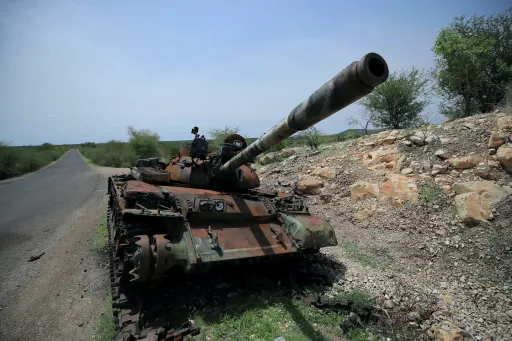
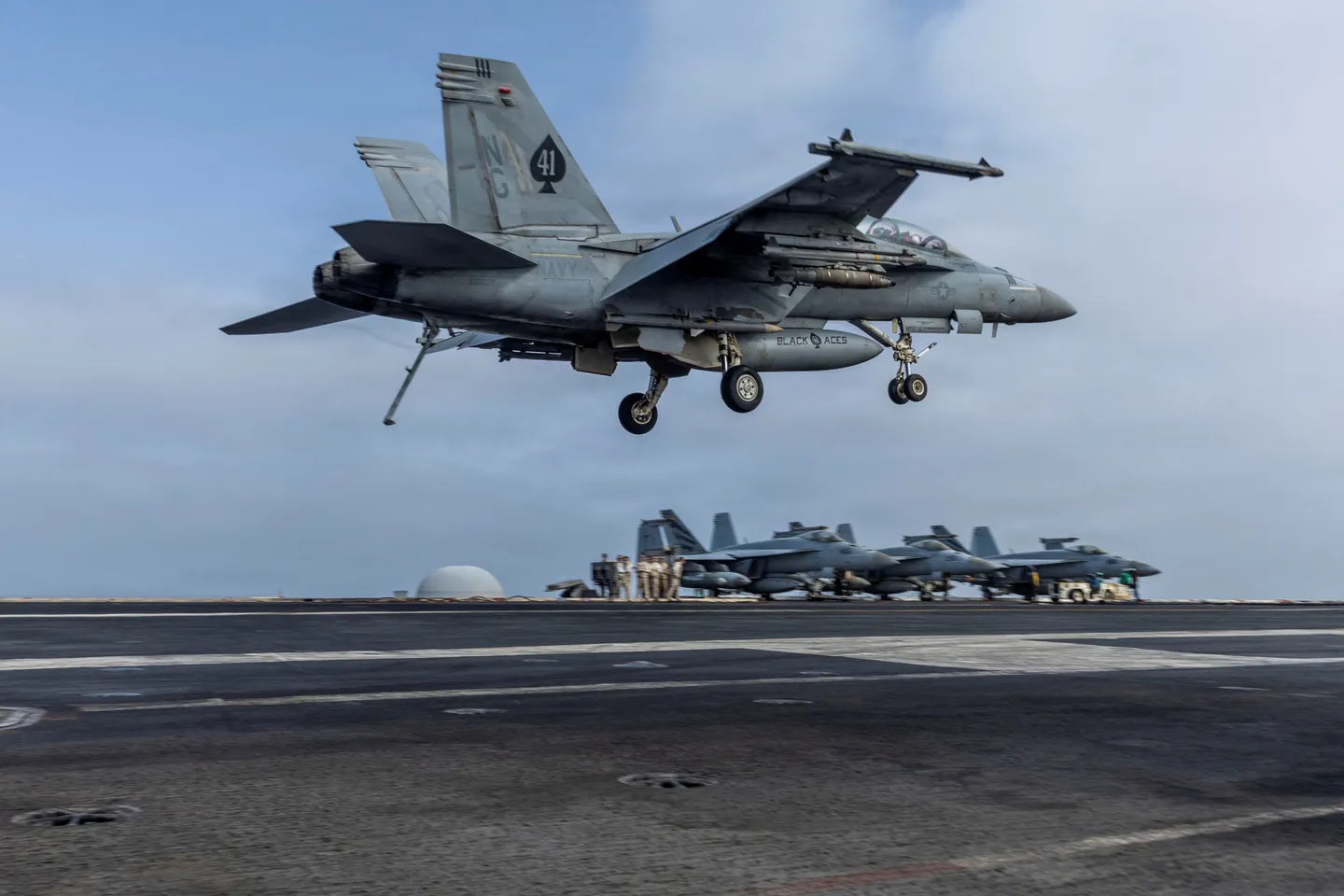
With around 18 confirmed US military deaths and roughly 600–900 personnel wounded, as well as significant aircraft and equipment losses — notably dozens of drones and several fighter jets and tankers — in the ongoing Operation Epic Fury, official US war costs are estimated to reach $37.5 billion by the end of September 2026.
Attacks by Iran have involved missiles, drones, and other munitions. While many were intercepted, satellite imagery, official statements, and reports confirm damage to infrastructure and equipment, including radar systems, air defence installations, hangars, fuel depots, aircraft, and communications networks in host countries.
According to The Washington Post, the damage caused to US bases and assets by Iran has also offered a rare opportunity to reconsider the US military posture in the region, with officials indicating that some bases may not be rebuilt in their previous form.
Citing eight people familiar with the matter, The Post reported on Tuesday that Pentagon is reassessing its military footprint in the Middle East, signalling that the war on Iran could potentially reshape the US presence in the region.
The US news outlet added that one of the key areas the Defense Department is assessing is whether to pull back troops from the Gulf, "where America's large overseas military bases have been battered by months of Iranian strikes."
The review is being led by the Pentagon's policy office, alongside assessments by the Joint Staff and US Central Command, according to the report.
A senior Pentagon official told The Washington Post that Defense Secretary Pete Hegseth had not ordered a formal review, describing the move as "prudent planning" to guide decisions on rebuilding damaged bases.


"Decisions are going to have to be made on some of this stuff," the official said.
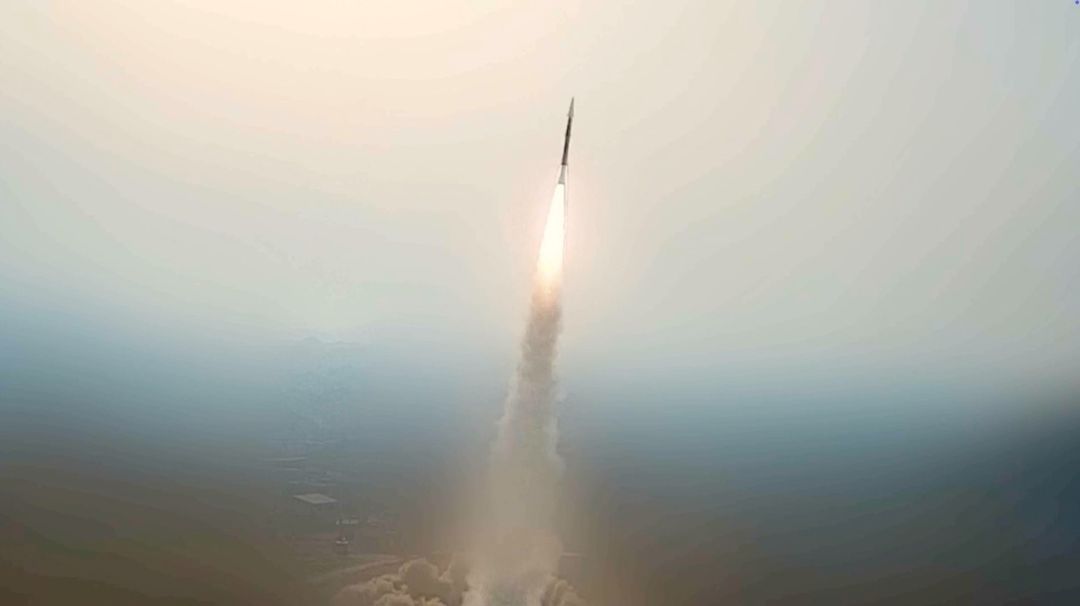
40,000 troops at 20 sites
US Central Command typically maintains about 40,000 troops at nearly 20 sites stretching from Jordan to Oman.
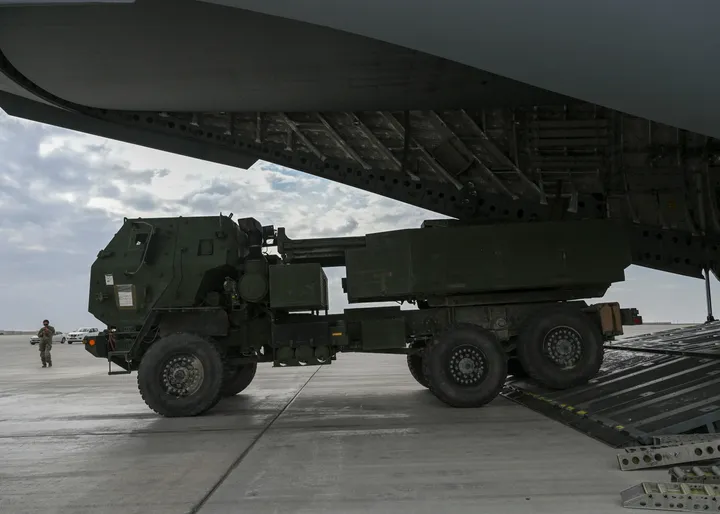
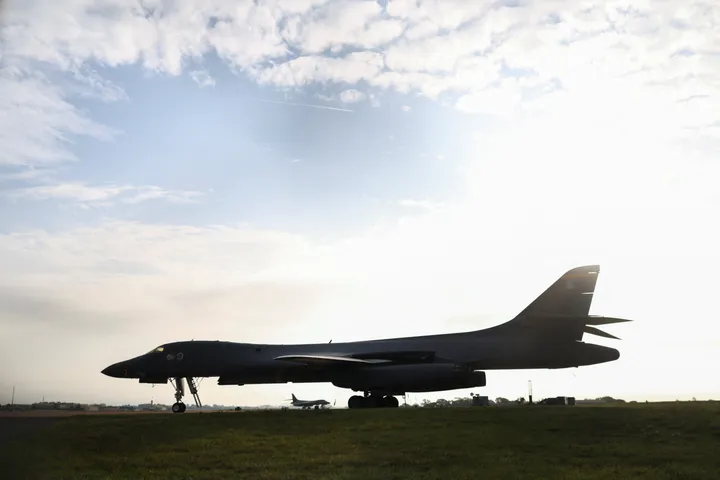
Since early this year, Washington has deployed additional warships, fighter aircraft and air defence systems to the region and carried out more than 13,000 attacks on Iran.
The largest permanent US bases in the region are concentrated in the Gulf, including the Fifth Fleet headquarters in Bahrain and major Army and Air Force facilities in countries such as Kuwait.
While Iran and the US signed the memorandum of understanding in June through Pakistani and Qatari mediation, ending hostilities and opening a 60-day window for negotiations toward a final agreement, missiles and drones continue to fly over the region.
Talks have since stalled amid disputes over implementation of the memorandum and arrangements for navigation through the Strait of Hormuz, a critical route for global oil and gas exports.
"People familiar with the Pentagon's analysis said the issue is likely to intensify a debate between camps within the administration that support military interventions and others that have argued the Pentagon should curtail some of its security commitments to refocus on defending the US homeland or deterring more powerful adversaries, like China," The Post added.
The discussions have also involved Admiral Bradley Cooper, the head of US Central Command, who supports deliberations about potentially moving US troops west from the Gulf, a US official told the news outlet.
"The war really did highlight the vulnerability ... of US forces in the region," Michael Ratney, a former diplomat who served as the US envoy to Saudi Arabia and the deputy chief of mission in Qatar, told The Washington Post.
He argued that redeploying troops and equipment west towards Jordan, Israel, or Saudi Arabia's Red Sea coast could ease pressure, though noting the extra distance was not a "perfect solution to this problem."