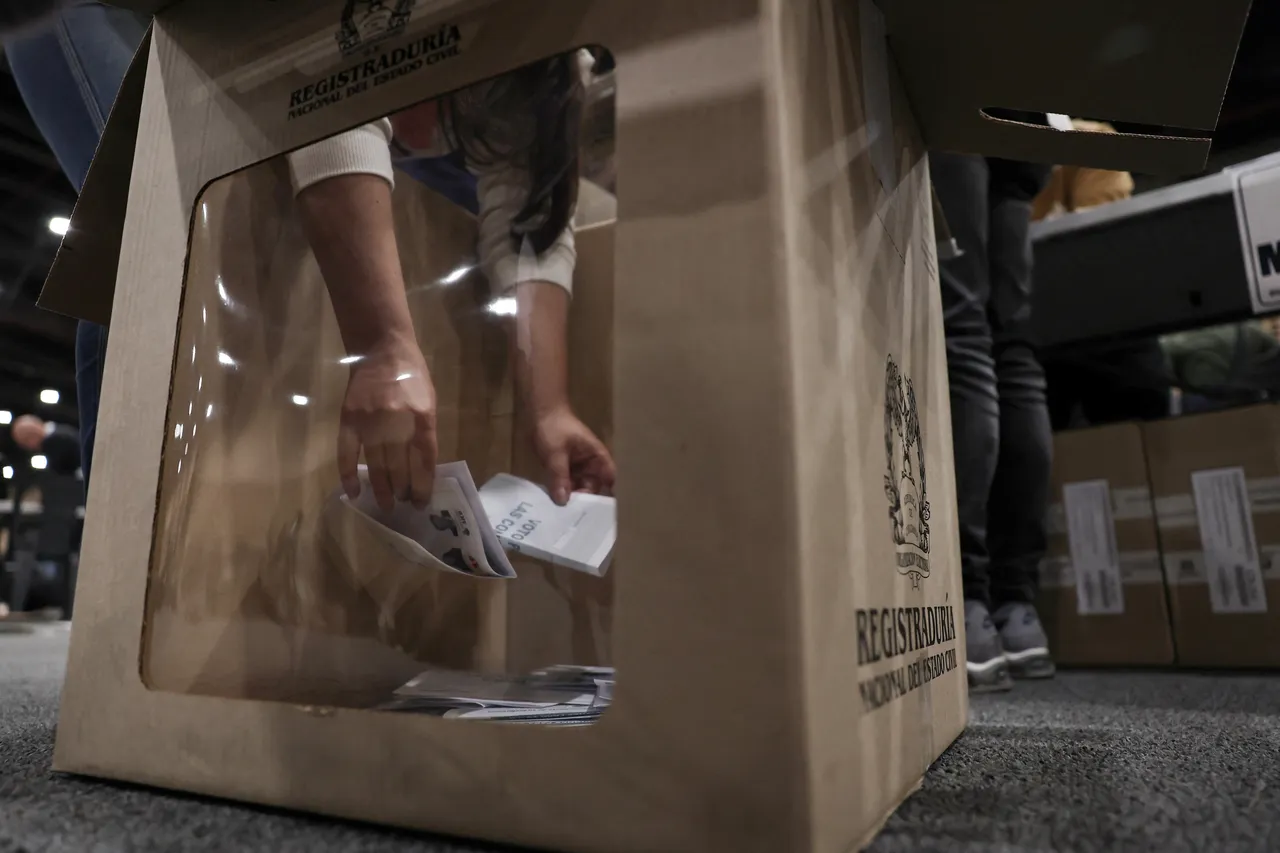
Colombia is heading towards the election of a new president in a political landscape marked by fragmentation, polarisation, and a Congress without clear majorities.
The campaign is focused on issues such as security, the economy, and social reforms, as well as on a topic that President Gustavo Petro has recently revived and placed at the centre of the political conversation: the possibility of convening a Constituent Assembly to reform the Constitution.
During the Labour Day commemoration on May 1, the president reiterated his proposal to convene a Constituent Assembly to, in his words, safeguard social rights and combat corruption.
However, in his speech, he also questioned the role of Congress, which, during his four years in office, blocked several reforms Petro was promoting due to insufficient support.
“Social reforms now and zero corruption can only be achieved through a National Constituent Assembly,” he declared from the city of Medellin, the second most important in the country.
The momentum didn't end there. Two days later, on May 3, Petro reiterated on social media that current institutional mechanisms have not enabled the realisation of the rights established in the 1991 Colombian Constitution.
"It will not repeal or change the 1991 constitution, it will only add two more chapters, the one about the legislative acts that Congress has not made in 34 years of the life of the Constitution: those of the real, daily and immediately effective guarantees of the rights to health, to education, to decent work, to pension, to public services payable according to their costs, the right to drinking water and proper nutrition," he said.
With that goal in mind, Petro then proposed collecting two million signatures to promote the National Constituent Assembly and presenting them to the new Congress before July 20, the day the elected legislators take office.
“Congress will have to decide whether to accept the mandate of the people,” the head of state added
Challenges
However, the proposal for a Constituent Assembly is framed by the challenge Petro faced when the governing coalition, the Historical Pact, did not secure sufficient majorities in Congress to approve the Executive's projects during his presidential term.
This scenario presents several obstacles to the possibility of a Constituent Assembly.
According to experts, the initiative faces institutional limitations and lacks sufficient legislative support, yet it continues to serve as a “political and symbolic” tool within the campaign.
They even suggest that, rather than being a concrete reform initiative, it has become a focal point of narrative dispute between the Petro administration and the opposition.
Yann Basset, a political scientist at the University of Rosario, explained in an interview with TRT Español that convening a Constituent Assembly in Colombia seems unlikely, as there is no majority to support the proposal.
“The only political force that has spoken in favour is the Historical Pact, and there isn't very strong popular support either,” the expert says.
For Basset, the proposal to reform the Constitution responds more to a political than an institutional logic: "It is above all a way of keeping the balance of government at the center of the political debate, rather than a really well thought-out proposal."
Reforming the Constitution
The idea of reforming the Constitution gained strength in recent years as a response to Congress halting some of Petro's main initiatives, such as health reform.
For this reason, prominent opposition voices, such as former President Alvaro Uribe Velez (2002-2010), have rejected the Constituent Assembly and its objectives, saying that it seeks to "destroy health" and that " the current Colombian Constitution is a true Constitution of a social state of law".
Other figures, such as Paloma Valencia, candidate for the main opposition party, Democratic Center, led by Uribe Velez, criticised the project and pointed to a disconnect between the national government and the real problems of the communities.
Along those lines, she says that, instead of just writing things “on paper,” in her view, “we need to get down to work and solve the problems of Colombians.”
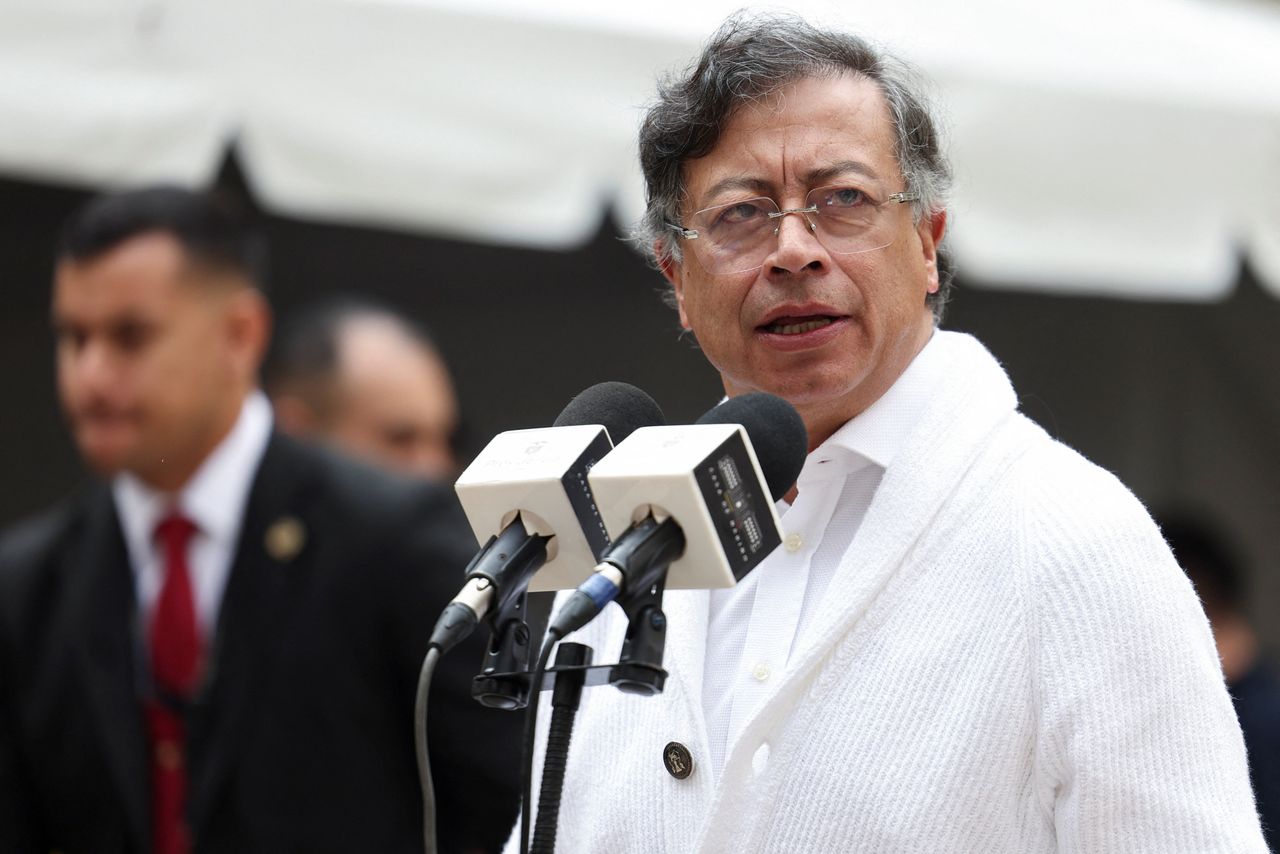
In the face of criticism, Petro remains firm and has insisted in recent days that "the National Constituent Assembly will not be a threat to anyone, but rather a means to guarantee the rights already established by the 1991 Constitution."
He also criticised what he considers "the reactionary forces present in the established institutions that blocked the reforms guaranteeing people's rights and enshrining them as fundamental individual and social rights in the 1991 Constitution."
Along those lines, the president maintains that the number of people who have died in the country is an indicator that, he claims, reflects cases that could have been saved if they had received care in hospitals and clinics, which is part of his motivation.
“The for-profit health system we have has killed 340,000 Colombians in the last 10 years while they stole 15 trillion pesos and put them into their private coffers, and now they tell us that we cannot and should not reform health,” he stated.
Manuel Camilo Gonzalez, professor of International Relations at Javeriana University, told TRT Español that the debate over the constituent assembly appears to have stalled after the March 8 legislative elections.
The elections resulted in the Historical Pact, President Petro's coalition, becoming the most voted force in the Senate, followed by the Democratic Center and traditional parties such as the Liberal and Conservative parties. However, no bloc achieved a majority.
Gonzalez points out that convening a constituent assembly requires "an absolute majority of the members of both the Senate and the House of Representatives," in addition to a citizen referendum, an indispensable requirement that the ruling party does not have.
In this context, the possibility of convening a Constituent Assembly appears even more remote from an institutional perspective, given the need to build broad legislative consensus.
According to Yann Basset, the fragmentation of Congress, as has been the norm in Colombia, necessitates forming alliances to ensure governability.
“You always have to aim to form coalitions,” he explains.


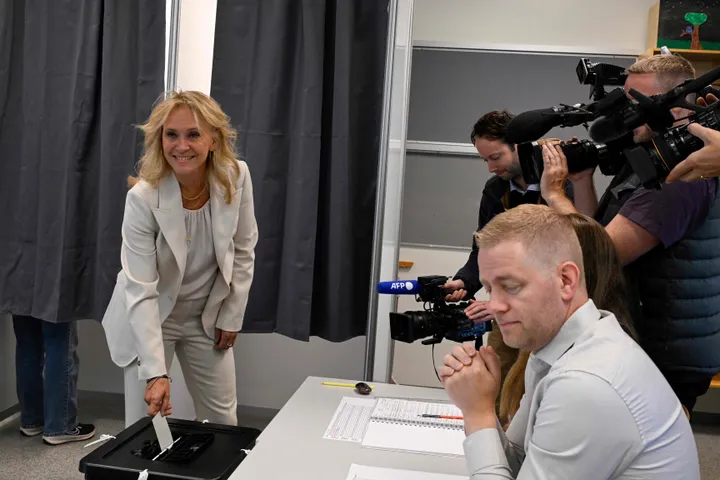
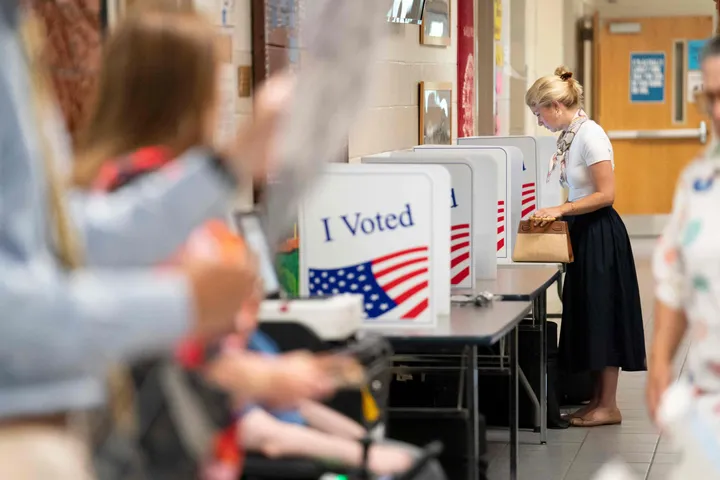




In his view, one of Petro’s main problems was not consolidating those political agreements, while figures like Iván Cepeda—the current candidate of the Historical Pact, since Petro cannot be re-elected, and who leads the polls for the presidential elections —have already raised the need to return to a more traditional way of doing politics, based on consensus and legislative majorities.
The weight of the past
For some sectors of Colombian society, the term "constituent assembly" can spark unease in public debate, as it suggests altering the fundamental rules of the political system.
From this perspective, this type of process in Latin America is often associated with periods of instability or with stages of significant institutional transformation.
In Colombia, the last Constituent Assembly was held in 1991, during the government of Cesar Gaviria (1990-1994), with the objective of modernising the State, expanding rights, and strengthening the political system after a period of violence and institutional crisis in the 1980s.
For Gonzalez, the sensitivity this debate arouses today is not so much explained by that process, which enjoyed broad political and social consensus, but rather by more recent experiences in the region.
“The problem is the negative image left by other constitutional processes in Latin America,” explains the expert from Javeriana University, referring to Venezuela and Ecuador.
In the first case, the 1999 constitutional process, promoted by Hugo Chavez after he came to power, resulted in a new Constitution that expanded presidential powers.
It also sought to strengthen social rights, including health, education, and social security.
According to the Latin American Journal of Social Law, this process was consolidated with the 1999 Constitution and other laws, and it points out that “the new conception of health requires the State to treat it as a fundamental right of all people, linked to the right to life, strengthening its enforceability as a human right.”
In Ecuador, the 2007-2008 Constituent Assembly, promoted by Rafael Correa, produced a new Constitution that placed strong emphasis on state intervention in the economy and the expansion of social rights.
This constitutional framework has been the subject of debate under the current government of President Daniel Noboa, who, in recent years, sought to modify provisions to allow the establishment of foreign military bases, a proposal rejected in a November 2025 vote.
Colombian political analyst Andres Orellano agrees that this debate is heavily influenced by ideology.
According to his analysis, in Latin America, constitutional processes are often associated with left-wing governments that have implemented profound reforms to expand the state's role in the economy, redistribute political power, and broaden social rights.
This experience has fueled a critical perception among conservative and opposition sectors, who see these initiatives as a potential way to concentrate power and weaken institutional checks and balances.
However, the analyst warns that, after more than three decades of the 1991 Constitution being in effect, “many elements deserve to be updated.”
Although it occupies a prominent place in political discourse, Orellano indicates that the constituent assembly is not among the electorate's main concerns.
“There doesn’t really seem to be a very strong interest from the public, partly because it’s not clear what they want to change,” Basset also points out. “As long as there isn’t a clear project behind it, it’s unlikely to garner significant popular support,” he adds.
According to the Invamer national survey conducted in February 2026, the main concerns of citizens are security, public order, and the economy, which reduces the impact of a possible constitutional reform on voters' decisions.
The scenario that is beginning to take shape
The new Congress will be key in defining the next government's room for manoeuvre.
Although the Historical Pact managed to consolidate itself as the largest force in Congress, it did not secure clear majorities, which limits its ability to implement profound reforms. This scenario forces the Executive branch to negotiate with various political sectors.
“The national government doesn’t have a sufficient coalition to approve this type of procedure,” Gonzalez maintains. Similarly, Orellano points out that “it would be impossible to move forward with a National Constituent Assembly in the middle of an electoral cycle.”
For Basset, this scenario marks a structural characteristic of the Colombian political system: “We will continue with a highly fragmented Congress, where it will be necessary to build coalitions. The next president will probably return to a more traditional way of doing politics, based on agreements and consensus between the Executive and Congress”.
In his view, this framework will force the future government to negotiate continuously to advance key reforms.
This, he adds, could moderate the most ambitious proposals, but also reduce the level of institutional confrontation that, in his opinion, characterised Petro's administration.
Amidst the fierce competition among presidential candidates and their differing government agendas, Basset argues that Petro has managed to remain at the centre of the political conversation.
“We are debating his record in office more than his future plans,” says the political scientist, who believes that the president continues to set the pace of the campaign even without being a candidate.
And, with all eyes in Colombia, amid criticism and different approaches to improving the South American country, Petro insists that "the national agreement is not about doing more of the same that doesn't work, it's about transforming Colombia on the path of social justice, democracy and general well-being."
This story was originally published on TRT Español