 Sadiq S Bhat
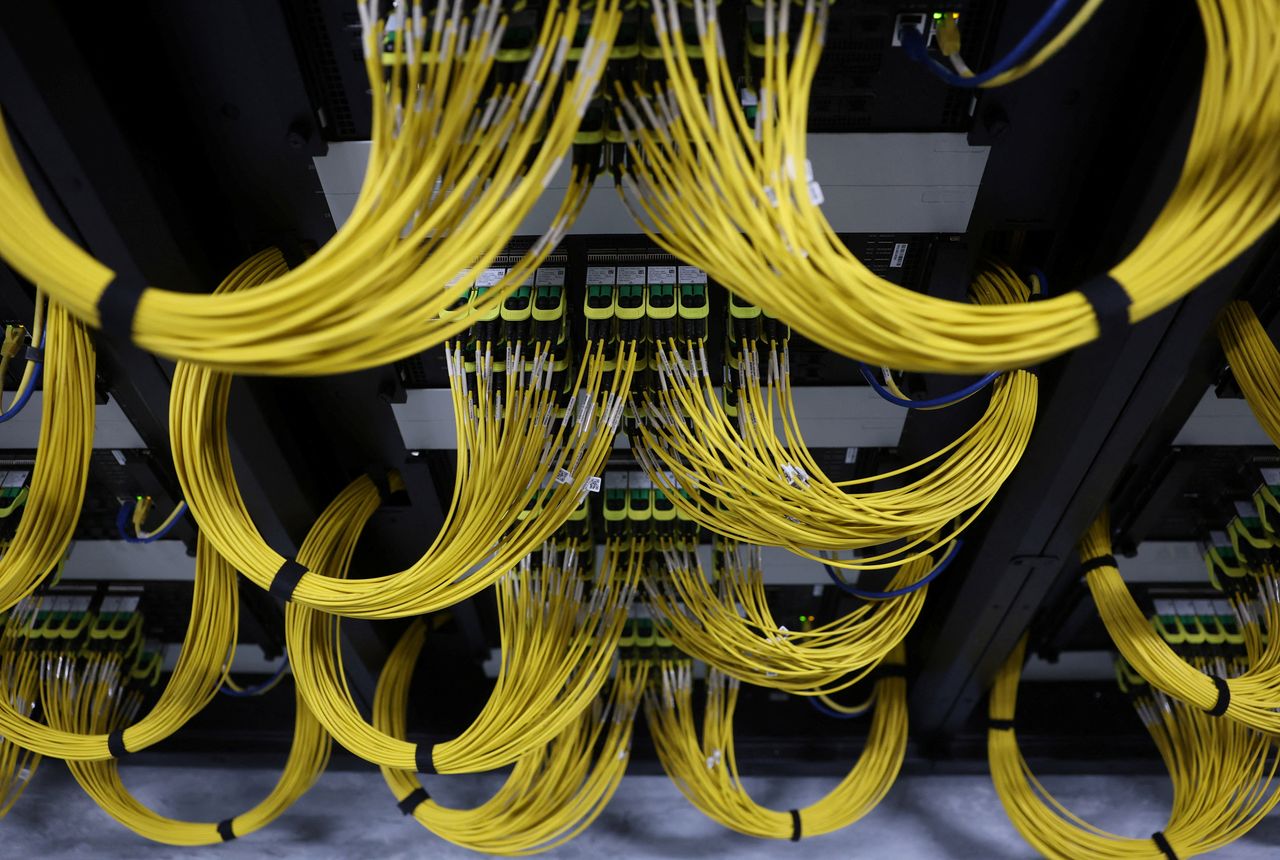
Washington, DC, — As the AI revolution accelerates, a backlash is building across the US as giant data centres consume vast amounts of power, fuelling fears of soaring electricity bills and sparking a revolt against Big Tech.
The fight over artificial intelligence used to live in congressional hearings and stock-market notes. This fall, it is moving to the kitchen table, onto the electric bill and into county meetings where residents are deciding whether a warehouse-sized data centre belongs in the next field over.
The concerns are familiar: higher electricity bills, water use, noise, tax breaks and the sense that decisions affecting entire communities are being made before residents have a chance to weigh in.
The backlash is also tapping into something broader, according to Darrell West, senior fellow in governance studies at the Brookings Institution and holder of the Douglas Dillon Chair.
“The backlash is about higher electric bills but also more general worries about AI taking jobs and large tech firms having massive wealth,” West told TRT World. “People fear AI will take too many jobs and endanger the financial security of many individuals.”

AI meets politics
That distinction matters.
A higher electricity bill is a number on a monthly statement. A data centre can become a symbol of something much larger: anxiety about artificial intelligence, distrust of the companies building it and fears that ordinary households will bear the cost of an economic transformation designed by some of the world's wealthiest firms.
The symbol is increasingly physical.
The US is entering a period of electricity demand growth not seen for years. The International Energy Agency expects US electricity consumption to rise by more than 420 terawatt-hours over the next five years, with data centres accounting for about half of that growth through 2030.
For residents, however, the question is more immediate.
Who pays for the new power plants, transmission lines and substations needed to keep the servers running?
And if utilities pass some of those costs on to the wider system, will households see the consequences in their monthly bills?
That question has turned data centres into a political issue, especially as November midterms approach.
Democrats have increasingly argued that wealthy technology companies should bear more of the cost of the infrastructure they require. But resistance has also emerged across party lines, particularly where large projects are proposed near rural communities or residential neighbourhoods.
“The big issues in this election are affordability and Iran,” West said, “but Democrats are tying rising energy bills to data centre operations. They say wealthy tech firms are not paying their fair share and that is harming ordinary voters.”
Data centres are unlikely to displace the cost of living as the defining issue of the election. But they can become politically potent when they provide voters with a visible explanation for a problem they already feel.
The argument is easy to understand: If technology companies are spending billions of dollars on artificial intelligence and need enormous amounts of electricity to power it, why should ordinary ratepayers help finance the infrastructure?
Billions pour in
West said voters have a clear answer.
“The public wants tech firms to pay more for energy production and transmission so that ratepayers don't have to pay so much for electricity,” he said. “Voters feel these companies have lots of money and should cover the energy costs for their new facilities.”
That is only one side of the argument.


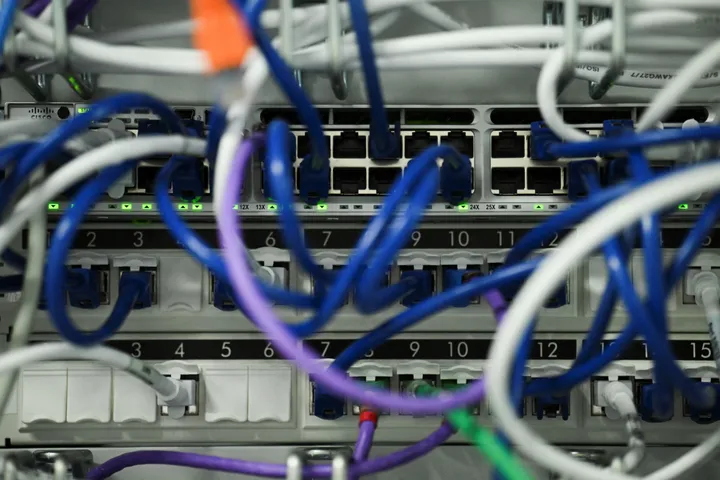





Loudoun County, Virginia, the country's densest data-centre hub, offers perhaps the clearest example of why local governments continue to welcome the industry.
County officials say the enormous value of the equipment housed inside data centres has produced a tax windfall that helps fund public services.
Loudoun officials say data centres generated $1.2 billion in real and personal property tax revenue in fiscal 2026, representing 39% of the county's overall budget.
Buddy Rizer, Loudoun County's chief development officer, says that data-centre revenue has paid for “22 schools and miles of roads,” while helping to cut the tax rate.
For local officials, that is the promise of the data-centre economy: infrastructure that consumes vast amounts of power but also produces substantial revenue for schools, public safety, roads and other services.
West pointed to the disconnect between Washington's urgency and public resistance.
Recent national polling shows substantial opposition. A Gallup survey released in May found that 70% of Americans opposed building AI data centres in their local area.
A more recent nationally representative survey by the Annenberg Public Policy Centre found that 61% somewhat or strongly opposed new data centres in their communities.
The broader political message is clear: support for technological progress does not necessarily translate into support for a data centre next door.
That local resistance has already produced moratoriums and delays.
Expansion hits pause
West said that “a number of local communities and the state of New York have placed moratoriums on new data centre construction.”
Under Governor Kathy Hochul's executive order, the state temporarily paused discretionary permitting for major new projects while regulators develop standards to address their impact on electricity demand, water use, infrastructure, and the environment.
The stakes extend beyond individual projects.
The US is trying to build enough computing capacity to remain competitive in artificial intelligence. The administration's argument is that speed matters and that delaying construction risks surrendering an advantage to competitors abroad.
The industry's argument is similar: demand for computing power is rising so quickly that the country cannot afford to turn every new data centre into a years-long political battle.
But communities are asking a different question.
Who gets the benefit, and who bears the cost?
And by November, those two arguments may collide at the ballot box.
If candidates who champion the buildout lose in November, West believes the political consequences could spread.
“If pro-data centre candidates lose in November, that will encourage more pauses and moratoriums, which will create problems for the tech sector,” West said. “Construction will slow, and it will be harder for companies to get the compute power they need to operate data centres.”