 Kazim Alam
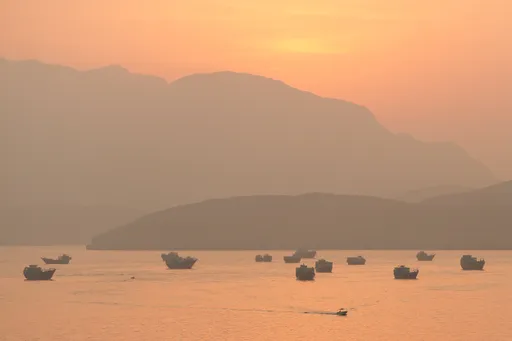
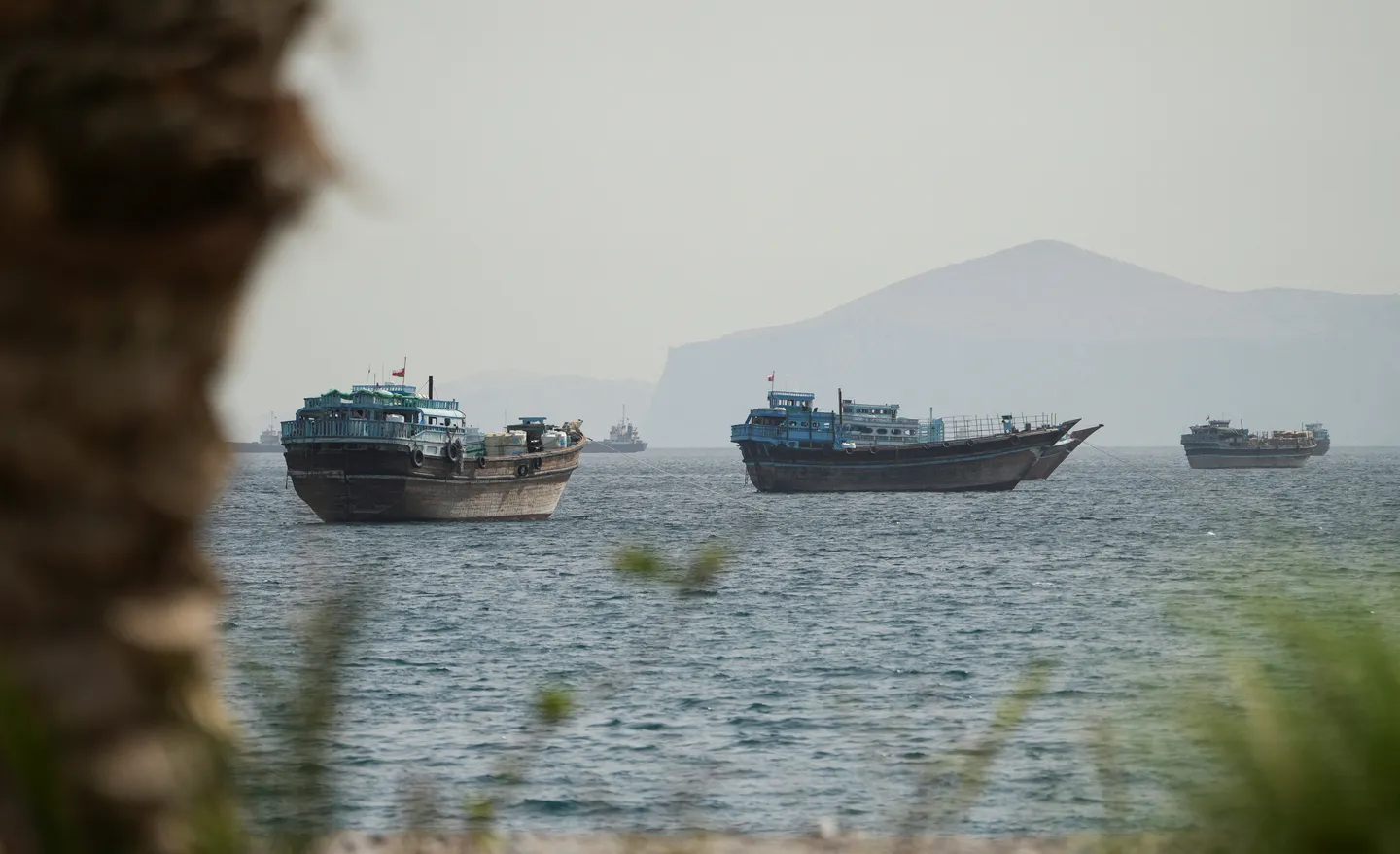
The Strait of Hormuz, a narrow waterway separating Iran from Oman, is again in the news after hostilities between Iran and the US resumed following a short-lived ceasefire.
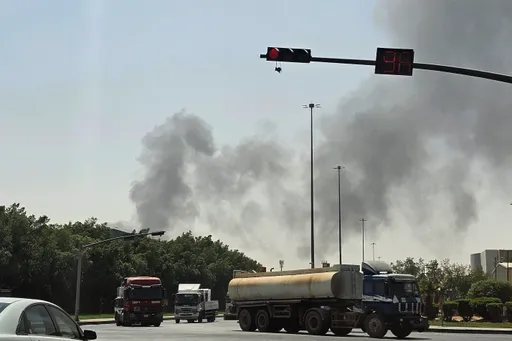
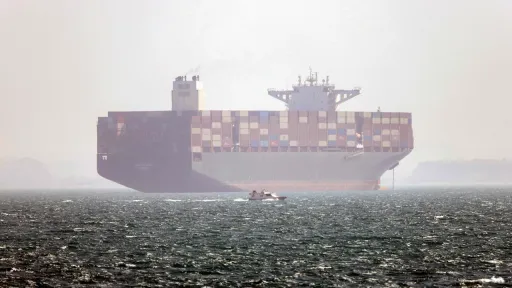
Accusing Washington of violating the ceasefire by opening a southern corridor hugging the Omani coastline, Tehran resumed attacks on commercial ships trying to use the strait to transport gas and oil from Gulf nations.
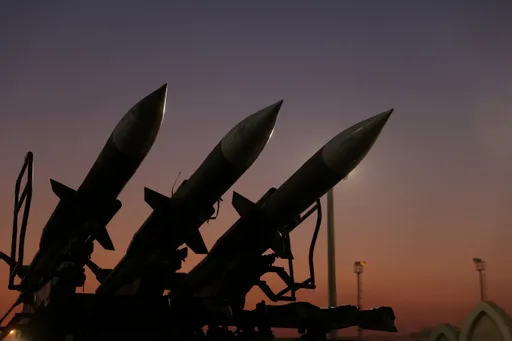
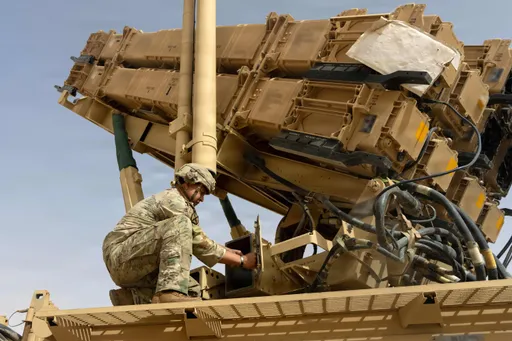
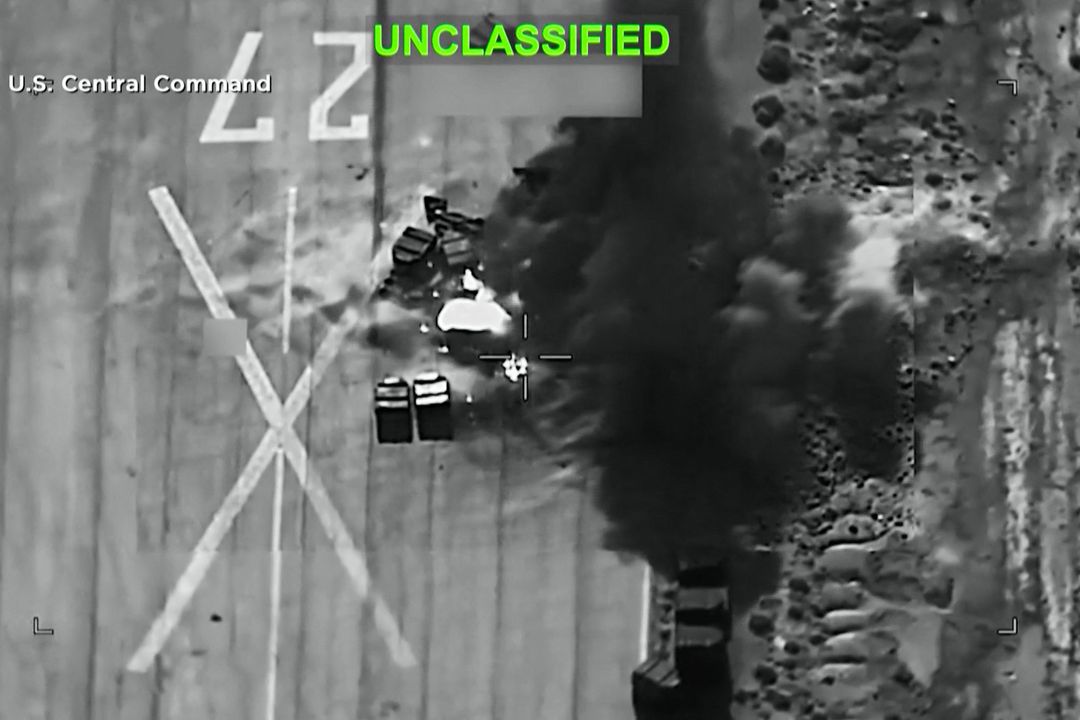
Subsequently, the US military also attacked coastal infrastructure in Iran, including missile sites and vessels of the Revolutionary Guards.
The renewal of hostilities has once again sent the energy markets into a tailspin as the crucial waterway carried roughly one-fifth of the world’s oil and liquefied natural gas before the US-Iran war.
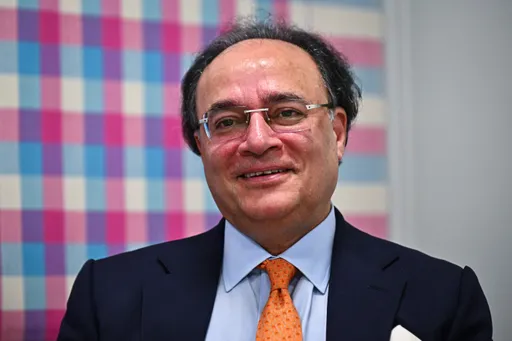
Oral Toga, a researcher at the Ankara-based Centre for Iranian Studies, says the recent attacks on commercial shipping represent a tactical misstep on the part of Iran, as their costs far exceed any gains.
“With its navy largely destroyed and missile capacity degraded, the strait is Iran's last functioning coercive instrument, and Tehran acted precisely as that instrument was depreciating,” he tells TRT World.
Traffic through Hormuz had risen by more than 50 percent in late June as vessels shifted to escorted routes along the Omani coast, eroding Iran's claim to control the waterway.
“The renewed attacks were an attempt to arrest that erosion. The costs, however, outweigh the gains,” he says.
Each new strike on a tanker by Iran gives Washington a justification to expand its target list, pushes Gulf states at the receiving end of Iranian attacks closer to the American position, and deepens Tehran’s diplomatic isolation, Toga says.
“Leverage that cannot be converted at the negotiating table is not leverage. It is the expenditure of a finite asset,” he says.
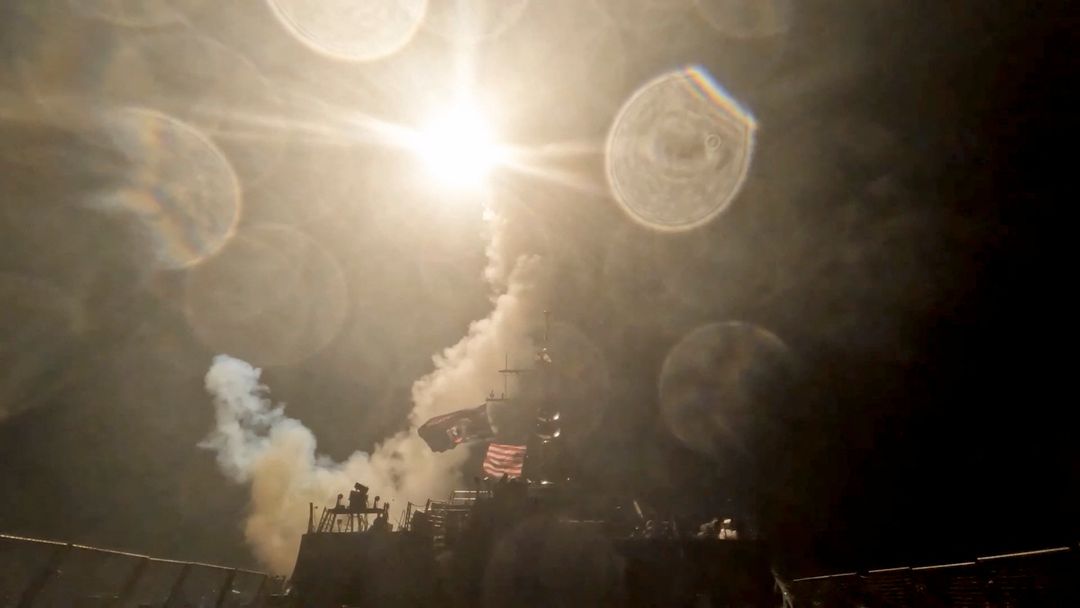
Mohammad Eslami, a political scientist at Italy’s European University Institute, says Iran is racing against the clock as each missile launch reveals the location of its launchers, allowing them to be identified and destroyed one by one.
Yet, a strategic narrative exists within Iran that prioritises launching missiles before the enemy can locate and neutralise the launch systems.
“From this perspective, Iran’s actions are not a miscalculation, but rather a calculated strategy,” Eslami tells TRT World.
“This war will ultimately have to be decided on the battlefield, not at the negotiating table. Military engagement will end only when there is one clear winner and one clear loser,” he says.
In his view, Iran is seeking a tactical victory that would allow it to enter negotiations from a position of strength.
A diplomatic off-ramp?
Analysts see limited space for de-escalation.
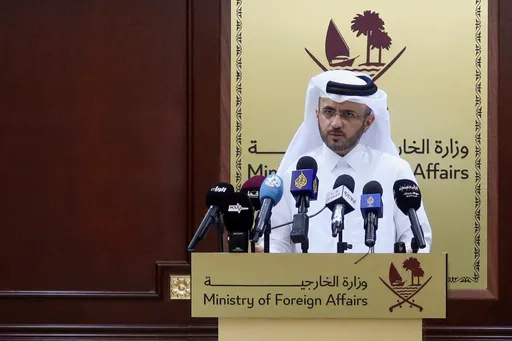
Toga points to progress made during talks mediated by Qatar and Pakistan, in early July – discussions on unfreezing part of Iran’s assets, and an agreed communication mechanism – before a pause in US strikes for the funeral of assassinated Supreme Leader Ali Khamenei and the subsequent collapse of the ceasefire.
“Both sides have kept the door ajar,” he says. Trump has accepted continued talks even while declaring the ceasefire over, and Islamabad maintains the ceasefire is still recoverable.
A face-saving arrangement would allow Iran to assume some custodial role in the strait, plus access to frozen assets it can present domestically, according to Toga.
Meanwhile, such an arrangement would also help the US secure reopened shipping lanes and an economic package Trump could sell domestically as a victory.
“What remains achievable is a de-escalation arrangement, not a settlement,” he says, noting that Iran’s nuclear programme, proxy networks and strait governance would remain untouched under said arrangement.
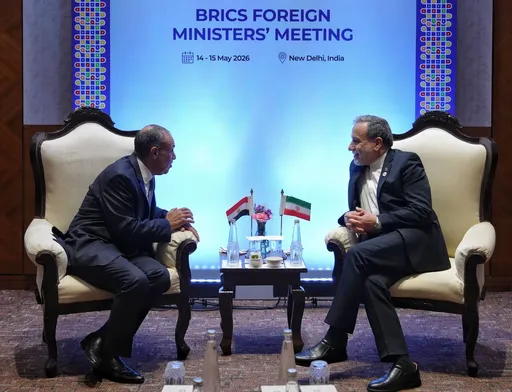
Eslami insists that indirect diplomacy continues as negotiations are an “inseparable part of war”.
But Iran cannot credibly hold talks without first demonstrating its leverage by disrupting the energy market through interrupted maritime traffic, he says.
Otherwise, Washington will see no reason to offer meaningful concessions, he notes.
Toga says Iran has largely played into President Trump’s hands by choosing escalation over ceasefire.
Every tanker strike is answered by a multi-hour strike package against Iran’s coastal infrastructure, advancing the systematic degradation of state capacity whether or not talks resume, he says.
Trump can punish, posture, and negotiate simultaneously, with the shipping-protection framing serving him well internationally, Toga notes.
The caveat, however, is that US costs are compounding at a rapid pace: well over $100 billion, with rising oil prices and a domestic base sceptical of open-ended wars.
Iran’s expectation is that these US costs will mature faster than its own capacity depletes.
“The evidence so far favours Washington,” Toga says.
“Tehran is indeed testing the limits of American patience, but on a timeline it may not survive intact,” he adds.
Changed US perception
Eslami points out that the massive crowds at the funeral processions of Ali Khamenei in early July changed American understanding of the Iranian government.
Traditionally, US policymakers assumed the Iranian government lacked a broad social base and that ordinary Iranians opposed its anti-American policies, he notes.
But the week-long funeral processions changed that perception. “Now the American policymakers know that people don’t want the negotiations or agreement,” he says.
Even if diplomats reached a deal, the Iranian parliament and people may not allow its implementation, he says.
Consequently, only the military option remains valid in Washington’s eyes.
Toga describes a “genuine nationalist reflex” visible in the funeral crowds and Tehran’s consolidation rhetoric.
Yet, he calls this consolidation a “psychological buffer, not capacity”.
Iran entered the war already facing a 20 percent electricity deficit, soaring inflation, a collapsed currency, and widespread protests.
The war may have suspended that domestic anger for the time being. But it has also destroyed the remaining means of addressing those grievances, Toga says.
“If services deteriorate further, the nationalist reflex yields to a survival reflex — and the likelier outcome is not organised opposition but localised fragmentation,” he says.