 Kazim Alam
Access to diesel, the fuel that powers global economic activity, has become the latest geopolitical battleground amid two raging wars, setting off a domino effect across nations and hitting the Global South hardest.
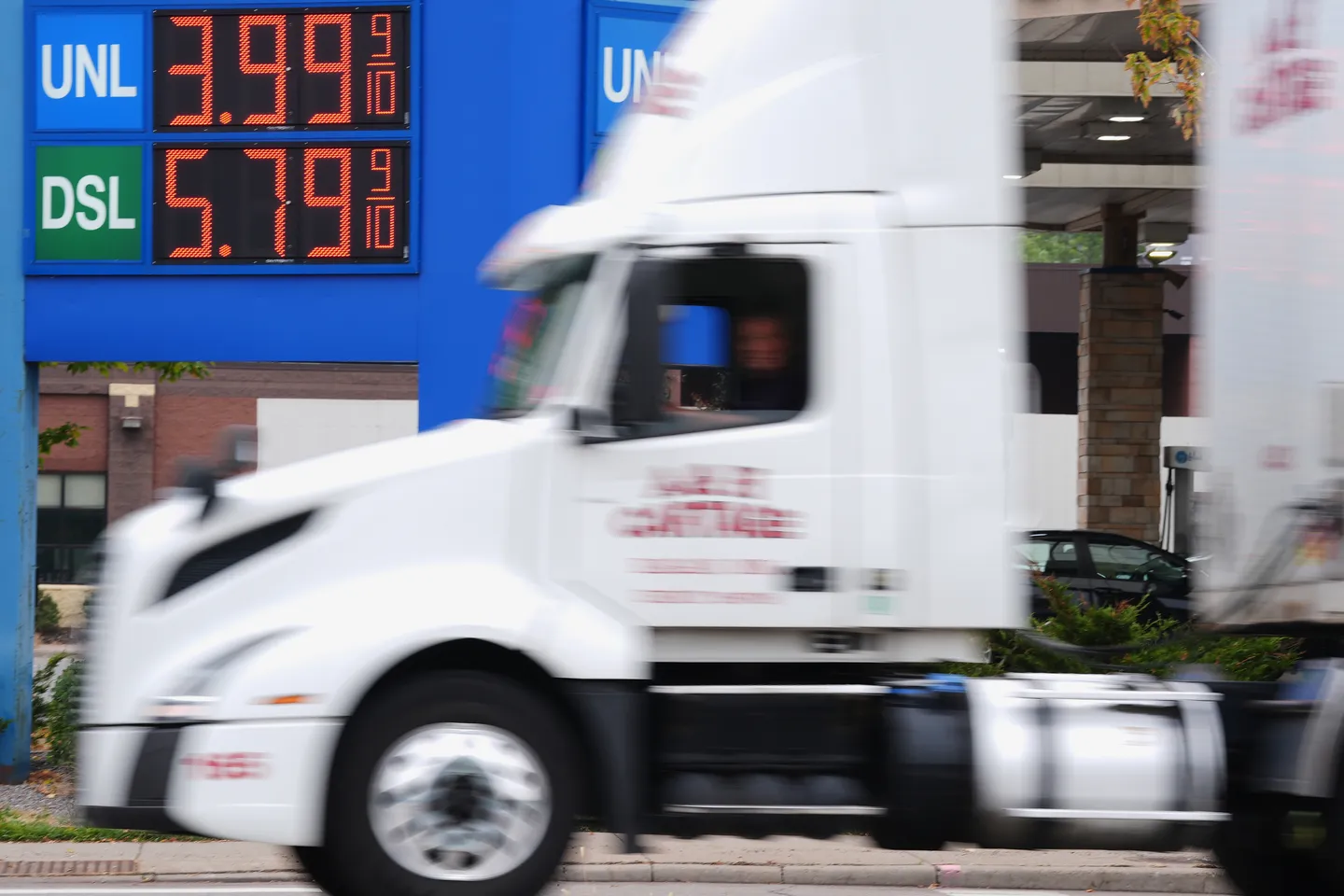
Diesel prices are going through the roof in most of the world. Even in the US, which retains the capacity to subsidise retail consumers as the world’s richest country, the diesel price has gone up 70 percent since it attacked Iran on February 28.
But the diesel crisis is far worse in the Global South, where poorer countries lack emergency stockpiles or massive cash reserves to protect consumers from an existential threat to basic food supply chains, transport, and critical infrastructure.
Some countries, like the Philippines, have declared national energy emergencies, while others, such as Sri Lanka, have rationed fuel supplies. In some African countries, fuel prices have surged by up to 150 percent.
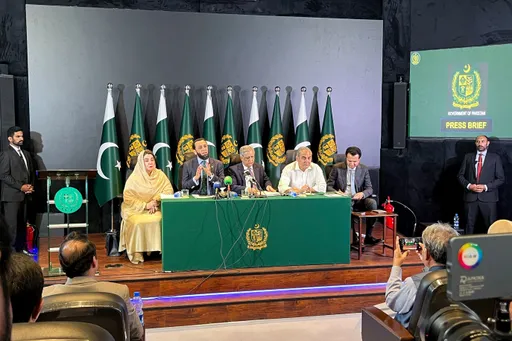
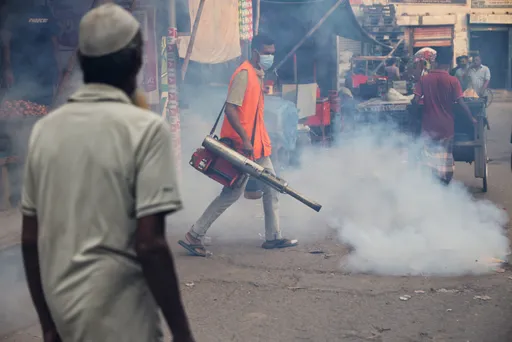
In Pakistan, the government has adopted a daily price revision mechanism for diesel, which is now 40 percent more expensive than it was at the start of the US-Israeli war against Iran.
Analysts point out that unlike previous price shocks driven mainly by crude constraints, the current upswing in diesel prices is partly due to a deficit in refinery capacity.
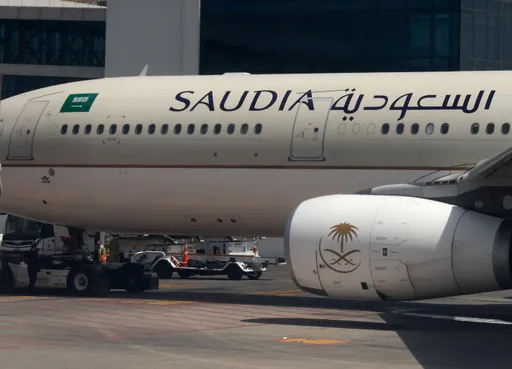
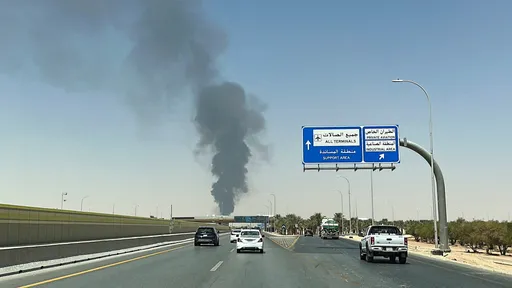
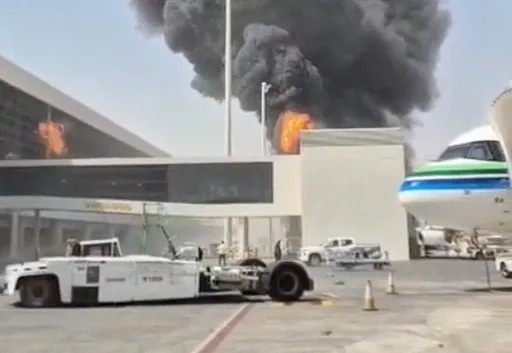
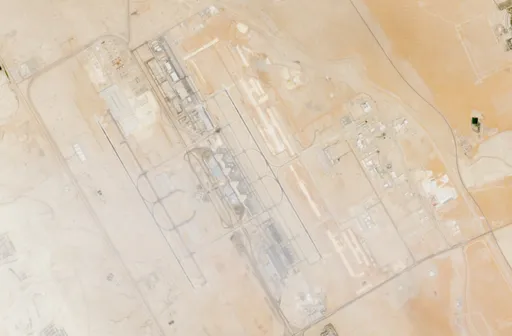
Drone and missile attacks by Iran and its allies have targeted large crude processing plants in Kuwait, Saudi Arabia, Qatar, and Bahrain.
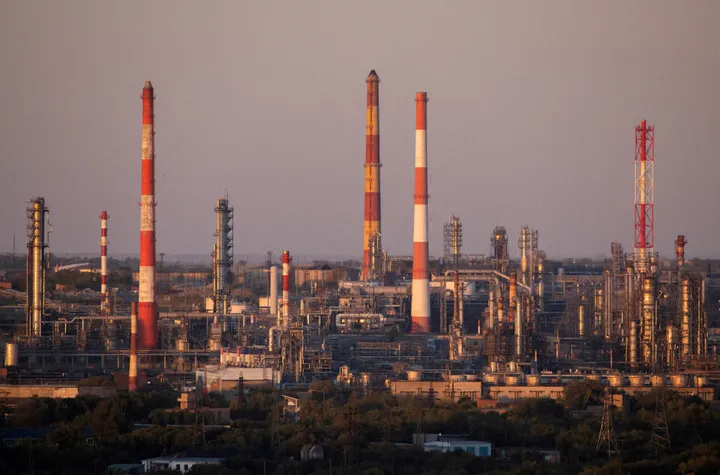
Russian refineries have also come under a spate of attacks by Ukraine in what is being described as the ‘energy war’; Russian refineries are now operating at 60 percent of capacity.
The price of diesel has increased more than the price of petrol — used mostly by passenger cars — for two main reasons. One, diesel supplies were already tighter than those of gasoline, even before the start of the Iran war.
And two, refineries in the Gulf countries that came under fire produced more diesel than petrol. No other countries had the idle capacity that could be tapped immediately to make up for the production loss.
As a result, millions of barrels of Middle Eastern and Russian diesel have disappeared from the global market.
To counter the shortage, the US has struck a deal with Russia to buy diesel, even though heavy sanctions otherwise restrict Moscow's ability to sell energy worldwide.
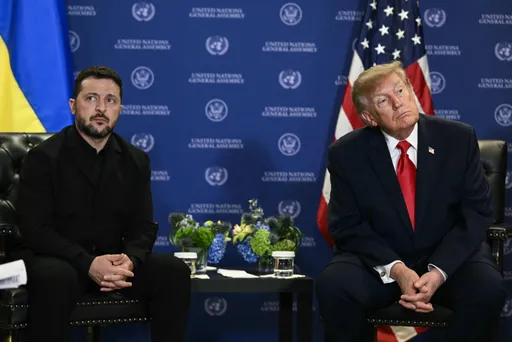
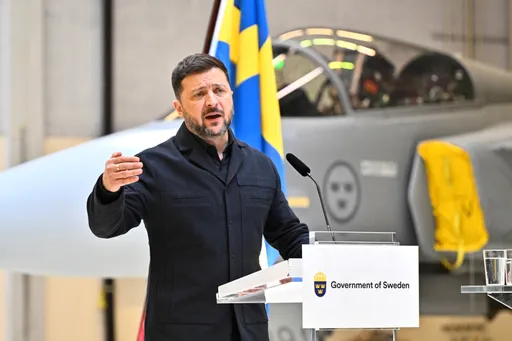
Separately, US President Donald Trump announced an “energy ceasefire” between Russia and Ukraine on October 11, even though Ukrainian leader Volodymyr Zelenskyy said he was still waiting to see the deal's details.
Resource nationalism rears its head
Analysts say the global diesel crisis has unleashed a wave of ‘resource nationalism’ in which top producers limit supplies, driving global ‘crack spreads’, or refining margins, to historic highs.
Last month, Moscow extended a strict ban on diesel exports through the summer and autumn, stating shipments would not fully return until Western sanctions were lifted.
Likewise, Beijing temporarily paused fuel exports to prioritise its domestic inventory.
Before striking a diesel import deal with Russia, the US aggressively pressured European allies to release strategic reserves or face a US diesel export ban, setting off a global alarm.
Baris Alpaslan, an economist and chief adviser at IC Holding – a Turkish conglomerate with energy production and distribution businesses – makes a distinction between resource sovereignty and resource nationalism.
“I think we need to distinguish between the legitimate exercise of resource sovereignty and the broader consequences of resource nationalism,” he tells TRT World.
Protecting domestic supply is a real duty, particularly during a major crisis, he says.
But the problem arises when many countries do it all at once.
“(Export bans) may shift part of the economic cost of a geopolitical crisis onto countries that had little or no role in causing it, particularly poorer, fuel-importing economies in Africa, Asia and Latin America,” he says.
Higher diesel prices quickly feed into transport costs, food prices, and broader inflation, he says.
“The frustration in the Global South is understandable. Many of these countries are price takers in global energy markets, with limited fiscal capacity to cushion their populations against external price shocks,” he says.
The collective result can be a deeper global shortage, with the poorest and most import-dependent economies often bearing a disproportionate share of the cost, he says.

New battle lines
Yasar Sari, director of the Haydar Aliyev Centre for Eurasian Studies at Ibn Haldun University, tells TRT World that access to diesel is already pushing countries to “form alliances around fuel supplies, rather than ideology”.
He points to India’s import dependence – more than 80 percent of its crude requirement – and the strain of balancing outside diplomacy with negotiations inside BRICS, a group of emerging economies mostly from the Global South.
The May BRICS summit produced no joint statement and referred only to “differing views among some members” of the bloc, which includes both Iran and the UAE as full members.
The absence of a joint statement indicated that energy security issues are eroding regional cohesion, he notes.
China’s heavy inventories, estimated to be 1.49 billion barrels and described as mostly crude, still give Beijing leverage to hold product at home, he adds.
European countries hold the largest emergency diesel reserves, with France and Germany together accounting for more than a third of the EU’s strategic stocks, he says.
American public stocks provide a regional cushion at best, not a global store, he notes.
This is the reason the US has pressed France and Germany to draw those stocks down, with restrictions on US diesel exports held out as leverage ahead of the US midterms planned for the first week of November.
Sari refers to the 1973 Arab oil embargo, when producers from the Gulf cut supply to states that had backed Israel.
But he highlights the difference between then and now: “(Fuel) weaponisation is less about producers withholding supply and more about importers hoarding it – a reverse embargo in which vulnerable nations scramble to secure what remains,” he says.
According to Alpaslan, energy access is increasingly becoming a source of geopolitical leverage.
A government short of diesel for farms, freight or power may be more receptive to a supplier that can offer reliable deliveries or favourable financing, he says.
His concern is that energy insecurity can narrow the foreign-policy choices available to poorer countries.
“The real test is whether access to essential fuel remains governed primarily by reliable trade and commercial considerations, or increasingly becomes an instrument of political pressure,” he says.
Survival beyond wars
Sari says China and South Korea can shield home markets and limit exports. Indonesia, the Philippines, Bangladesh and Ethiopia cannot.
“Fuel access isn’t causing a clean geopolitical split, but it is accelerating fragmentation, with each nation’s survival strategy shaped by its reserves and ability to pay,” he says.
How long can that be managed?
Sari says the window to manage the crisis without triggering catastrophic damage to the global economy is narrow – likely measured in weeks, not months.
Even a political settlement would not quickly restore normalcy, he notes.
He describes the G7’s 100-million-barrel release as a gesture that only buys time.
Ending both wars today will end the war premium almost at once, he says.
“But physical supply recovery would take months to years because of damaged refineries, disrupted shipping, and structural changes in trade flows,” he says.