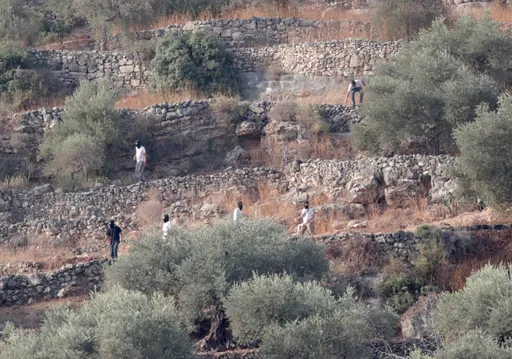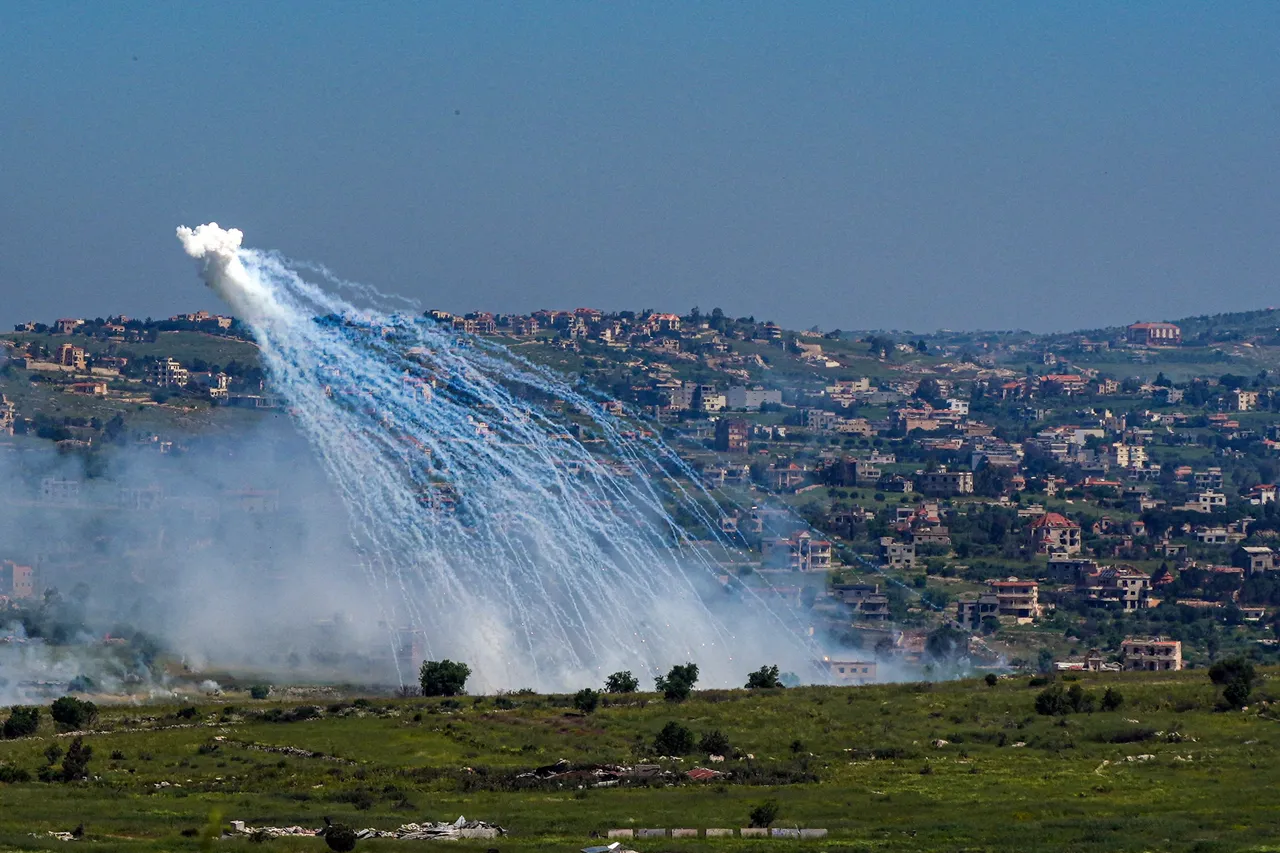
Farmers harvesting watermelons in southern Lebanon's Tyre district were not expecting their fields to become a target on a random weekday. But on Tuesday, Israeli forces fired three phosphorus shells near the Mansouri junction, sending workers fleeing while three civilians were detained and another wounded in separate incidents the same day.
The attack came amid a ceasefire that Israel has repeatedly violated, and it was far from an isolated incident.
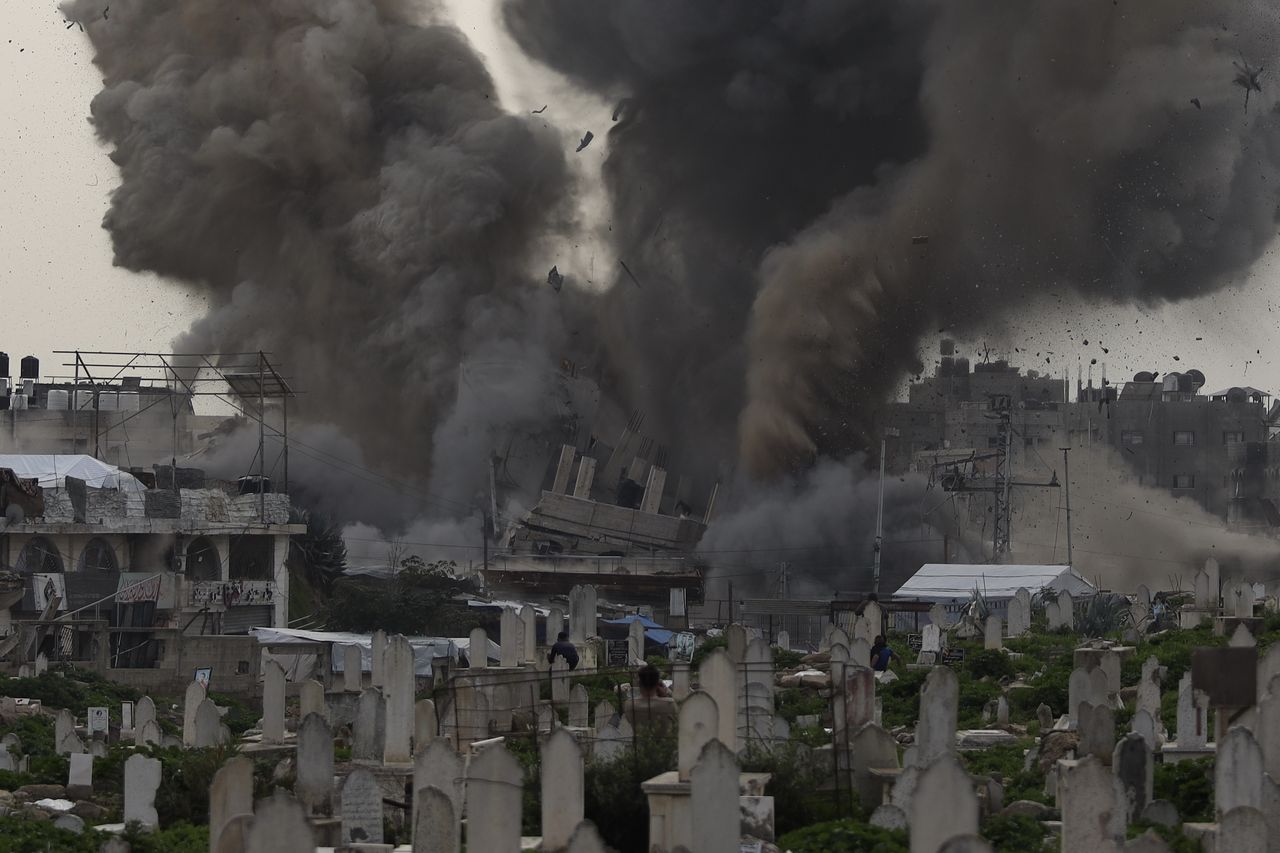
It was the latest episode in a years-long, meticulously documented pattern of Israel deploying incendiary and banned chemical munitions across Lebanon and Gaza, each instance adding to a record that human rights organisations have struggled to keep pace with.
The most recent confirmation of that pattern came just weeks ago.
In March 2026, Human Rights Watch verified and geolocated seven images showing artillery-fired white phosphorus airburst over a residential part of the southern Lebanese town of Yohmor, with civil defence workers responding to fires in at least two homes and one car.
HRW's Lebanon researcher Ramzi Kaiss called it "extremely alarming" and urged states supplying Israel with weapons to immediately suspend military assistance, a call that went unheeded.
That incident, however, was itself built on a foundation of prior violations stretching back to the earliest weeks of the current war.
HRW had already verified white phosphorus use in at least 17 municipalities across south Lebanon since October 2023, including five where it was deployed unlawfully over populated residential areas.
What those statistics obscure is the human reality behind them. Mohammad Hammud, an elderly man who stayed in his border village of Hula when others fled, described the moment an Israeli shell landed near his home.
"Fire broke out in front of the house... there was a strange smell... we had trouble breathing," he recalled.
He and his wife were rushed to a hospital after emergency responders identified it as phosphorus exposure, joining four other civilians admitted to intensive care for asphyxiation and severe respiratory distress from the same attack.
Lebanon's health ministry ultimately registered 173 people as suffering from chemical exposure due to white phosphorus since October 2023, and that was before Israel intensified its attacks.
Amnesty International had, in fact, raised the alarm even earlier, documenting unlawful white phosphorus use in south Lebanon as far back as October 10–16, 2023, and calling for an attack on the village of Dhayra, which injured at least nine civilians, to be investigated as a war crime.
Beyond the immediate injuries, the damage has spread into the soil itself, with south Lebanon's farmers watching their agricultural land burn and scientists scrambling to assess long-term risks to food security and public health.

Lebanon has also separately accused Israel of spraying the herbicide glyphosate along its side of the border, condemned by President Joseph Aoun as a "crime against the environment."
Bodies vanished into ash in Gaza
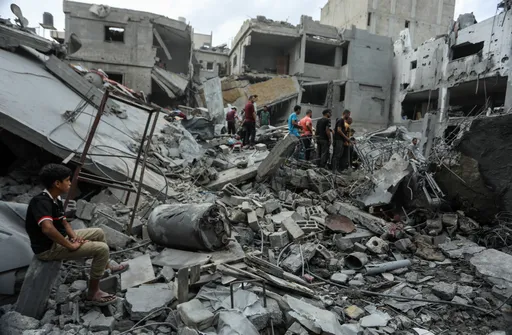
If Lebanon has borne years of phosphorus attacks, Gaza has experienced something altogether harder to comprehend.
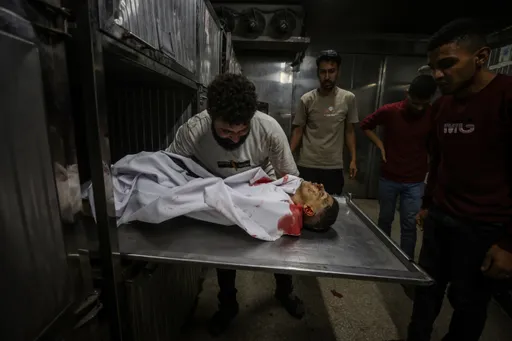
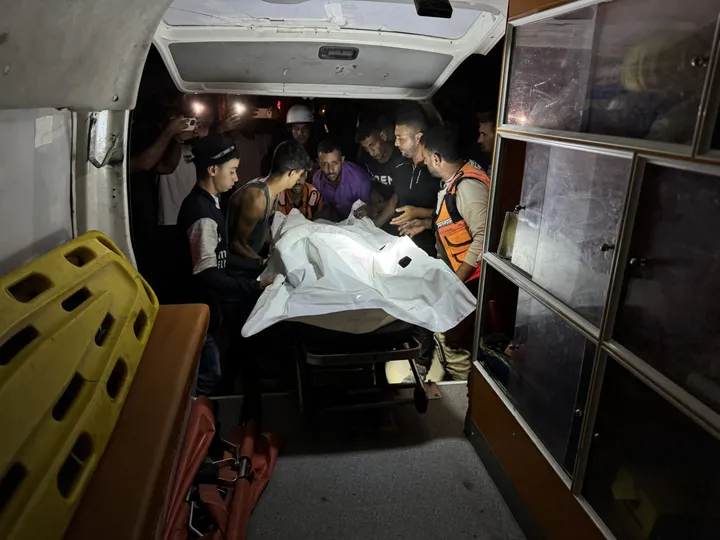
A major investigation documented the disappearance of at least 2,842 Palestinians since October 2023, drawing on forensic field data compiled by Gaza's Civil Defence teams, who classify victims as "evaporated" only after exhaustive searches of rubble, hospitals, and morgues yield nothing but biological traces, blood spray or small fragments of tissue.
Yasmin Mahani experienced this firsthand when she returned to the ruins of al-Tabin school in Gaza City after an Israeli strike in August 2024.
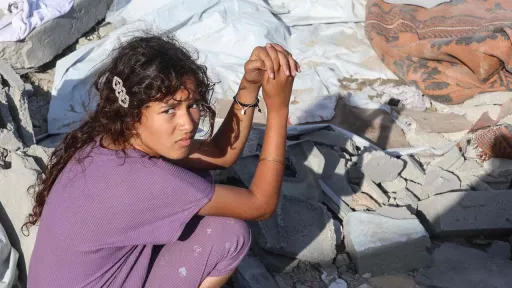
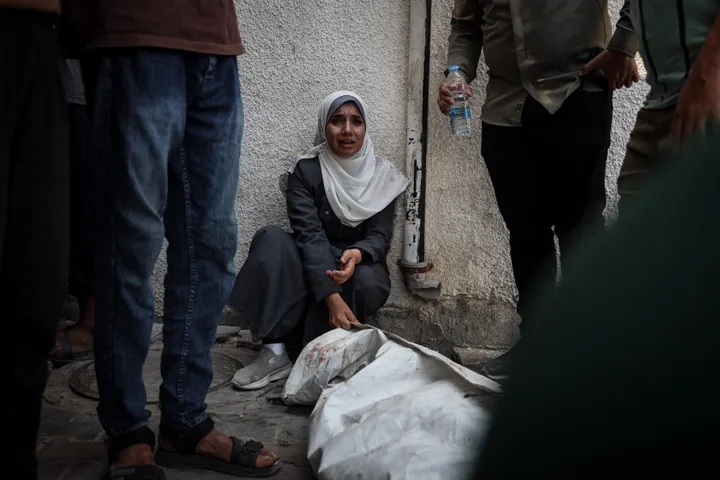
"I went into the mosque and found myself stepping on flesh and blood," she said. She never found her son. Not even a fragment to bury.
Military experts attributed such cases to thermobaric and thermal weapons capable of generating fireballs reaching between 2,500 and 3,000 degrees Celsius, with munitions identified in Gaza including the MK-84 bomb, the BLU-109 bunker buster, and the GBU-39 precision glide bomb, the last designed to leave structures standing while obliterating everything inside through pressure and heat.
A strike on al-Mawasi, previously designated a "safe zone," used the BLU-109 and was said to have caused 22 people to vanish entirely.
All of this sits in direct violation of Protocol III of the Convention on Certain Conventional Weapons, which prohibits the use of incendiary weapons against civilians under any circumstances.
For the farmers who fled their watermelon fields in Tyre this week, that impunity remains as real and immediate as the smoke still rising from their fields.