 Noureldein Ghanem
Washington, DC — "It takes $100 a day just to be a human being."
This is how Alfie Murphy, a mid-20s resident of New York, described the economic squeeze driven by high inflation and low wages in the US as the country heads to the midterms.
He says many people of his generation don't want to sacrifice time to work a dead-end job when they have knowledge and know what's going on in the world.
"It makes everything seem finite in the end. We just want to live. The dream of working until a certain retirement age is outdated in our eyes," Murphy tells TRT World.
Murphy, who used to live in Washington, DC, says that the food stamps in the capital used to be close to $300, but "that is now barely enough to cover weeks' worth of groceries."
"For my generation, it's always like being in an unlisted war. We are stressed out of our minds about the future, and most of it has to do with what we're exposed to… It can be a lot, especially when you don't see much change."
Murphy isn't the only one who shares this view.
According to Pew Research Center, the economy is ranked the single highest priority concern for voters, with 84 percent of all registered voters rating it as "very important".
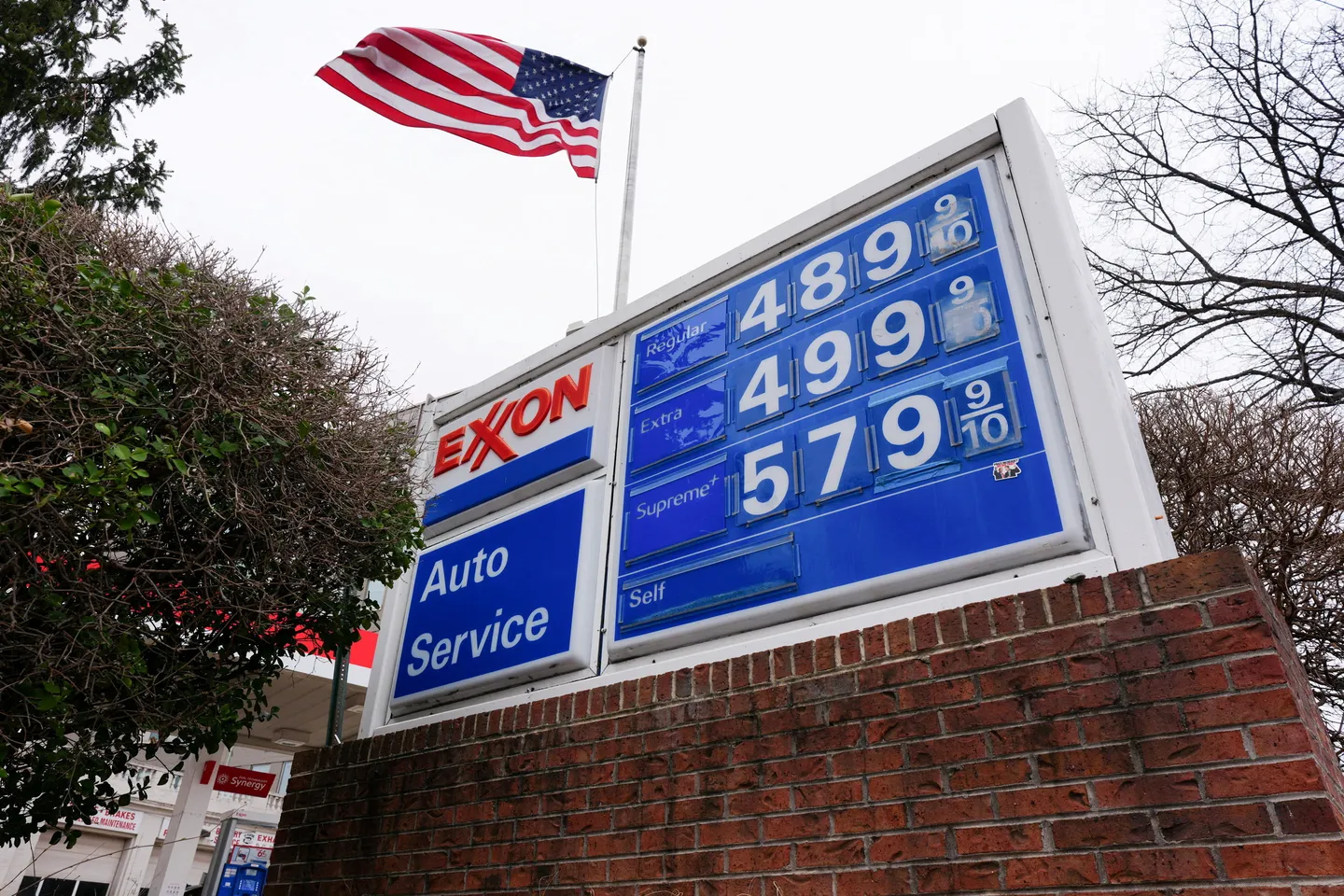
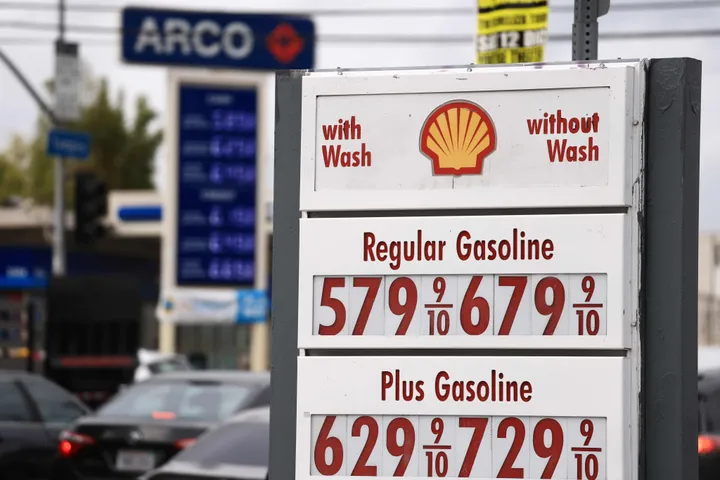
Ongoing financial strains — compounded by high food prices, energy costs, and elevated borrowing rates — have left a strong majority of the electorate seeking substantial political change.
Young Americans, working-class, and retirees
This economic squeeze affects most Americans, though the impact can vary by class.
Working-class families are fearing the worst because jobs, while not falling, are not providing the necessary increase in income to beat or at least match the increase in prices.
Young Americans, however, are arguably suffering the most, as they struggle to secure jobs, which creates additional issues.
According to the Federal Reserve Bank of St. Louis, the FRED Youth Unemployment Rate (Ages 16–24) sat at 9.9 percent, which is more than double the national general unemployment rate of 4.2 percent.
While the broader US economy is not experiencing mass layoffs, companies have shifted into a highly competitive "low-hire, low-fire" cycle.
This lack of natural corporate turnover, paired with automated AI screening filters and an ongoing drop in entry-level listings, has made finding work unusually difficult and impersonal for young adults.
The impact on retirees, by contrast, could be starkly different.
Eugenio Aleman, Chief Economist at Raymond James, says retirees — especially those who managed to save for retirement — could see an advantage.





"Retirees, especially if they have saved for retirement, are doing much better because returns on equity have been very strong, and now fixed income is also starting to be a good place to put their savings," Aleman tells TRT World.
"Since baby boomers have accumulated the largest amount of wealth of any generation, their relative position is better than previous generations."
Those who didn't save for retirement could be disadvantaged, he says.

Disillusioned supporters
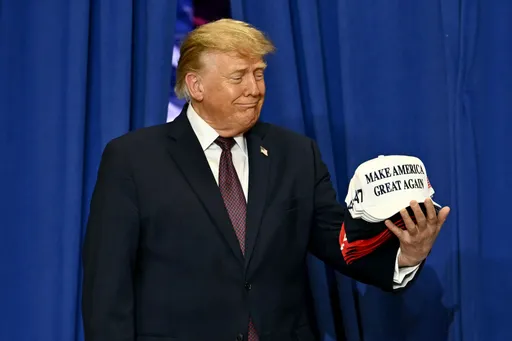
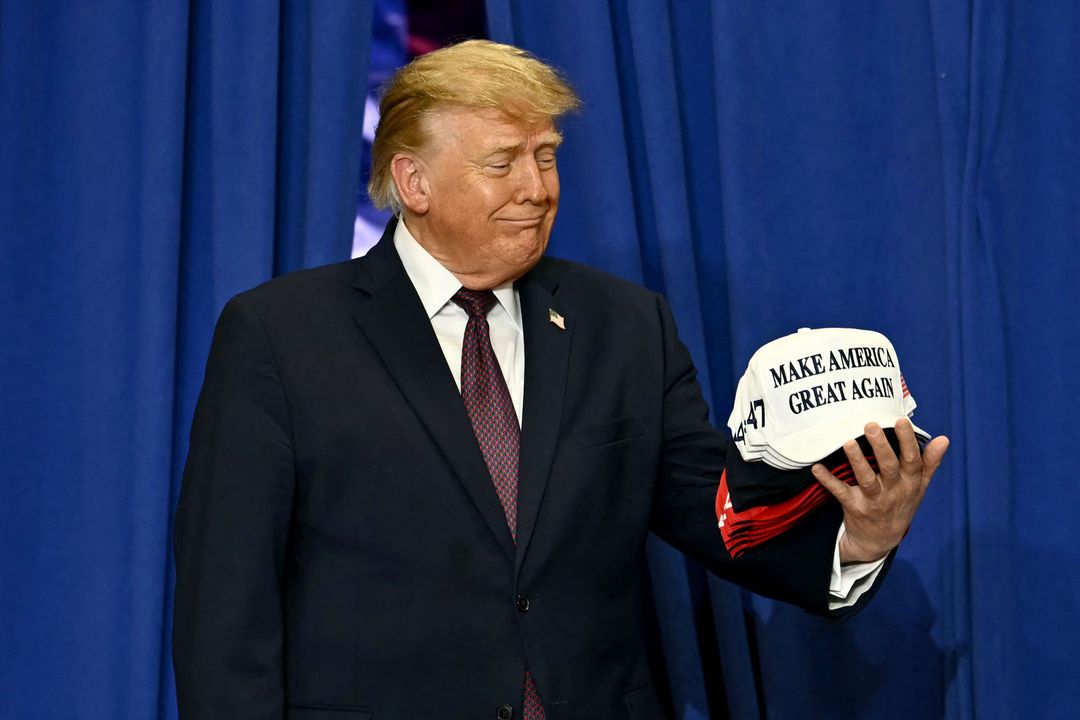
The economic strain has left a sour taste in President Donald Trump supporters' mouths, with many of them now holding a negative view of the GOP.
"Every poll is showing that trend," Aleman says.
"However, how much that will translate into a defeat for Republicans is not that clear," he adds.
The widespread disillusionment does not necessarily mean all of these voters are switching to Democrats; instead, it is creating a severe voter enthusiasm deficit for Republicans.
As many Americans reel under the pressure of inflation and economic uncertainty, the economy could be the most decisive issue in the midterms.
"Because there are lots of unfulfilled promises and people are upset about higher prices. This is affecting Republicans particularly hard because many of these issues are affecting their constituents the most," Aleman says.
"The economy is going to be the decisive factor in swing districts."
The economic picture, however, is not entirely straightforward.
Figures released just days before the election showed the US economy growing at an annual rate of 3.4 percent in the third quarter, but consumer prices also accelerated to 3.6 percent year over year in September.
The contrast captures the political problem facing the administration: strong growth figures may offer reassurance, but they do not necessarily translate into relief for households still struggling with high prices, fuel costs and borrowing expenses.
For voters facing expensive groceries, housing and healthcare, national economic statistics can feel distant from the realities of the monthly budget.
For candidates across the country, the challenge is to convince voters that they understand these pressures and have a plan to address them.
They now have only three days to do so.