 Kazim Alam
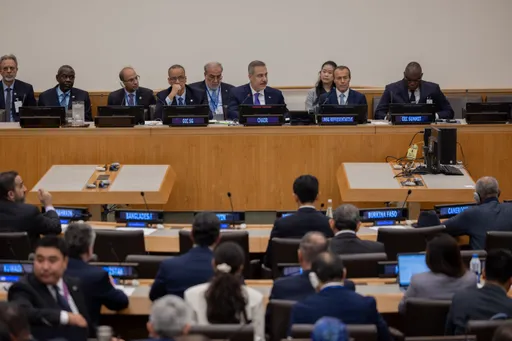
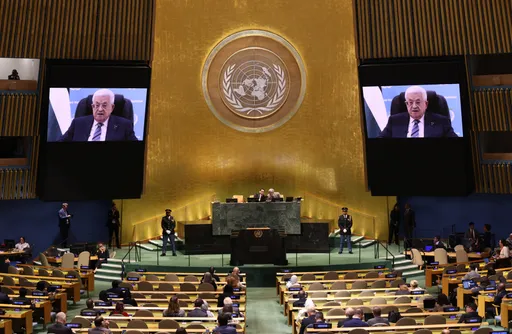
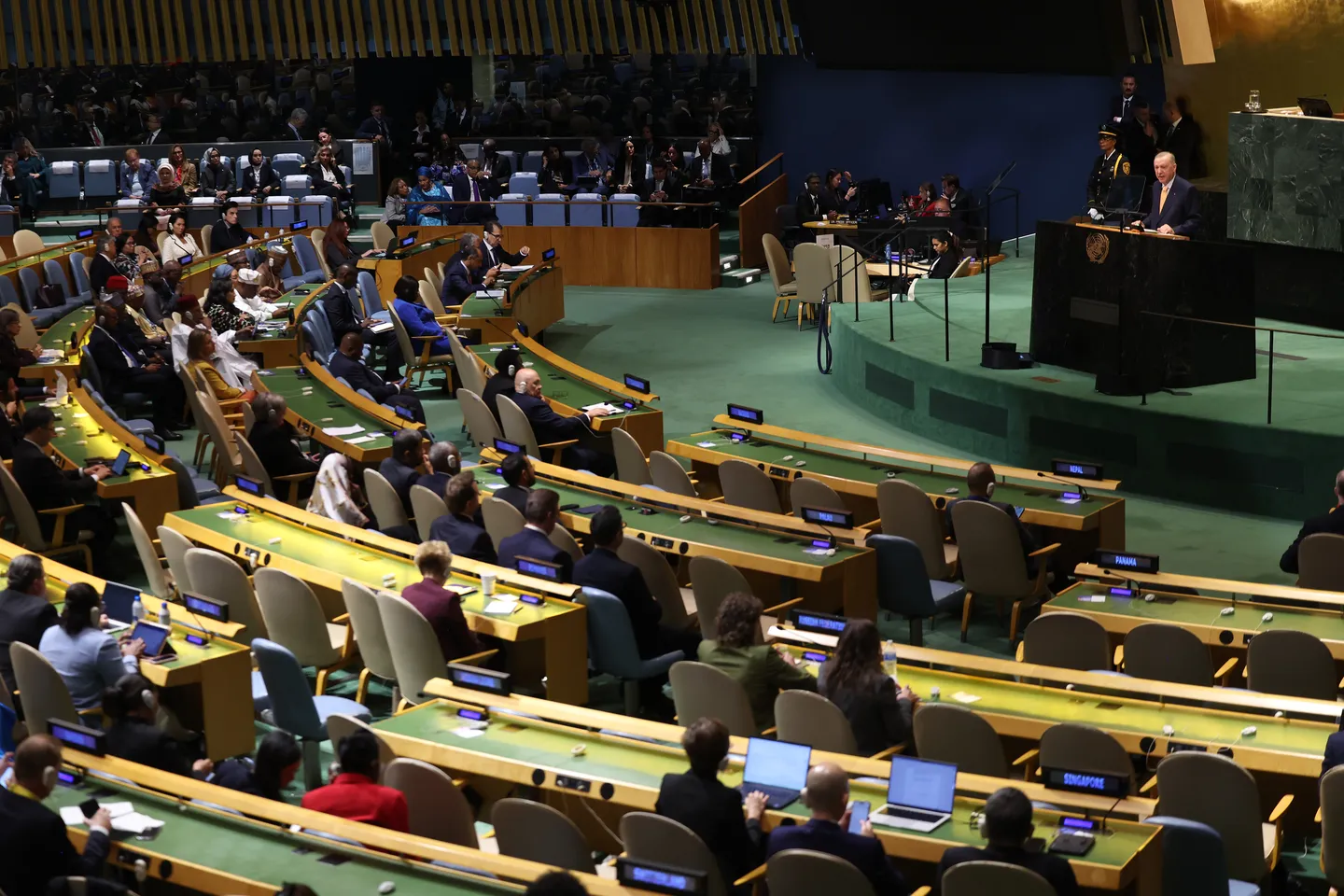
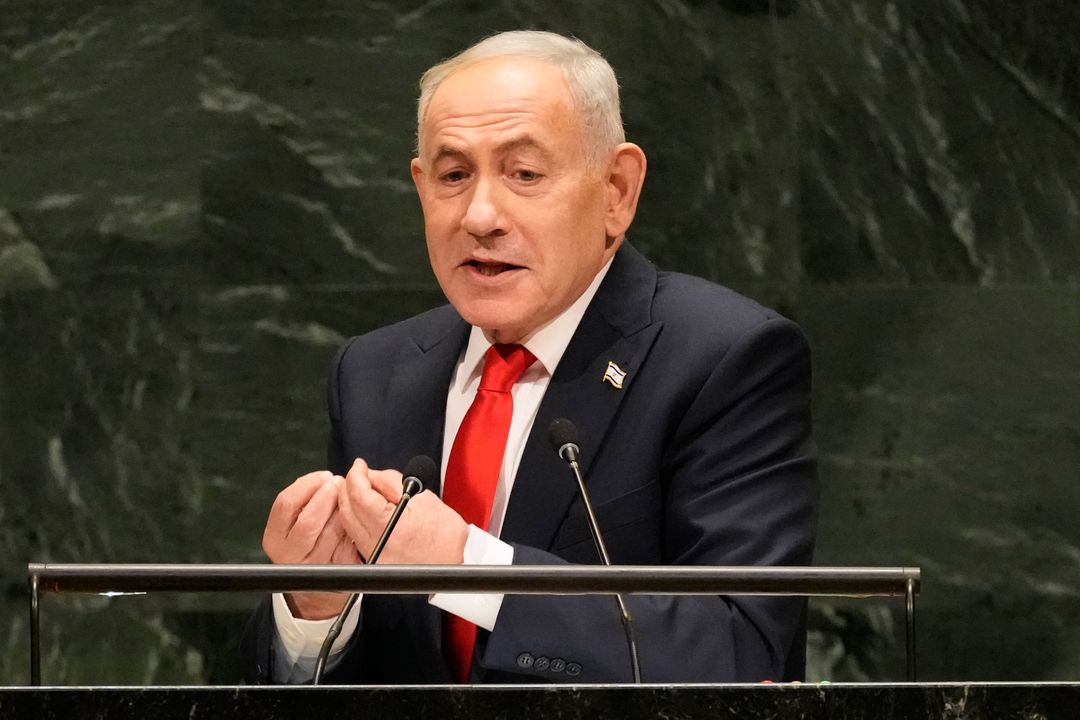
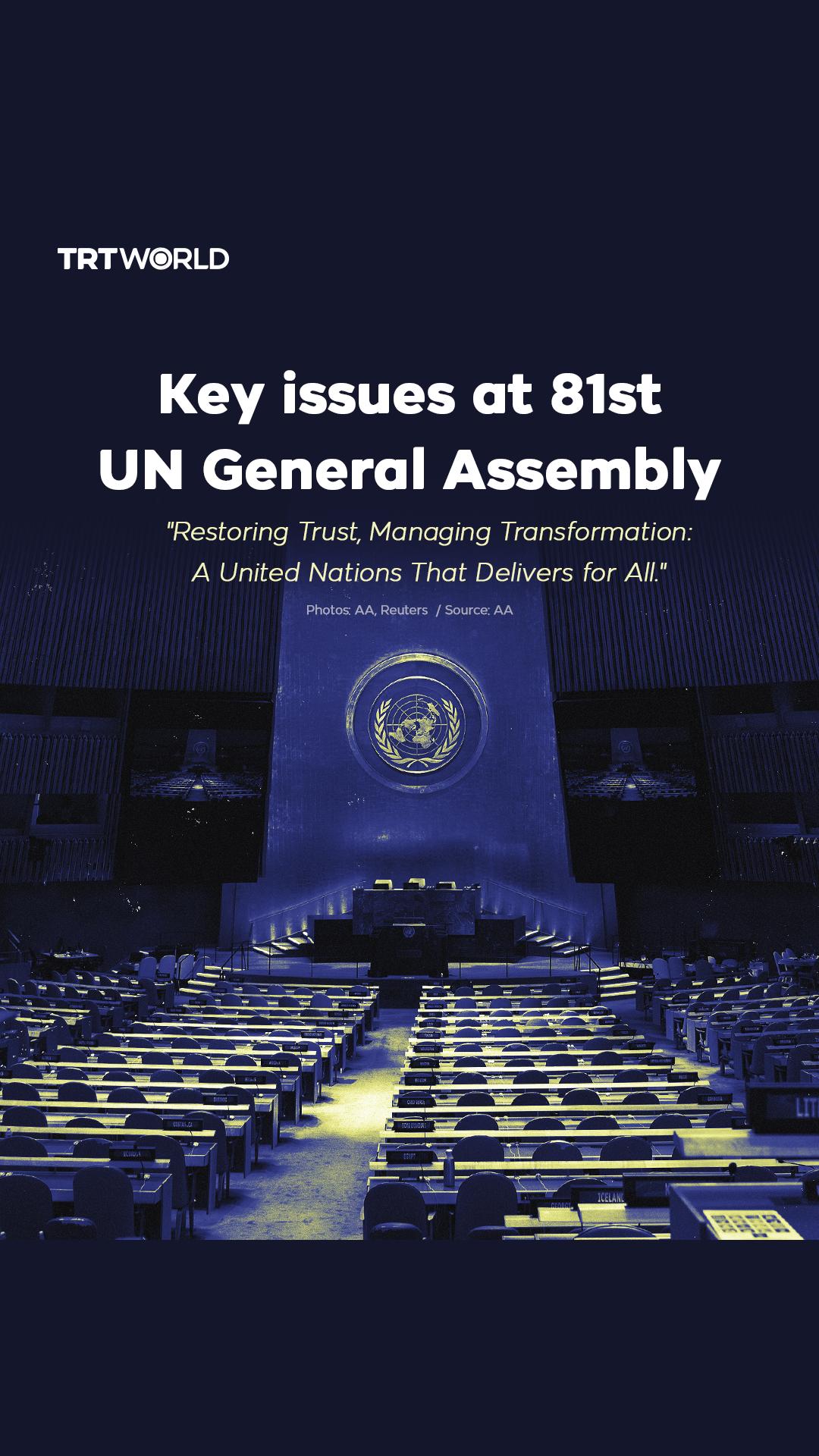
World leaders have taken an unusually critical tone against Israel from the podium of the ongoing UN General Assembly session in New York.
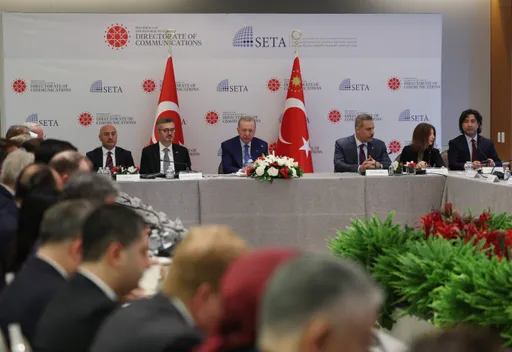
Some of them, such as Turkish President Recep Tayyip Erdogan, have never shied away from highlighting Israel’s atrocities against Palestinians from the global platform.
He told participants of the 81st session that Gaza had become the “most inhumane and shameful concentration camp of our age” and that the world was confronting a genocidal mindset that cannot get enough of killing.
Concern over Gaza has also been voiced by leaders of countries closely aligned with Israel, alongside criticism of the international community’s failure to act.
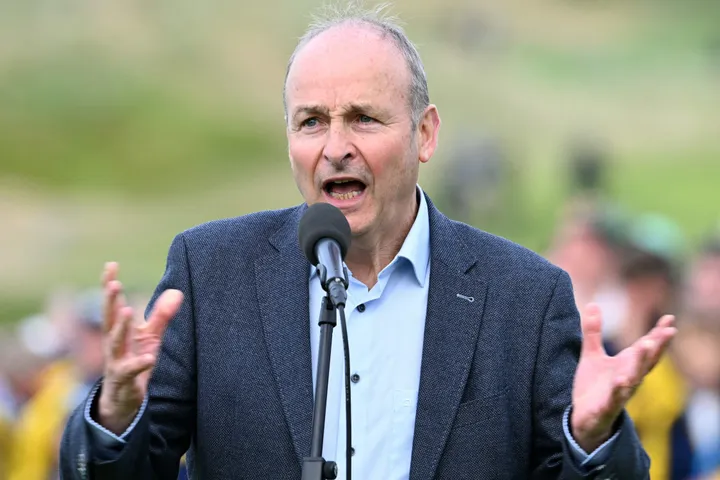
For example, French President Emmanuel Macron said the credibility of the international community is at stake as it continues to remain “inactive” on the plight of Palestinians.
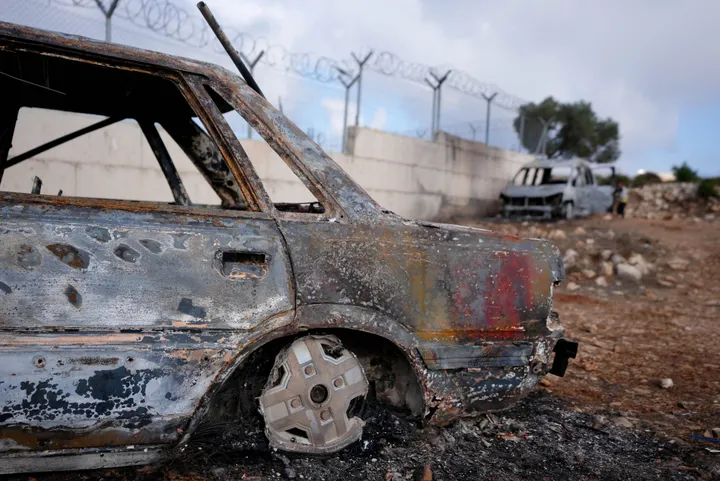
Jordan’s King Abdullah II called the forced displacement of Palestinians in the occupied West Bank a “war crime”.
Meanwhile, UN Secretary General Antonio Guterres said Israeli violence in the occupied West Bank is raising the “spectre of ethnic cleansing”.
Brazilian President Luiz Inacio Lula da Silva said Israeli Prime Minister Benjamin Netanyahu wants to exterminate Gaza’s Palestinian population.
But observers question whether that fury expressed through passionate speeches at the UNGA can take the shape of concrete policy and check Israeli atrocities in Palestine.
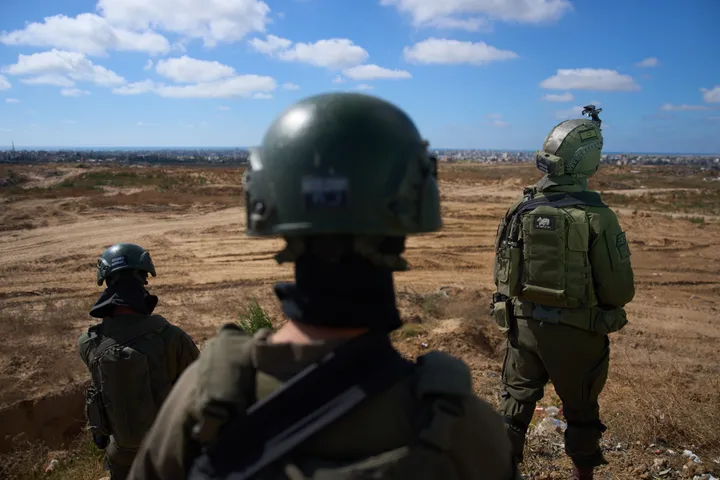
After all, Israel has killed more than 1,400 Palestinians despite the so-called ceasefire of October 2025.
Nasir Qadri, an international law practitioner and critical legal scholar at Koc University in Istanbul, says the ongoing 81st session has been the “most explicit the UN General Assembly has produced in decades” in terms of highlighting Israeli crimes against Palestinians.
“Heads of state naming genocide, indicting war crimes, and demanding the occupation’s end from the UNGA podium… are not expressing positions. They are generating a legal and political record whose consequences extend well beyond the (UN) general debate,” he tells TRT World.
He says states that have publicly named genocide and cited binding International Court of Justice (ICJ) orders cannot subsequently authorise arms transfers or block accountability mechanisms without that conduct being legally characterised as complicity in an “internationally wrongful act”.
“International law has a long memory for what states said before they chose to look away,” he notes.
Qadri says the gap between the UN podium and the policy desk is “where Palestinian lives are lost”.
What distinguishes recent UNGA proceedings from the past speeches at the same forum is that world leaders are “no longer hedging the language”.
“The question is whether their foreign ministries will follow,” he says.
Legal duty versus theatrics
Qadri draws a sharp line between legal duty and theatrics when asked about the instruments – arms embargo, sanctions, international force – that can possibly force Israel to change its policy towards Palestinians.
The ICJ’s provisional measures already require states to prevent genocide and ensure humanitarian access, he insists.
“Every arms transfer to Israel since January 2024 has occurred against that obligation, making an arms embargo not a new policy option but an existing legal duty (that) states are actively breaching,” he says.
The European Union’s Association Agreement with Israel, worth about 42 billion euros a year, contains a human rights clause, commonly known as Article 2, that has gone unused “across three decades of documented violations”.
Invoking Article 2 of the association agreement needs “no Security Council vote” and no American consent – “only the political will that Macron’s UNGA speech suggests (the European Union) is approaching”.


In contrast, deployment of an international protection force carries the “highest rhetorical frequency” and the “lowest operational prospect”, thanks to repeated US vetoes in favour of Tel Aviv.
He says the back-to-back UNGA speeches, sharply critical of Israel, have produced a documented record of states naming genocide, while choosing inaction knowingly – something that will create the “evidentiary foundation” for accountability long after the UNGA ends.
Mustafa Yetim, professor of international relations at Eskisehir Osmangazi University, tells TRT World that he is sceptical of rhetoric that stays mostly on paper and never translates into action.
“The measures taken thus far have not produced a substantial impact on Israel’s ongoing disruptive, genocidal actions in the region, as many of them have remained largely cosmetic and symbolic,” he says.
If European governments genuinely intend to isolate Israel, they will have to reconsider not only official language, but also “institutional and material support”, including military, economic and political ties.
Europe adopted far more consequential measures against Russia after launching the war with Ukraine, he says.
That contrast raises questions about the consistency, sincerity, and credibility of European responses to different wars, he adds.
“The gap between rhetorical criticism and substantive policy measures remains a central challenge to the credibility of Europe’s stated commitment to international law,” Yetim says.
The cost of being on history’s right side
Matching UN language with actual policy would not be cost-free for world leaders with newfound sympathy for Palestinians.
Qadri says the price for some Arab governments may be the security architecture that keeps them in power.
Many of these countries have defence partnerships, intelligence-sharing arrangements and US security guarantees that, in his words, flow through bilateral relationships “requiring silence on Palestine” as an unspoken condition.
According to Yetim, Israel is unlikely to alter its policies without facing tangible consequences.
Arab states, therefore, should develop new mechanisms capable of imposing meaningful costs on Israel, he says.
Without those mechanisms, these governments remain “vulnerable to continued disruptive actions” by Israel, he adds.
In Qadri’s view, European governments will have to sacrifice the domestic coalitions that depend on not being seen to act against Israel.
For example, Germany’s constitutional guilt framework has functioned as a legal argument against conditioning arms exports to Israel, he says.
Abandoning it will require acknowledging that Holocaust memory “obligates protection of civilian life universally” rather than selectively.
For France, which has recognised Palestinian statehood, the sacrifice will be invoking the EU Association Agreement’s human rights clause, a step that will fracture the consensus insulating trade from accountability, he says.
Western governments draw the line between bluster and action “precisely where the cost becomes domestic” rather than rhetorical.
“The line holds because no Western government has yet been compelled (to act) by its own legal obligations, its own courts, or its own public (on) arms transfers to a state under ICJ genocide proceedings,” he says.