 Sadiq S Bhat
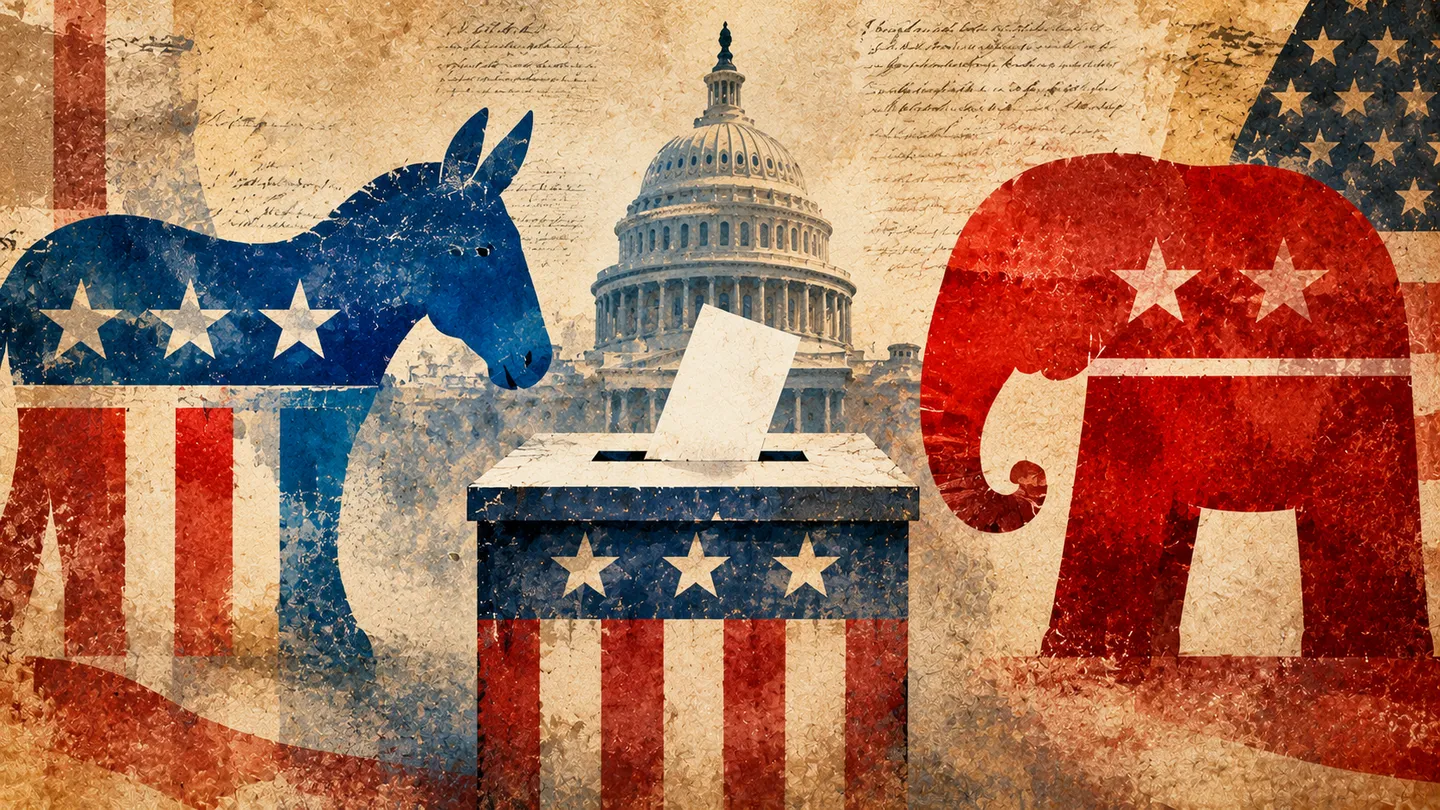
Washington, DC — Most election nights are remembered for who won the House and the Senate. The 2026 US midterms may be remembered for who won the referee’s whistle.
There has been a reshuffle of power in the US Congress, and the cable panels will chew on that for weeks. But the quieter story sits a few lines down the ballot.
In three US states - Georgia, Ohio and Indiana - Democrats wrested control of offices responsible for overseeing elections from Republicans.
These officials, known as secretaries of state (SOS), help administer voting, maintain voter registration records and oversee key electoral procedures. Their victories raise a question: could the change in leadership influence how America's next presidential election is conducted in 2028?
Not nearly as much as some might imagine.
Two leading American election experts told TRT World that the Democratic victories represent a significant political shift. Sure, the experts call it a real shift, but they add a warning: running the polls is not the same as picking the president.
Charles Stewart III, a political scientist at the Massachusetts Institute of Technology (MIT) and director of its Election Data and Science Lab, is sceptical.
"As a general matter, secretaries of state have authority only on the margins, and even that authority is subject to judicial review," Stewart told TRT World.
In Georgia, Democrat Penny Brown Reynolds defeated Republican Tim Fleming. In Ohio, Democrat Allison Russo defeated Republican Robert Sprague, while Beau Bayh captured Indiana's secretary of state office for the Democrats.
The victories were part of a wider Democratic surge that reached beyond the congressional contests dominating national headlines.
But unlike elections for Congress, which determine who writes federal laws, these state-level contests help decide who administers voting when Americans choose their next president.
Power behind ballot
Unlike many countries where a central national authority supervises elections, the US relies on a decentralised system in which states, and often counties within them, administer voting.
It is here that the secretaries of state play an important role, although their powers vary.
Depending on state law, they may oversee voter registration databases, issue administrative guidance, manage voting technology and participate in certifying results.
Thessalia Merivaki, director of the Thomas S. Foley Institute of Public Policy and Public Service at Washington State University, believes the Democratic victories reflect dissatisfaction extending beyond individual candidates.
"The Democratic gains are significant, as they reflect a general dissatisfaction with how Republicans govern in all domains, including elections," Merivaki told TRT World.
She considers Ohio particularly consequential.
The state's outgoing Republican secretary of state, Frank LaRose, has faced criticism over policies involving the removal of voters from electoral rolls.
Merivaki also points to controversy surrounding LaRose's involvement in a 2023 abortion-related ballot initiative, when critics accused him of blurring the distinction between his responsibilities as an election official and his partisan political role.
Under the federal Help America Vote Act, states designate chief election officials to coordinate certain election administration responsibilities, including voter registration systems.
Disputes over removing names from electoral rolls and maintaining registration records have generated litigation in several states, including Ohio and Georgia. Such decisions can affect voters, particularly when eligible citizens are mistakenly removed.
But Merivaki stops short of suggesting that the newly elected Democrats will fundamentally change how elections operate.
She notes that officials are constrained by state and federal laws, with courts providing another safeguard against decisions that exceed their authority.
Georgia's peculiar problem
Georgia presents another test.
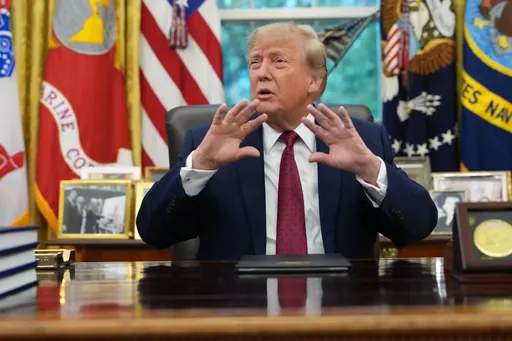
The southern state became the centre of controversy after the 2020 presidential election, when Republican secretary of state Brad Raffensperger resisted pressure from President Trump to revisit the state's results.
His office will now pass to Democrat Penny Brown Reynolds, following her victory in Tuesday's midterm elections.
But she inherits a complicated relationship with Georgia's State Election Board.




Following the 2020 election, Republican lawmakers removed the secretary of state from the board, separating some election oversight responsibilities from the office.
"The new Georgia SOS will probably have the most difficult time because the state legislature took the SOS off the state elections board," Stewart said.
Georgia has become an important presidential battleground, where narrow electoral margins make the administration of voting a subject of intense scrutiny. The state also faces the task of implementing a new voting system ahead of 2028.
Yet Stewart cautions against assuming that control of the secretary of state's office gives either party command over the electoral process.
In Georgia, Ohio and Indiana, county election officials retain considerable independent authority.
"They may have authority on the margins, but in general, they have much less independent authority over administering elections in the states than people commonly believe," he said.
Unlikely Democratic breakthrough
Indiana offers a different explanation for the Democrats' success.
The Republican-leaning state elected Beau Bayh as secretary of state after a campaign overshadowed by controversy surrounding the outgoing Republican administration.
Diego Morales, the incumbent secretary of state, failed to secure renomination at the Republican state convention.
Republicans instead nominated Max Engling, who lost to Bayh.
Stewart says the controversies surrounding Morales may have contributed to wider dissatisfaction with Republicans, although he cautions that he did not follow the contest closely enough to establish that connection.
The result illustrates how even relatively obscure state-level offices can become caught up in wider questions of governance and public trust.
But Stewart warns against assuming that Republican election officials were necessarily less committed to conducting fair elections.
Political affiliation alone, he says, does not establish how faithfully an official will implement the law.
What could change in 2028?
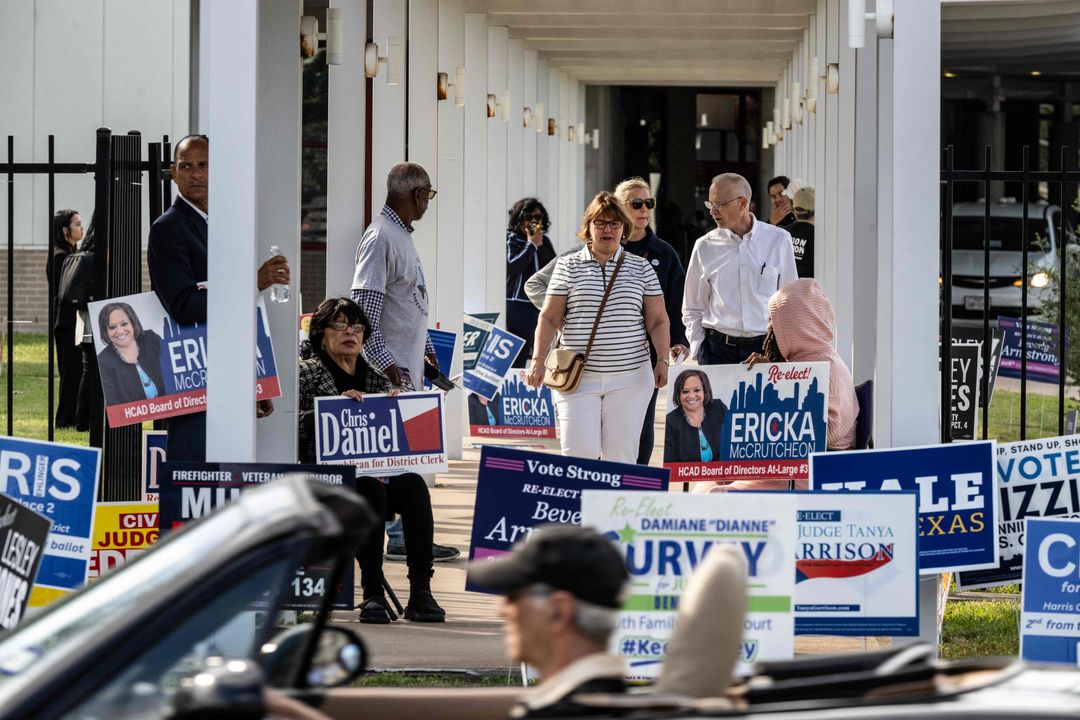
The next presidential election is two years away, but the newly elected officials will inherit responsibilities involving voter registration, electoral rolls, ballot access, voting technology and the reporting of results.
Merivaki says voter list maintenance remains particularly contentious, with disputes generating controversy in states including Ohio and Georgia.
New leadership could influence administrative priorities, how existing rules are implemented and how election offices communicate with voters.
Stewart argues that the different histories of Georgia, Indiana and Ohio deserve more attention than assumptions about which party controls their election offices.
He also identifies another problem worth addressing before 2028: laws and procedures that make it difficult to report election results quickly.
Delays in counting and reporting votes have become politically sensitive, particularly when close contests remain unresolved for days.
Such delays do not necessarily indicate irregularities.
Merivaki believes the incoming officials will have an opportunity to demonstrate their commitment to impartial administration while navigating politically sensitive decisions.
Stewart sees little reason to assume that changing party control will fundamentally alter election integrity.
"The incumbent SOS's vary in how partisan they are, but I would trust all of them to ensure that the rules and laws are followed in their states, as I would expect to happen with the new Secretaries," he said.