 Sadiq S Bhat
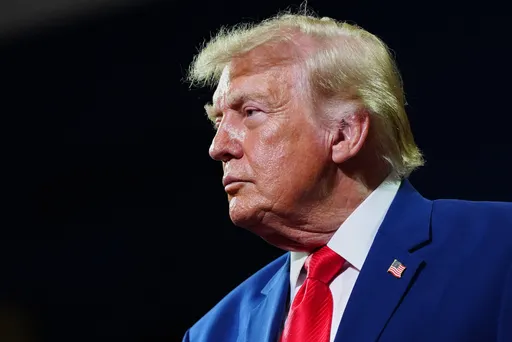
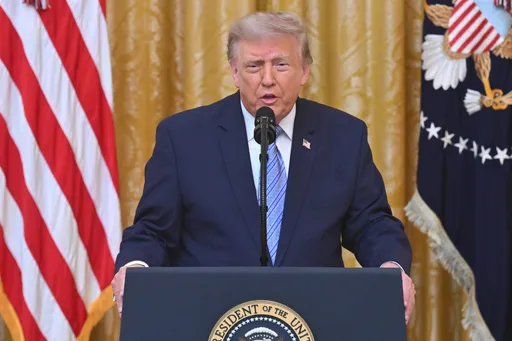
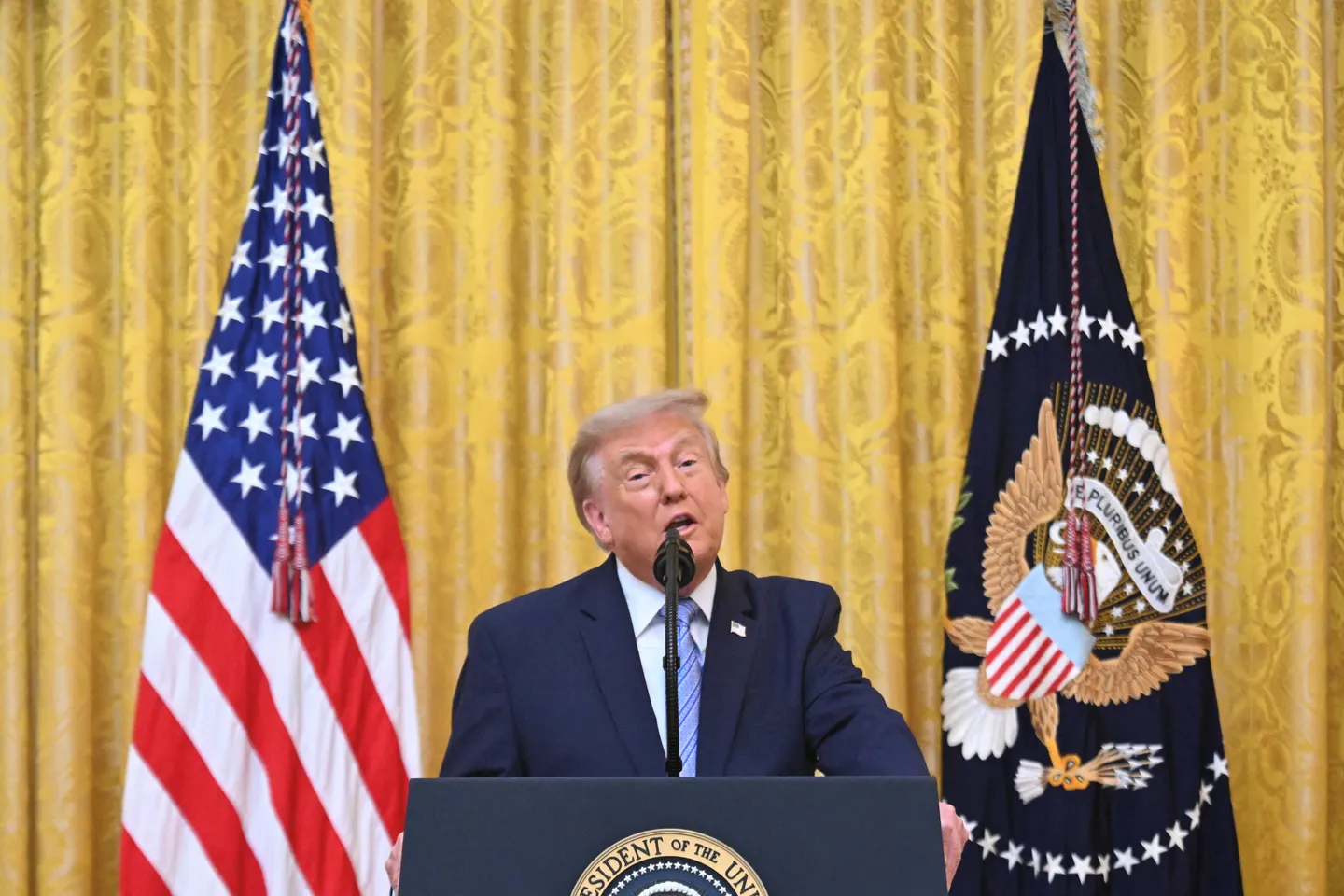
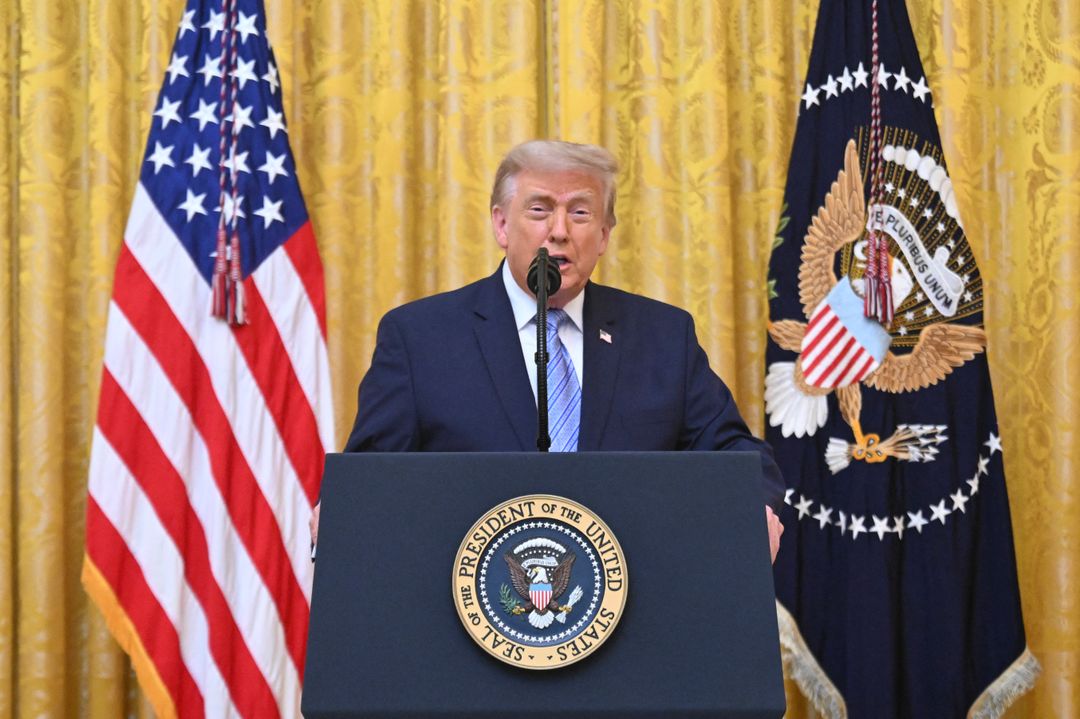
Washington, DC — US President Donald Trump has delivered a high-voltage primetime address from the White House, focusing on alleged vulnerabilities in America’s election system.
In the speech, which lasted just under half an hour, US president declassified a series of intelligence documents and called for tougher election safeguards ahead of the crucial November 2026 midterm elections.
Not surprisingly, the address has drawn worldwide attention as the US prepares for a major electoral contest, with Trump highlighting the risks of foreign interference and pushing for legislative changes.
He also criticised major US news networks for not carrying his speech, calling for the broadcasters to lose their licences over what he described as unfair treatment.
Here are our six major takeaways from Trump’s hard-hitting primetime speech that could reshape the 2026 election race as Washington braces for a major political storm.
1. Declassification of election security documents
Trump addressed the nation from the White House on July 16, 2026, announcing the declassification of documents that he said exposed significant weaknesses in the US election system.
He described the system as "catastrophically short" of required standards and pointed to previously known concerns, including foreign efforts to gather voter data, as evidence of broader vulnerabilities that he argued had not received sufficient attention.
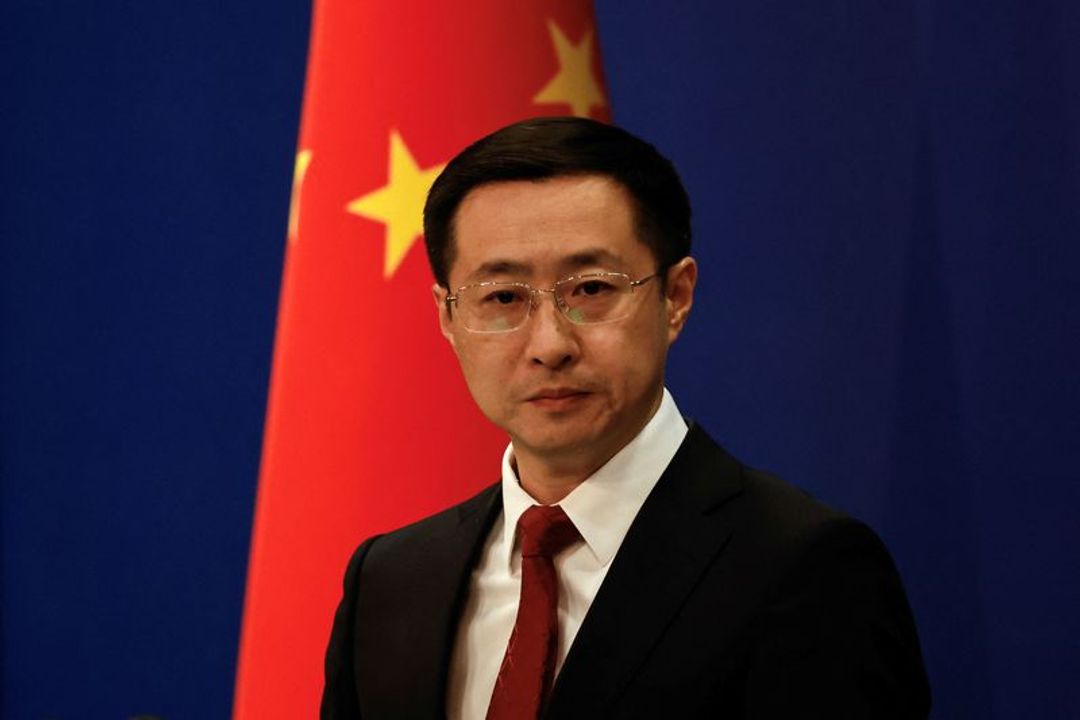
2. Claims of Chinese access to voter data
Trump said China had obtained hundreds of millions of US voter records across multiple states, with the effort dating back to at least the 2020 election cycle.
He cited intelligence that he said showed Chinese attempts to collect voter information and conduct influence operations.
A 2021 US intelligence assessment acknowledged that China had gathered voter data since at least 2008, but concluded there was no evidence Beijing interfered to alter the outcome of the 2020 election.
Critics say Trump’s account overstates the scale of Chinese interference.
3. Venezuela and voting machine concerns
The US president also referred to intelligence that he said highlighted Venezuelan capabilities to manipulate voting machines.
He argued this demonstrated the need to strengthen protections against hacking and other cyber threats before the 2026 midterm elections.
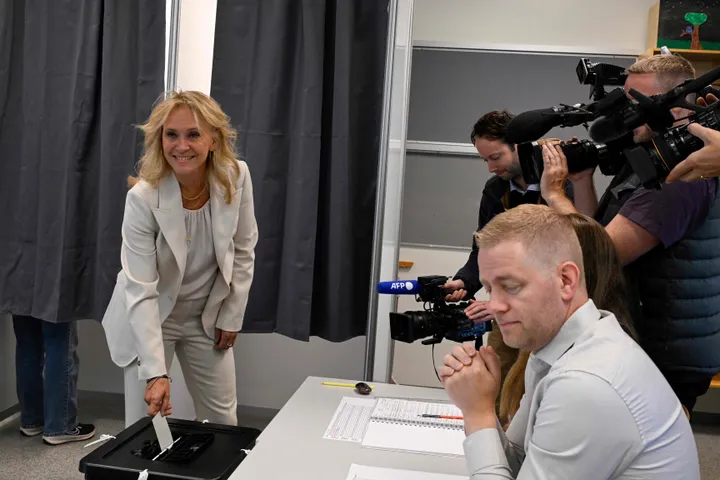
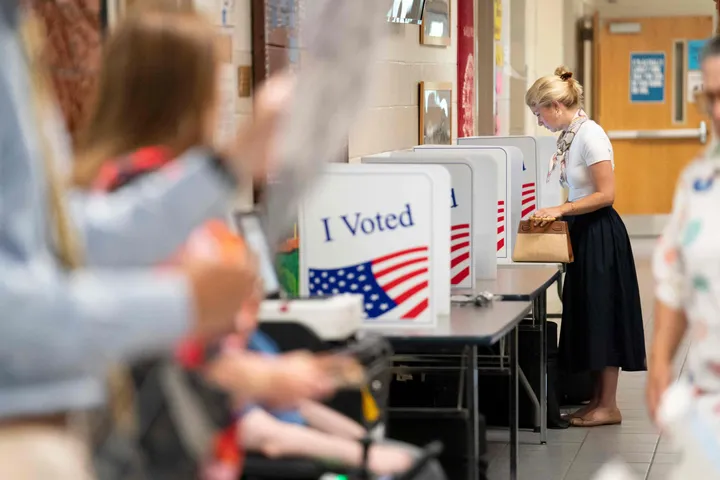


Some election officials and previous government reviews have described allegations of foreign control over US voting systems as unsubstantiated.
4. Allegations of noncitizen voter registrations
Trump said an investigation had found that more than 250,000 noncitizens were registered to vote in certain states, based on data provided by cooperating state authorities.
He presented the findings as further evidence that the election system remains vulnerable to abuse.
Some states declined to share complete voter rolls, citing concerns about privacy and how the information could be used.
5. Accusations of cover-ups and calls for reform
The US president accused members of the intelligence community and what he described as the "deep state" of withholding information about foreign activities and election vulnerabilities from both him and Congress during his first term.
He referred to ongoing reviews, including a possible FBI examination of election-related issues in states such as Michigan. Trump urged Congress to pass the SAVE America Act, which includes provisions on voter identification, proof of citizenship and restrictions on mail-in voting.
A failure to approve the legislation would raise questions about lawmakers' commitment to election security, the president said.
6. Warning ahead of future elections
Trump said his administration would work with states to reduce election security risks and better protect voter data before the 2026 midterms.
While he avoided revisiting the details of the 2020 election at length, he argued that public confidence in the electoral system had been damaged and that reforms were necessary.
Democratic governors later issued a joint statement expressing concern that the speech could undermine trust in US elections.
Supporters of the president described the address as an important step towards strengthening election integrity.