 Sadiq S Bhat
Washington, DC — A single television advertisement has brought US-Canada trade talks to a grinding halt.
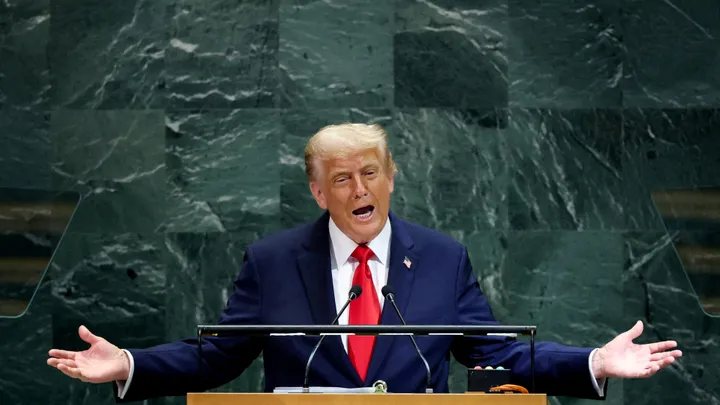
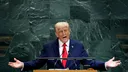
On October 23, 2025, US President Donald Trump announced the immediate termination of all negotiations with Canada, citing a 60-second spot from Ontario that repurposed a 1987 radio address by President Ronald Reagan to attack his tariffs.
What started as a local protest against US tariffs on steel, aluminium, autos, lumber, and copper has now erupted into a diplomatic storm, shaking the core of the USMCA (United States–Mexico–Canada Agreement, a pact that replaced the North American Free Trade Agreement in 2020).
The ad in question opens with images of shuttered factories, rising prices, and empty shop floors. This follows Reagan’s voice delivering excerpt from his April 25, 1987, radio address: "But over the long run, such trade barriers hurt every American, worker, and consumer. High tariffs inevitably lead to retaliation by foreign countries and the triggering of fierce trade wars. Then the worst happens. Markets shrink and collapse, businesses and industries shut down, and millions of people lose their jobs."
A narrator then drives the point home: "Tariffs don't protect jobs—they kill them." The spot closes, urging viewers to contact their representatives and noting it is funded by Ontario Premier Doug Ford’s office.
Ford, a vocal critic of Trump's tariffs, aimed at highlighting the economic fallout of protectionist duties.
The US tariffs, introduced earlier in 2025, struck at Ontario's industrial core, dealing a huge blow to its auto and metals sectors just as Canadian Trade Minister Dominic LeBlanc prepared to meet US Commerce Secretary Howard Lutnick.
Ford saw the reaction coming. "We’re using public domain material to tell the truth," he wrote on social media.
Trump responded with fury. On Truth Social, he branded the ad "FAKE," accusing Canada of "fraudulently" editing Reagan's words to "interfere with the decision of the U.S. Supreme Court, and other courts."
He insisted Reagan "LOVED TARIFFS FOR OUR COUNTRY," framing the ad as an attack on national security.
The White House dismissed Canadian offers of conciliatory gestures, including a lighthearted World Series bet.
The Ronald Reagan Presidential Foundation also jumped in and condemned the ad for misrepresenting Reagan's address, noting it advocated "free and fair trade" rather than blanket opposition to tariffs.
The fallout was immediate. Trump declared: "ALL TRADE NEGOTIATIONS WITH CANADA ARE HEREBY TERMINATED," suspending LeBlanc-Lutnick talks and casting uncertainty over USMCA revisions.
"Policy disagreement"
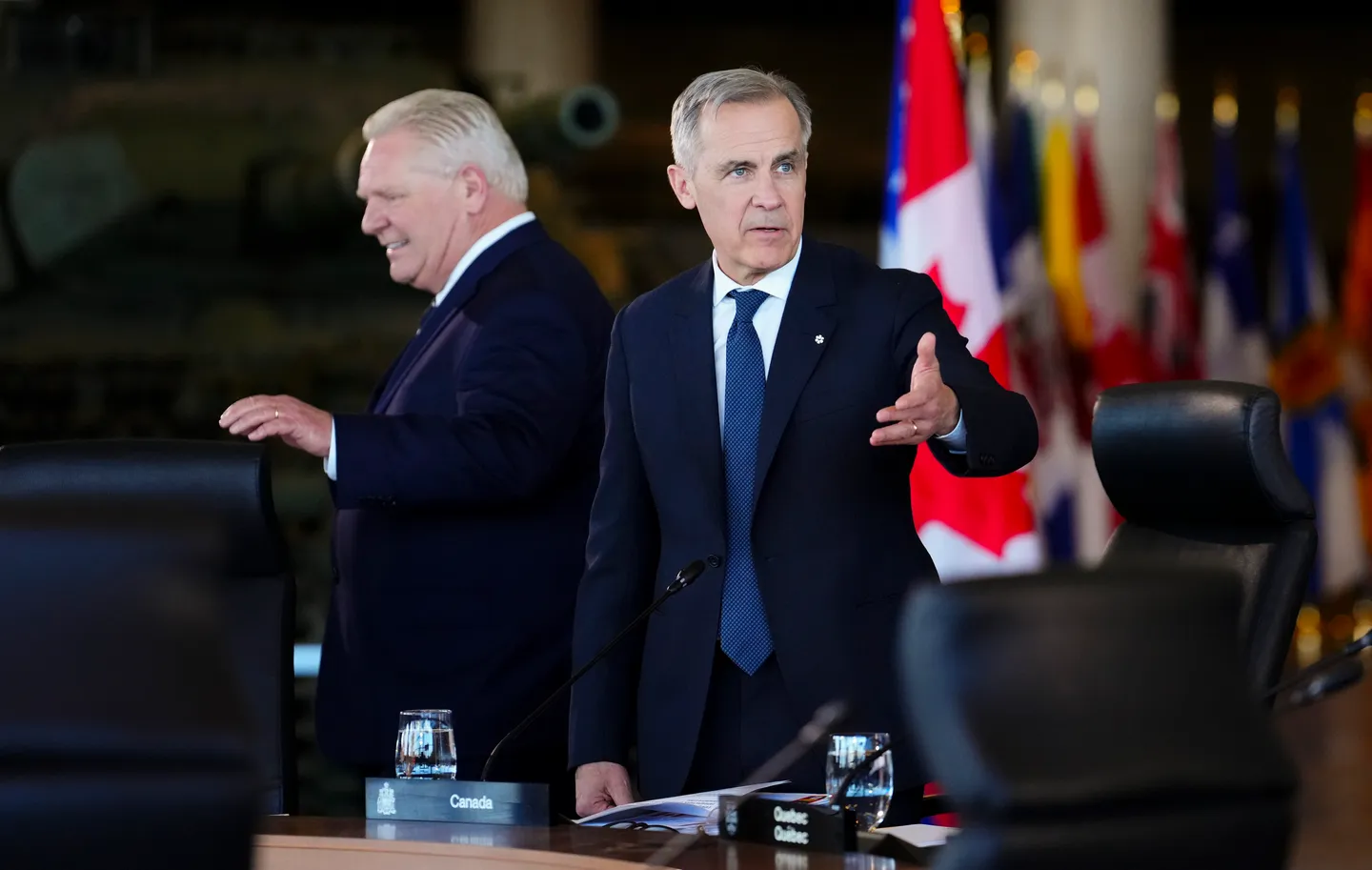
Canada's Prime Minister Mark Carney attempted to quell the fire, telling Toronto's RED-FM he was ready to engage: "We're ready to make a bet with the U.S.... on constructive negotiations."




The Ontario ad was scheduled to air during the World Series, threatening further escalation.
Ford's hometown Toronto Blue Jays are set to host the Los Angeles Dodgers for the first game of the Series on Friday night. Game 2 is scheduled for Saturday night in Toronto.
Canadian officials called the halt a "policy disagreement," with Carney noting tariffs ultimately burden consumers.
Ford, meanwhile, defended the ad, pointing to the unedited clip’s public availability.
At the heart of the dispute is Ronald Reagan’s legacy.
Reaganomics, built on tax cuts, deregulation, and faith in supply-side growth, led to a wave of enterprise but deepened the gap between rich and poor.
On trade, Reagan was a liberal: a supporter of open markets to boost competitiveness.
The 40th US President negotiated the 1988 US-Canada Free Trade Agreement, eliminating tariffs on most goods and services over a decade.
Reagan was famous for saying that protectionism was like "locking yourself in your house to avoid burglars, except the burglars are your customers."
"Impact of tariffs"
Yet Reagan wielded tariffs pragmatically. He imposed duties on Japanese semiconductors in 1986 and European tariffs to counter subsidies in 1987.
Between 1981-1988, his administration levied more than 20 such measures across motorcycles, machine tools, and beef.
Analysts note Reagan viewed tariffs as bargaining chips, not absolutes, a distinction lost on Trump's critics and seized by Ontario’s ad.
With the diplomatic row over the ad growing, Ford said on Friday that the province will pause airing television ads featuring Reagan after World Series games this weekend so that US-Canada "trade talks can resume."
Ford said he spoke with Prime Minister Carney before deciding to pause the ad, effective Monday.
"Our intention was always to initiate a conversation about the kind of economy that Americans want to build and the impact of tariffs on workers and businesses," he noted.