 Husam Maarouf
Less than a year after a ceasefire agreement between Israel and the Hamas resistance group supposedly came into effect, many families in Gaza say the war has never truly ended.
According to officials and media reports, Israeli strikes have continued, thousands remain displaced, and for those living with the war's physical and psychological scars, daily life is still shaped by loss and uncertainty.
For Salem Abu Kuwaik, that reality begins every morning with a message that no longer arrives.
"I've arrived."
It was the text his wife, Salma, sent each day after reaching work safely.
Salma left her tent sheltering displaced people as she did every day, heading to her job as a social counsellor at a displacement shelter in northern Gaza, just a few kilometres away.
Although the roads remain dangerous and the war continues, she had little option but to keep working after an Israeli strike destroyed her husband's shop, which was their primary source of income.
She had become the sole provider for their family of seven.
One morning, Abu Kuwaik says panic took hold of him when he did not receive the daily message from his wife.
On her way to work, Salma was injured in an Israeli strike in the al-Ghazali area of northern Gaza. Shrapnel lodged near her brain, leaving her unconscious.
She has remained in Al Shifa Hospital ever since.
"I thought about asking her to resign a thousand times," he tells TRT World.
"I was afraid for her. But I didn't have another option. I was trying to rebuild my work and find a way to support the family again."
Their 14-year-old son, Adam, recalls his mother telling him, “I am with you, do not be afraid”.
"When I visit her in the hospital, I go close to her ears every time and tell her: don't be afraid. We are all with you."
Before the strike, Salma was part of every detail of Adam's life. She prepared his meals, combed his hair, helped him choose his clothes and followed his studies.
"I show the picture to my brothers and sisters so they don't forget her smile. I tell them she is only sleeping, and she will wake up soon."
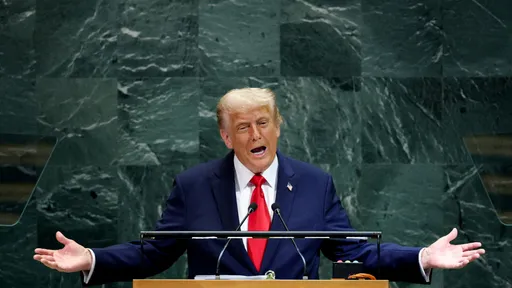
On July 30, US President Donald Trump announced what he described as a "historic agreement" to move the ceasefire into its next phase, centred on the disarmament of Hamas and other armed groups. But the deal quickly stalled.
Hamas said it would not implement the agreement unless Israel halted its attacks and withdrew its forces, while Israel insisted it would not withdraw until Hamas was fully disarmed.
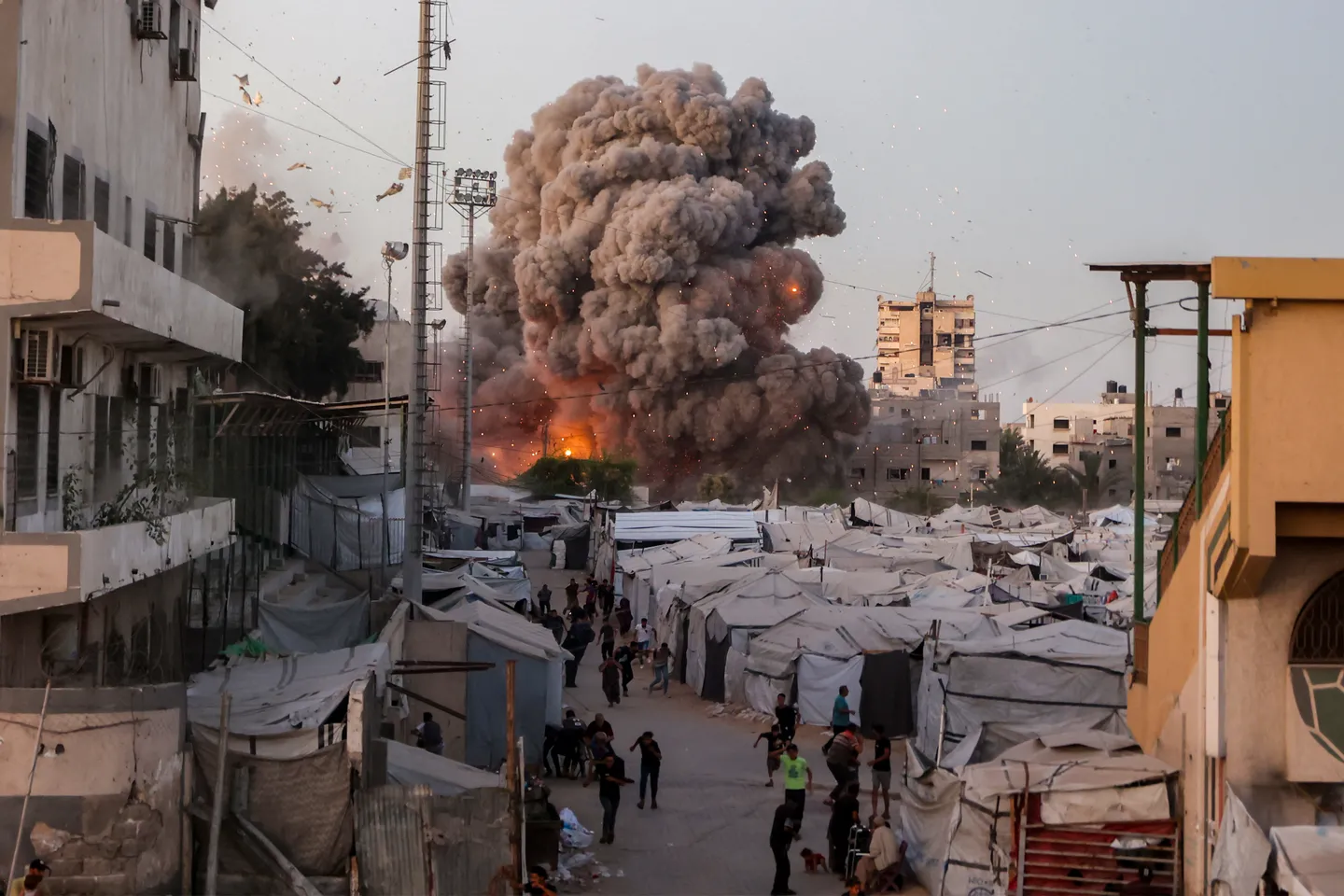
With that deadlock unresolved, Israeli strikes continued across Gaza.
According to Gaza's Health Ministry, more than 1,000 Palestinians have been killed and over 4,100 have been wounded since the ceasefire, considered the first phase of the truce, took effect in October 2025.
One hand
At the crowded al-Saraya Junction, one of the busiest intersections in central Gaza City, Mohammed Nayef spends his days trying to rebuild a life.
From a small roadside stall, he calls out to customers, selling household cleaning products and other basic items.
His right arm ends above the wrist, which was amputated after an Israeli strike almost a year ago.
Nayef, 46, is the father of five children.
Before the war, he owned a poultry shop, a chicken farm and a home in Gaza City's Shuja'iyya neighbourhood.
Today, he sells whatever he can carry with one hand.
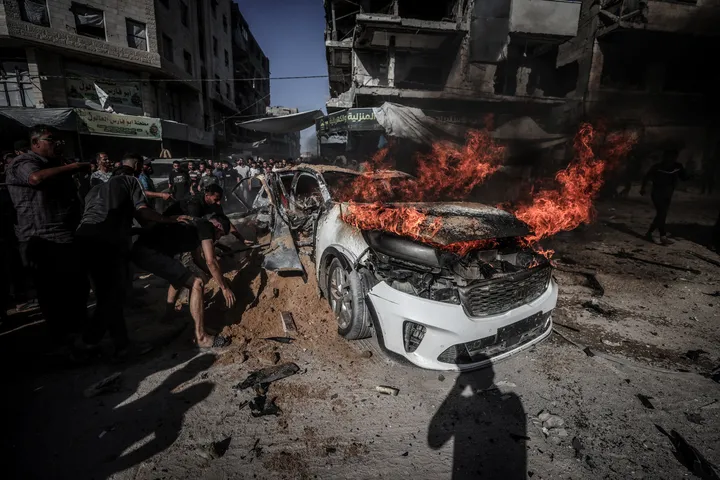
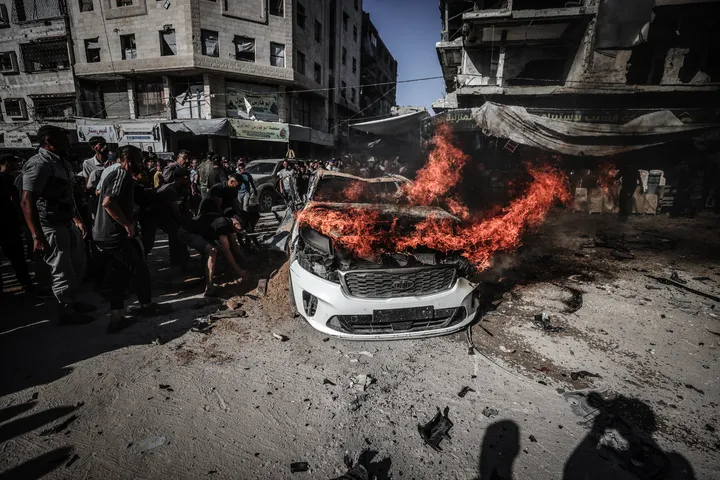

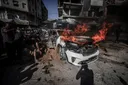
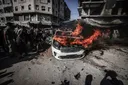
The Israeli strike targeted a vehicle nearby at the al-Saraya Junction, killing at least 10 people and injuring dozens of others in the area. Nayef was among those whose lives changed that day.
"I was among civilians, vendors and people passing by. I was not in a fighting area."
Each time an aircraft passes overhead, he looks up before returning to his customers.
"I have started watching the sky without even realising it," he tells TRT World.
After losing his hand, he considered moving his stall elsewhere.
"But I changed my mind," he says. "There is no point because I believe every place in Gaza can be targeted."
Every day, he visits wholesalers, selects the products he wants to sell, and carries boxes with one hand.
"The feeling of disability is painful. More than once, I hid from people I knew from university. I did not want them to see me with pity."
According to Gaza's Health Ministry, July was the deadliest month of the year, with 152 Palestinians killed.
On August 1, Gaza's Civil Defence concluded a two-week search through the rubble of a flattened home in the Sabra neighbourhood, recovering 112 bodies, including 40 children.
Another 157 people remained missing, according to rescue official Mohammed Abu Dan, who said the force of the explosions had fused some victims into the concrete.
Outfit of death
After months of war, ordinary moments had become rare in Gaza, Naema Abdel Hadi says, adding that a trip to the market and a new outfit for Eid celebrations were small attempts to give her children a sense that their childhood had not entirely disappeared.
In May, during the Eid al-Adha celebrations, Naema entered a crowded clothing shop with her children while her husband waited outside.
As she shopped with her children, an Israeli strike hit a passing vehicle outside the clothing store.
She ran outside searching for her husband and found him lying on the street, covered in blood.
"We went out to make our children happy for Eid," she says. "Instead, we returned to a funeral and a lifetime of loss."
Her eldest daughter, 12-year-old Raghad, has not worn the clothes they bought that day.
Her mother says she refuses even to look at them because they remind her of the final moments before her father disappeared.
"If we had not gone to buy Eid clothes, Dad would still be with us," Raghad says.
Her younger sister, nine-year-old Shaimaa, is now afraid to leave the tent unless her mother is beside her.
Holding her mother's hand, she says: "I'm afraid to move away from her. I'm afraid she will leave too."
Approximately 1.1 million children in Gaza urgently need mental health, psychosocial support, and child protection services due to severe trauma, ongoing displacement, and widespread destruction of essential infrastructure, according to UNICEF.
Naema says that announcements of the war's end have not changed the way her family feels.
"They say the war is over. But we are still living it every day. The bombing is still close, and the fear is still with our children," Naema tells TRT World.
"For us, the war will not end because someone announces it. I will know it is over when my children can leave the tent without fear, and when I return home knowing I will find them waiting for me, as they used to."