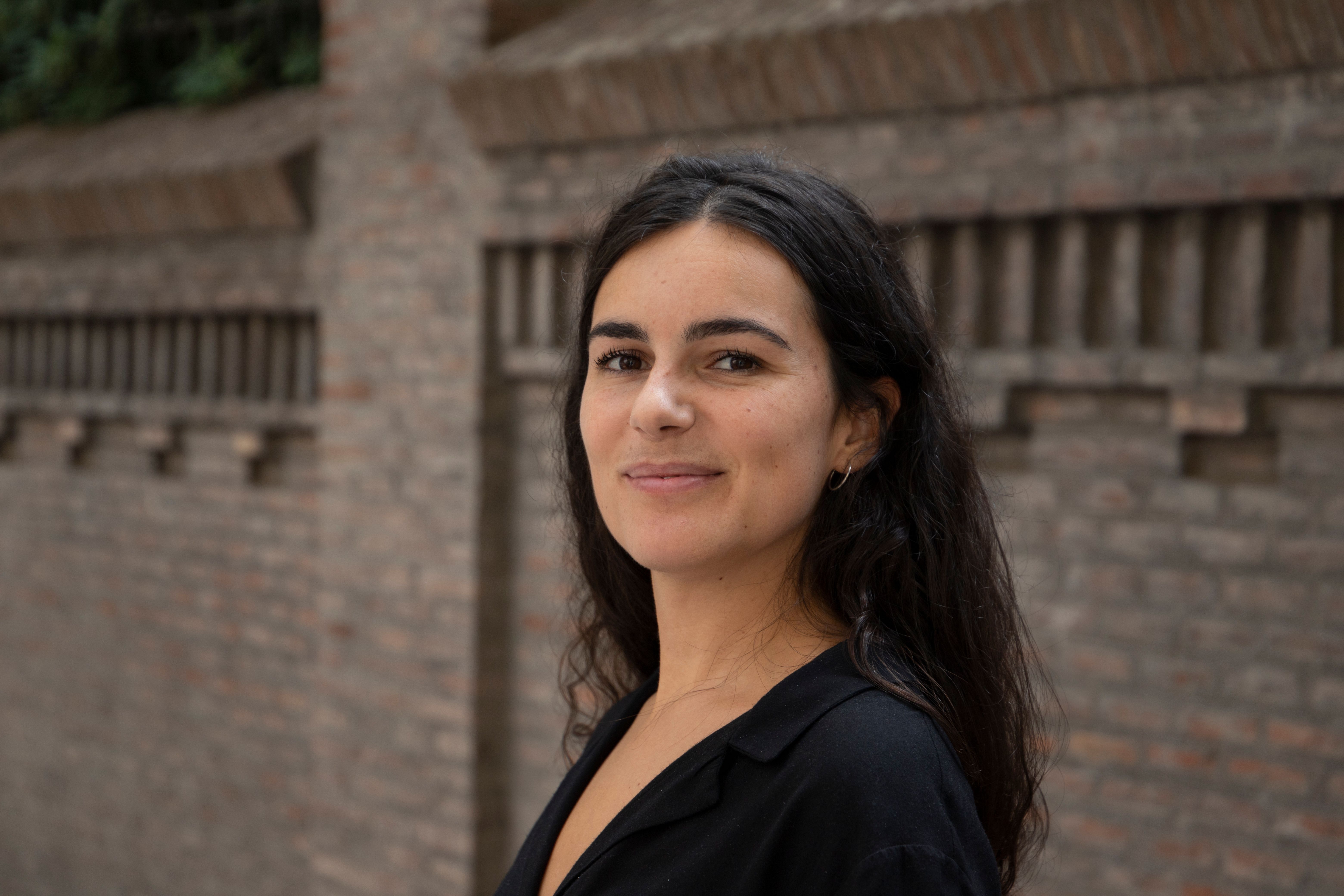
 Alba Asenjo
When Camila Rodriguez Aguero learned that US President Donald Trump had declared a national emergency regarding the supposed “threat” from Cuba last January, she felt deep uncertainty and fear.
However, she thought, “If something is going to happen, let it happen now, whatever it is.”
Aguero, a 28-year-old Cuban woman who has lived in Miami since she was a teenager, travels often to the island to visit her family.
That's why she finds it difficult to support the potential intervention of the US president in her country, given the significant cost it could have for her compatriots and relatives.
She thinks of her sister, who lives there and is 17, just three years older than she was when she left the island with dreams of becoming a journalist. She thinks of her father and mother, of all those who have left, like her, and of those who remain.
“I would like something to happen, because there has to be a change,” Aguero tells TRT Espanol.
But at the same time, she hasn’t decided whether that change should come with Trump
“I’m not convinced that will resolve Cuba’s situation, which is much more complex than Venezuela’s,” she says.
US foreign policy towards Cuba
While Trump has hardened US foreign policy toward the island since returning to the White House, this was not the beginning of the devastating sanctions with which Washington has tried to strangle Cuba since 1960.
The sanctions “are presented as a non-military alternative aimed at governments, but they hit the civilian population: they weaken health systems, block trade, and erode economies that are increasingly unable to sustain basic needs,” analyst Aya Jebari tells TRT Espanol.
So, more than six decades of sustained sanctions have deteriorated the quality of life for Cubans and triggered waves of exodus, with a significant portion of the diaspora settling in Florida. And Camila is one of those many Cubans who live in Miami but do not support Trump's initiative.
While Cuban-Americans want regime change on the island at any cost, she is wary of the vision of Secretary of State Marco Rubio, the son of Cuban immigrants, whom she describes as someone “who hasn’t even been to” the island.
She feels a deep longing for her homeland: “I have friends who say they don’t want to know anything about it, who make comments that make me think, ‘How can you not have a sense of belonging to where you’re from?!’” she says.
As he anticipated during his campaign, US President Trump intensified pressure on Cuba following the capture of Venezuelan President Nicolas Maduro on January 3, 2016.
He ordered the cutting off of Venezuelan oil supplies to the island and expanded sanctions to restrict its access to crude, exacerbating the energy crisis.
That same month, he declared a national emergency regarding Cuba, which he described as an “unusual and extraordinary threat.”
And to further pressure Havana, Trump last week tightened the sanctions already in place against the island, penalising anyone who engages in activities that generate foreign currency, from officials to businesspeople and other individuals involved in sanctioned activities, as well as their family members.
As the weeks passed, while Trump spoke of the "honour of taking Cuba," Washington made it clear that it seeks to replicate the Venezuelan scenario in Cuba, but without direct military intervention: pressuring President Miguel Diaz-Canel to step down and promoting a leadership more aligned with the White House.
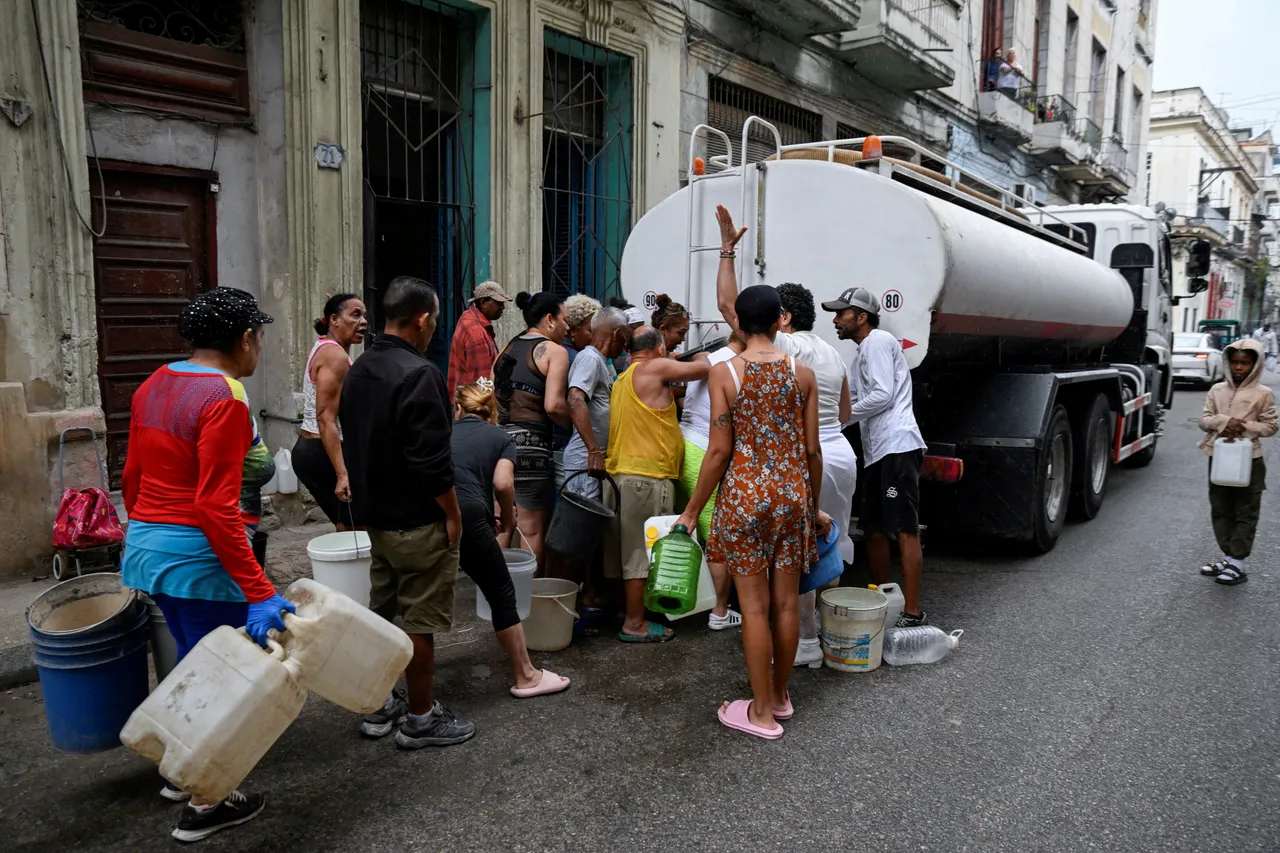
In parallel, both governments have maintained contact; Havana seeks to ease the oil embargo amid growing tensions, while facing constant blackouts, food and medicine shortages, and soaring prices.
While international organisations warned of the serious consequences an oil blockade would have on the Cuban population, President Diaz-Canel denounced Washington for exerting “brutal pressure” on other countries in the region to isolate Cuba.
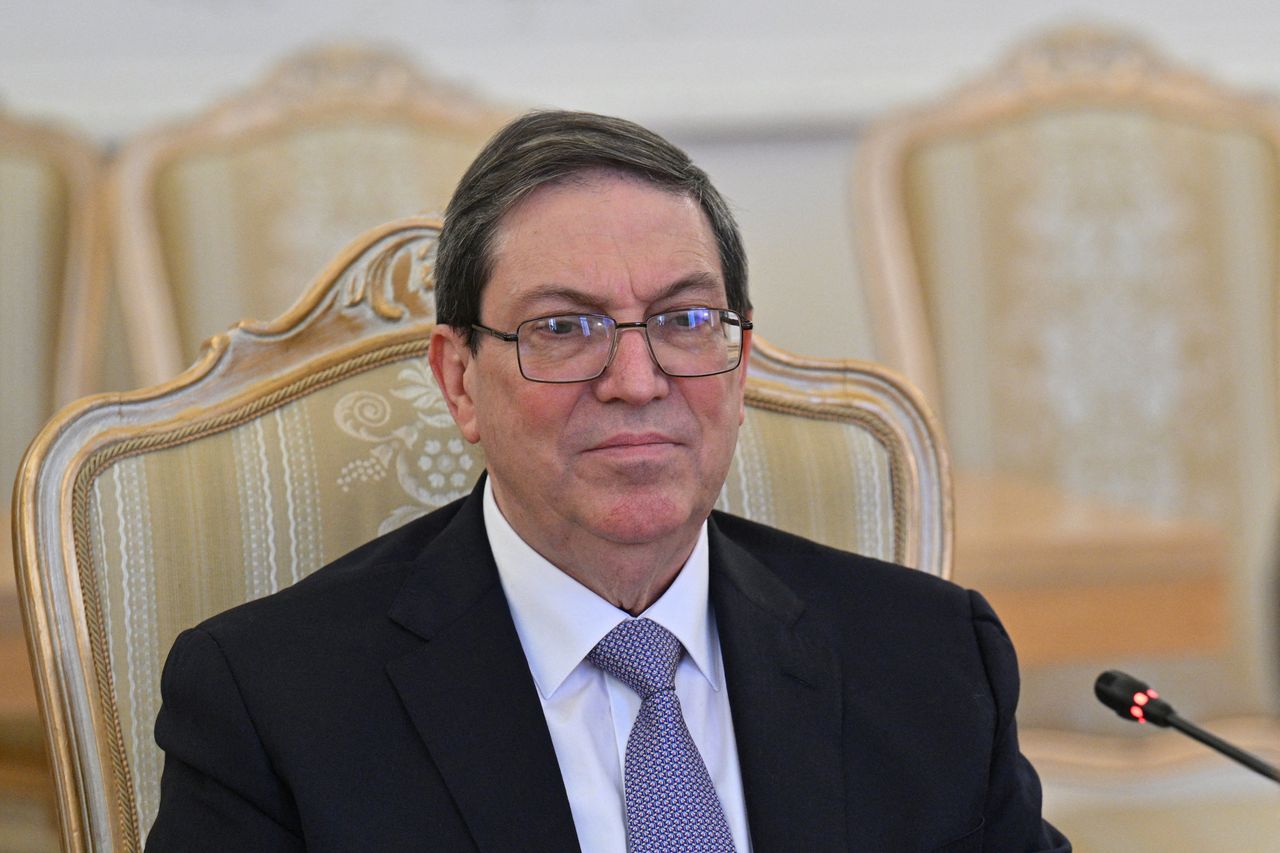
In fact, in an interview with the American magazine Newsweek , published on April 7, Diaz-Canel emphasised the blockade that has never been lifted against Cuba.
“For 67 years, the United States has maintained a policy of hostility, aggression, and threats; a policy of blockade, of intensified blockade, and now, even more severely intensified, with the cruel energy blockade,” he declared .

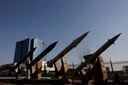
And just a couple of days ago, during a conversation with 20 Minutos de Opera Mundi, broadcast on their YouTube channel on April 22, Diaz-Canel bluntly described US policy as "a criminal, truly genocidal policy," whose consequences, he said, impact both the national economy and the daily lives of families.
This renewed pressure has continued to impact Cubans both on and off the island, even though headlines focus on the political sphere.
In this regard, Lee Schlenker, a research associate with the Global South program at the Quincy Institute for Responsible Governance, tells TRT Espanol that “the Trump administration has intensified pressure on Cuba to the maximum, not only since January, but since the beginning of the administration, and this has had a devastating impact on families on both sides of the Florida Straits”.
Fuel and food shortages
“Before January, the power would go out, but it was in blocks; you might have four or eight hours of outages a day… but after Maduro fell, the outages started to last longer, and now it’s 15, 16, 17, or 18 hours a day without electricity. One day recently, we only had two and a half hours of power,” Ernesto, a businessman born and raised in Cuba, tells TRT Espanol from the island.
He asked that his real name not be used for fear of reprisals. The Cuban man said that there is hardly any fuel, which makes normal activity on the island impossible, “at a time when everything is electric”.
Camila has also experienced firsthand the problems the embargo is causing in Cuba. She had planned to travel in March but had to postpone.
“Fuel is practically impossible to find. Now people can’t get around, and many businesses that run generators are having problems because there’s no fuel, no electricity to recharge them.”
To help her family, she sends remittances, but explains that everything is more expensive than ever.
“Food is a little more affordable than fuel, which is practically impossible to find, but the prices are Miami prices. You spend a lot of money,” she says, recalling her last visit, on New Year's, when she rented a car. Even then, she says she spent more than she would have on a similar trip in Europe.
Trump's policies have also affected the money that families send from the US to Cuba.
"The government has cut off all channels for sending remittances to the island, abandoning this lifeline mechanism that in the past has brought billions of dollars to the country and supported a significant percentage of the Cuban population," notes expert Schlenker.
The political and human cost
Ernesto, like Camila, is clear that not everyone outside supports intervention, nor does everyone inside support the Diaz-Canel government: he assumes it depends on whether they maintain ties with the island.
“Those who want intervention don’t have family in Cuba. You have to live here to know how things are,” he points out.
In his case, he believes that intervention would bring “more misery, more destruction,” and at the same time, he thinks that nothing will change “as long as those who are in power remain.”
Most of Ernesto’s family is no longer in Cuba, and he himself is trying to leave to seek a more secure future.
Around 1.3 million Cuban-born people currently live in the US, making them the third-largest diaspora in the Americas, after Mexico and El Salvador, according to the Center for Strategic and International Studies (CSIS).
For her part, she notes that her family on the island prefers intervention to change rather than things remaining the same, although she personally would prefer that the US president not have to enter Cuba.
“Deep down, I wouldn’t want Trump to have anything to do with this, but at the same time, I don’t see any other viable option. I would love for us as a country to be able to move forward on our own and rebuild our identity,” he says.
They both share the sorrow and frustration that politics is dividing so many families on both sides of the ocean. They both affirm that Cubans argue easily and sometimes find it difficult to listen to those who disagree with them.
“As a Cuban, it hurts me deeply; it bothers me, it outrages me, it frustrates me to talk to people here in Miami about this. It’s not easy to talk about it calmly,” she says.
“When I’m with my family, I don’t talk about that; it’s not worth it,” he concludes. “Many families argue and then never speak to each other again.”