 Yevgeniya Mikhailidi
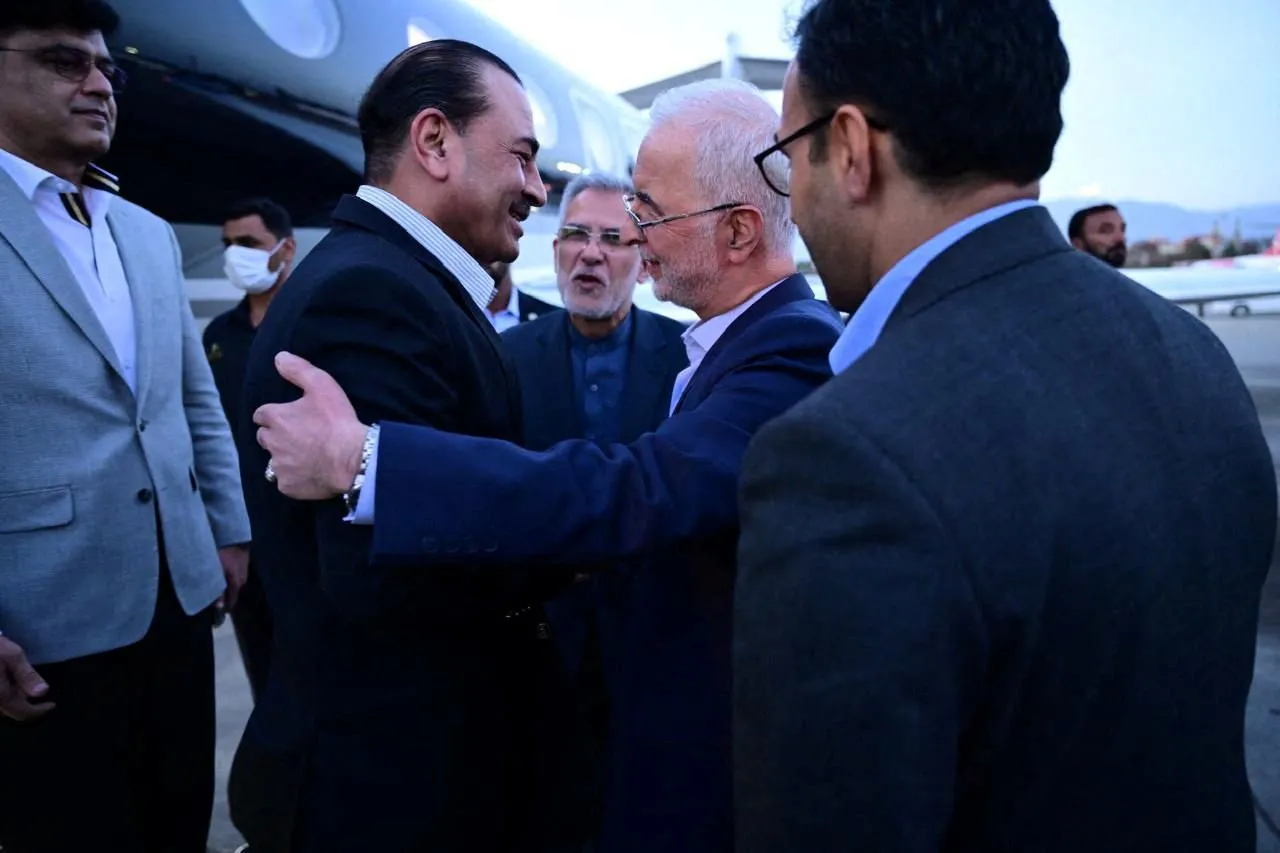
On the brink of a potentially catastrophic escalation between the United States and Iran, with the wider Middle East and Gulf sheikhdoms already absorbing the shockwaves, Pakistan has emerged as one of the few actors still trusted by both sides.
While more established regional powers have competed for influence and visibility, Islamabad has been discreet, disciplined and arguably effective.
By most accounts, much of this is down to the leadership style of Pakistan’s military chief, Asim Munir, who was famously described by US President Donald Trump as his “favourite field marshal”.
While not without critics, the soldier-cum-diplomat has been portrayed as a pragmatic operator whose diplomatic instincts tend toward the transactional.
This disposition would naturally resonate with Trump’s own style of dealmaking. Munir’s endgame, still open to interpretation given that he has yet to grant a public interview, appears aimed at restoring Pakistan to the front ranks of regional diplomacy and giving Islamabad a greater voice in the West Asian geopolitical landscape.
Pakistan’s trajectory has confounded earlier expectations that its relevance would fade once the United States withdrew from Afghanistan.
A more volatile regional order, fraught with Gulf rivalries, realignments and US-Iran friction, has created space for Pakistan to reassert itself.
As Pakistan’s former minister for foreign affairs, Khurram Dastgir Khan, notes,
“Relevance is not a permanent condition. It comes from being useful at the right moment. Pakistan has found itself in a position where several competing powers need a channel, and Islamabad is one of the few capitals able to provide it”.
Due to its geography, military credibility, intelligence reach and long-standing channels with both Washington and Tehran, Islamabad is able to engage competing actors without being fully drawn into any single camp.
“Because it is not seen as rigidly ideological or permanently aligned, Pakistan has become an acceptable intermediary,” Laurie Watkins, a US public policy expert and former Pentagon official, tells TRT World.
“At a time when most regional actors are trapped by alliances or ideology, Pakistan’s leverage comes from its ability to speak credibly to both sides of the divide.”
Munir’s brand of diplomacy between Washington and Tehran favours discretion and backchannel influence over performative PR stunts. Where other regional players have sought credit in real time, Islamabad has largely stayed out of the spotlight.
Credibility was built slowly through consistency, predictability and the ability to speak to all sides.
According to retired Pakistani military official, Lieutenant General Muhammad Saeed, “The real measure of diplomacy is not visibility but results. Field Marshal Munir's approach was all about persistence, maintaining dialogue through difficult moments and ensuring that communication never completely broke down between the two sides”.
That standing was cemented by the brief but consequential military confrontation with India in 2025, triggered by the Pahalgam attack in Kashmir.
The four-day conflict ended in a US-brokered ceasefire, but not before Pakistan claimed significant aerial and strategic losses on the Indian side.
Munir, widely credited with leading the campaign, was subsequently promoted to field marshal and named Pakistan’s first Chief of Defence Forces.
The war handed him a form of hard-power credibility that diplomatic outreach alone could not have generated and recalibrated how both allies and rivals assessed Pakistan’s military weight.
The Saudi dimension added another layer to this repositioning.
In September 2025, Pakistan and Saudi Arabia signed the Strategic Mutual Defence Agreement, committing both countries to treat any act of aggression against one as an act against both, a pact Munir was widely credited with engineering.
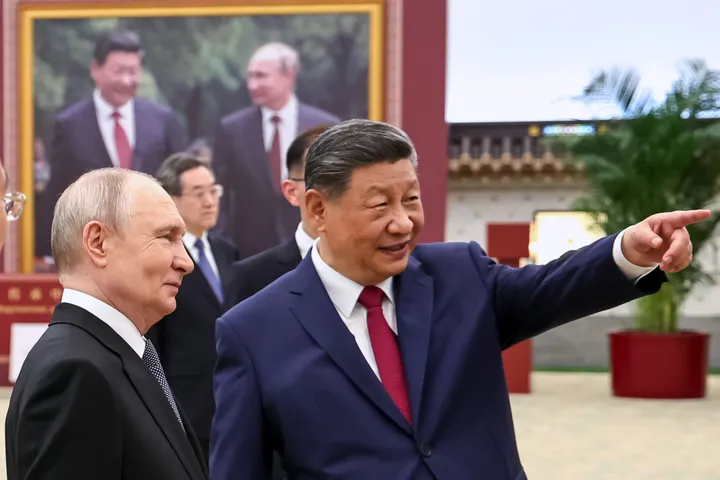


The agreement has since sparked talk of other potential defence pacts between Pakistan and other nations in the region and beyind.
Pakistan as guarantor
Under Munir, Pakistan has adopted a tougher stance on terror groups, particularly along its western borders, where security threats remain persistent.
Counterterrorism is now seen as a prerequisite for any credible regional role or economic integration.
Beyond conventional kinetic functions, Pakistan’s military now serves as a guarantor of sorts for economic corridors, regional connectivity, crisis management, and diplomatic brokerage.
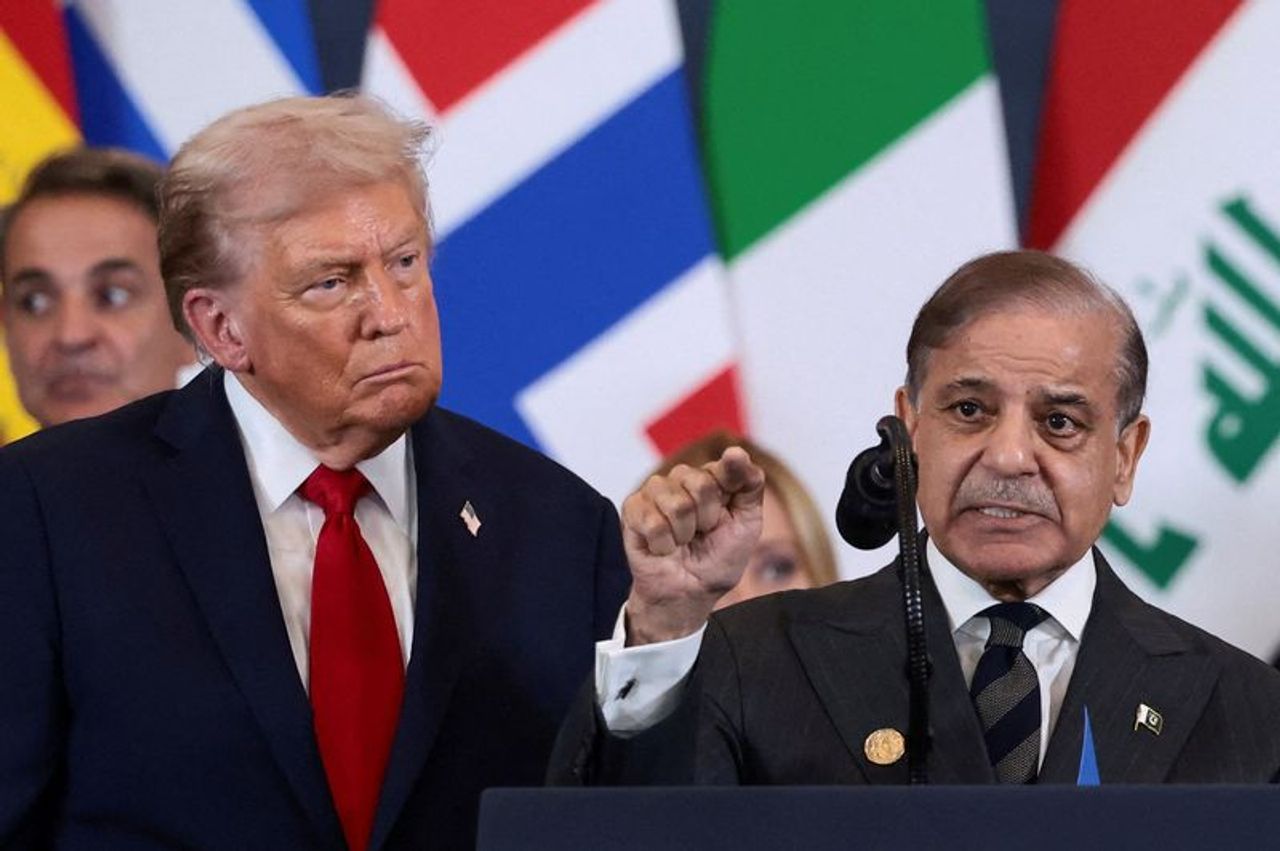
But in the process, can the country realistically aspire to become Asia’s so-called “net security provider”? The term, of course, is usually reserved for powers that can not only defend their own interests but also stabilise the neighbourhood.
By that measure, the claim may sound ambitious. Yet Pakistan does bring a credible nuclear deterrent and a large, battle-tested military, giving it weight in regional calculations.
Situated at the crossroads of South Asia, Central Asia, the Gulf, and China, Pakistan's geography strengthens its hand, but equally important is its diplomatic reach.
Few countries maintain working relationships with such a wide range of competing actors.
Islamabad engages both Washington and Beijing, enjoys good relations with Gulf Arab capitals, preserves channels with Tehran and has strengthened cooperation with Türkiye.
These relationships have given Pakistan the unusual ability to navigate rival camps without being wholly claimed by either.
As Watkins puts it, “Military power alone does not create influence. Influence comes from access, trust and the ability to keep conversations going when relationships are under strain. Pakistan possesses those attributes, which is why its strategic relevance extends beyond the battlefield”.
Munir’s masterstroke
Economic vulnerabilities, however, may limit Pakistan’s ability to translate its ambitions into a durable influence. Entrenched political divisions, too, may stand in the way of a coherent long-term vision.
Recent events indicate that Pakistan may be on the path to carving out a role as a crisis manager, bridging rival camps and keeping communication channels open when others have broken down.
But maintaining productive relations with competing powers requires a delicate balancing act that leaves little room for miscalculation.
Munir’s masterstroke lies not only in his leadership of Pakistan’s military but also in his deliberate reorientation of Pakistan’s strategic outlook amid a fast-changing regional order.
Whether that vision ultimately succeeds remains an open question. In a region riddled with crises and a host of unresolved disputes, those able to speak across divides are likely to wield the greatest influence.
If that proves true, Pakistan’s greatest strategic asset may not be its military strength alone, but its ability to stand in the middle while resisting the gravitational pull of competing camps.