 Murat Sofuoglu
Armenia, a former Soviet republic, has long been one of Russia's closest allies in the Caucasus.
For decades, this relationship helped Moscow maintain its influence across the strategically important region.
However, that dynamic has gradually shifted in recent years as Yerevan has sought closer ties with the West.
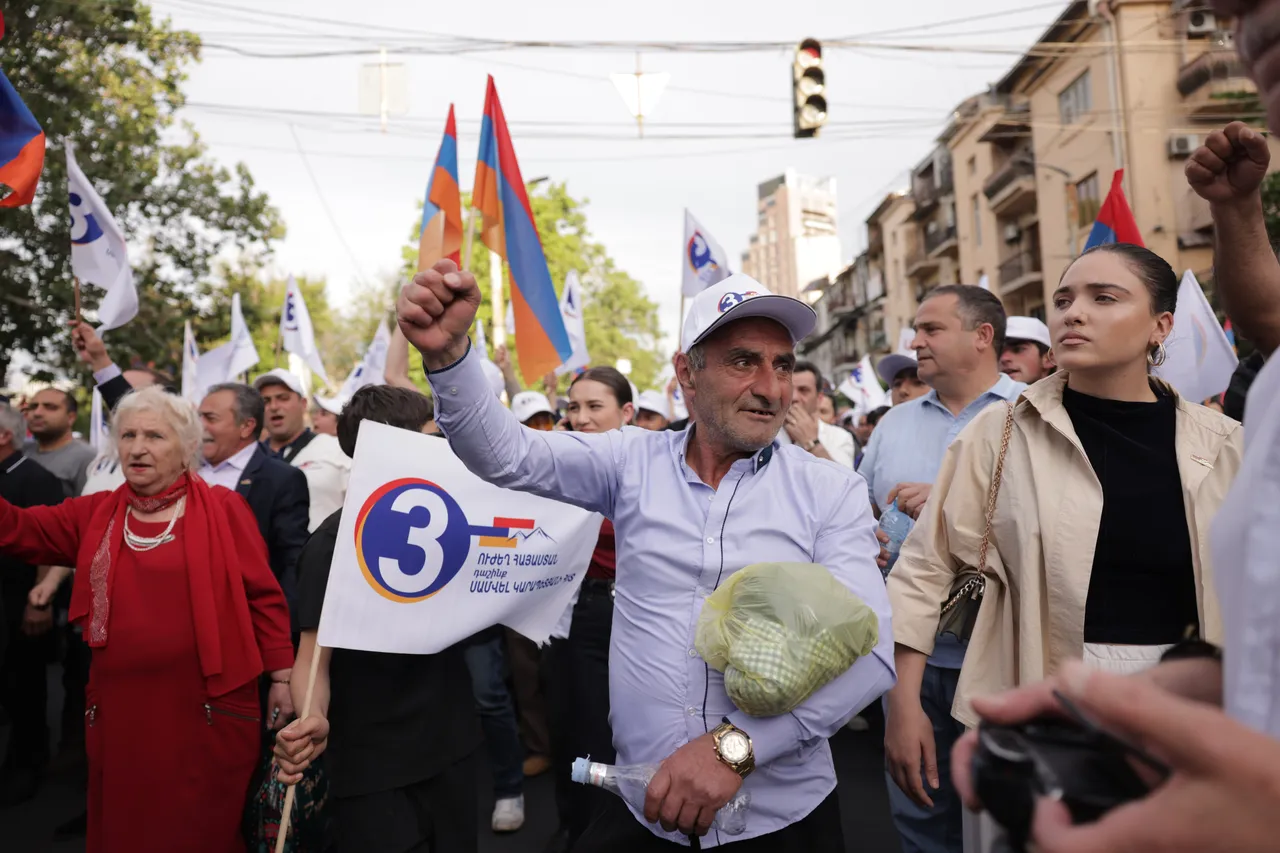
Analysts view this weekend's parliamentary election as a crucial test of Armenia's geopolitical future. The vote pits incumbent Prime Minister Nikol Pashinyan's pro-Western Civil Contract party against a range of opposition forces that favour maintaining closer relations with Moscow.
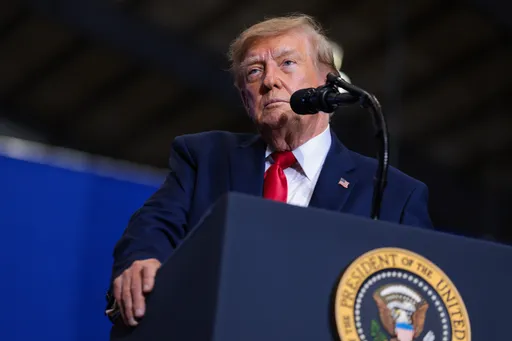
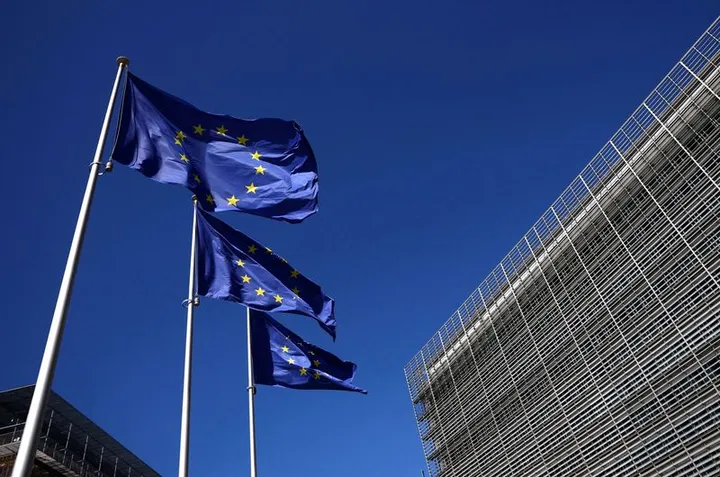
Polls indicate that Pashinyan remains the frontrunner. The Armenian leader has increasingly signalled his intention to deepen ties with Western institutions, most recently by hosting an EU summit in Yerevan. The EU and the Trump administration publicly endorsed Pashinyan against his opponents with pro-Russia positions.
However, Russia has shown growing discomfort with Armenia's evolving foreign policy orientation.
Days before the election, Moscow recalled its ambassador to Yerevan for consultations following the European gathering, a move widely interpreted as a sign of disapproval.
“The recalling of the ambassador from Yerevan is one of many moves that are designed to signal Moscow’s desire to put pressure on the Pashinyan government and boost the morale of his opposition on the eve of the parliamentary election,” Giorgi Badridze, an expert on Caucasian politics, tells TRT World.
“This election will serve as a referendum for the course charted by PM Pashinyan and his team – away from the unilateral dependence on Russia, toward the normalisation with its neighbours Azerbaijan and Türkiye, and the approximation with the Western political and economic structures.”
In recent years, Pashinyan has sought to reduce Armenia's dependence on Moscow, including by suspending the country's participation in the Collective Security Treaty Organization (CSTO), the Russia-led security bloc that spans parts of Eurasia.
At the same time, he has pursued efforts to normalise relations with Armenia's neighbours, Azerbaijan and Türkiye. That policy has included attempts to bring a lasting end to the conflict with Baku over the Karabakh region, which has fuelled several wars between the two South Caucasus states since the 1990s.
“I knew they would call me a traitor, a land-giver, everything. But today I am very glad I found that strength, stood up, faced the truth, and brought Armenia out of the trap,” Pashinyan said, referring to his government's recognition of Karabakh region under Azerbaijani sovereignty despite opposition parties' fierce criticism.
Russia vs the West
Opposition parties with close ties to Russia have criticised both Pashinyan's decision to suspend Armenia's participation in the CSTO and his efforts to swiftly normalise relations with Türkiye and Azerbaijan.
The Armenian leader has framed reconciliation with the two neighbouring Turkic states as part of a broader peace agenda, arguing that it could help unlock economic opportunities for the landlocked country, including access to European markets through the proposed international Zangezur Corridor.
Despite the opposition's criticism, analysts say many Armenians believe Russia failed to provide sufficient support to Yerevan during the Second Karabakh War, particularly when compared with Moscow's backing during the first conflict in the 1990s.
That perception, combined with economic considerations, has helped generate support for Pashinyan's pro-peace agenda.
Due to this perception, a significant portion of the Armenian population does not see “any rationale for maintaining their traditional dependence” on Russia, Badridze, a former Georgian ambassador to the UK, says.
“For Moscow, this means the loss not only of Armenia as an ally (in reality, a vassal) but also of its influence across the entire South Caucasus.”
Joshua Kucera, a senior analyst on the South Caucasus at the International Crisis Group, also assesses that the post-Second Karabakh environment was a watershed moment for Armenia-Russia ties.
“This led Armenia to start to try to reduce its longtime dependence on Russia and to diversify its relations with other partners. The most controversial of these other partners, from Moscow’s point of view, are European countries and the US,” Kucera tells TRT World.
Following Yerevan's hosting of the EU summit early this month, Moscow imposed broad restrictions on imports from Armenia, affecting products ranging from fruits and vegetables to fish, mineral water, wine, brandy and flowers.
Russia remains a crucial economic partner for Armenia, accounting for roughly a third of the country's exports.
Moscow also supplies more than 80 percent of Armenia's gas imports at discounted prices.
As tensions have grown over Yerevan's closer ties with the West, Russia has warned that those energy arrangements could be reconsidered, raising concerns about the potential economic consequences for Armenia.
“The immediate cause of Russia’s recent threats and actions, including the recall of the ambassador, was the summits of the European Political Community (EPC) and EU in Yerevan.
“Also, Russia is trying to send a message to Armenian voters ahead of the election that breaking ties with Russia would come at a cost,” Kucera says.


But in a recent paper on the Armenian election, the analyst also drew attention to the fact that some polls suggest that Armenian public opinion on Russia has reversed since 2024, “with Russia gaining popularity and Europe losing it”.
“I don’t think Armenia’s intention is full alignment with the West. They are trying hard to maintain good relations with Russia as well and I think they are very mindful of Russia’s red lines and also the West’s inability to protect them. So I don’t see a Ukraine scenario at all,” the analyst tells TRT World.
Yasar Sari, an academic at the Haydar Aliyev Eurasian Research Centre at Ibn Haldun University, agrees with Kucera's assessment, arguing that most Armenians do not want to sever ties with Moscow. He notes that Armenia continues to host Russian forces on its territory.
“Armenia is not Ukraine,” he says, rejecting comparisons between the two countries.
Russia has long justified its war in Ukraine by citing Kiev's growing ties with the West and its ambitions to join institutions such as NATO and the European Union.
Analysts argue that the conflict is also rooted in Moscow's determination to preserve its influence in Eastern Europe, a region it has historically considered part of its sphere of influence.
Some observers see parallels with Armenia, where Russia is similarly reluctant to see its influence diminish.
Georgia and Azerbaijan, the two other Caucasian states, have both expanded their ties with Western partners in recent years, while Moscow's leverage over the two countries has gradually declined.
“The tensions observed between Armenia and Russia in recent years indicate that significant changes are taking place in the geopolitical landscape of the South Caucasus,” Zahid Farrukh Mamedov, a Baku-based professor of economics, tells TRT World.
“From a geopolitical perspective, these developments are not limited solely to relations between the two countries. Armenia's growing ties with the West and Russia's efforts to maintain its influence in the region are making the South Caucasus a crucial arena for global power competition,” says Mamedov, who is also the deputy director of the Institute for Economic Research at Azerbaijan State University of Economics.
“Therefore, Armenia, which has strong economic ties with Russia, faces a complex strategic choice: to accelerate integration with the West or to preserve the economic advantages offered by the Eurasian geography.”
With or without us
Moscow's economic measures could exert significant pressure on Armenia, whose economy remains closely integrated with Russia and the wider Eurasian market.
Russia and several members of the Eurasian Economic Union (EEU), including Belarus, Kazakhstan and Kyrgyzstan, have recently urged Armenia to choose between deeper integration with the European Union and continued EEU membership, heightening political pressure on Yerevan ahead of the election.
According to Sari, there are signs that many dual Russian-Armenian citizens have travelled to Armenia in recent weeks, possibly to support pro-Russian candidates at the ballot box.
According to opinion polls, the largest opposition force is Strong Armenia, a new party established by Samvel Karapetyan, an Armenian-Russian billionaire who is currently under house arrest in Yerevan over allegations that he was involved in a plot against the Pashinyan government.
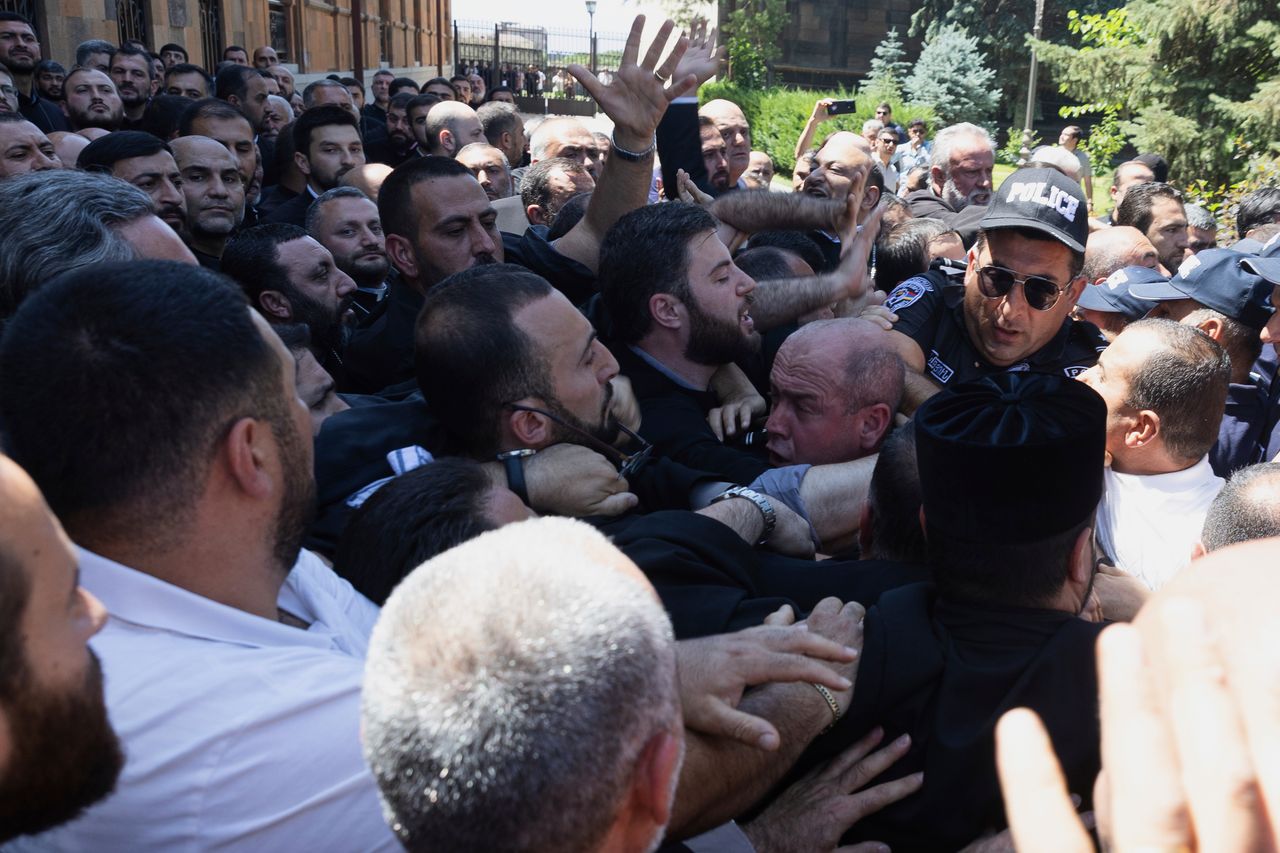
Karapetyan has also been targeted by Western sanctions due to his alleged ties to Russian interests.
Two other major opposition forces are the Armenia Alliance, led by former president Robert Kocharyan, who is widely seen as maintaining close relations with Russian President Vladimir Putin, and Prosperous Armenia, headed by businessman Gagik Tsarukyan.
Tsarukyan’s party has long maintained ties with Russia's ruling United Russia party.
Although most polls continue to favour Pashinyan, Sari cautions against assuming that the election will be an easy victory for the incumbent leader.
He argues that if opposition forces unite around a common strategy and receive backing from the influential Armenian Apostolic Church, the political landscape could shift significantly.
“Russia is increasing its pressure over Pashinyan playing all of its cards against him prior to the election,” Sari says.
“Russia has strong influence over Armenia’s economic life controlling some critical sectors like railroads and gas distribution. Moscow has both internal and external tools to put significant pressure over Yerevan," he adds.
Among prominent diaspora figures, Karapetyan has emerged as one of the most outspoken critics of Pashinyan.
The businessman, who has invested heavily in Armenia through a range of commercial interests, has strongly opposed the prime minister's continued hold on power.
Other analysts, however, argue that the electoral impact of pro-Russian diaspora voters and Armenians displaced from Karabakh may be limited.
While many former residents of the region remain deeply critical of Pashinyan's peace policy toward Azerbaijan, experts note that their numbers may not be large enough to decisively influence the outcome of an election in which more than a million voters are expected to participate.