 Kazim Alam
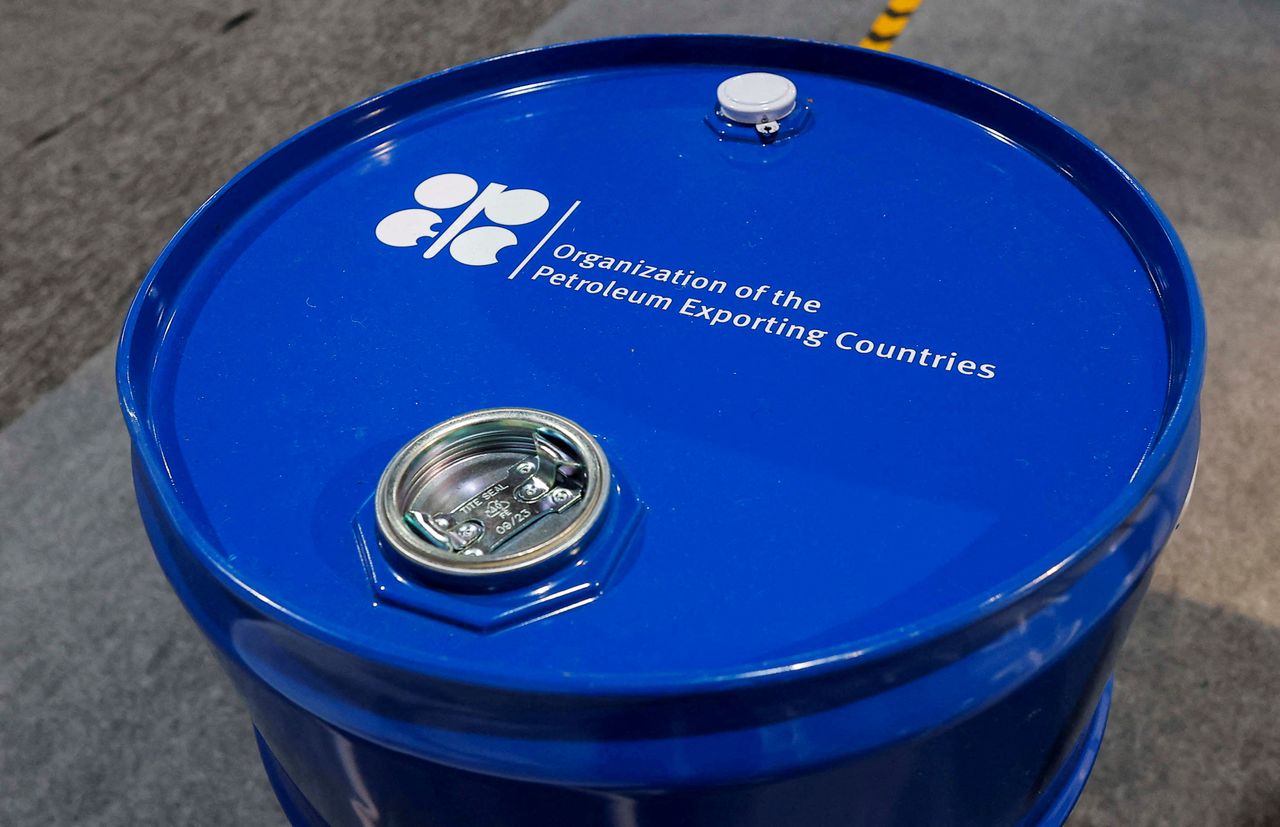
The UAE’s announcement on April 28 that it would quit the Organisation of the Petroleum Exporting Countries (OPEC) – a cartel that has influenced energy prices through coordinated production limits since 1960 – seems to have delivered a major blow to the producers’ group responsible for more than one-third of global crude output.
Under the de facto leadership of Saudi Arabia, the 12-member cartel sets production quotas for its members and regulates crude output levels to tide over oil gluts and shortages worldwide.
As OPEC’s fourth-largest producer, after Saudi Arabia, Iraq, and Iran, the UAE has long chafed at production quotas that constrained its rapidly expanding capacity for years.
Its consistent push for higher production targets led to a public dispute with Saudi Arabia in 2021. Similarly, its demand for a new production target in 2023 resulted in a complicated bookkeeping exercise, which ended up reducing African member state quotas.
The UAE’s departure from OPEC after nearly six decades of membership frees the country from collective output ceilings at a time of heightened geopolitical tensions.
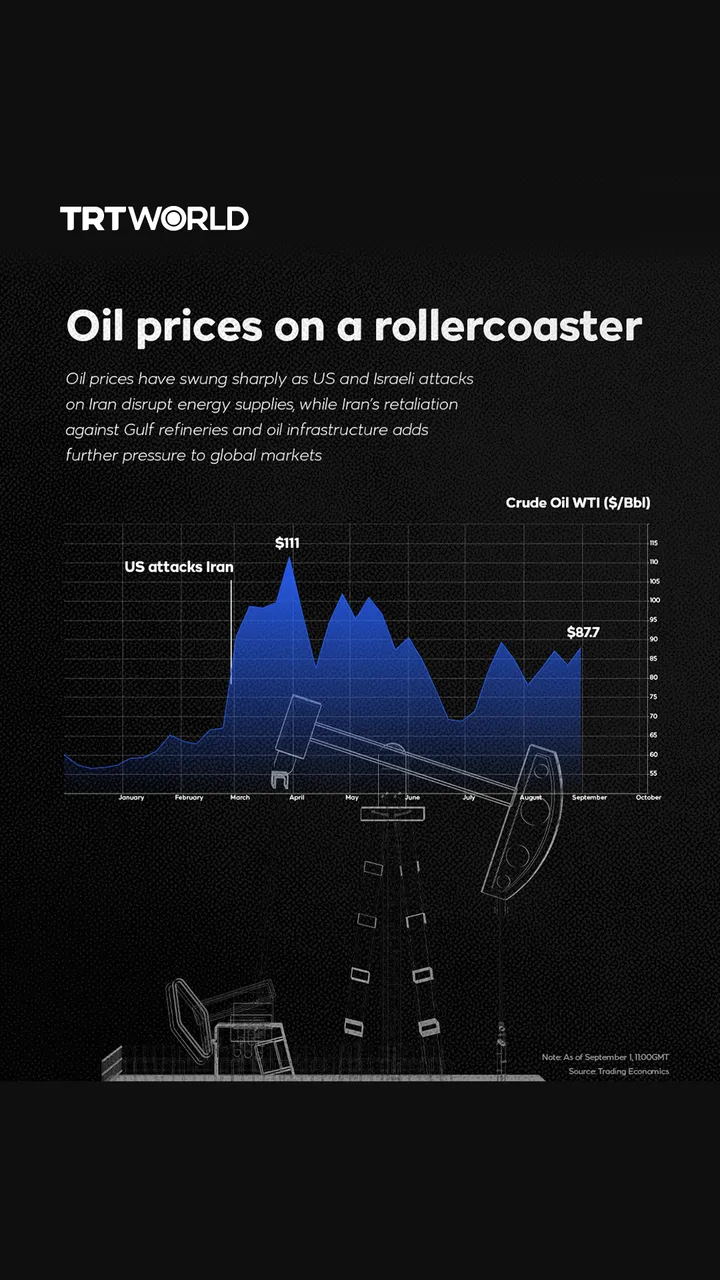
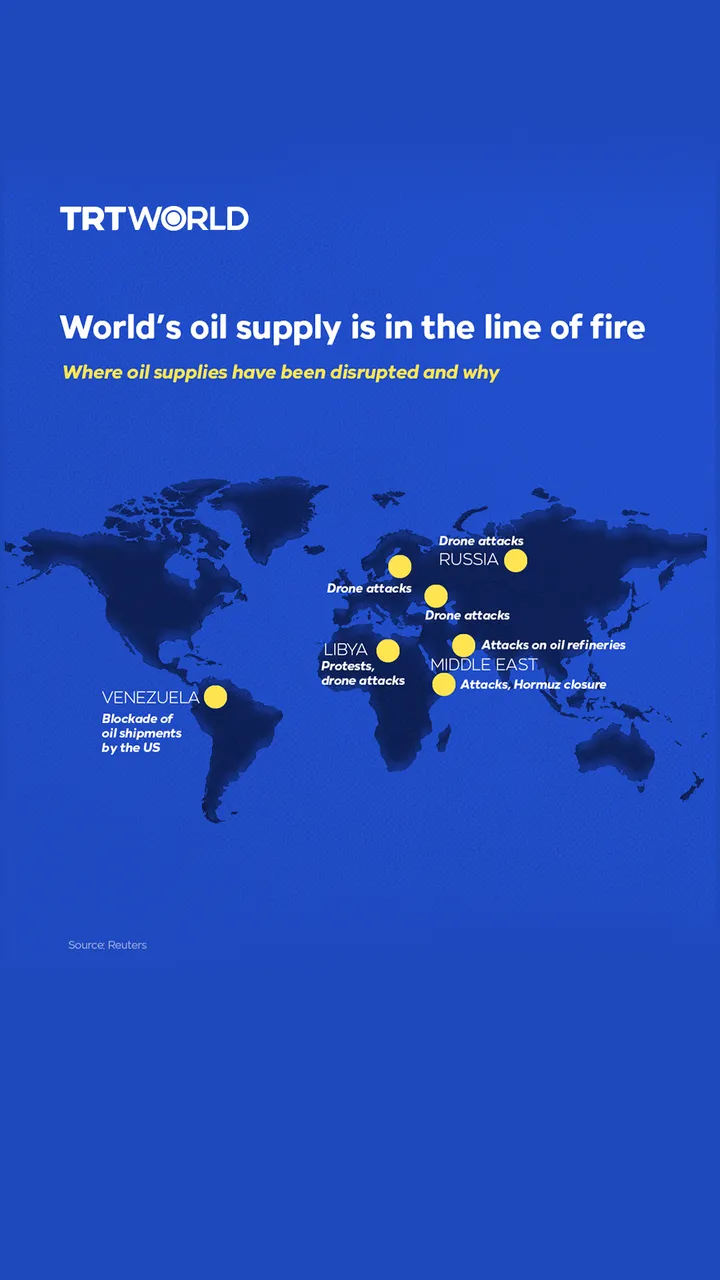
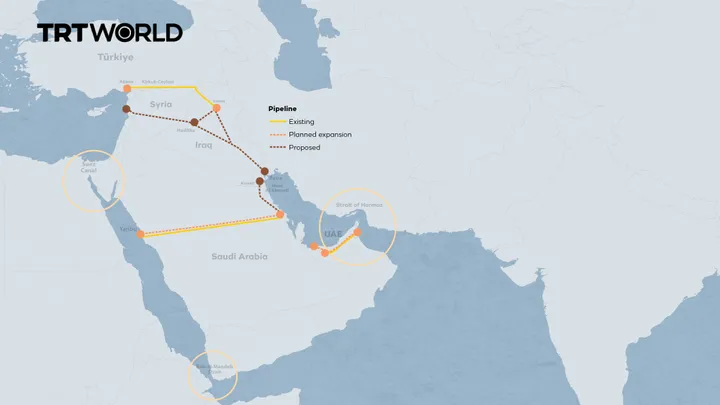
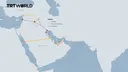
The Iran war and the resulting blockade of the Strait of Hormuz – the narrow waterway used by Gulf nations and Tehran to ship out the bulk of their energy exports – have already sent crude prices to a four-year high.
Experts say the UAE’s exit from OPEC is symbolically weighty but operationally manageable, at least in the near term.
Over the next 12-18 months, the cartel’s production quotas will face only modest pressure, while the UAE gains significant new flexibility to pursue its national interests, they say.
Baris Alpaslan, professor of economics at the Social Sciences University of Ankara, tells TRT World that the UAE’s exit removes a meaningful but not decisive chunk of crude supplies from global markets.
“The real impact is on cohesion and credibility (of OPEC) rather than volume,” he says.
OPEC will persist, but potentially as a looser coalition with more reliance on Saudi leadership and bilateral alignments, instead of strict collective discipline, he says.
Ozcan Akinci, a geopolitical and energy analyst, tells TRT World that the UAE’s move will have a “measurable but manageable” impact on the cartel’s production structure.
Its exit will remove up to 3.4 million barrels a day from the cartel’s coordinated output, he says.
The loss of production does not undermine OPEC’s operational core, as the group’s “centre of gravity” remains firmly with Saudi Arabia, Iraq, and Kuwait, he adds.
This core is sufficient for Saudi Arabia to sustain quota discipline and market management, especially amid ongoing geopolitical constraints, he says.
However, the experts say that Saudi Arabia may adapt strategically to the new realities going forward.
Alpaslan anticipates that Riyadh will tighten internal discipline among the remaining OPEC members, which include Venezuela as well as many African countries, in addition to Gulf nations.
It will do so while leaning more heavily on OPEC+, a broader and looser alliance of oil producers that also includes Russia.
“Saudi Arabia may continue to act as the swing producer, using voluntary cuts to stabilise prices and signal leadership,” he says.
However, the UAE’s exit can potentially embolden other OPEC members with spare capacity to demand greater autonomy – something that may gradually erode compliance with strict production quotas in the coming years, he says.
Akinci says Saudi Arabia is likely to respond to the UAE’s move in two parallel ways: maintaining overall discipline within OPEC to preserve price stability, while allowing for selective flexibility to prevent further internal friction.
In his assessment, OPEC is unlikely to weaken in the short term. It may instead evolve into a more tightly managed structure with a stronger Saudi-led core, he says.
This divergence – a looser coalition versus a tighter core – highlights the uncertainty ahead: OPEC’s future may hinge less on formal quotas and more on Riyadh’s ability to balance leadership with pragmatism.

UAE: No more quota-constrained
For the UAE, its exit from OPEC unlocks new flexibility as it prioritises national interests over collective commitments.
Being part of OPEC meant its production quota was limited to 3.4 million barrels a day. In other words, the UAE was pumping close to 30 percent below its capacity.
The UAE aims to increase its production capacity to five million barrels a day by 2027, a target brought forward from the earlier timeline of 2030.
Alpaslan says the UAE’s goodbye to OPEC has resulted in three major gains. The first is its freedom to produce more oil. The country can now produce at or near its full capacity without being constrained by OPEC ceilings.
The second gain is to fully monetise its recent upstream investments in the exploration and development of underground energy reserves, without worrying about OPEC quota restrictions that would have capped its ability to sell oil.
The third gain for the UAE will be in the form of enhanced “commercial agility”. The UAE can now devise an independent sales strategy, setting its own price, choosing destination markets, and signing long-term contracts, he says.

According to Akinci, the UAE’s decision also aligns the country’s production policy more closely with the ambitious upstream programme of ADNOC, the state-owned oil company of Abu Dhabi that is one of the world’s top oil companies by production.
It plans to invest $150 billion between 2026 and 2030 to meet global energy demand.
“By exiting OPEC, the UAE gains full autonomy to utilise this capacity,” Akinci says.
It can now increase output in line with market conditions and generate revenue from already-committed capital expenditure, he adds.
The UAE is positioning itself as a more market-responsive producer, rather than a quota-constrained participant in collective supply management, he says.
Higher competition, price swings ahead
Experts say the market implications of the UAE’s departure from OPEC will unfold in phases. In the short term, they foresee limited disruption.
Ongoing geopolitical factors, including regional instability and Strait of Hormuz blockade, limit the pace at which additional crude supply from the UAE can reach global markets, Akinci says.
Any production increase in the short term is, therefore, likely to be gradual and absorbed without major price dislocation, he says.
Alpaslan expects increased volatility due to uncertainty and the perception of weakening OPEC cohesion, with possible downward pressure on crude prices.
Medium-term effects of the UAE’s exit depend on the country’s production ramp-up and Saudi Arabia’s response to it.
If Riyadh offsets additional UAE output with deeper voluntary cuts, prices will remain relatively stable, Alpaslan says.
Absent such action, a structurally looser supply environment will emerge, he says.
He warns of slightly lower average prices alongside higher volatility, as coordination among oil producers becomes less predictable.
“Ultimately, the UAE acting independently introduces more market-driven behaviour into the system, which tends to increase both competition and price swings,” Alpaslan says.