 Yasin Bas
While Islamophobic crimes in Germany are decreasing, it's important not to become complacent.
In the first half of 2026, authorities recorded 231 offences, a significant decrease from 489 in the same period last year.
However, the federal government notes that these are preliminary figures and may increase with subsequent reports.
Thirty-three of the recorded cases were committed online, 44 were classified as incitement to hatred, and 13 involved the use of symbols of unconstitutional organisations.
In addition, there were 11 violent crimes, nine cases of coercion or threats, and three cases of property damage.
But the official figures represent only the tip of the iceberg.
The CLAIM alliance, a coalition of more than 50 civil society organisations, recently documented 4,096 anti-Muslim incidents nationwide in 2025 – both criminal and non-criminal.
This amounts to over 11 incidents on average each day, representing a 33 percent increase from 2024.
The number of unreported cases is likely to be far higher: According to a study by the European Union Agency for Fundamental Rights, only four percent of those affected in Germany report experiencing discrimination.
Seventy-five percent of Muslims surveyed reported experiencing racist discrimination in government agencies. Therefore, CLAIM emphasises: "Anti-Muslim racism is not a fringe phenomenon, but a structural problem".
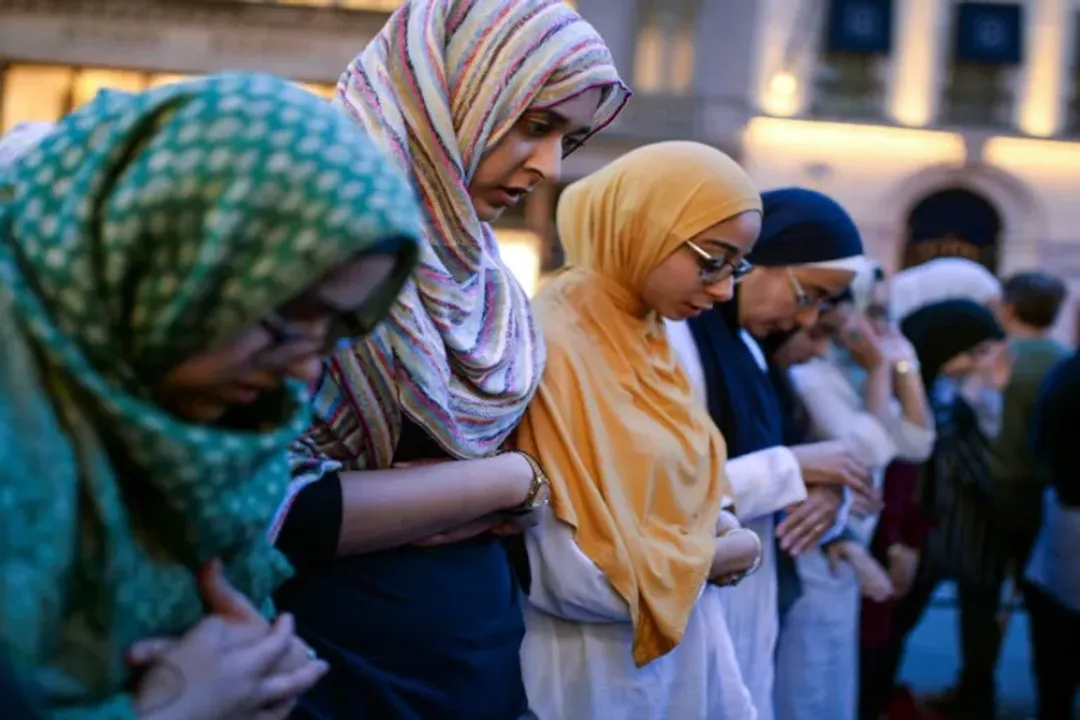
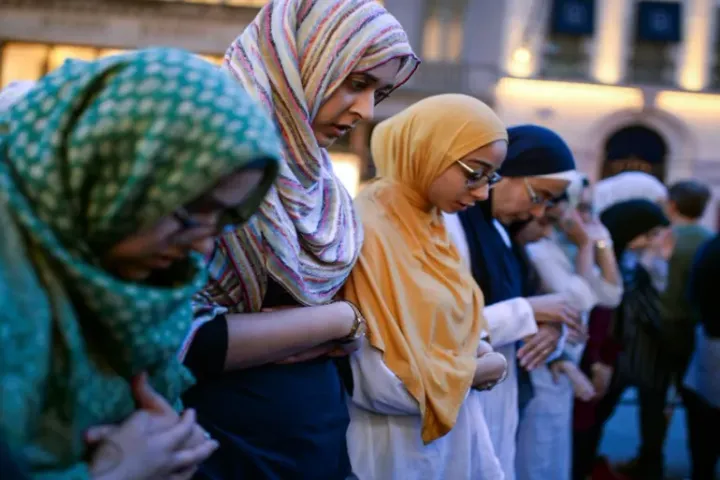
A closer look at the figures reveals that women are particularly affected: In 64.5 percent of documented cases, women were the target. Women, especially those wearing headscarves, are particularly vulnerable to insults, threats, and physical assaults.
In Dresden, for example, a senior citizen attempted to forcibly rip the headscarf off a 14-year-old girl. In Düsseldorf, an unknown assailant punched a woman wearing a headscarf in the face, causing her to briefly lose consciousness.
A Muslim family in Berlin-Zehlendorf has been terrorised for years by their neighbour, who has sent racist hate messages; at least 15 police reports have gone unanswered.
In North Rhine-Westphalia, several mosque communities have received bomb threats with explicitly anti-Muslim and anti-Palestinian content.
These cases are not fringe events. They are representative of a development that demonstrates that Islamophobia has long since become a structural problem and has arrived in the mainstream of society.
Whether it's the Motra Monitor, the "Independent Expert Group on Islamophobia" dissolved by the CDU/CSU, the Friedrich Ebert Foundation's studies on the centre of society, or other studies, they all confirm what many don't want to hear: anti-Muslim prejudice is not confined to the extreme fringes.
It is an integral part of the mainstream of society. A significant portion of the population sees Islam not as an enrichment, but as a threat, and in some cases, acts accordingly.
Statistics often differ
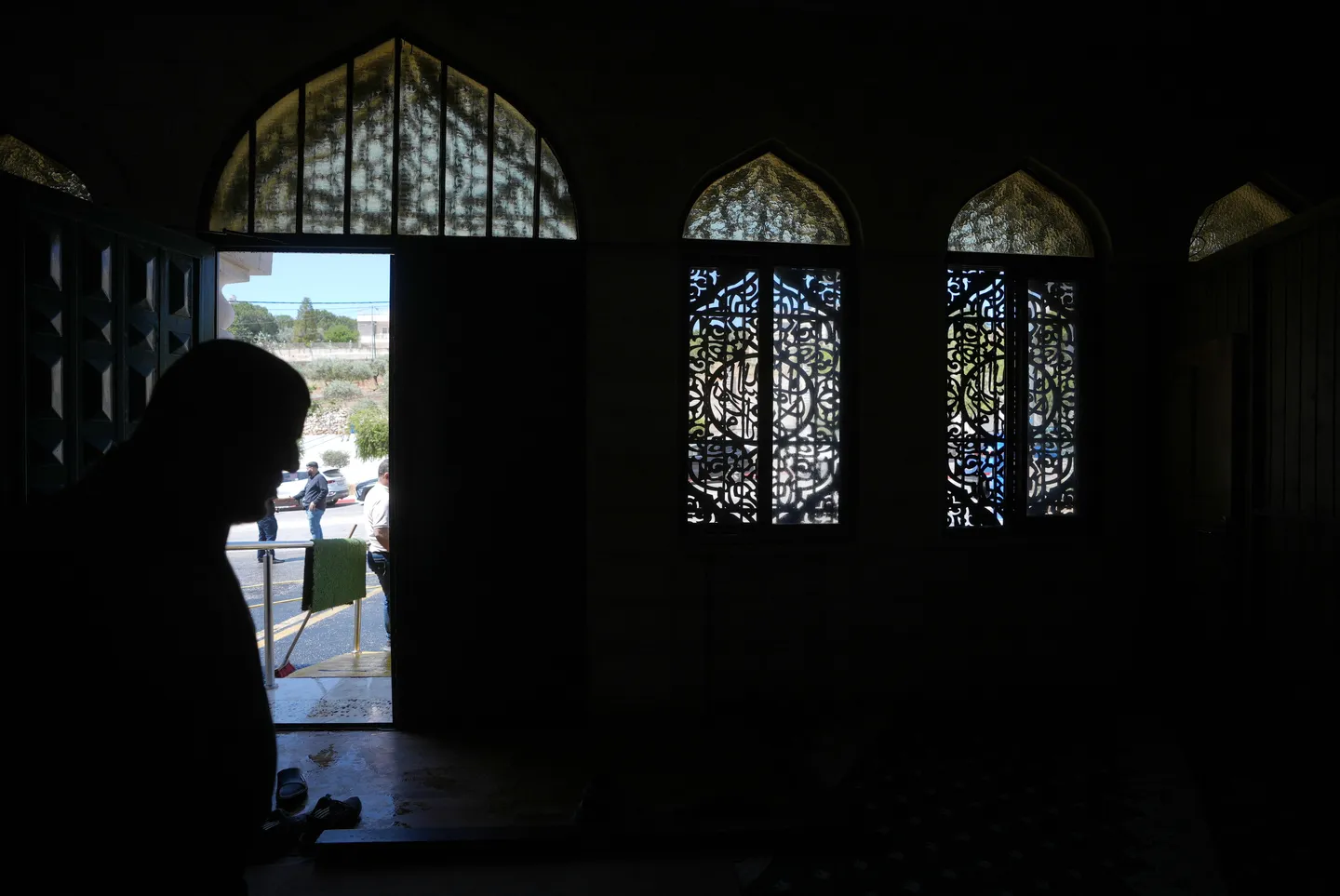
Attacks on mosques, their documentation, and statistical recording are part of this development. For example, the police recorded 79 attacks on mosques in 2024.
However, even here, the figures vary depending on the recording method: The organisation #brandeilig documented 96 attacks for the same year, while the Islamic religious community Turkish-Islamic Union for Religious Affairs, in its own survey, counted a total of 175 attacks for 2024.
This discrepancy highlights a problem: Official statistics record incidents only according to a narrow definition of criminal law, while the lived reality of those affected is often quite different.
Beyond physical violence, it is primarily everyday discrimination that shapes the lives of many Muslims. The Federal Anti-Discrimination Agency recorded 175 inquiries about Islam-based discrimination in the first half of 2025 alone.
Islamophobia is omnipresent: the labour market is currently the most frequently affected area.



Ali Pasa Akbas, chairman of the Union of Turkish-Islamic Cultural Associations in Europe (ATIB), is particularly concerned about structural disadvantages.
Muslims are not only harassed on the street or online, he told TRT Deutsch. Discrimination also occurs daily in the workplace, when searching for housing, and in educational institutions.
Akbas therefore advocated for a more intensive dialogue with security authorities and politicians in order to develop joint strategies against Islamophobia and exclusion.
Organisations that have been committed to social cohesion for decades should be perceived as trustworthy partners in this process.
However, all social actors are called upon to combat structural disadvantage.
"Only through cooperation between the state, politics, civil society, and the media can we succeed in sustainably combating exclusion and racism," said Akbas.
At the same time, he emphasised his organisation's willingness to contribute to a cooperative partnership based on trust.
Kenan Aslan, chairman of the Union of International Democrats (UID), also views this development with great concern. The figures are an alarming sign of the growing threat Muslims face in their daily lives, the 45-year-old told our editorial team.
Incidents in the workplace, in education, and in public services are particularly worrying and pose a lasting threat to social cohesion.
Aslan emphasised that as a multi-religious society, we share the responsibility to uphold human dignity and protect life. Mosques and places of worship are "symbols of peace, tolerance, and religious freedom".
Their protection must therefore be a top priority for government action.
The chairman of the UID expects significantly stronger, preventative, and visible protection of mosques and other places of worship from the security authorities.
At the same time, political leaders must prosecute Islamophobic hate crimes consistently, effectively, and transparently.
"Because a society in which religious freedom is respected and protected is a society with a future," Aslan tells TRT Deutsch
How media contribute to exclusion
A key factor in the spread of anti-Muslim sentiment is the media. Studies show that reporting on Islam and Muslims is often stereotypical and negative.
Islam is frequently associated with terrorism and threats, while Muslims are portrayed as backward, foreign, or homogeneous.
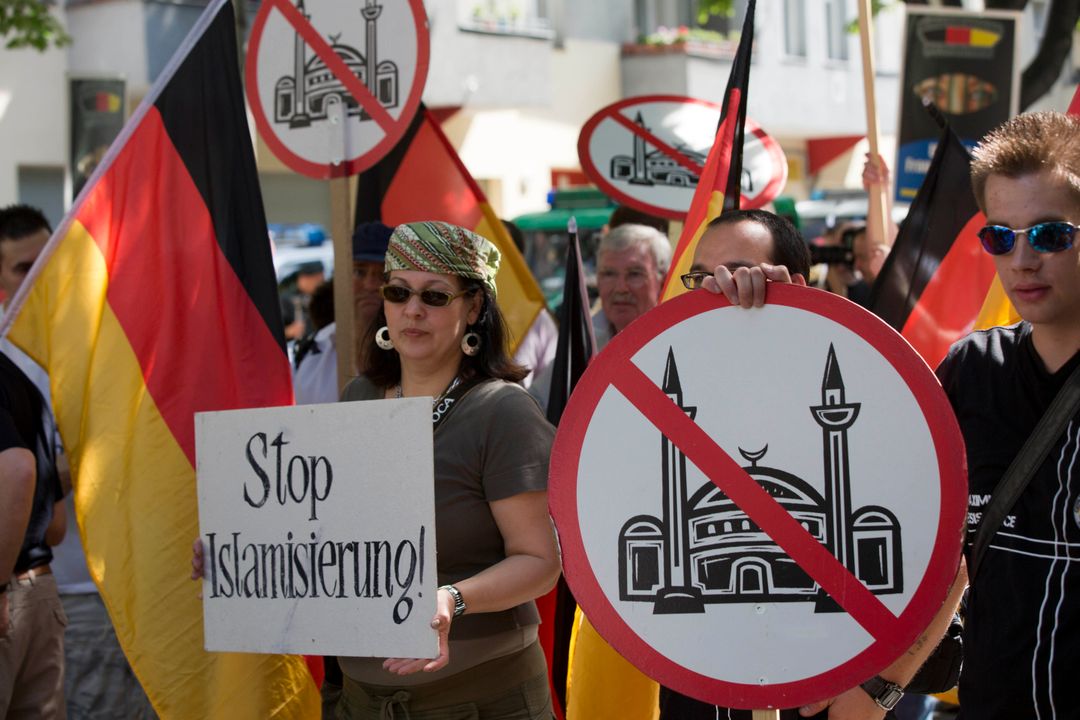
This media bias contributes to the normalisation of exclusion and provides an additional platform for positions that have long since become socially acceptable in political debate.
On the streets, in government offices, when searching for housing, at work, in the media, and in the minds of many people.
The actual number of unreported cases is often greater than what official figures show. Ignoring the problem only deepens its roots. However, giving in to despair would be a mistake.
The task for the coming years will be not only to document Islamophobia but to counter it with all available means.
This includes education, protecting those affected, and fostering a culture of cooperation and respect that enables participation and leaves no room for hatred and exclusion.
This article was first published on TRT Deutsch