 Murat Sofuoglu
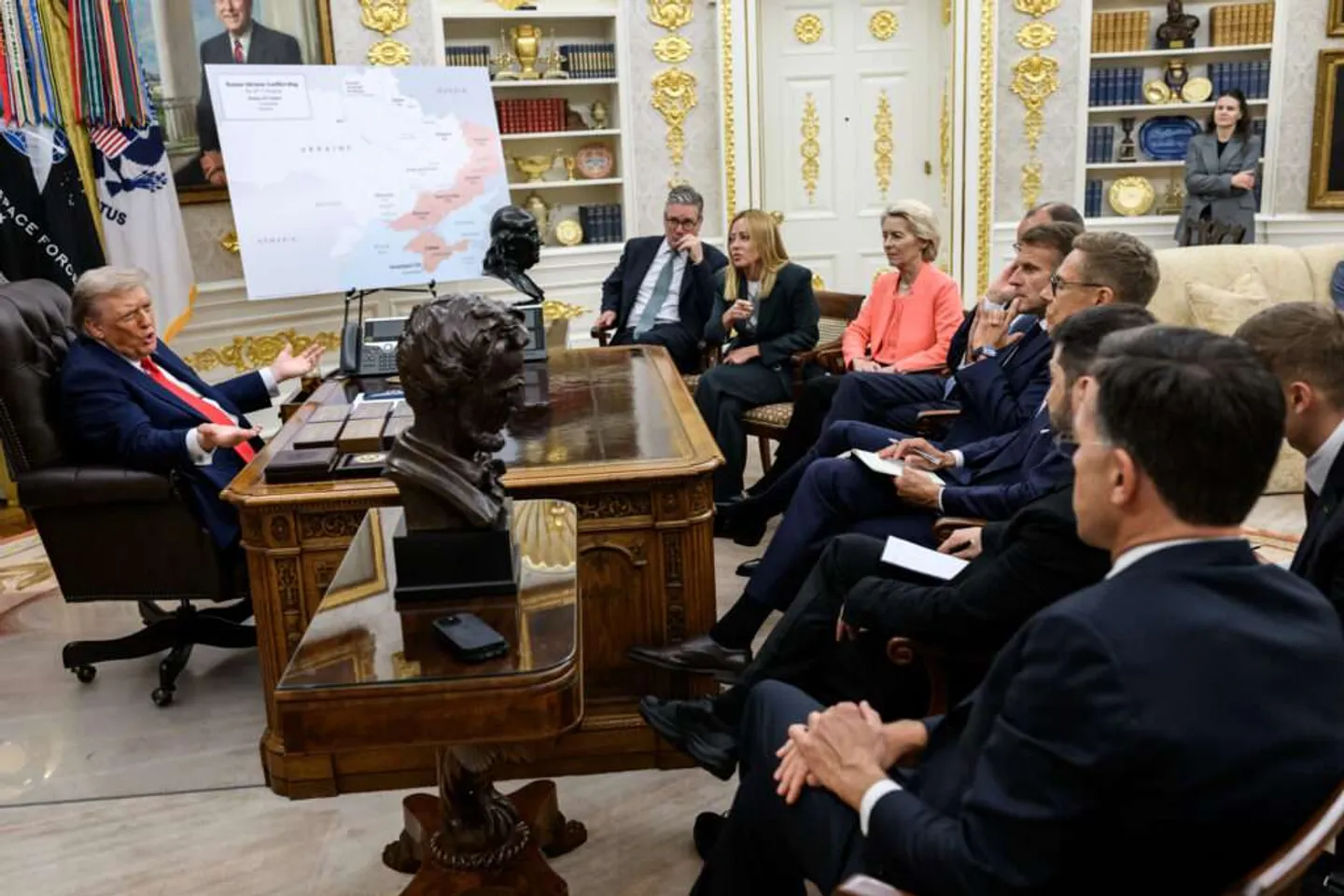
US President Donald Trump has been demanding help from Western allies to reopen the strategic Strait of Hormuz, warning that NATO might face a “very bad future” and even rebuking British premier Keith Starmer for refusing to heed his call.
Like Starmer, other European leaders have not been too enthusiastic about Trump’s request, which could potentially drag them into the middle of the US-Israel war on Iran with unclear goals.
The joint US-Israel attacks on Iran have triggered a wave of retaliatory strikes by Tehran across the Gulf, targeting American military bases from the UAE to Qatar, Saudi Arabia, Bahrain, Kuwait and Jordan.
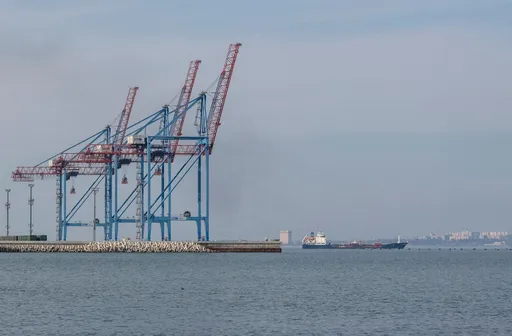
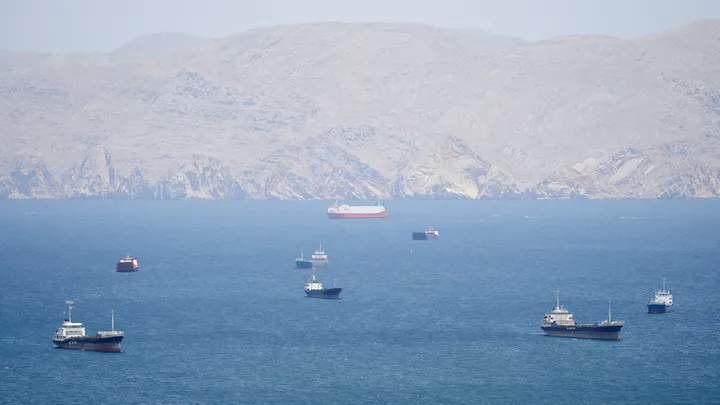
The Shia-majority country has also blocked off the strategic Strait of Hormuz, leading to a dramatic fall in oil exports and pushing crude prices above $100 a barrel.
Israel also attacked Iran’s oil depots and, most recently, targeted the South Pars gas field – the world's largest natural gas deposits – increasing fears across Europe of a severe energy crisis.
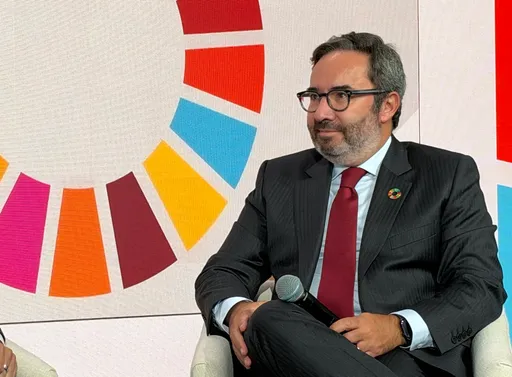
“The US is causing Europe a lot of problems, the most recent one being the strikes in Iran, which led to the blockade of the Strait of Hormuz, making energy prices go up,” Francois Gemenne, a political scientist at Sciences Po in Paris and the University of Liege in Belgium, tells TRT World.
Increasing energy prices and growing political uncertainties from the Middle East to Eastern Europe are causing European consumers and industries to suffer, as “they feel that again it has been caused by the Trump administration,” observes the Belgian political scientist.
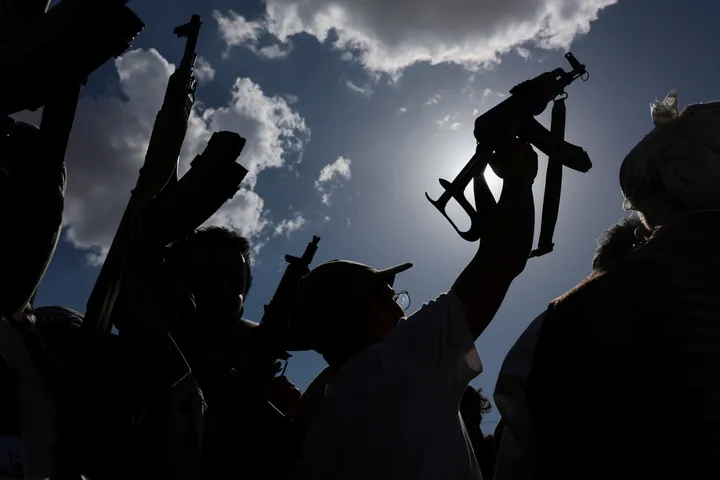
Amid the wave of attacks and counter-attacks between the US, Israel, and Iran, the Netanyahu government opened a new front in Lebanon, launching another ground offensive against Hezbollah, an ally of Tehran, while Iraqi Shia groups targeted US assets, including the American embassy in Baghdad.
While Europeans are following the current war with much anxiety due to the constantly changing narrative of the White House, worrying about its unpreparedness and incapacity to get out of the crisis, they are “almost marginally touched by the closure of the Strait of Hormuz,” Emmanuel Dupuy, a French political scientist at the Catholic University of Lille, argues.
According to the International Energy Agency (IEA), just about four percent of the region’s crude flows are routed into Europe.
While Dupuy questions the reality of the Iranian blockade of the waterway, noting that some ships continue to transit the region, other experts point out that only commercial ships with Iranian interests are apparently able to pass through the Strait of Hormuz.
Growing concerns
While Spain condemned Israel-US strikes on Iran and rejected any participation in the war, other states, from France to Germany, Belgium and Italy, have publicly called out Trump’s calls to create a collective force to ensure safe passage of commercial ships across the Strait of Hormuz, which carries 20 percent of total global oil flows.
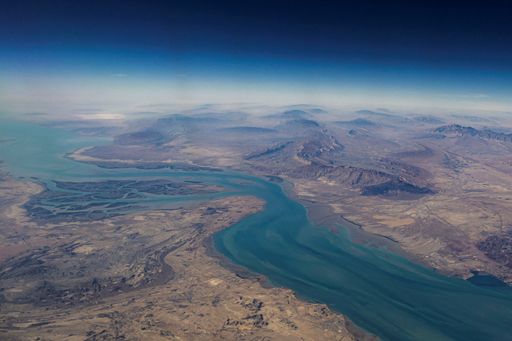
According to different estimates, at least 30 warships are required to secure commercial shipping across the waterway, signalling the difficult nature of the mission Trump demands.
Analysts also warn that while US-Israel strikes killed top Iranian political, religious and military leaders, the country’s decentralised command structure could still have the potential to inflict major damage on any force aiming to secure the strategic strait.
"We are not party to the conflict and therefore France will never take part in operations to open or liberate the Strait of Hormuz in the current context," French President Emmanuel Macron said on Tuesday at the start of a cabinet meeting in Paris, but also added that when the war de-escalates, France alongside other nations, might “take responsibility for an escort system."
While the UK considered sending warships to help the US, a British defence official said that “the level of threat is such that I don’t see many nations being willing to put warships into the middle of that threat right now.”
There are two major reasons Europeans are unwilling to engage in this mission, according to Gemenne.
First, Europeans consider that this is “a problem that the US administration has created, and now it has to deal with the problem. They feel this is Trump's war, not their war,” Gemenne says. “And the second reason is that Europeans will not engage in military operations in Iran.”
In the face of a recent NATO statement that signalled the “allies are working together” to discuss opening the Strait of Hormuz, experts also point out that European countries might be looking for the right modality for their participation in Trump’s call.
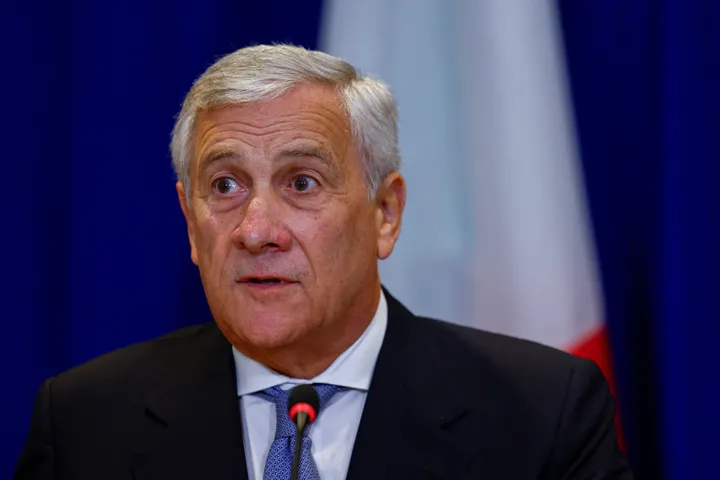
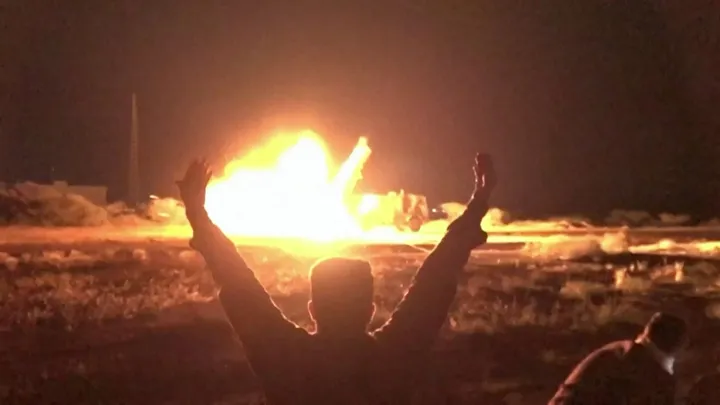



“Europeans do not want to do it under the umbrella or under the military command of the US,” Dupuy tells TRT World. “In a nutshell, we would only intervene in the conflict if there's a UN mandate or UN resolution,” he argues.
Many Europeans are hesitant to get involved in the conflict, not because of its complicated nature, but also because of the apparent ambiguity surrounding the US-Israeli endgame.
Europeans also feel that the US has “absolutely no strategy” on how to go ahead with the Iran war, and going with it would “amount to a military debacle,” Gemenne says.
According to Gemenne, unlike the initial European reaction, which expected that Iran’s religious-political structure would collapse, now everyone realises that this will not happen, and they want the US to end its strikes on Tehran. “They want the US military out of the region,” he says.
But besides Trump, there is also an Israeli factor, which seems to be more influential than any other aspect in the current US decision-making process on Iran and the larger Middle East region, according to experts and top former Western intelligence officials.
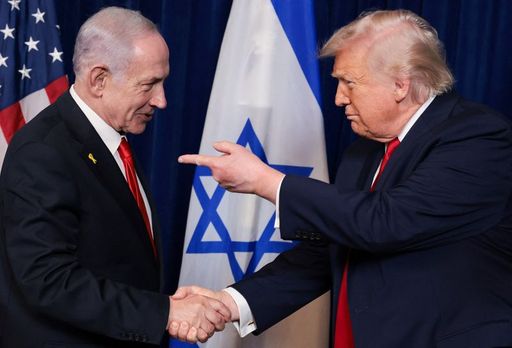
“It's Israel's war, so that's also the way it is perceived in Europe,” Gemenne says, referring to the Iran war. It is perceived that, in a way, the US was ambushed into this by Netanyahu,” he says.
While Europeans understand Iran is a threat to Israel, it is not a threat to the US, according to Gemenne. “So the stakes are not the same,” he says. As a result, they also want to see Israel diminish its presence in the region, he adds.
‘Damaged relationship’
Prior to the Iran war, which began with US-Israel strikes on February 28, apparently without any consultations with Western nations, relations between the transatlantic allies were already frayed over the Ukraine war and Trump’s tariffs on the UK and EU states.
While the Trump administration wanted to get out of the Ukraine conflict by seeking a compromise with the Kremlin under Vladimir Putin’s leadership, European states preferred to continue supporting Kiev to cut Moscow’s growing clout in Eastern Europe.
Trump’s treatment of European allies like his vassal states in different settings has also led to a growing anger across the West, diminishing trust between the US and other Western states.
The latest US national security document described Europe as in a state of identity crisis, with a “prospect of civilisational erasure” and a lack of “self-confidence.”
“Europe feels it is badly treated, despised and constantly attacked by the US. They perceive the US as a regime that is hostile to them,” says Gemenne, adding that growing distrust and mutual suspicions also raise questions about the future of NATO.
“Most Europeans are convinced that NATO wouldn't work today if they were attacked, and that they wouldn't be protected by the US.”
But Dupuy has a different view of NATO’s functions, believing that the organisation is a sideshow of the US government, citing the country’s strong position in the alliance’s arms procurement. Last year, the US spent about $980bn, which was 62 percent of all NATO members combined.
Beyond NATO, the deteriorating trend between the US and Europe hit commercial, science and cultural connections.
“Brand America has lost it in terms of marketing… America used to be very popular in Europe, not anymore. We see this in the decline in the number of tourists and in the number of academic exchanges,” says Gemenne.
In the face of differing political agendas, both sides seek different partners to secure their political and economic future against the backdrop of growing global competition among the US, Russia and China, which shows signs of a return to the great-power politics of the past.
“This is really a stained and damaged relationship,” says Gemenne. “The US used to be considered a historical ally of Europe. Now, a vast majority of Europeans no longer consider the US as an ally and a trustworthy partner. Europe is actively pursuing a beefing up of its defence industry. Europe has come to realise that it could only count on itself,” he adds.
“What we used to call the West does not exist anymore.”