 Murat Sofuoglu
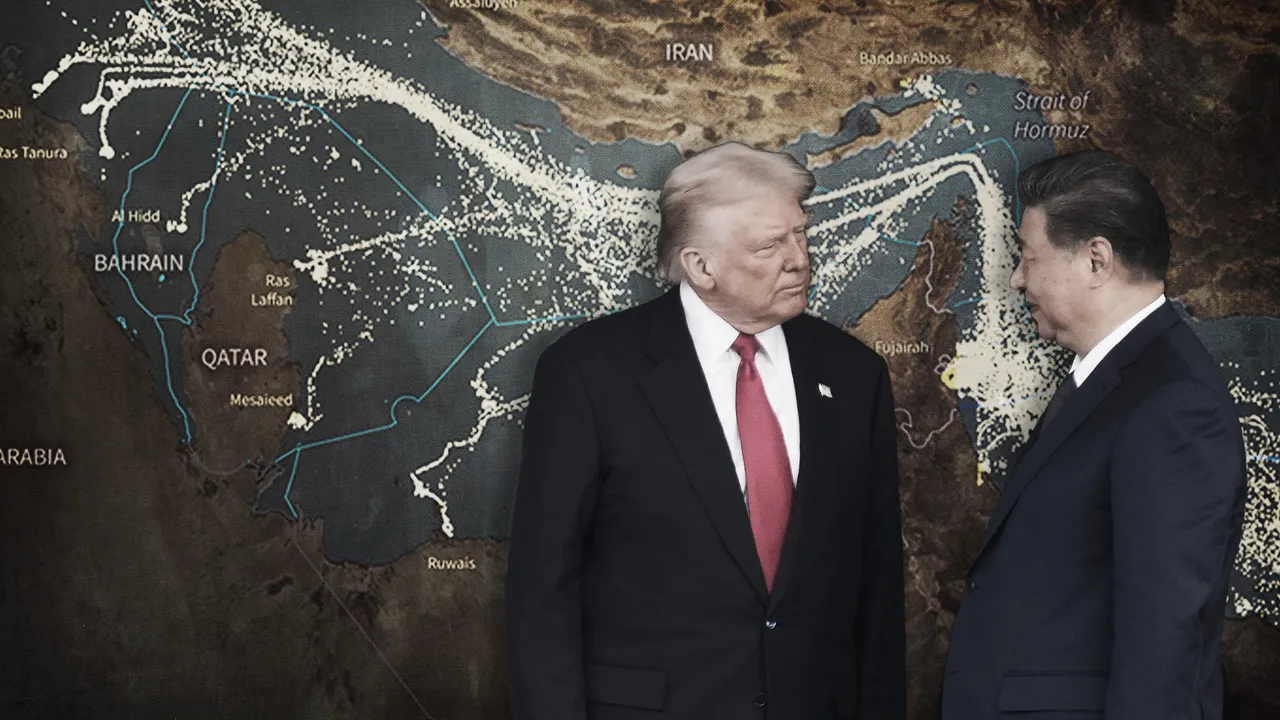
US-Iran tensions in the Strait of Hormuz have reached a flashpoint that China, the world’s largest importer of oil through the Gulf’s primary chokepoint, can not ignore.
The Trump administration has imposed a secondary blockade across the Strait of Hormuz following Tehran’s move to restrict waterway traffic for US-linked vessels; this “double blockade” has left Beijing increasingly anxious as rising oil prices begin to destabilise the global economy.
While a fragile US-Iran ceasefire remains in place until this Wednesday, stability is waning.
Following the recent US seizure of a Tehran-linked cargo ship, Iran has vowed to retaliate, even as a US delegation waits in Islamabad for a second round of talks. China, leveraging its deep trade ties with Pakistan, has emerged as a strong supporter of these negotiations.
Some analysts and officials, including US Treasury Secretary Scott Bessent, suggest the Hormuz blockade may be aimed as much at Beijing as at Tehran.
This has fuelled fears that Iran could become “the next Caracas”, a primary energy partner whose ties with China were diminished by the US removal of Nicholas Maduro from the Venezuelan leadership.
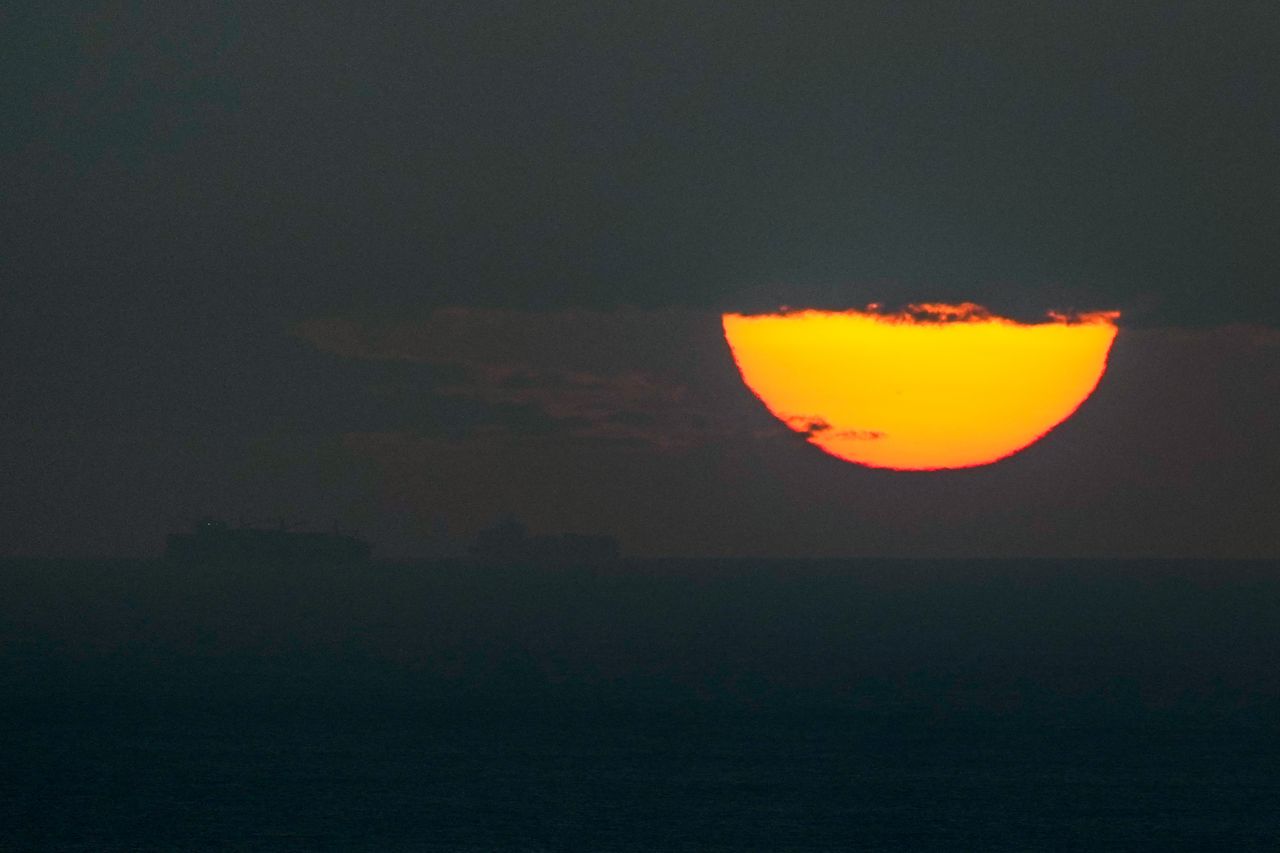
As Iran’s largest trading partner, China remains highly vulnerable, relying on the Islamic Republic for roughly 10 percent of its total oil imports.
“The blockade isn’t openly meant to target the Chinese economy, but it definitely has that effect in the background. Its main goal is to contain Iran and control access to the Strait, yet because China relies heavily on oil shipments from the region, it naturally feels the pressure too,” Altay Atli, a senior scholar at Sabanci University’s Istanbul Policy Center, tells TRT World.
“It also sends a signal to Beijing, since Chinese tankers could face restrictions, which makes it a broader geopolitical challenge for China.
“If US–China tensions escalate further, a prolonged blockade could even be seen as a direct attempt to squeeze China economically, but that’s more of a possible outcome than an official or stated objective right now.”
China, however, has spent years diversifying its economy to prepare for a crisis like the current blockade.
The Hormuz standoff highlights Beijing's long-term push to reduce dependence on fossil fuels in favour of green energy and electric vehicles.
According to a Reuters analysis, China now commands an electric vehicle fleet roughly as large as the rest of the world’s combined.
By developing “vast and growing oil stockpiles” and an “electricity grid that is almost insulated” from oil shocks through domestic coal and renewables, Beijing has built a significant strategic buffer.
Since China is already a leader in these sectors, Atli notes that “the crisis doesn’t just push its energy security strategy forward; it also strengthens its global position in the move away from fossil fuels.”
Trump, Xi, and Iran
President Donald Trump is scheduled to meet Chinese leader Xi Jinping in Beijing on May 14–15 to discuss a wide-ranging agenda, from the future of the global order to the administration’s aggressive tariff policies.
The summit, originally planned for early spring, was delayed following the outbreak of the US-Israel war against Iran on February 28.
On Friday, after Tehran briefly opened the Strait of Hormuz as a gesture linked to the Israel-Lebanon ceasefire, Trump posted on Truth Social that President Xi was “very happy” about the waterway’s reopening, seeking to signal strong personal ties between the two leaders.
However, that “happiness” was short-lived. Following Trump’s combative rhetoric, in which he claimed the opening was a result of the US bombing campaign and naval blockade, Tehran swiftly reversed course.
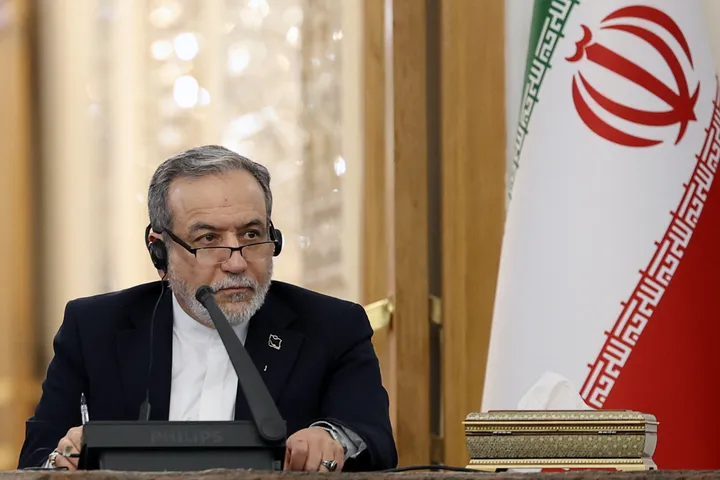
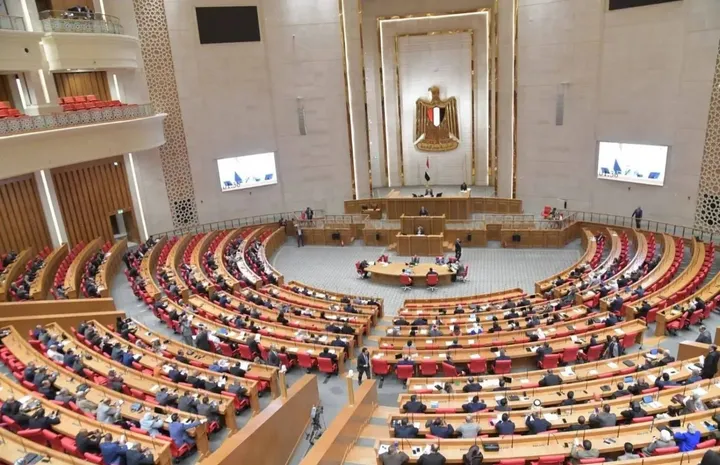
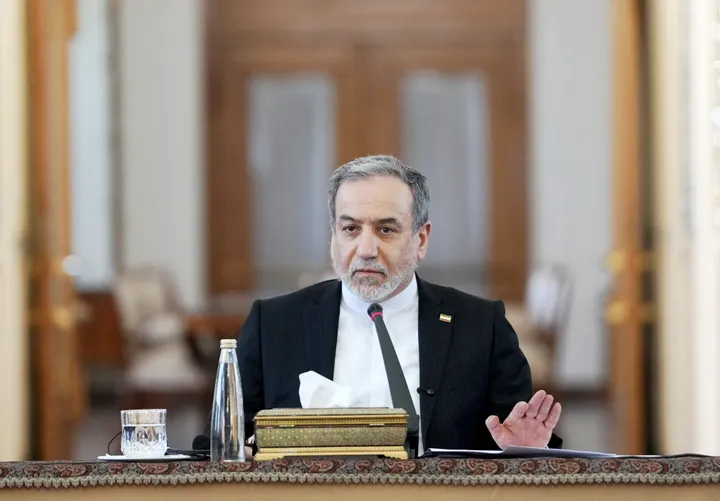
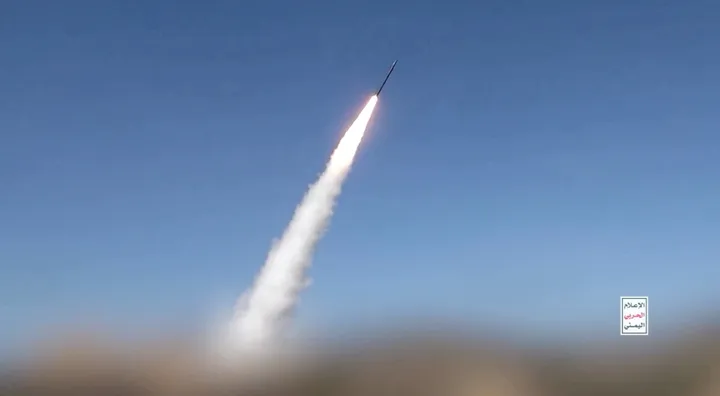
Citing the continued American blockade of Iranian ports, the IRGC announced on Saturday that the Strait is once again closed to all US-linked vessels.
Analysts point out that Iran-US tensions could have poisonous effects on the Trump-Xi summit, as Western media reports suggest that a Chinese satellite appears to help Tehran precisely target American bases in the Gulf.
There were also reports that China might supply weapons to Iran, while Trump said that Xi personally assured him that Beijing would not arm Iran.
“The Xi-Trump meeting might have more impact on the direction of the Iran conflict than any other factors,” Yasar Sari, a political analyst, tells TRT World.
As a result, Trump will be more careful about stopping Chinese vessels headed to or from Iran in the Gulf region, which could move relations towards a risky path and make his personal relationship with Xi poisonous, Sari, who is also a scholar at the Haydar Aliyev Eurasian Research Centre of Ibn Haldun University, says.
Other analysts also believe that despite Trump’s overly confident remarks about his relationship with Xi, their relationship might take an awkward turn if the US blockade on Hormuz targets Chinese vessels.
“The US-China dialogue will come to a complete standstill, preventing any positive development in relations,” Atli tells TRT World.
However, China will not respond to the American measure by sending warships to scale back Trump’s blockade, as China’s relationship with Iran is “more of a pragmatic partnership than an alliance,” he says.
“It supports Iran enough to protect its own interests and push back against US pressure, but it avoids any direct military commitment or confrontation.”
Iran geopolitics: Why it matters to China
Beyond its vast oil reserves and anti-Western stance, Iran, a country situated between Central Asia and the Middle East, is also an important transit route for China's access to both regions.
If the current Islamic Republic of Iran collapsed and were replaced by a pro-Western government, that would compromise not only Chinese interests in Tehran but also China's leverage across both Central Asia and the Middle East, according to Sari.
In this case, the US and other Western states might reach Central Asia via Iran, putting both Beijing and Moscow, which ruled the region in both its imperial and communist eras, in an awkward position, he adds.
China's Belt and Road Initiative’s southern corridor also runs through Central Asia and Iran
Beyond Iran’s crucial geopolitics, China also does not want to see the war escalate into more violent confrontations between Israel, the US and Iran, as Beijing would be forced to revise its economic and political planning for the Middle East and Central Asia, according to experts.
The continuation of the war might lead to a radical and unpleasant shift in the current international trade system, which favours China’s global economic stance and policies, says Sari.
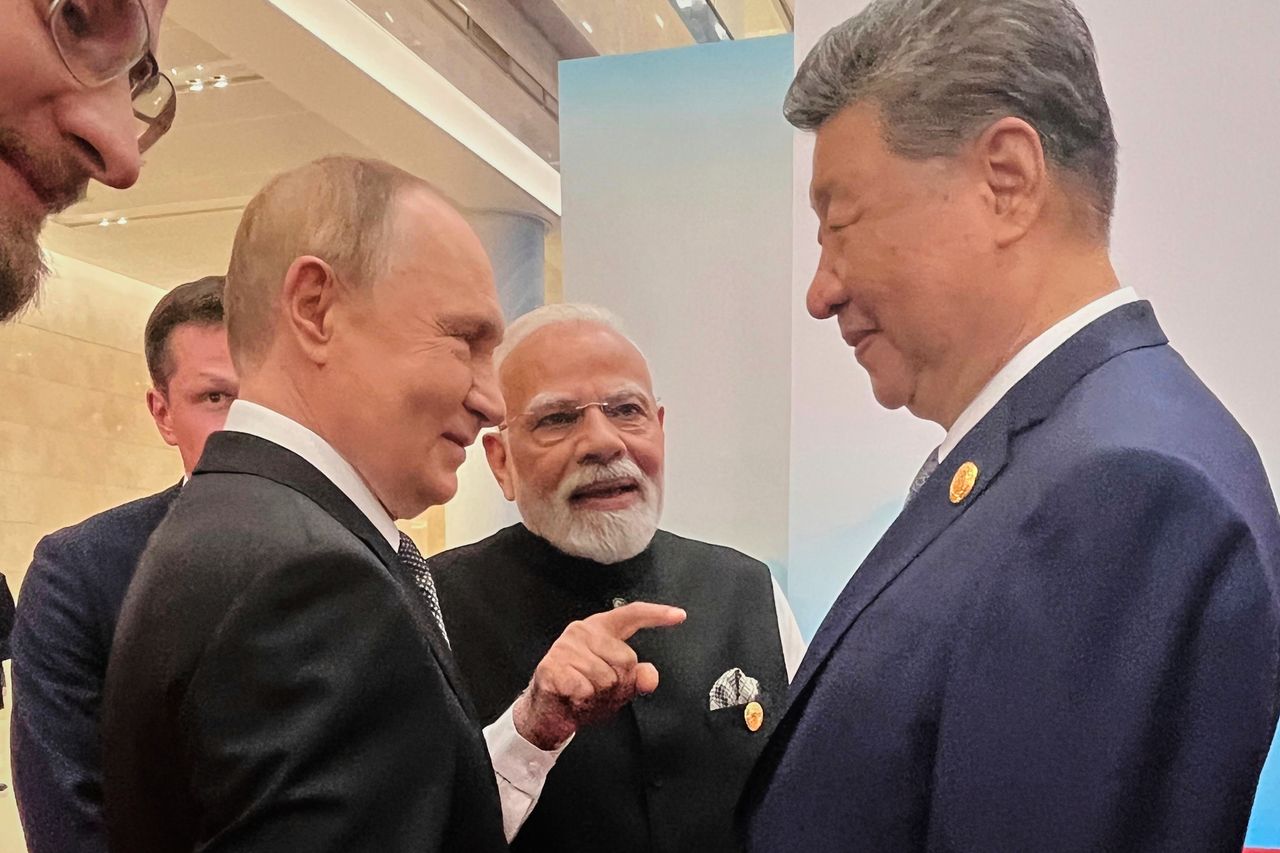
“Beijing might be worrying about a possibility that other Western states might join the US-Israel duo against Iran despite Trump’s public spats with leaders from Britain to France and others.”
China wants an end to the conflict on terms that would prolong it, which will increase differences between the US and Europe, as Gulf Arab countries feel more insecure about American bases and seek better alternatives for their security, the analyst says.
“The Chinese role in the previous Saudi-Iran normalisation shows us that Beijing wants to see its mediation role in the region grow to a better outlook,” Sari adds.
“As a result, if the Iran war ends in a way, which signals the importance of China’s presence in the region, that’s better for them.”