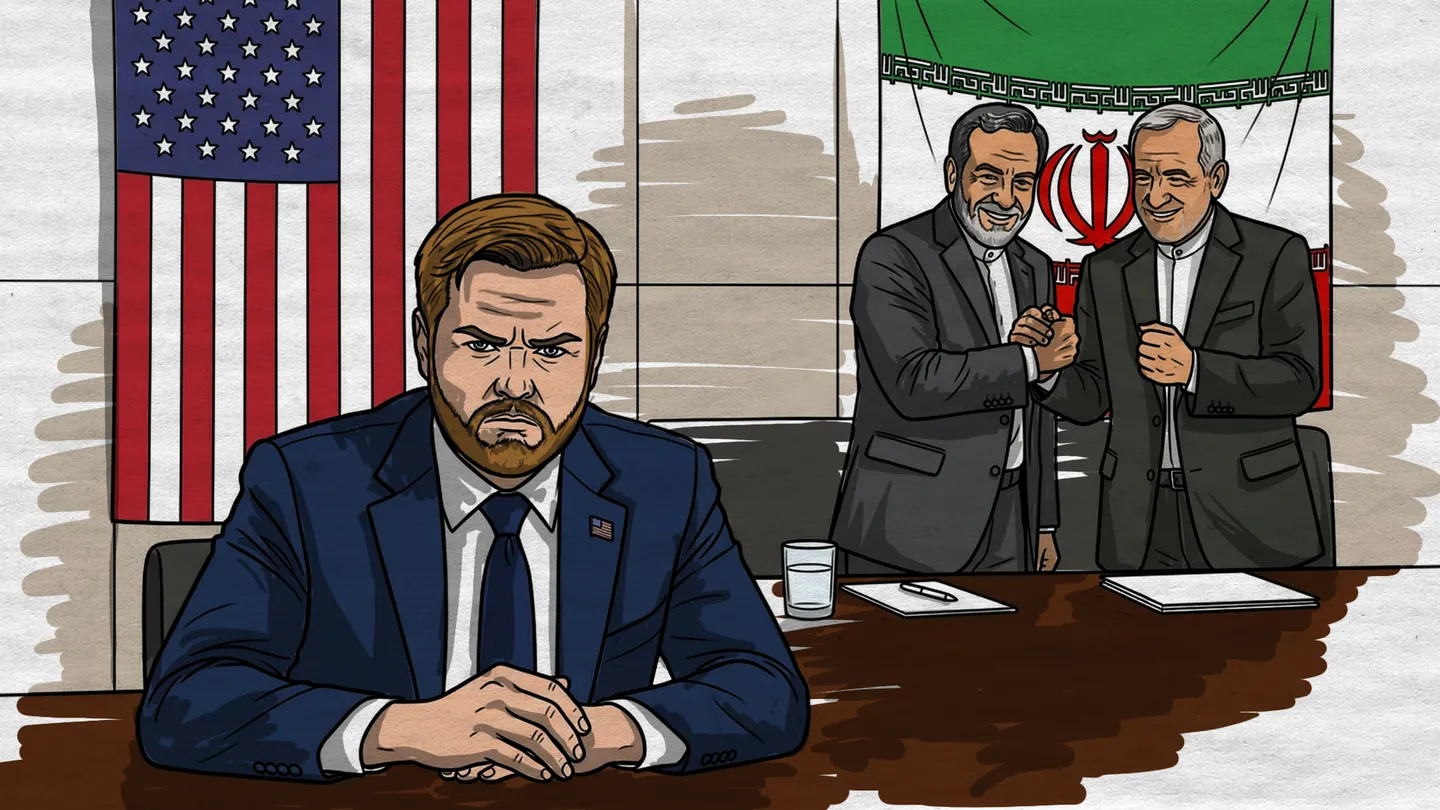
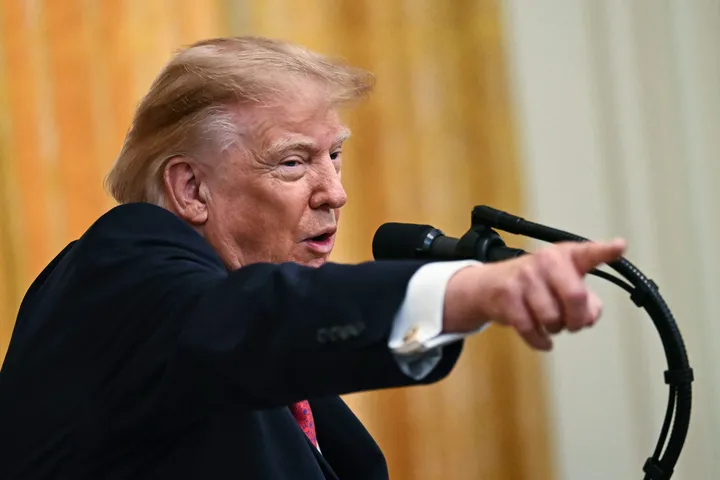
US Vice President JD Vance said that Iran's public denial of peace talks is a deliberate “Persian negotiating tactic,” while confirming that technical talks between Washington and Tehran are underway.
Vance described Tehran's position on Tuesday as “fascinating and frustrating,” saying Iranian officials deny peace negotiations while acknowledging technical discussions linked to a possible deal. He said the approach reflected a rhetorical style he did not understand.
His remarks highlight the mistrust and communication gaps that continue to shape US-Iran diplomacy as both sides navigate efforts to end the conflict and define the terms of any future agreement.
The bazaar is not just a marketplace
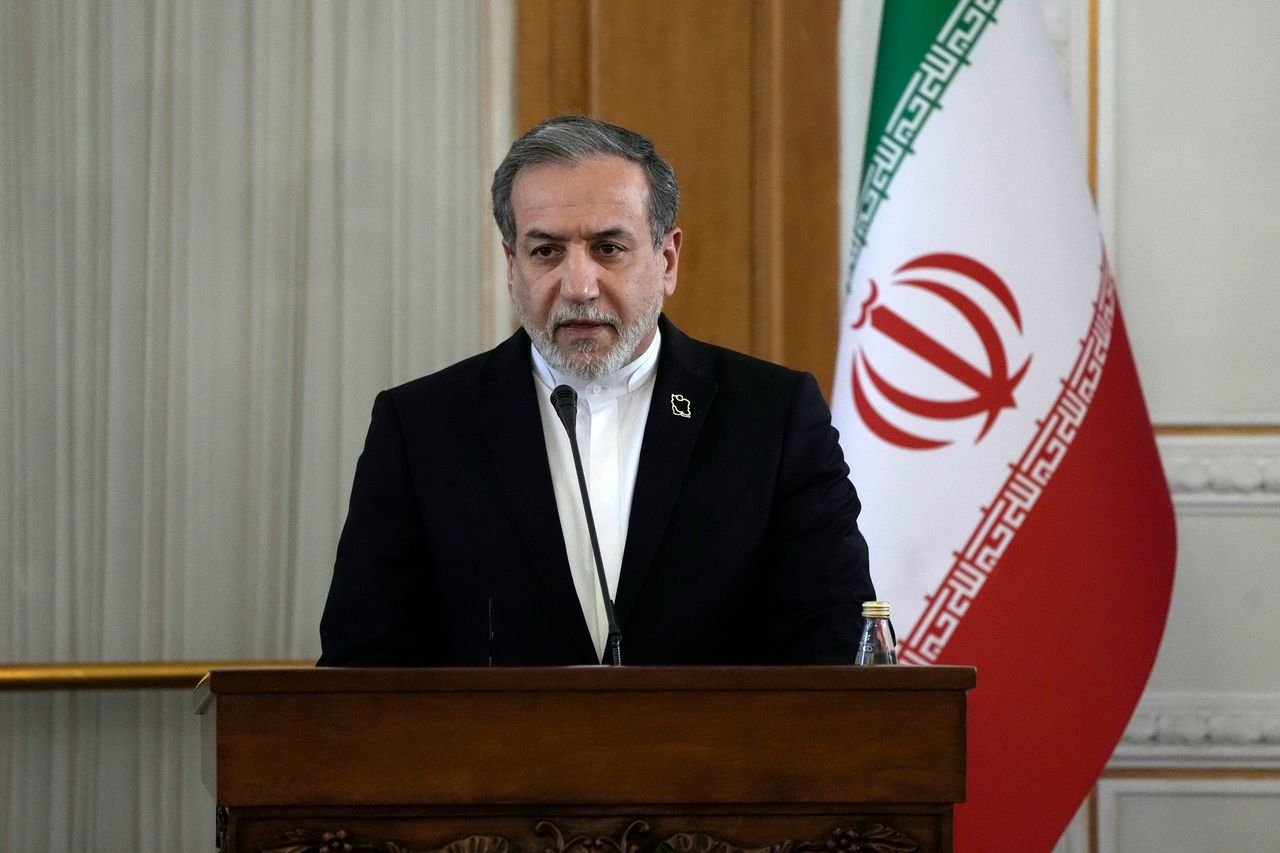
To understand how Iran negotiates, one must start from the bazaar. Iran's foreign minister Abbas Araghchi, one of the country's most seasoned diplomats, was open about this in his 2025 political memoir, The Power of Negotiation, writing that "the Iranian negotiation style is generally known in the world as the 'bazaar style,' which means continuous and tireless bargaining."
In the traditional Persian bazaar, the first price is never final. Maximalist opening demands, protracted attritional bargaining, and the strategic manipulation of time are not ad hoc tactics, they are standard operating procedure.
The goal is not to reach a deal quickly. The goal is to reach the best possible deal, even if that takes years.
Taarof: the art of saying no while meaning maybe
In Iranian culture, taarof is a complex etiquette of offering and refusing that can confuse outsiders. Diplomatically, it often appears as exaggerated civility: an Iranian official may initially decline an offer several times or couch demands in elaborate flattery.
What Vance witnessed, Tehran denying talks while simultaneously describing them in detail, is textbook taarof. Iranian officials often tailor public statements for domestic audiences, meaning their rhetoric does not always reflect their actual position or intentions in negotiations with foreign counterparts.
Iran cannot appear to yield to the Americans even as they both engage in diplomacy mostly through mediators from Pakistan or Qatar.
Zerangi: cleverness as a weapon



Iranian negotiators admire a clever argument. They call this cleverness zerangi, which in the psyche of the Iranian negotiator gives him legitimacy to make dramatic departures from the course of talks, as well as using threats, bluffing, and disinformation.
A negotiator who is adept at discourse manipulation is highly esteemed in Iran. This is not cynicism for its own sake. The concept of zerangi is a source of pride and social capital.
For Iran, appearing rhetorically stronger in negotiations is often seen as a victory, regardless of what the final agreement ultimately delivers.
Time is a weapon, not a deadline
Many US officials see negotiations as a way to resolve disputes, preferring direct, results-driven talks designed to reach agreements quickly and move to implementation. On the other side, Iranian leaders often approach negotiations as a strategic contest in which time itself becomes a weapon.
Success is not necessarily measured by reaching an agreement, it may be measured by preserving options, exhausting an opponent's political patience, surviving external pressure and advancing long-term objectives one increment at a time.
As one analyst put it, "Trumpian diplomacy tends to value speed, spectacle and a visible deal," while Iran's approach is built on the clash of negotiating tempos.
Where does this leave the current talks?
The MoU between Washington and Tehran, brokered by Pakistan and signed on 18 June, provides a framework for ending the war, covering a ceasefire, sanctions relief, the nuclear file, the Strait of Hormuz and regional security.
But Iran's public denial of direct talks, even as Doha discussions proceed through Qatari mediators, is entirely consistent with its historical playbook.
Washington sees delay; Tehran sees bargaining. Each side believes the other is behaving irrationally, even though both are actually operating under different strategic assumptions.
Vance says Washington cares about what Iran does, not what it says. That may be exactly the right approach because in Persian negotiating culture, what is said and what is meant are rarely the same thing.