 Noureldein Ghanem
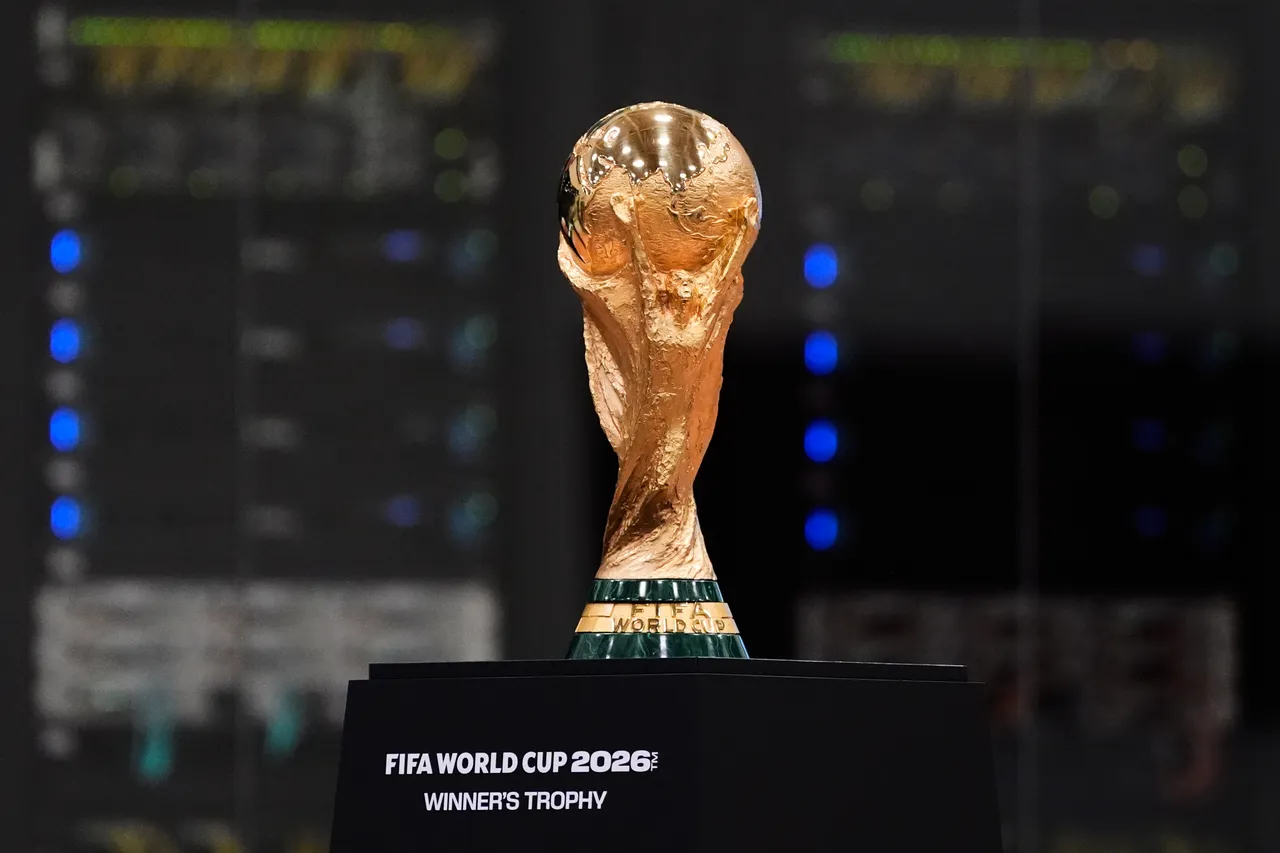
Washington, DC — As the final whistles echoed across North America on Saturday, the largest group stage in FIFA World Cup history drew to a dramatic close, ending two weeks of stunning twists, crushing heartbreak, and unforgettable surprises.
Forty-eight teams began the tournament with dreams of lifting football's biggest prize, but the expanded format proved unforgiving, as established powers survived tense qualification battles while several emerging nations seized the opportunity to announce themselves on the world stage.
Packed stadiums and millions of viewers witnessed a group phase filled with late winners, stunning upsets and emotional farewells, setting the stage for what promises to be an unpredictable knockout round.
The conclusion of the group stage also highlighted the growing depth of international football. Traditional heavyweights such as Brazil, France, England and Argentina advanced as expected.
But not all top favourites advanced comfortably, with several needing composed performances under pressure to secure top spot or avoid an early exit.
For example, Portugal secured second place in their group with two draws, and Germany suffered an upset at the hands of Ecuador.
The 2026 edition also saw the largest number of African teams participating, with 10 entering the fray and nine advancing to the knockout stage – Morocco, Algeria, Senegal, Egypt, Ivory Coast, Ghana, DRC, South Africa, and Cape Verde. Throughout all six participations, Tunisia was unable to advance beyond the group stage.
The expanded 48-team format delivered exactly the kind of drama FIFA envisioned, giving more nations a realistic chance of reaching the knockout stage while producing meaningful matches deep into the final round of group fixtures.
Every goal, yellow card and goal difference calculation carried enormous significance as teams battled not only for qualification but also for favourable Round of 32 matchups.
Now the margin for error has disappeared.
The Round of 32 ushers in the win-or-go-home phase where reputations are forged, and World Cup legends are made.
With underdogs carrying newfound belief, title contenders beginning to hit their stride and several mouthwatering heavyweight clashes already on the schedule, the tournament enters its most compelling chapter, where every match could produce another unforgettable moment in World Cup history.
Groupings and upcoming matches
FIFA has split the bracket into two sides. And after this round half of the teams will go home, setting stage for an even more exciting Round of 16.
The format is: top 2 teams from each of the 12 groups + the 8 best third-placed teams advance.
Group A
Mexico (1st)
South Africa (2nd)
Group B
Switzerland (1st)
Canada (2nd)
Bosnia and Herzegovina (3rd – best third)
Group C
Brazil (1st)
Morocco (2nd)
Group D
United States (1st)
Australia (2nd)
Paraguay (3rd)
Group E
Germany (1st)
Ivory Coast / Côte d'Ivoire (2nd)
Ecuador (3rd)
Group F
Netherlands (1st)
Japan (2nd)
Sweden (3rd)
Group G
Belgium (1st)
Egypt (2nd)
Group H
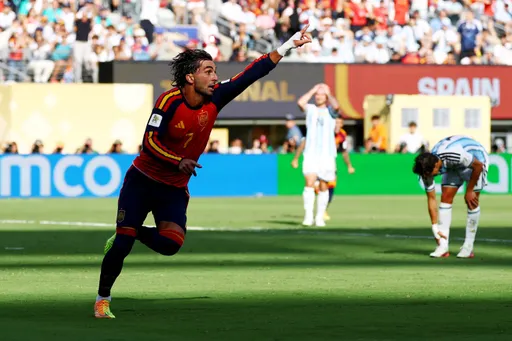
Spain (1st)
Cape Verde (2nd)
Group I
France (1st)
Norway (2nd)
Senegal (3rd)
Group J

Argentina (1st)
Austria (2nd)
Algeria (3rd)
Group K
Colombia (1st)
Portugal (2nd)
DR Congo / Congo DR (3rd)
Group L
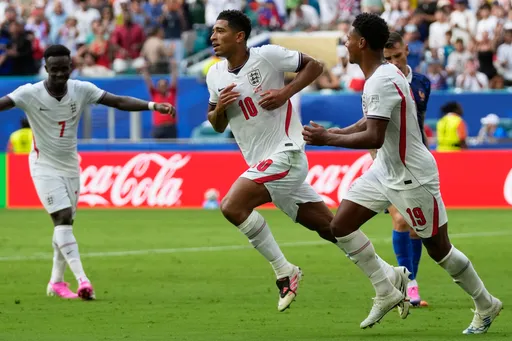
England (1st)
Croatia (2nd)
Ghana (3rd)
The upcoming matches will be on the following dates:
Sunday, June 28
South Africa vs Canada
Monday, June 29
Brazil vs Japan
Germany vs Paraguay
The Netherlands vs Morocco
Tuesday, June 30
Ivory Coast vs Norway
France vs Sweden
Mexico vs Ecuador
Wednesday, July 1
England vs DR Congo
Belgium vs Senegal
USA vs Bosnia and Herzegovina
Thursday, July 2
Spain vs Austria
Portugal vs Croatia
Switzerland vs Algeria
Friday, July 3
Australia vs Egypt
Argentina vs Cape Verde
Colombia vs Ghana
Golden Boot race intensifies
One of the highlights of any World Cup is the Golden Boot race, and the fight for the award started from matchday one.
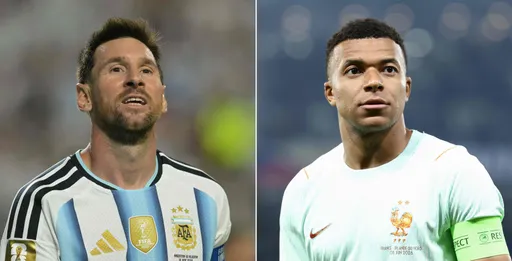
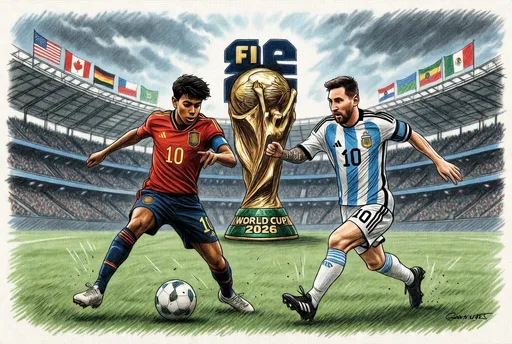
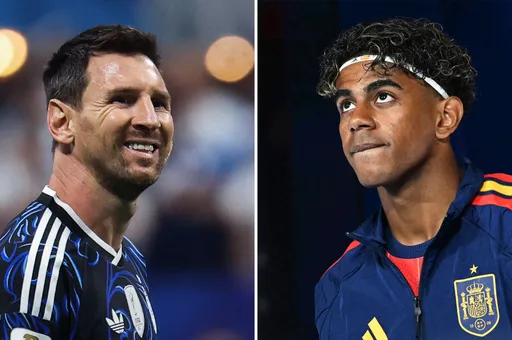
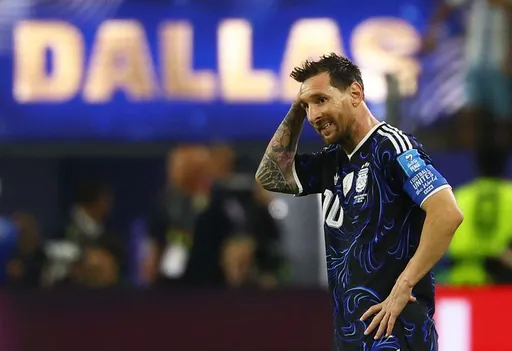
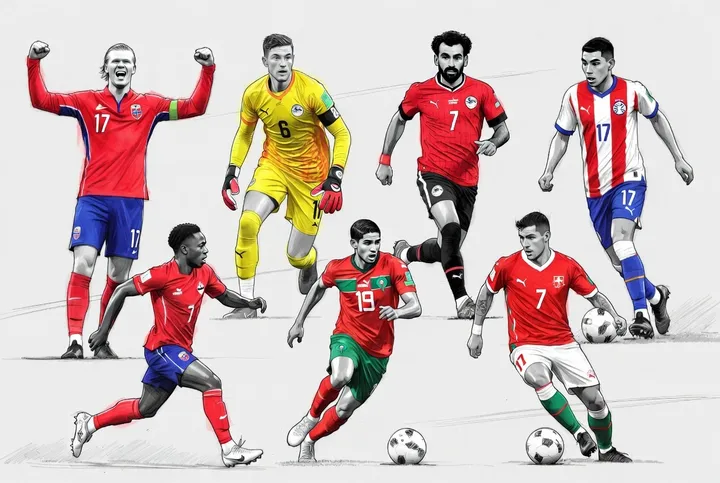
Lionel Messi, who became the World Cup's all-time leading top scorer in the tournament, is currently leading the standings with six goals.
The second place, with four goals, is shared between four players, including France's Kylian Mbappe, Norway's Erling Haaland, Brazil's Vinicius Junior and France's Ousmane Dembele.
The race to the top assist providers is also intensifying. The first place is shared among three players, Sweden's Alexander Isak, Brazil's Bruno Guimaraes and France's Michael Olise.
The second place is shared between many players, including the Netherlands' Denzel Dumfries, Egypt's Mohamed Salah, France's Mbappe, Germany's Florian Wirtz and others.

Surprises and broken records
The 2026 World Cup has seen many surprises and record-breaking moments.
Although the edition is still halfway through, it has already seen a record 215 goals, more than any previous World Cup.
Messi, breaking records for fun, became the World Cup's all-time leading goal scorer with 19 goals.
Portugal's Cristiano Ronaldo became the first player to ever score in six different World Cup editions.
Brazil continue to cement their reputation as the World Cup's most powerful side, extending their lead with the most goals scored by any team in the tournament's history with 244 goals, a record that was briefly broken by Germany after their crushing 7-1 win against Curacao.
Of the 32 teams qualifying for the knockout stage, six made it to the grouping for the first time: Ivory Coast, Egypt, Cape Verde, South Africa, Canada and Bosnia and Herzegovina.
Cape Verde have produced one of the tournament's standout stories. Playing in their first-ever World Cup, the island nation has not only qualified from their group but has become the smallest country by population ever to reach the World Cup knockout rounds.
As the World Cup enters its decisive stage, more surprises will take place, and more records are expected to be broken.