 Murat Sofuoglu
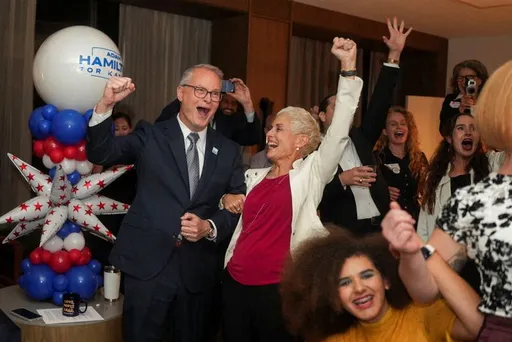
The US midterm elections on Tuesday brought a Democratic majority and several Democratic Socialists into Congress, many of whom have been sharply critical of Israel's actions in Gaza, the occupied West Bank, Lebanon and Iran.
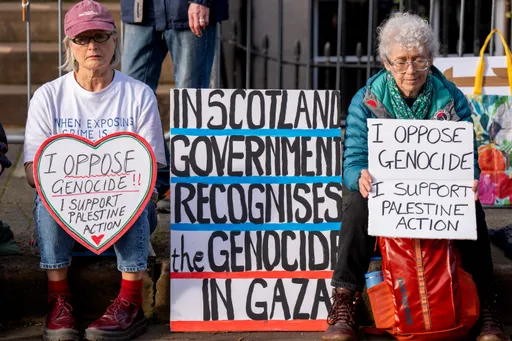
The newly elected Democratic Socialists in the House of Representatives are not merely critics of Israel. Some have taken part in pro-Palestinian demonstrations calling for an end to US aid to Israel and for sanctions against Tel Aviv.
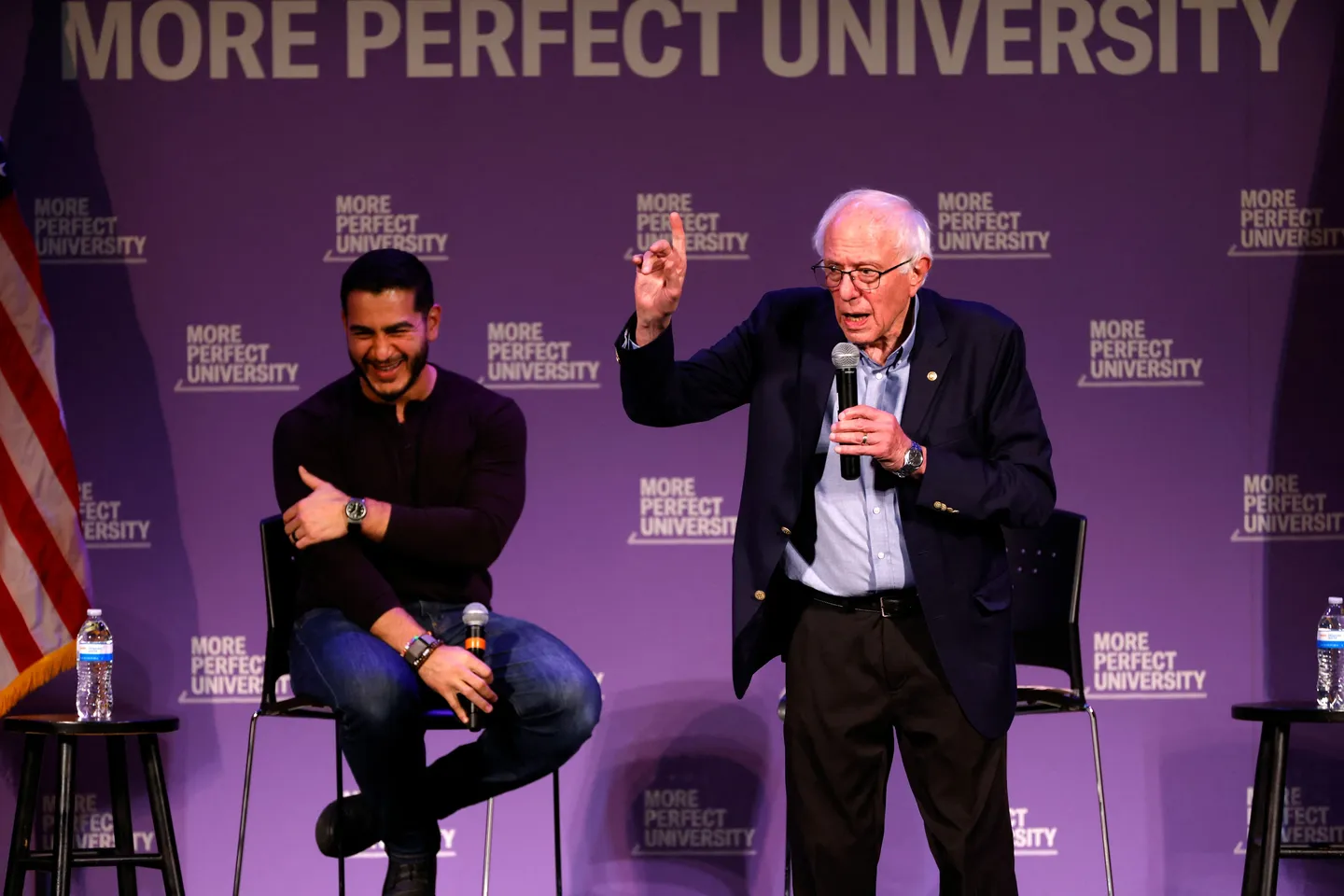
Abdul El-Sayed, who is set to become America's first Muslim senator after winning in Michigan, has also been an outspoken critic of Israel, calling for an end to US arms sales to the country.
In a sign of growing opposition to Israel among sections of the American electorate, four newly elected House members won more than 75 percent of the vote in their districts.
Claire Valdez of New York, who was arrested during a pro-Palestinian protest, won 83 percent of the vote, while Darializa Avila Chevalier, a graduate student, secured 87 percent in another New York district.
In Colorado, Melat Kiros, a 29-year-old graduate student and lawyer who was reportedly dismissed from an attorney’s office due to her pro-Palestinian post after October 7, received 78 percent of the vote.
Chris Rabb, a Pennsylvania state legislator who advocates divesting public funds from Israel, has also sought to advance legislation recognising the Nakba and Palestinian refugees' right of return. Rabb secured 93 percent of the vote Tuesday.
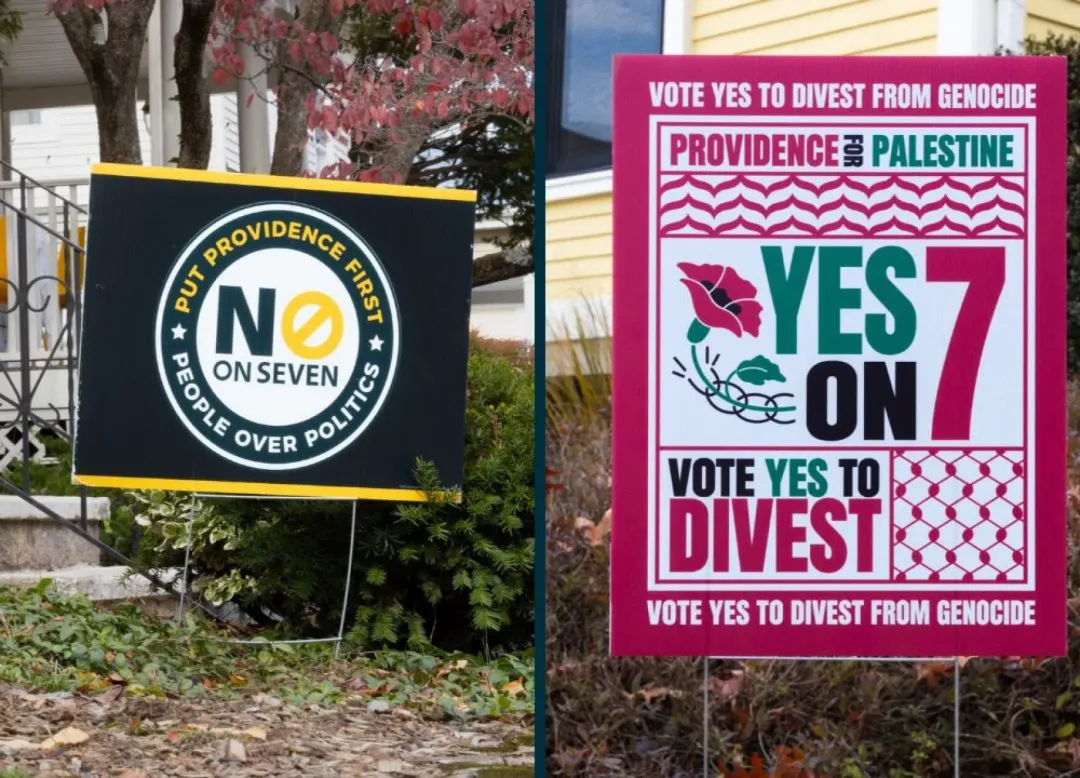
Nimrod Goren, President of the Mitvim Institute, an Israeli think tank, says that while the rise of a new generation of anti-Zionist Democrats in Congress cannot make “a significant impact” on US-Israel relations in the short term, “Israelis are concerned that they are part of an evolving trend” against their country.
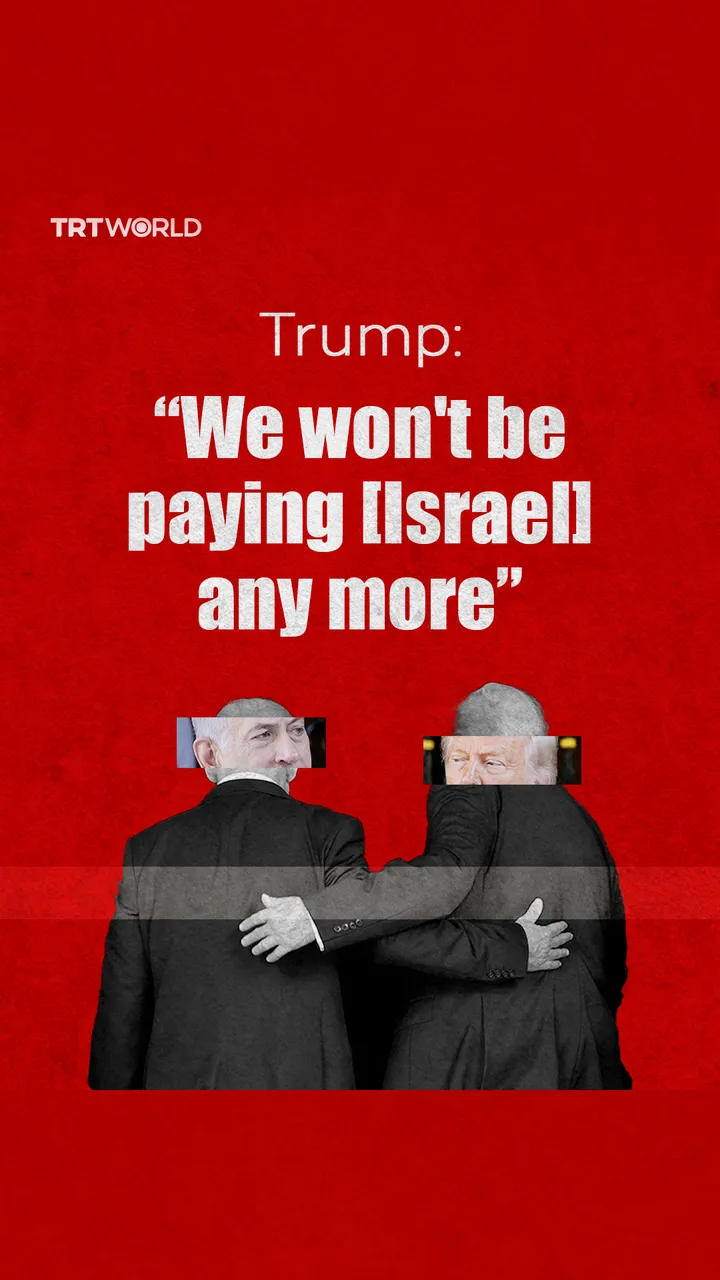
On Monday, one day before the mid-term elections, President Donald Trump abruptly announced a cut in US aid to Israel, signalling that the Republican president has begun to view Israel not as an asset but as a liability to his party’s political future.
“What Trump announced about the military aid yesterday is just the tip of the iceberg of what can change – arms sales could be blocked, sanctions will be proposed and joint economic programs defunded,” Yaakov Katz, former editor-in-chief of the Israeli newspaper The Jerusalem Post, wrote on X.
His remarks reflect concerns in Israel about the potential consequences of changing political attitudes in the United States.
Israel also held a crucial election last month, a week before the US midterms, in which Prime Minister Benjamin Netanyahu and his far-right coalition partners lost their majority in the Knesset.
Netanyahu, who claimed that the Israeli election was stolen, has yet to comment on the US midterm results.
While Trump endorsed Netanyahu shortly before the Israeli election, Vice President JD Vance declined to back the Likud leader, highlighting possible differences within the US administration over its relationship with Israel, analysts say.
Criticism of Israel: ‘Bipartisan issue’
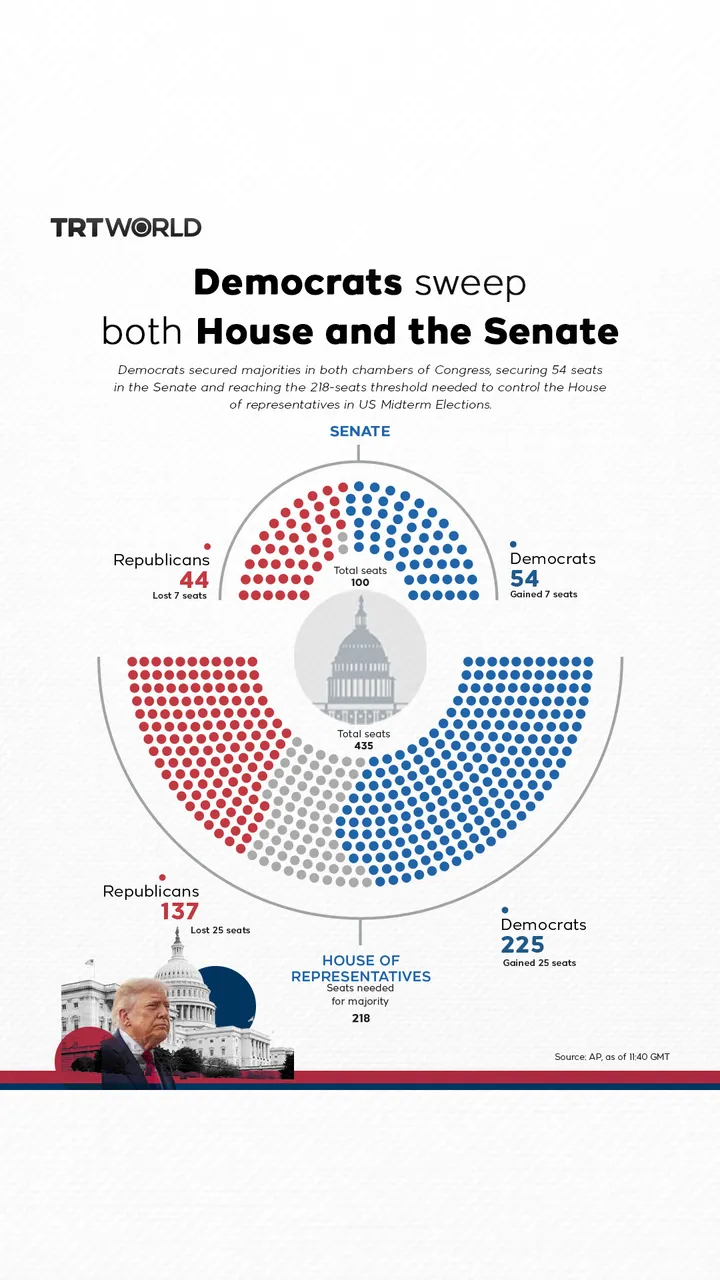
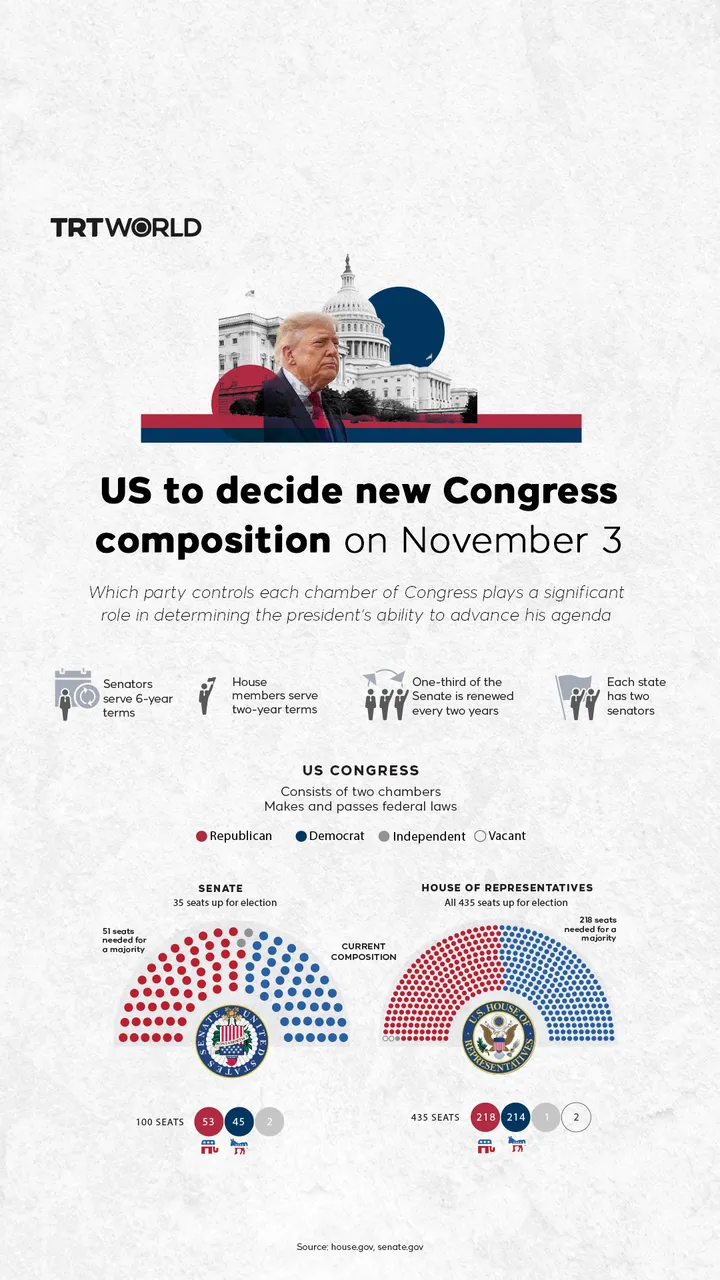

Following the Democrats' midterm victory, described by some analysts as a “blue tsunami”, Vice President JD Vance outlined four reasons for the Republican defeat, including the party's support for Israel. He acknowledged that American voters wanted to “change” Washington's relationship with Tel Aviv.
“Criticism of Israel's far-right coalition is widespread in US politics right now, and is even present among some prominent Republicans,” Goren tells TRT World.
“There are already key Republican figures putting the blame for their party's defeat on the war on Iran and on Netanyahu's advocating this war. It showcases how broad and diverse the criticism is.”
Goren nevertheless believes that a liberal resurgence could help improve Washington's relations not only with Israel but also with the wider international community.
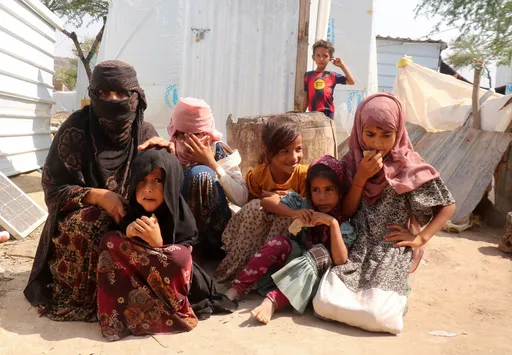
Historically, support for Israel has enjoyed bipartisan backing in Washington. However, Israel's devastating war on Gaza since October 7, which has killed tens of thousands of Palestinians and displaced millions, has contributed to growing criticism of Israel across the American political spectrum.
In July, amid tense US-Iran negotiations, Vance warned Israel against taking American support for granted. Conservative figures, including Tucker Carlson and Marjorie Taylor Greene, have also accused Netanyahu's government of interfering in US politics and undermining the MAGA movement's “America First” agenda.
“Clearly, Trump and Vance see writing on the wall and that is why both have made statements about the relationship must change which shows that it goes beyond anti-Zionists Democrats,” Zaha Hassan, a human rights lawyer and a senior fellow at the Carnegie Endowment for International Peace, tells TRT World.
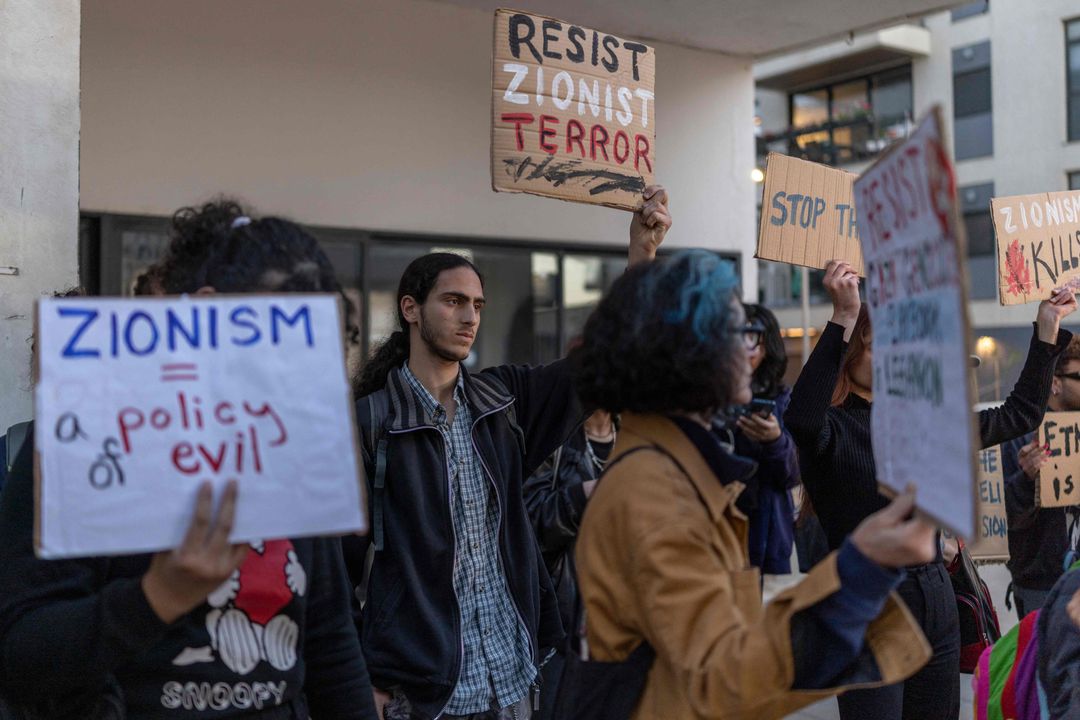
“It has become an America First issue and a human rights concern cutting across partisan divides.”
Hassan's assessment reflects mounting criticism of Israel in the United States, as international bodies have accused Israeli authorities of genocide and ethnic cleansing in the occupied Palestinian territories.
The changing political climate has also raised concerns among former Israeli officials.
“The only bipartisan issue right now is criticism of Israel,” Michael Oren, a former Israeli ambassador to the US, said in an interview with CNN
“It’s an organising principle for the Democratic Party. And it’s becoming an organizing principle for much of the Republican Party.”
Yair Golan, the head of an Israeli left-wing opposition party, who advocates a coalition government with Palestinian parties, blames Netanyahu for making Israel a pariah state in the eyes of many Americans.
“The results of the midterms tonight in the US expose how toxic Netanyahu is both among Democrats and among Republicans,” Golan said.
Growing opposition to Netanyahu among both Democrats and Republicans could further complicate his efforts to form another coalition government in Israel, as criticism of his leadership mounts at home and abroad.