 Murat Sofuoglu
Emmanuel Macron swept to power in 2017, defeating far-right candidate Marine Le Pen in a landslide victory that was widely hailed as a triumph of his newly established centrist movement over France's political extremes.
Five years later, Macron defeated Le Pen again in the second round of the 2022 presidential election, securing a second term despite the far-right leader's growing popularity.
But France faces a different political landscape ahead of the 2027 presidential election.
Macron is constitutionally barred from seeking a third consecutive term, and his centrist movement has no clear successor.
His presidency has faced mounting criticism over France's growing debt and rising living costs, amid deepening political polarisation and growing support for parties on both the far right and far left.
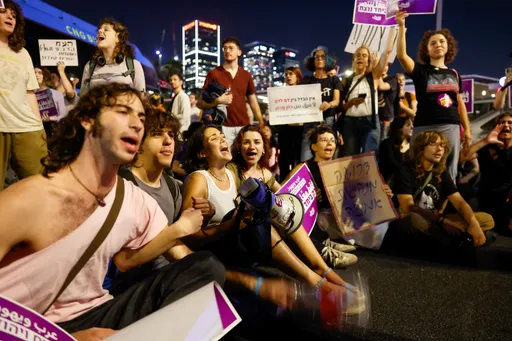
The latest wave of demonstrations, including high school students protesting against poor conditions in their schools and wider protests over economic pressures, has added to the political uncertainty. Both the far right and far left are seeking to capitalise on the unrest ahead of the election.
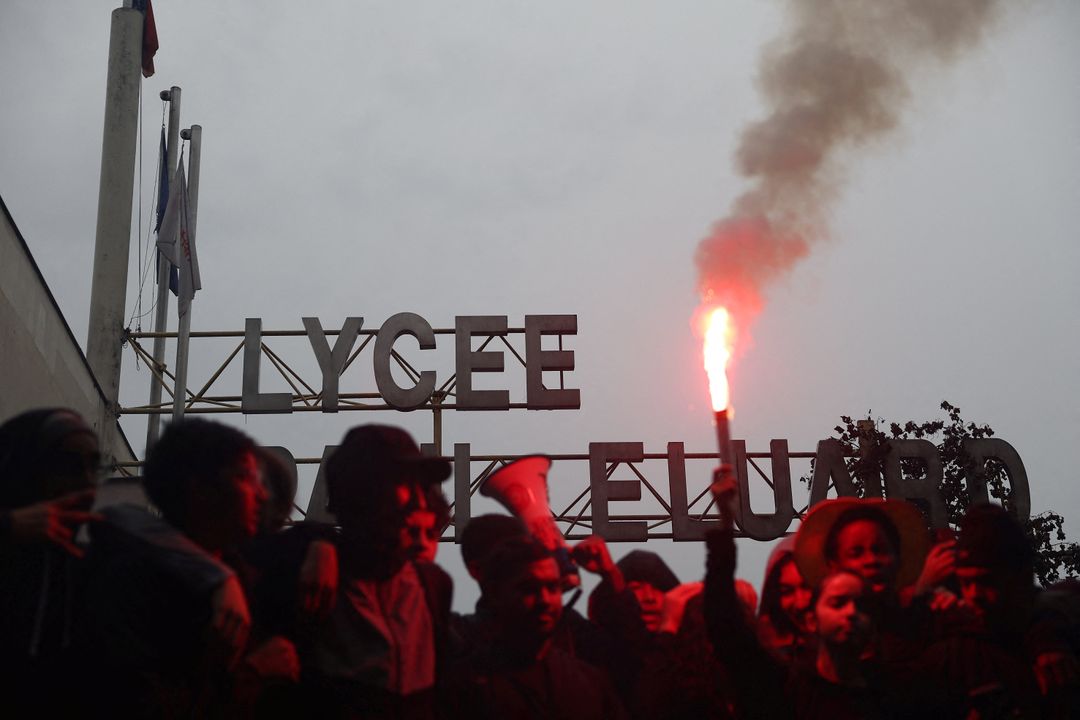
“I would say the political impact of those protests, and especially if they're associated with violence, is likely to benefit Marine Le Pen,” François Gemenne, a political scientist at Sciences Po in Paris and the University of Liege in Belgium, tells TRT World.
Violence accompanying demonstrations across France has damaged or looted thousands of businesses, intensifying criticism of Macron's government over its ability to maintain public order.
Can Le Pen capitalise on the unrest?
The unrest has raised questions about the French government's ability to contain violence accompanying demonstrations, with security forces facing scrutiny over their response.
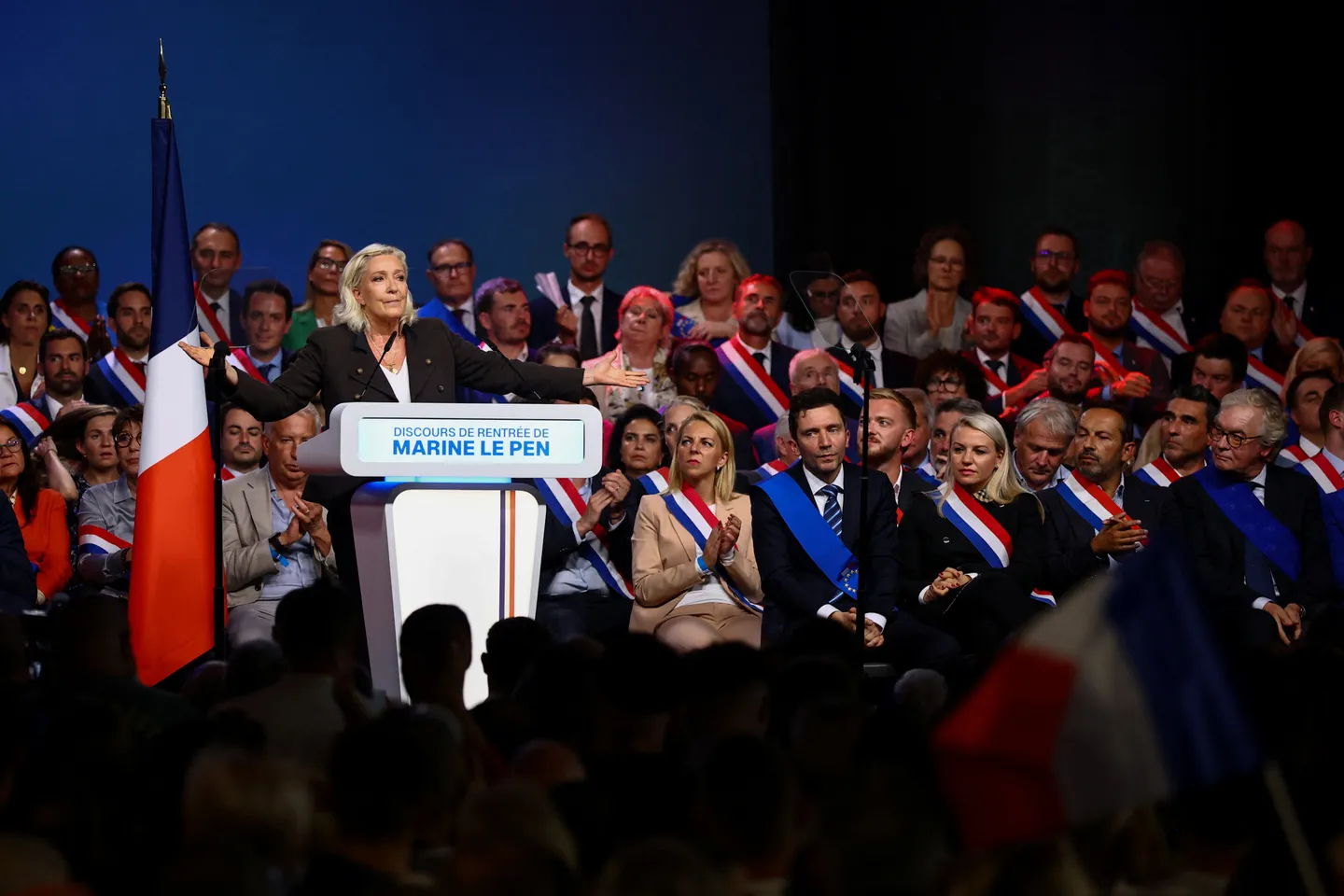
Against this backdrop, Le Pen “doesn't have much to do to gain in polls because every time the situation appears chaotic, people will turn to the political party that represents order,” Gemenne says, referring to the National Rally's emphasis on security and its anti-immigration policies.
“For better or worse at the moment, Marine Le Pen represents order, which means that a lot of moderate voters, especially from the center right, are likely to vote for the extreme right because they will become convinced that the situation is desperate.
“And understanding goes that desperate situations call for desperate measures like a Le Pen presidency,” he says.
France's history offers examples of political upheaval followed by the rise of leaders promising stability.
A decade after the French Revolution of 1789, Napoleon Bonaparte seized power in a coup in 1799, presenting himself as a figure capable of restoring order after years of political unrest. He crowned himself emperor in 1804.
The Revolution of 1848, which established the short-lived Second Republic, was similarly followed by a conservative backlash. Louis-Napoleon Bonaparte, Napoleon's nephew, was elected president before seizing power in 1851 and proclaiming himself emperor the following year.
“The far-right could be seen as a ‘Parti de l'Ordre’, evoking memories of 1848 after the riots and the failed new revolution in May 1848,” Jean-Sylvestre Mongrenier, a French professor of history and geography and a geopolitics researcher at the Thomas More Institute, tells TRT World.
However, Mongrenier believes Le Pen cannot capitalise on the unrest alone.
He says different factions of the right and far right would need to unite, or at least establish a common political platform, to convince voters they could govern effectively and restore law and order.
“In my opinion, many electors are ready for that,” he says.
Is centrism at a dead end?
As protests continue across France, Macron's government has backed legislation that could make people who knowingly participate in violent groups financially liable for damage caused during demonstrations.
The French Senate approved the proposal on October 28, with provisions allowing liability of up to €10,000. The bill still requires approval from the National Assembly.
But the legislation has drawn criticism over provisions that could hold individuals financially responsible for damage they did not personally cause.
The controversy has increased political pressure on Macron. His centrist alliance lost its parliamentary majority in the snap election he called in 2024, leaving successive governments struggling to govern without a majority.
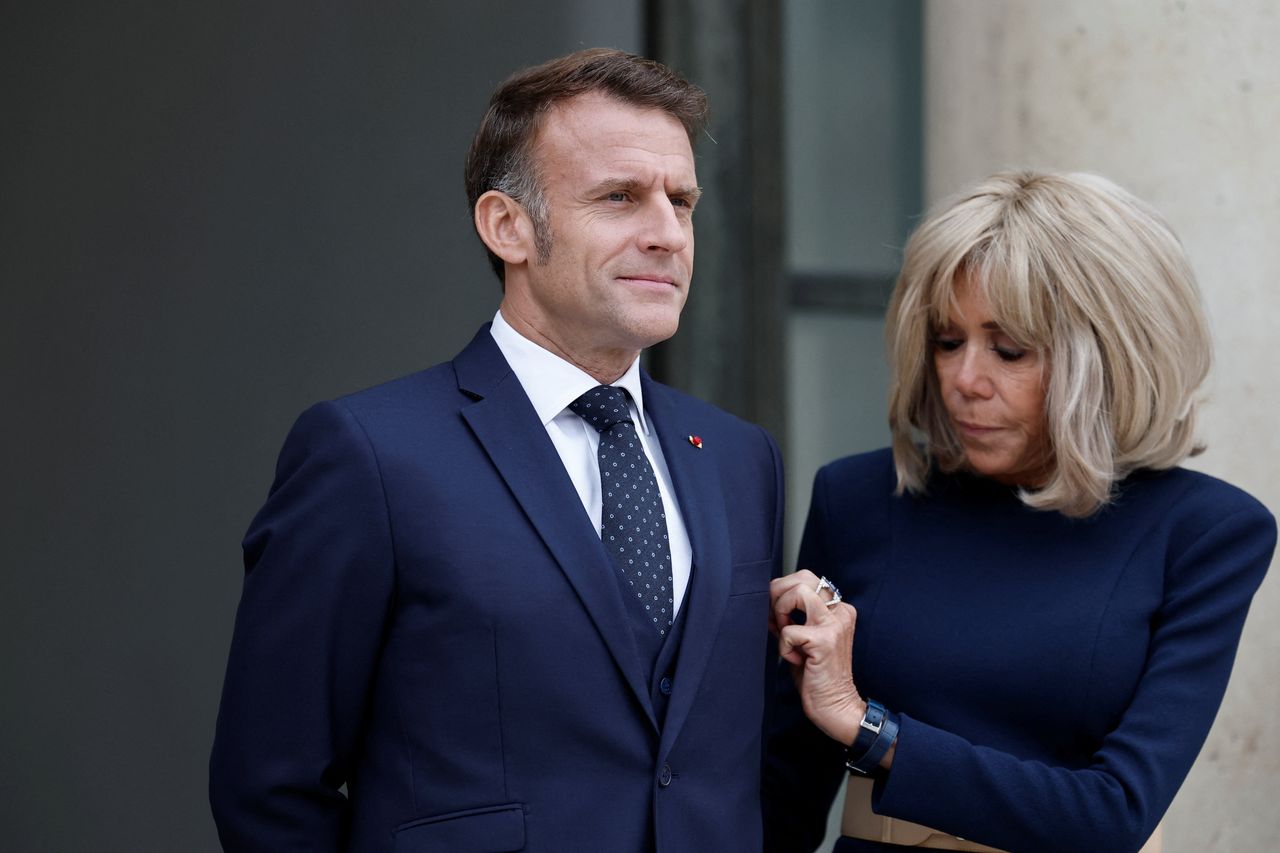
Against this backdrop, Macron and his minority government appear “weaker than ever at the moment,” Gemenne says.
He says potential centrist presidential candidates, including former prime ministers Gabriel Attal and Édouard Philippe, also appear “weak”.




“A lot of their voters are now turning towards the extreme right because they're afraid that those candidates will be too weak.”
With the political centre struggling, attention has turned to a possible second-round presidential contest between the far right and Jean-Luc Melenchon, the left-wing leader who has publicly supported the demonstrations.
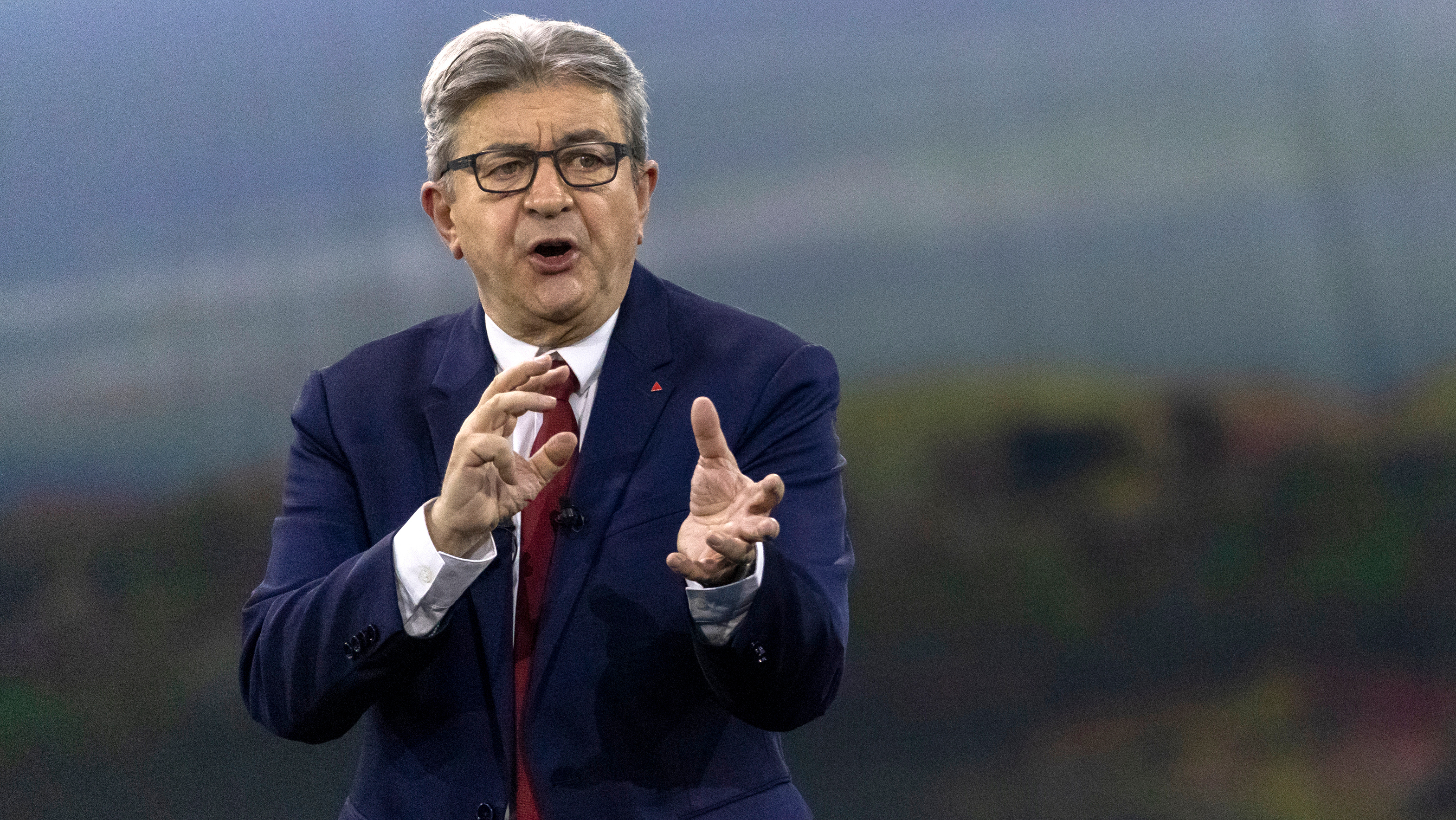
“Such a situation is not in the favor of the political center, quiet, appeased and pragmatic, what we call the ‘cercle de la raison’,” Mongrenier says.
If tensions continue to escalate, Macron's allies might instead become “The Dead Centrist Society”, he adds.
Gemenne believes a contest between the far right and far left could leave moderate voters searching for an alternative.
“If you look at the polls at the moment, there is a real possibility of a showdown between the far right and the far left, with the far right almost sure to win in that case, which is the reason why a lot of moderate voters, both from the left and the right, are hoping to rally around a moderate candidate to avoid the showdown between the far right and the far left,” Gemenne says.
One possible alternative, he suggests, is Christine Lagarde, the French economist who previously headed the International Monetary Fund (IMF) and currently serves as president of the European Central Bank (ECB).
On October 29, Lagarde announced that she would step down on February 7, 2027, before her term expires in October.
She said she wanted “to have the freedom of speech, the freedom of expression and the freedom to engage on matters that are not monetary policy matters”.
“I’m interested in the truth, and I see the truth being very often damaged, contradicted by misrepresentation,” she said.
Her announcement has prompted questions about whether she could play a greater role in French political debate, although she has previously ruled out running in the presidential election.
Lagarde's economic credentials and experience in international institutions could make her an influential moderate voice at a time when France's political centre is struggling.
However, Macron also entered politics with a background in investment banking, and his economic policies have faced sustained criticism amid France's financial difficulties.
Gemenne believes Lagarde would nevertheless offer voters a different profile.
“She's a woman and she's more senior.”
Can Le Pen become France’s Meloni?
Italian Prime Minister Giorgia Meloni, the longtime leader of the far-right Brothers of Italy party, has adopted a more pragmatic approach towards European institutions since taking office in 2022, while maintaining a hardline stance on immigration.
Her political trajectory raises the question of whether Le Pen could follow a similar path, presenting herself as a more acceptable choice to moderate voters and France's political establishment without abandoning the National Rally's far-right identity.
Le Pen also faces legal challenges. In July 2026, an appeals court upheld her conviction for embezzling European Parliament funds to pay party staff but shortened her electoral disqualification, allowing her to contest the 2027 presidential election.
Le Pen subsequently announced her candidacy and said she would challenge the conviction before France's highest court.
Despite these challenges, Gemenne says Le Pen's appeal partly rests on the perception that she could follow Meloni's example.
Many voters want to believe that “Le Pen will be like Meloni and so that it will not be as disastrous as the media are saying,” he says.
Meloni's rise has offered Le Pen an example of how a far-right party can broaden its electoral appeal and establish working relationships with European leaders after entering government.
Her experience could therefore strengthen Le Pen's efforts to convince French voters that a National Rally government would not necessarily bring the political upheaval its opponents predict.
Both leaders have sought to broaden their parties' appeal beyond their traditional support bases, although their political circumstances and paths to power differ.
Gemenne, however, remains sceptical that the National Rally has fundamentally changed.
“Time and time again the National Rally keeps trying to convince voters that it has changed, that it is no longer the same party as before,” he says.
“But time after time they proved that they're still the same extreme right party than they were before.”