 Murat Sofuoglu
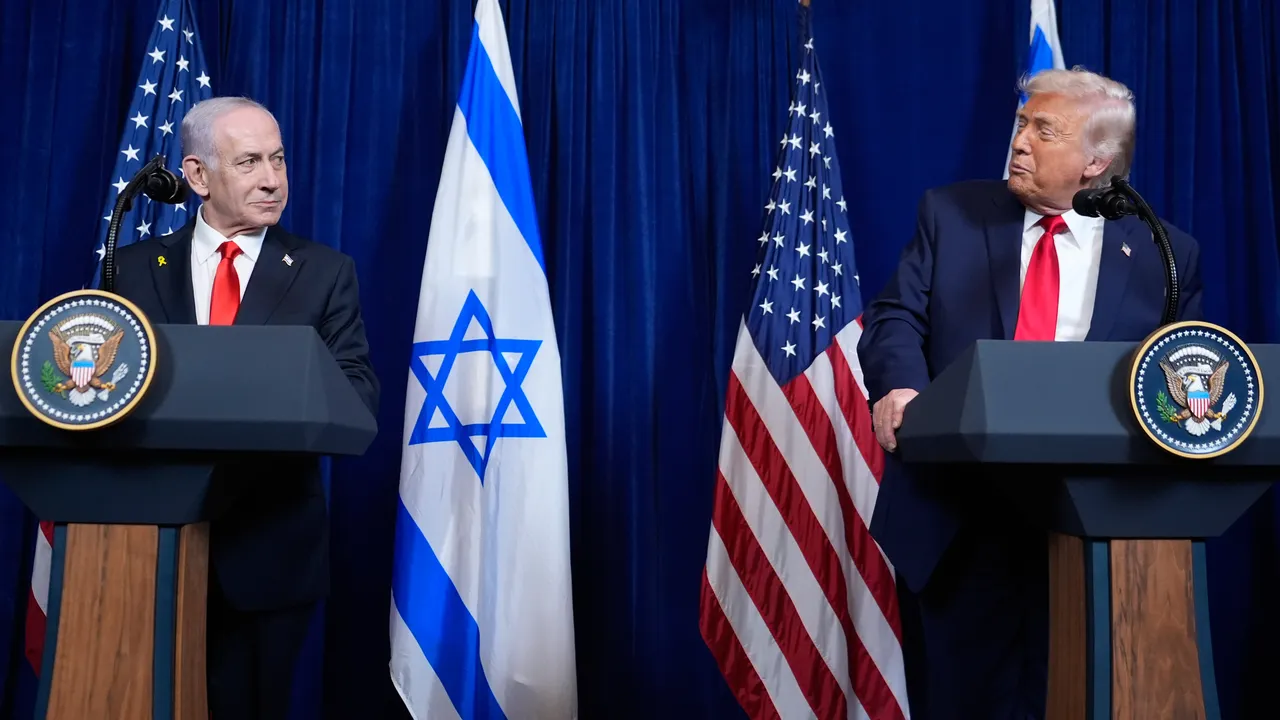
The US and Israel have been close allies since the establishment of the Jewish state in Palestinian lands in 1948, but the Netanyahu government's increasingly militarised approach across the Middle East appears to be causing growing unease within the Trump administration.
Recent disagreements have surfaced over a range of issues, from Iran and Lebanon to the future balance of power in the region.
In a phone call last week, Trump reportedly expressed frustration with Netanyahu over Israeli actions in Lebanon, while later publicly insisting that the Israeli leader would have to accept any future US agreement with Iran.
“I call the shots. I call all the shots. [Netanyahu] doesn’t call the shots,” Trump said in a recent interview with the Financial Times, adding that the Israeli leader has no choice but to accept a possible American deal with Iran, which might include clauses on Lebanon.
Despite Trump's apparent strong-arming of Netanyahu, the Israeli leader has repeatedly charted his own course, from Gaza and Lebanon to Iran, carrying out military actions that Washington reportedly sought to avoid and raising questions about the effectiveness of US pressure on its Middle Eastern ally.
The differences have become particularly evident in recent months. Despite reported US objections, Israel struck Iranian oil facilities during the Iran war and, most recently, targeted Beirut's southern suburbs, fuelling concerns that Israeli military actions could undermine Washington's broader regional objectives.
Although the US has continued to back Israel politically and militarily, analysts say the relationship is showing signs of a gradual divergence as shifting regional dynamics force Washington and Tel Aviv to prioritise different goals.
“The US paused the Iran war despite Israeli pressure while the Netanyahu administration has not been able to achieve its objectives from Hezbollah's elimination from Lebanese landscape to change Iranian regime,” Gokhan Batu, an expert on Israel and Levant politics, tells TRT World.
“Due to new Middle Eastern dynamics, Israel has been regionally weakened while Netanyahu lost ground in internal politics. On the other hand, because the US has a global agenda and can not follow Israeli lead on every issue, the Trump administration has begun moving to a different direction from the Netanyahu government in the Middle East,” he adds.
While the US and Israel remain closely aligned on many strategic issues, other analysts also say their priorities are no longer perfectly overlapping.
“Both Trump and Netanyahu want to define their respective spheres of influence in the Middle East. The US wants a Middle East where it can compromise, while Israel wants a Middle East where it can establish sole dominance,” Tuba Yildiz, an expert on Lebanese politics, tells TRT World.
While Trump can live with the current Iranian government if it signs a deal with him, Netanyahu wants a completely different government in Tehran that it can control, according to Yildiz.
While both Israel and the US want Hezbollah removed from the Lebanese political and security landscape, they differ over Lebanon's future, Yildiz notes.
A stronger Lebanese state backed by a capable national army would serve Washington's interests, but Israel prefers a balance of power that prevents the emergence of a unified political and military authority, she says.
Trump and Netanyahu also differ on Türkiye’s role in the Middle East, Yildiz adds.
“For Trump, Türkiye’s growing presence in the Middle East, from Syria to Qatar, should be accepted, but for Israel, Türkiye is the biggest threat,” which also contributes to a divergence between the two states over the future of the Middle East, she says.
Special relationship
Despite signs of divergence on some regional issues, analysts, however, caution against overstating the extent of any rift.
The institutional, political and strategic foundations of the US-Israel relationship remain largely intact, limiting how far disagreements between the Trump administration and Netanyahu’s government are likely to go.
In that context, Nimrod Goren, President of the Mitvim Institute, an Israeli think tank, considers a complete break-up between Trump and Netanyahu unlikely.
“The US President is indeed the one currently dictating the level of military escalation in the wars on Iran and on Hezbollah. The Israeli Prime Minister seeks to stir US decision making towards his preferred direction, and has had some successes in doing so,” Goren tells TRT World.
“But whenever Trump puts a red line, Netanyahu complies.”
In the broader picture of how to deal with the Middle East, the two administrations have been “quite aligned”, though there are differences in priorities on certain issues, such as the Lebanese crisis, according to Goren.
But these differences cannot be described as major tensions because “Trump and Netanyahu manage to get along”, he says.


Analysts also point to the broader political ecosystem around Trump, in which many influential figures continue to maintain close ties with Israel.
As a result, few expect current disagreements to fundamentally alter the long-standing partnership between the two countries.
“Due to the political character of the US-Israel special relationship, the Trump administration will not take radical measures compromising Israel’s long-term security interests. As a result, Washington will not radically diverge from Tel Aviv’s stances. The US will not leave Israel alone under any circumstances,” Batu says.
Yildiz, an expert on Lebanese politics, also does not see significant differences between Netanyahu and Trump regarding the former’s conduct towards Lebanon, which some thought could lead to a real wedge between the two leaders.
“Israel’s occupation of South Lebanon is not a major concern for Washington, so the US didn’t show a strong desire to rein in the occupation because it has agreed with Israel’s Hezbollah policy,” Yildiz tells TRT World.
“Trump only wanted Netanyahu not to bomb Beirut, but even the Beirut attack didn’t put much pressure on Trump.
“In fact, Trump wanted to rein in Israel because Lebanon was seen as a red line in negotiations with Iran, but Washington and Tehran disagree on other current issues as well. Therefore, Lebanon is not a dividing line between the US and Israel.”
If there is any tension between the two administrations, it is more about the Israeli leader’s far-right partners and their furious statements than about Netanyahu-Trump differences, according to Goren.
“Should the Israeli election result in a change of leadership and a return to moderation, reversing this trend will become a priority.”
Opposing motivations
While most analysts do not foresee a serious rupture between Trump and Netanyahu, domestic politics are creating new pressures on the relationship.
Ahead of November's midterm elections, divisions have become increasingly visible within Trump's MAGA base, where some voices argue that Washington's support for Israel is drifting away from the "America First" agenda that helped fuel Trump's political resurgence.
While Goren rates Israel-US ties as strong, he acknowledges increasing accusations across the American political spectrum, from MAGA voices such as Tucker Carlson to progressives such as Bernie Sanders, that Netanyahu “has managed to drag Trump into a war that is not in the US interest and that has failed to achieve its desired outcomes”.
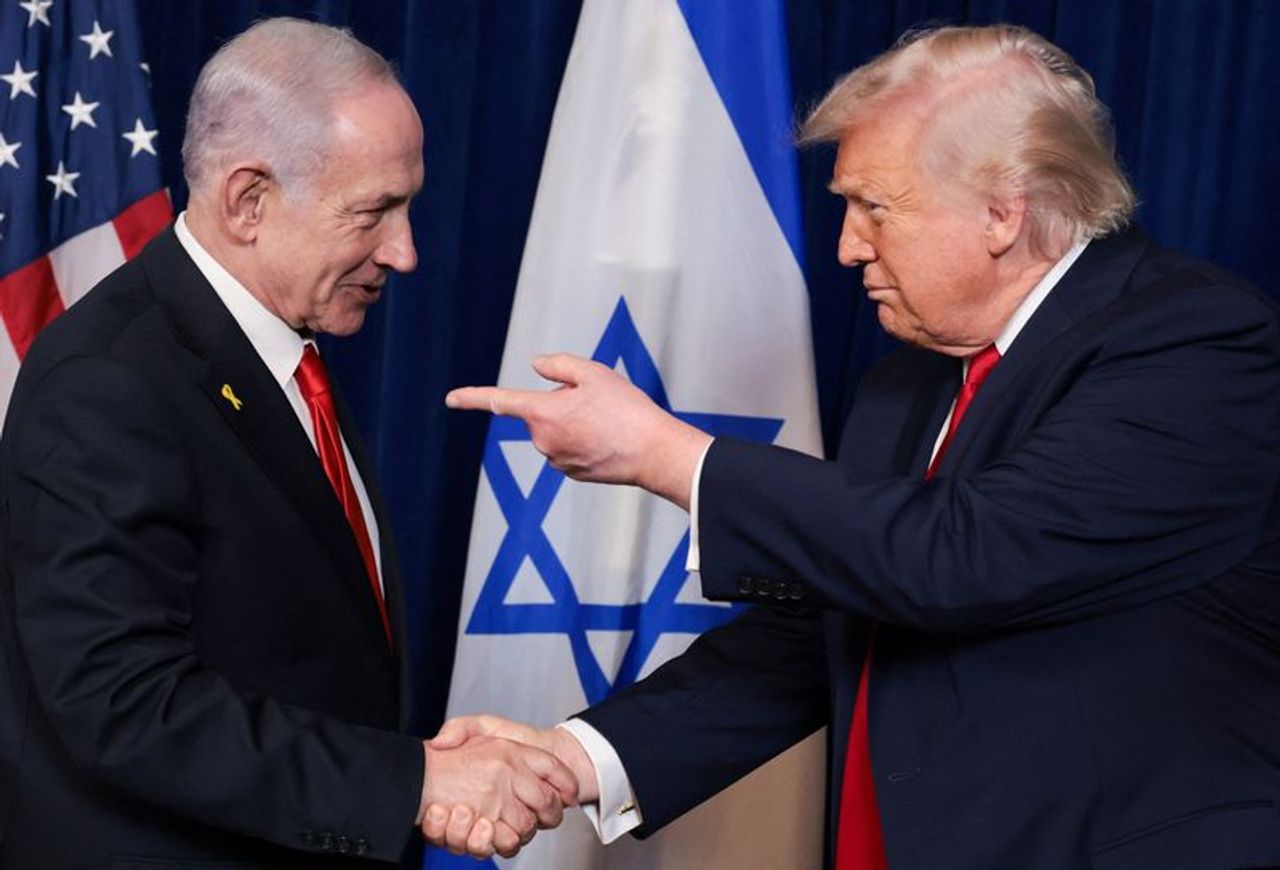
“Trump tries to brush away these accusations by making such public and blunt statements” against Netanyahu, according to Goren, referring to last week’s angry phone call between the two leaders.
But Trump’s angry statements also create a perception in Israel that “Netanyahu is undermining Israel's interests by subordinating to Trump, not only because the US is the superpower in this relationship, but also because Netanyahu seeks Trump's support for his personal political and legal issues,” Goren adds.
Trump has previously called for Israeli courts to drop the corruption cases against Netanyahu, prompting criticism from some observers who argue that the US president is intervening in Israel's domestic affairs in support of the prime minister.
Other analysts, however, point to the political fallout from the Iran war, which has produced very different public reactions in Israel and the United States, creating distinct pressures for both leaders ahead of crucial elections in October and November.
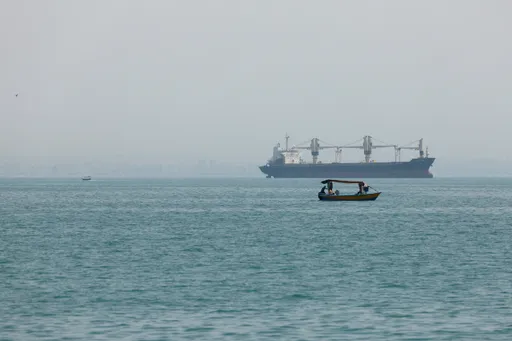
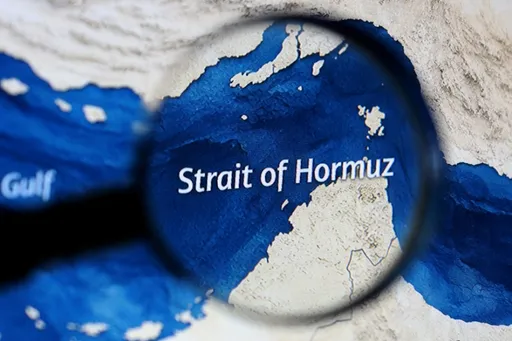
While the conflict has contributed to rising energy prices in the US due to disruptions around the Strait of Hormuz, fuelling growing public opposition to further escalation, polls suggest that many Israelis continue to support Netanyahu's belligerent approach towards Iran and its regional allies.
According to experts, these diverging public sentiments are increasingly shaping the dynamics of the Trump-Netanyahu relationship.
“Trump wants to reopen the Strait of Hormuz to end a war in which public support is dwindling and to lower energy prices,” Ozgur Korpe, an academic at National Defence University, tells TRT World.
On the other hand, under Israeli public pressure, Netanyahu wants to continue his wars against Hezbollah and Iran until he can declare a real victory over them, Korpe says.
According to Korpe, Iran's insistence that any lasting agreement with Washington must include a complete ceasefire in Lebanon has revealed differing priorities between the Trump administration and the Netanyahu government.
At the same time, both leaders face domestic political pressures. Trump and Netanyahu each have an incentive to project independence to their supporters, demonstrating that they are acting in their countries' interests rather than following the other side's preferences.
“Netanyahu wants to show that he makes his operational decisions independently of external instructions while Trump is trying to mitigate the backlash from international and domestic public opinion stemming from rising energy prices,” Korpe tells TRT World.
“Trump wants to demonstrate that he alone has the authority and power to discipline Iran.”