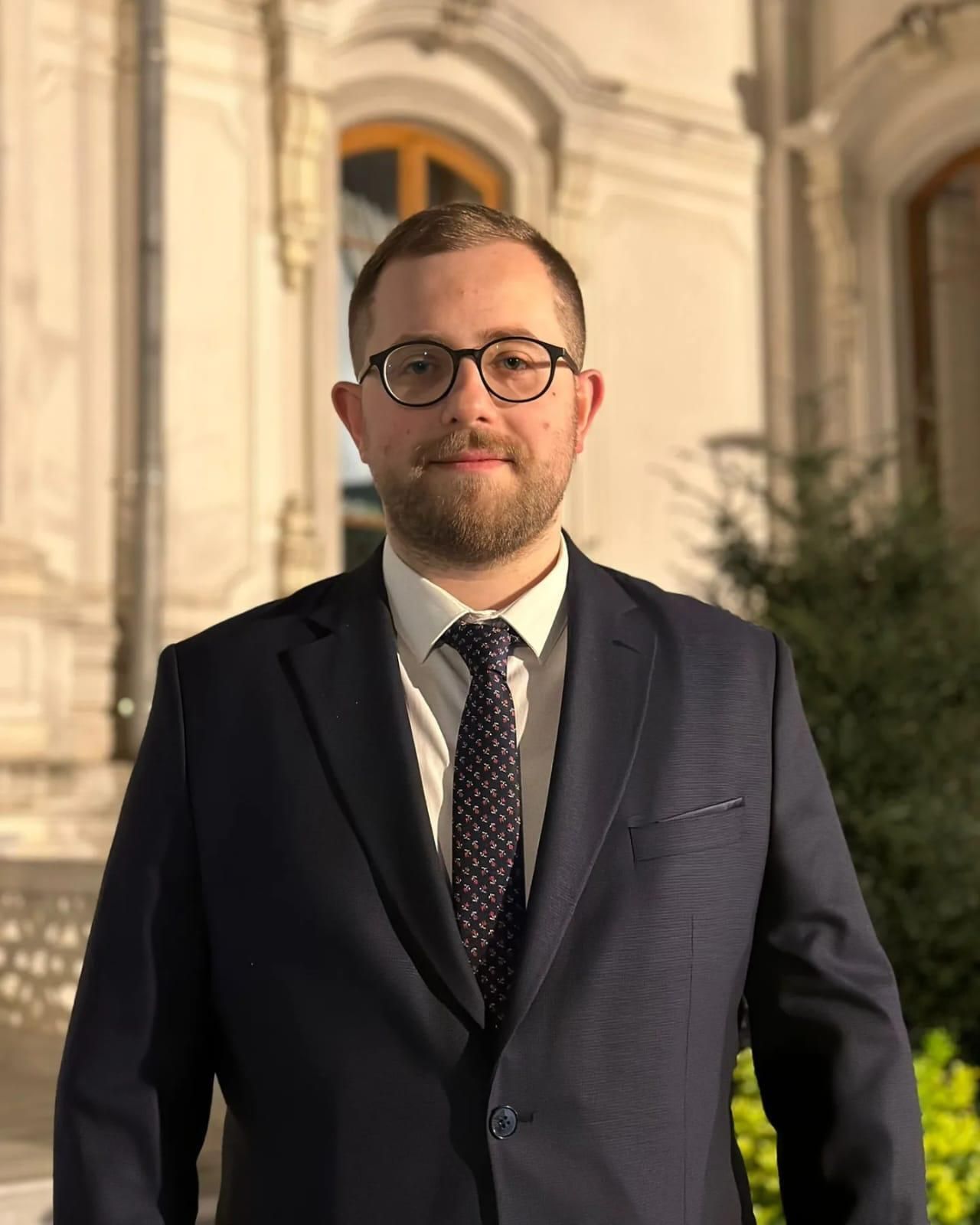
 Zeki Tarik Sarioglu
As many members of Türkiye's traditionally nomadic Yoruk community left the Taurus Mountains for urban life, Osman Kirca chose to stay.
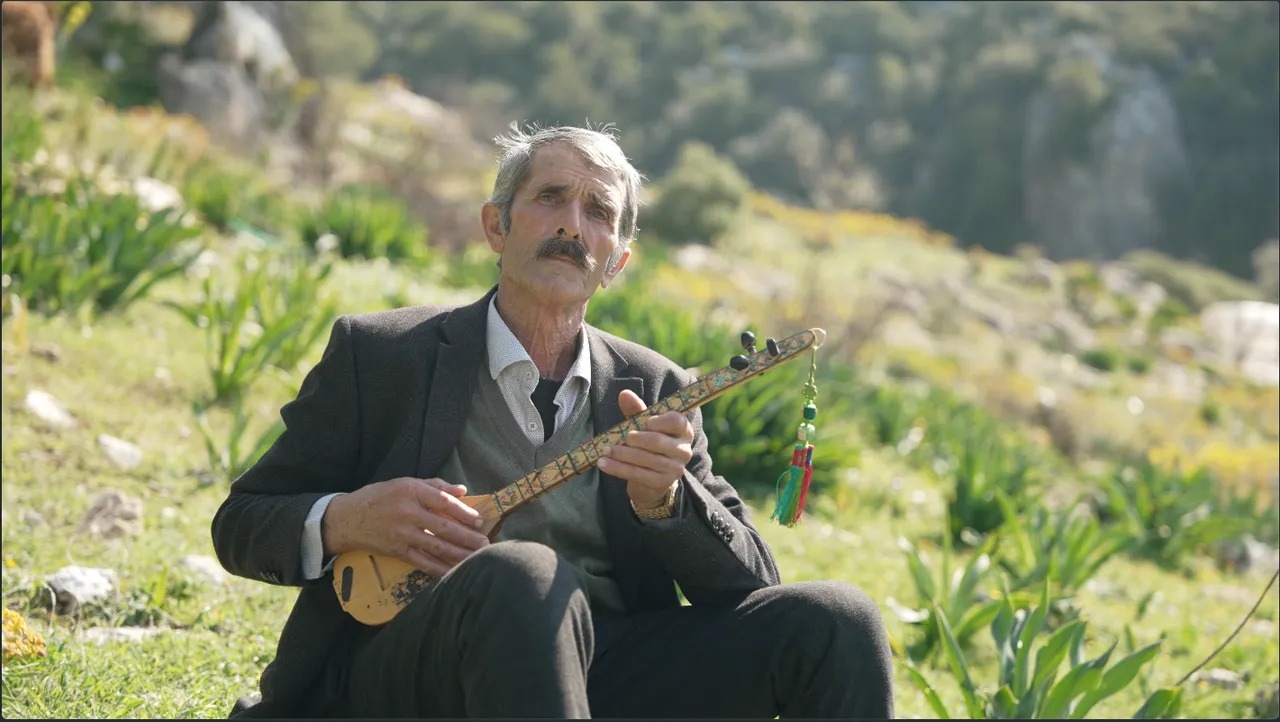
In Cavdır Village in Antalya's Kas district, the musician, in his mid-60s, has spent decades preserving the traditions, music, and memory of the nomadic Yoruk people through the three-stringed baglama, an instrument deeply rooted in the community's migratory past.
“How could anyone leave their ancestral home? I’m glad I never have,” he tells TRT World.
Having lost his mother at the age of six and grown up an orphan, Kirca spent his childhood herding sheep and goats and travelling with camel caravans during seasonal migrations to the highlands. Preferring a life close to nature over city life.
“I could never leave this place. I stayed so I wouldn’t forget the old migrations, the camels, the herds, or my ancestors,” he says.
The Yoruks' nomadic way of life shaped not only their customs but also their music. Instruments had to be light enough for families to carry as they moved seasonally between the lowlands and highlands.
As a result, the kaval, sipsi, kemane and, above all, the three-stringed baglama became central to daily life.
“When shepherds moved up to the highlands, came down in winter, or when the rain stopped and the sun came out, they would feel joyful and play the three-stringed baglama.”
His father, a wrestler and baglama player, treated it with great care at a time when replacement strings were scarce and could take months to arrive by sea. In 1973, at the age of 17, Kirca began learning from master musician Halil Kocabiyik.
“In time, I started playing even better than him. He later passed away. As the saying goes, ‘The apprentice surpasses the master.’” Today, he is one of the foremost living practitioners of the instrument."
The culture Kirca preserves in the Taurus Mountains is also documented and safeguarded at the Antalya Ethnography Museum, where regional instruments such as the baglama, kabak kemane, kemençe, drum, kaval, zurna, sipsi, and whistle are on display.
Academic studies have long documented the nomadic traditions Kirca continues to embody today.






For Kirca, however, preserving the tradition goes beyond performance. He places particular importance on the instrument itself, favouring handcrafted baglamas made from walnut, mulberry and the locally prized thorny juniper.
Many of the materials are sourced directly from the surrounding mountains.
One of the most distinctive influences on Kirca’s music stems from the bogaz havası tradition, a vocal style practised by Yoruk women.
Listening to these melodies in the mountains during his youth, he adapted them for the three-stringed baglama.
“These are the melodies I enjoy most. They remind me of the migration routes,” he says.
What began in a remote mountain village eventually carried Kirca far beyond Türkiye. After teaching around 150 students in Istanbul and helping pass the tradition to younger generations, he was invited to perform abroad, including in South Korea.
“There were six of us. I had my apprentices with me, along with some friends who were music teachers. Because they spoke foreign languages, they helped us become known all the way out there,” he says.
The trip left a lasting impression.
“I had no idea South Korea was that far away. I thought it would be like going to a nearby village. I didn’t even properly tell my wife. I just said, ‘I’m leaving,’ and went. We got on the plane and flew for 11.5 hours. It felt like the other end of the world.”
Osman Kirca remains a living bridge between the ethnographic memory preserved in museums and the enduring Yoruk spirit, which still echoes across the Taurus Mountains.
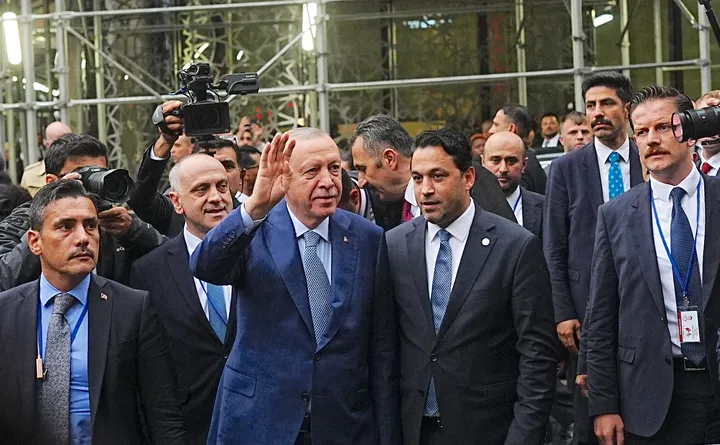
His lifelong dedication to safeguarding this cultural heritage was recognised in January 2026, when he received Türkiye's prestigious "Living Human Treasure" award from President Recep Tayyip Erdogan.
“Receiving that award made me proud. I was very happy. It felt like I was finally receiving something in return for all the effort I had put in,” Kirca tells TRT World.
“God allowed me to receive this award too. I’m grateful.”