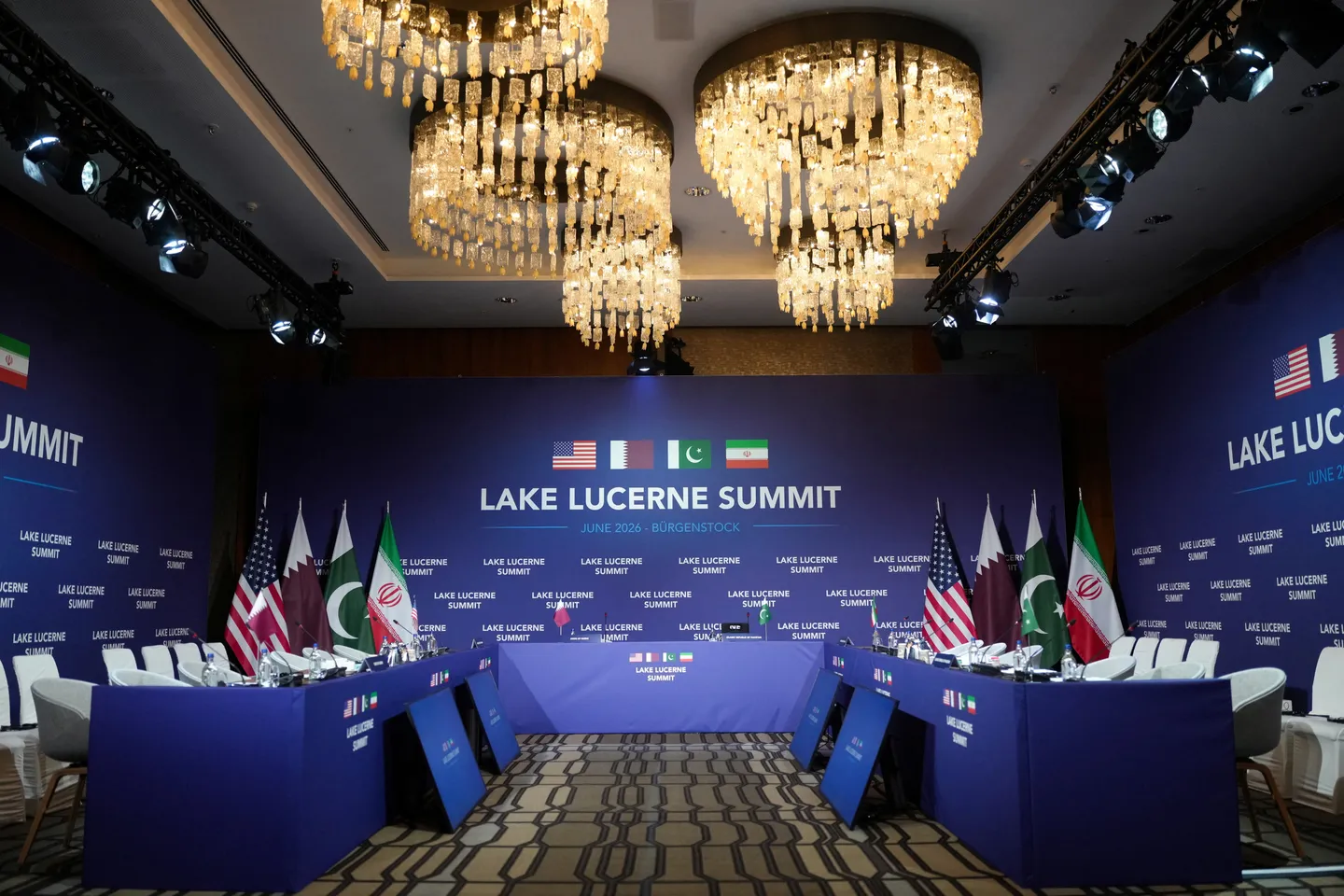
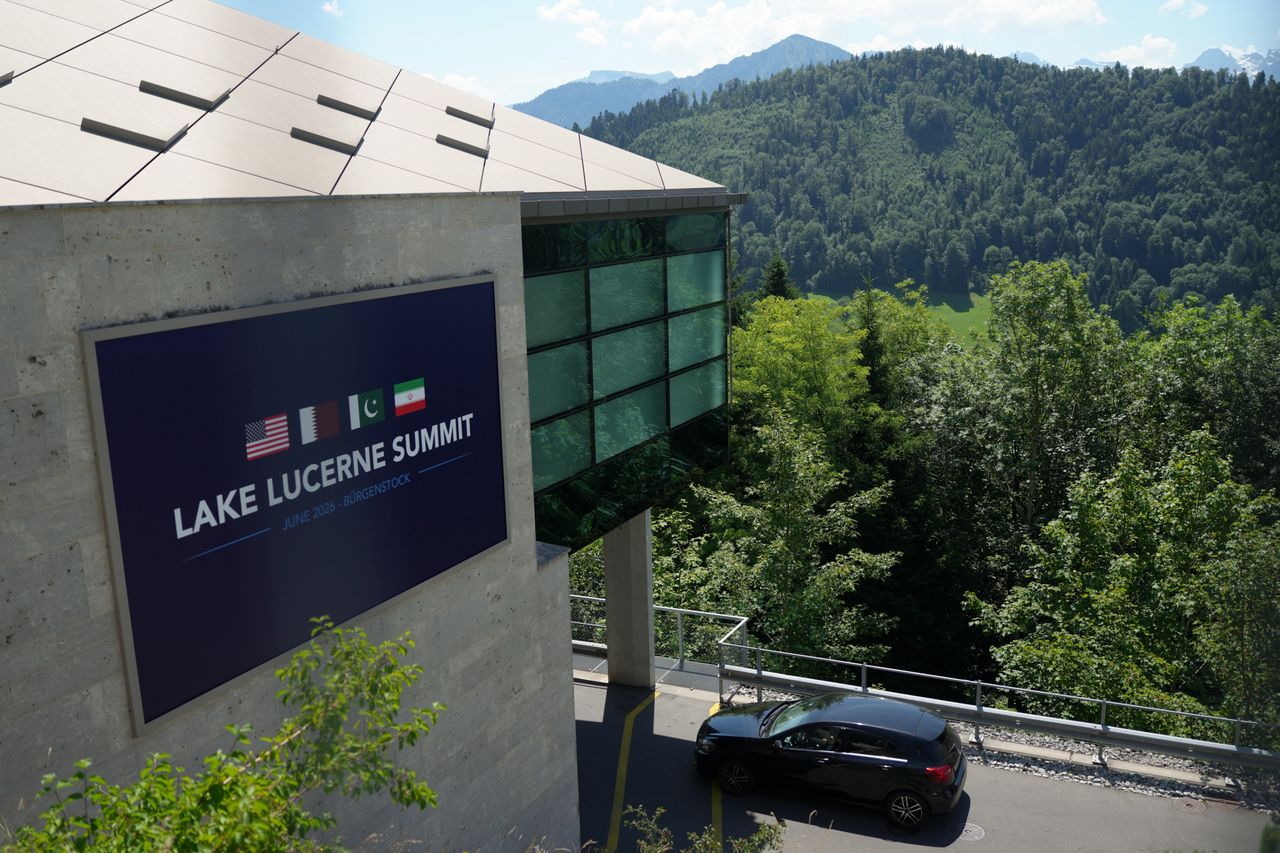
The first round of direct talks between US and Iran to end the Middle East war wrapped up in Switzerland on Monday after an 18-hour session at Lake Lucerne, mediated by Pakistan and Qatar. Both sides described the talks as constructive and agreed on a 60-day roadmap towards a final deal.
But within hours of the delegations departing, the two governments were publicly contradicting each other on nearly every major point, from whether UN inspectors would be allowed into Iran's nuclear facilities to who will control how billions of frozen Iranian assets are to be used. The disputes underscore how far apart Washington and Tehran remain, even as they race against a 60-day clock to avoid a return to war.
Nuclear inspections
The sharpest disagreement concerns nuclear inspections. Vice President JD Vance said on Monday that Iran had agreed to allow International Atomic Energy Agency (IAEA) inspectors back into the country, describing it as a major step towards preventing Tehran from acquiring a nuclear weapon.
Iranian officials quickly rejected that account, with Foreign Ministry spokesperson Esmaeil Baqaei saying there were no planned IAEA visits and no new commitments on inspections.
US President Donald Trump later insisted Iran had "100%" agreed to inspections and warned he would cancel the talks if that were not the case. He also said inspectors would enter Iran "at an appropriate time."
The frozen funds
The two sides are also at odds over how frozen Iranian assets would be released and used under any emerging arrangement.
Iran's central bank governor Abdolnaser Hemmati said the mechanism for the first tranche of funds was based on a 2023 understanding with Washington covering essential goods and medicine, and said Iran is not obliged to buy US agricultural products.
He added that Iran could purchase American corn, wheat or soy if prices and quality were competitive, but stressed that Tehran's priority is access to its own foreign currency reserves and flexibility over spending.
US President Donald Trump, however, has insisted that any unfrozen Iranian funds would be placed in US-controlled escrow accounts and used specifically to buy American agricultural goods, arguing the arrangement would benefit US farmers and ensure oversight of Iran's spending.
Iranian officials have pushed back. Foreign Ministry spokesperson Esmaeil Baqaei said Tehran's import decisions would be based on "prices and quality," while Iran's ambassador in Geneva, Ali Bahreini, said Iran alone would decide how its assets are used.
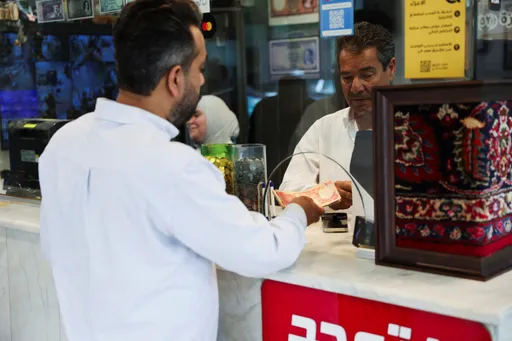
Iranian negotiators have cited a figure of around $12 billion in potentially released funds, though Washington has not confirmed this. Broader estimates suggest Iran has tens of billions of dollars in frozen assets across several countries, with current talks focused on an initial tranche.
The Strait of Hormuz
A memorandum of understanding signed last week was meant to reopen the strategic waterway immediately and guarantee toll-free transit for 60 days, but the arrangement quickly broke down.
Iran's Revolutionary Guard Corps said it was re-imposing restrictions, citing Israeli "crimes" in Lebanon and US failures to deliver a ceasefire. "Vessels should not approach the strait; otherwise, their security will be at risk," it added.
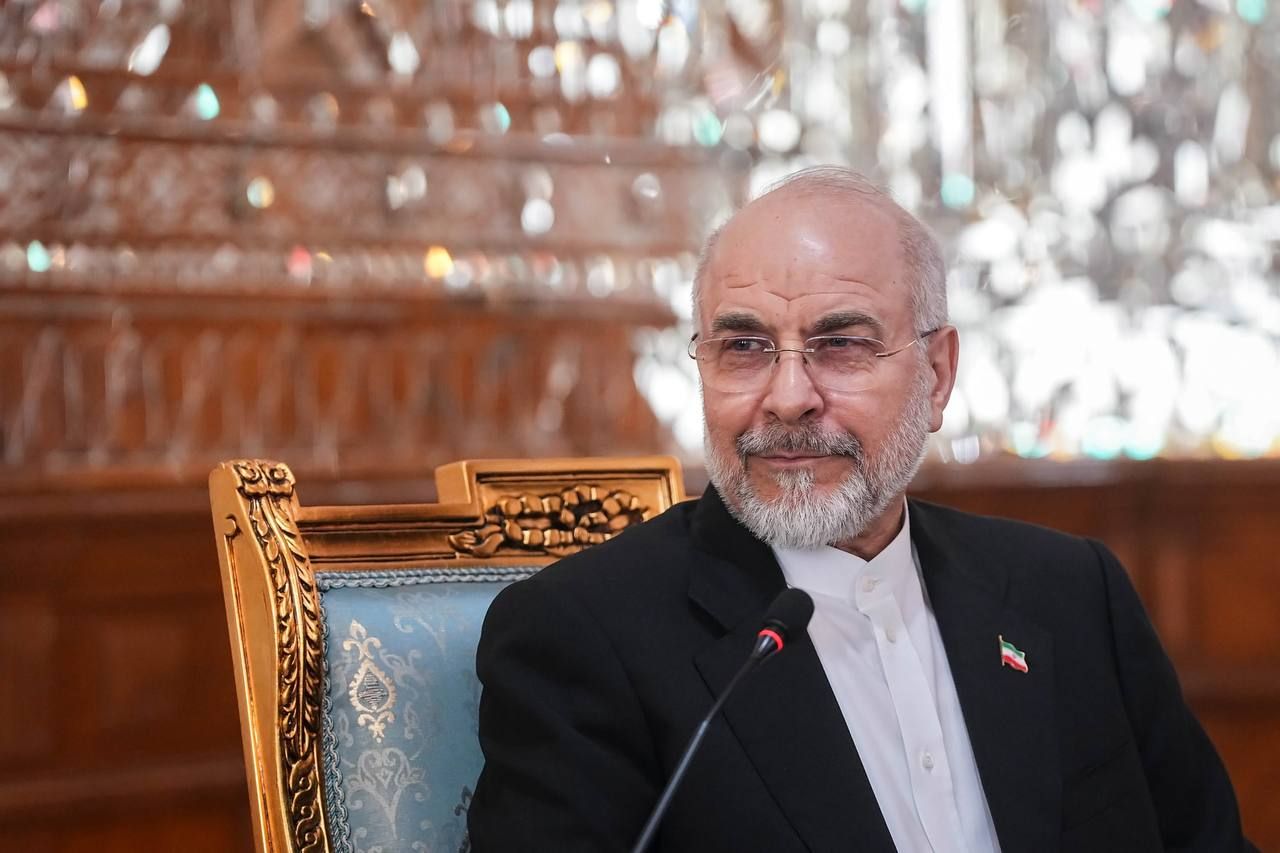
Iran's top negotiator Mohammad Bagher Ghalibaf said on Sunday that Tehran has agreed to have a communication line regarding ship passage in the Strait of Hormuz to avoid incidents.
Stopping in Oman on his way home from the Switzerland talks, Ghalibaf declared: "The Strait of Hormuz will never return to its pre-war conditions and will be administered by the Islamic Republic of Iran, in accordance with international law."
The US military, however, said its forces remained "present and vigilant" in the area and were working to ensure compliance with the agreement. It reported that 55 commercial vessels transited the strait on Saturday and said safe passage remained "intact."
US President Donald Trump, meanwhile, insisted the strait would remain free of Iranian tolls both during and after the 60-day negotiation period.
Uranium enrichment
A member of Iran's negotiating team said draft wording had been reached on "temporary sanctions waivers for oil and petroleum derivatives." However, officials on both sides say Iran's enrichment programme remains the most sensitive unresolved issue and the main fault line in the talks.
While the talks were under way on Sunday, Iranian President Masoud Pezeshkian insisted that Tehran would not compromise on its nuclear rights, saying: "We will never back down from the right to enrich uranium, and the other side is also forced to accept it," according to state media.
US President Donald Trump pushed back in a Fox News interview shortly after, warning Pezeshkian to "watch what he says" and threatened to "take over Iran," remarks that underscored the volatility surrounding the negotiations.
Iran has approached the talks cautiously, given its experience over the past year when two earlier rounds of US-Iran nuclear negotiations were disrupted by military strikes.