[NOTE: The Moelln Letters available until December 23, 2026.]
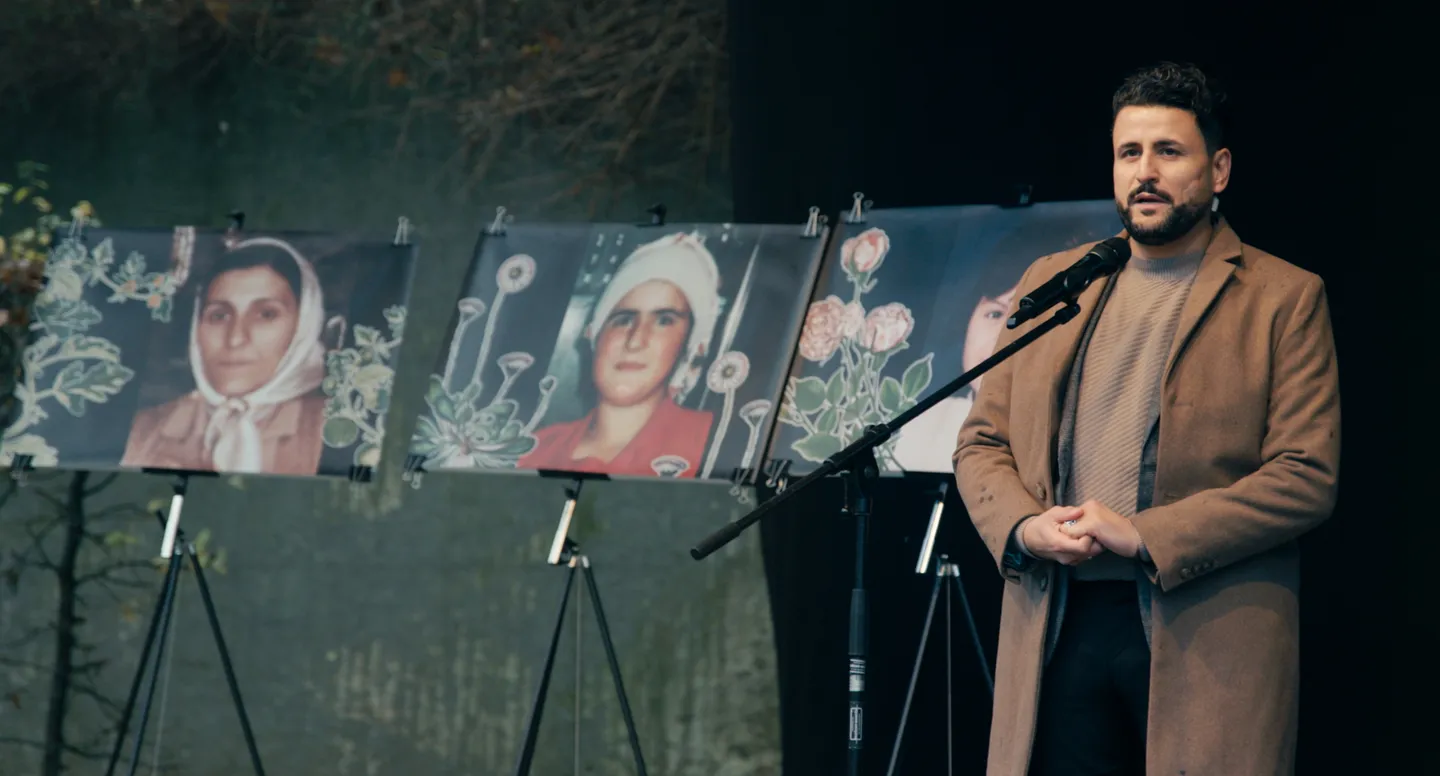
In November 1992, racist arson attacks in the German town of Mölln devastated the lives of Ibrahim Arslan and his family. The 7-year-old boy survived the fire, but he tragically lost his sister, cousin, and grandmother. In the aftermath, the city received hundreds of letters of solidarity which were archived and forgotten about for nearly three decades.
Woven into Ibrahim's poignant journey of discovery and his encounters with three of the letter writers, these long-forgotten messages create a powerful visual bridge between past and present. The film follows Ibrahim and his siblings and offers a sensitive portrayal of the enduring trauma that still affects their lives today. By fighting racism and advocating for victims, Ibrahim has found a way to channel his pain, while his brother Namik still struggles with the emotional scars of the past.
The Moelln Letters not only amplifies the voices of survivors and victims, but also uncovers long-forgotten letters expressing support and sympathy. This film brings forth a new perspective on remembrance — shifting the focus to the stories of the survivors and ensuring they receive the space and recognition they deserve.
DIRECTOR STATEMENT

By Martina Priessner | Director
When I met Ibrahim Arslan in 2020, I already knew who he was. The racist arson attacks in Mölln had shaken me deeply when I was 23 years old. Racism, antisemitism, the persistence of right-wing terrorism in Germany, and the state’s and societal ignorance towards right-wing extremist networks have remained central concerns for me to this day.
Ibrahim is a significant voice in Germany, especially in encouraging victims to step forward and speak out. His powerful message — that those affected are the "primary witnesses of their own stories" and cannot be reduced to mere extras or objects — has played a crucial role in transforming the country’s culture of remembrance.
Ibrahim told me about the letters of solidarity. His disbelief and shock at the withheld solidarity were written all over his face. What he shared with me left a lasting mark. How could such an important expression of support never reach those it was intended for? And what does this say about how victims are treated?
I couldn’t shake Ibrahim's words from my mind: "When we tell our stories, our trauma dissipates, because our greatest longing is to tell our stories." A few days later, I called him and proposed making a film together. The many unheard, unseen, and untold stories from the perspective of the victims and survivors form the emotional core of this film. To ensure these stories are heard, we need the power and magic of cinema, in which I have unwavering faith.
At a time when democracy in Germany faces threats unparalleled in the past 80 years, the film asks crucial questions, gives space to the personal losses of the victims, and makes solidarity visible.