 Noureldein Ghanem
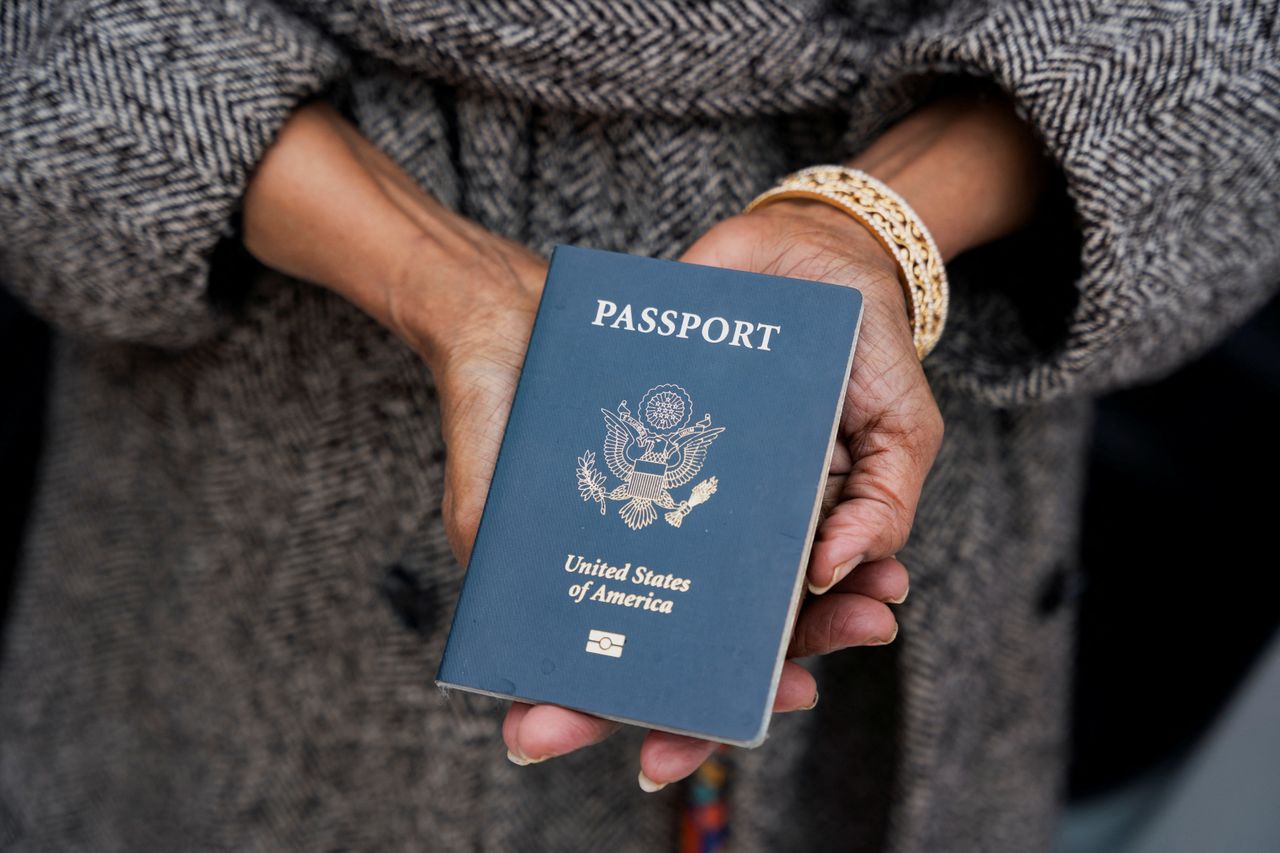
Washington, DC — Reports that the Trump administration is considering the revocation of up to 200,000 B1 and B2 visas tied to pending asylum claims have drawn attention well beyond the usual immigration policy circles.
The figure itself is significant, but so is the uncertainty surrounding it: which visa holders would be affected, under what criteria, and on what timeline are all questions the reports leave largely unanswered.
The implications, if the move proceeds, would extend past asylum seekers to encompass a broader population: tourists holding valid B2 visas and business travellers operating under B1 status, both groups now facing the possibility that a routine visa classification could carry unexpected consequences.
The B1 visa is generally issued to business travellers, while the B2 visa is given to tourists.
The administration's justification is that this is being used as a loophole to enter the country and put down roots while the asylum process takes its course, with Deputy Secretary of State Christopher Landau calling it "bogus asylum claims."
The administration didn't provide a specific number of visas that could be revoked, but the Associated Press cited State Department documents and US officials estimating the number at up to 200,000.
The move, if it happens, would mark the largest mass revocation in US history, and would likely be challenged.
What are the consequences?
It is worth noting that revoking a non-immigrant visa isn't the same as terminating an asylum case or claim. People who enter the country on a B1 or B2 visa and later apply for asylum generally derive their legal status from the pending asylum case, not from the original visa.
Based on this, the immediate impact on people with pending cases may be limited. However, the long-term consequences could be substantial.
"They would lose their status as temporary visitors, but they would not necessarily become immediately removable solely because their visa has been revoked. Their right to pursue an asylum application would generally remain intact until adjudication," Rut Bermejo Casado, Associate Professor at Rey Juan Carlos University and researcher in migration and asylum policies, tells TRT World.
With that being said, the move could have some consequences, including legal implications, as it could generate litigation over whether the administration is penalising individuals for exercising their right, which is protected under US asylum law.
As for the asylum seekers, many would depend entirely on their cases for legal status, and if those cases are dismissed, they would have no legal status in the country.
The measure could have symbolic significance, as it could signal a major shift toward treating post-entry asylum claims as evidence that temporary visas were used inconsistently with their intended purpose.
"In that sense, the policy may be more intended as a 'deterrent' and political statement than as a mechanism for immediate deportation," Bermejo Casado, who is also a non-resident senior fellow at the Elcano Royal Institute, says.
What do previous examples tell us?
In the United States, there were instances of mass visa revocations before.






In 1979, during the Iran hostage crisis, then-president Jimmy Carter issued an order — known as Executive Order 12172 — that gave the Secretary of State and the Attorney General power to limit or create exceptions for Iranian nationals holding non-immigrant visas.
The administration at the time ultimately invalidated visas and mandated that over 50,000 Iranian students report to immigration authorities in December of the same year to verify their status or face immediate deportation.
A federal appeals court reportedly backed the administration's right to single out Iranian students in this measure.
After the 9/11 attacks, the Department of Justice launched an initiative to locate, interview, and deport approximately 314,000 "absconders"— foreign nationals who stayed in the US despite final deportation orders.
But rather than pursuing that number equally, the George W. Bush administration prioritised people from the Middle East and South Asia.
However, these and other instances were primarily based on national security grounds, not on the claim that the holders later sought asylum.
"The closest comparisons are probably policies that seek to discourage asylum applications viewed by governments as abusive or opportunistic," Bermejo Casado says.
Over the past 20 years, Australia introduced a variety of measures aimed at deterring asylum claims after arrival. Similarly, a number of European governments introduced reforms intended to limit access to protection procedures.
"However, these measures have usually focused on procedural restrictions, offshore processing, or accelerated removal mechanisms rather than mass retroactive visa revocations," adds Bermejo Casado.
How could this be challenged?
Nearly every similar instance of this measure was legally challenged, though in most cases, courts upheld it.
In this case, if it comes to fruition, it is expected to face challenges, especially given that immigration and asylum rights are protected by US law and international obligations.
Although the Executive Branch has broad authority over the matter, courts may be asked to consider due process.
There could also be administrative hurdles, Bermejo Casado says, "as people fleeing serious insecurity or political persecution may continue to seek protection despite additional obstacles."
In short, the impact of this move would be limited, as it wouldn't prevent asylum seekers from pursuing their claims.
However, there could be long-term consequences given that it signals a tougher approach against irregular migration.