[NOTE: The Good Virus available until November 16, 2026.]
Could ‘good viruses’ help defeat antibiotic-resistant superbugs?
As antibiotics lose their power against deadly infections, scientists are revisiting bacteriophages—viruses that hunt and kill bacteria. The documentary The Good Virus follows the global effort to turn these natural predators into lifesaving treatments.
Viruses have a well-earned reputation as agents of disease. But not every virus is our enemy.
In rivers, soil, sewage and even inside the human body, vast numbers of viruses are engaged in a microscopic war—not against us, but against bacteria. Known as bacteriophages, or simply phages, these viruses may offer scientists a powerful weapon against one of the most serious threats to modern medicine: antibiotic resistance.
When antibiotics entered widespread use, they transformed healthcare. Infections that once routinely killed people could suddenly be treated, making surgery, childbirth and cancer treatment considerably safer. But bacteria evolve. The more antibiotics are used—and misused—in people, animals and agriculture, the more opportunities bacteria have to develop resistance.
The consequences are already visible. According to the World Health Organization, bacterial antimicrobial resistance was associated with more than 4.7 million deaths worldwide in 2021. Approximately one in six laboratory-confirmed bacterial infections globally was resistant to antibiotic treatment in 2023.
If existing drugs continue to lose their effectiveness, even a minor wound or common infection could once again become dangerous.
This is where phages come in.
How can a virus fight an infection?
The word bacteriophage means “bacteria eater.” Although phages do not literally eat bacteria, the description captures what they do remarkably well.
A therapeutic lytic phage attaches itself to a bacterial cell and injects its genetic material. It then uses the bacterium’s own machinery to reproduce. Eventually, the cell bursts open, releasing new phages that can attack other bacteria.
One of the most promising features of phages is their precision. Antibiotics can kill a broad range of bacteria, including beneficial ones. A phage generally targets particular bacterial strains, potentially allowing doctors to attack the organism causing an infection without disturbing the rest of the patient’s microbiome.








Phages are not a recent discovery. Scientists began experimenting with phage therapy more than a century ago, before antibiotics became widely available. Interest diminished across much of Western medicine after the arrival of drugs such as penicillin, although phage research continued in parts of Eastern Europe.
Now, the rise of drug-resistant superbugs has brought this overlooked approach back into the spotlight.
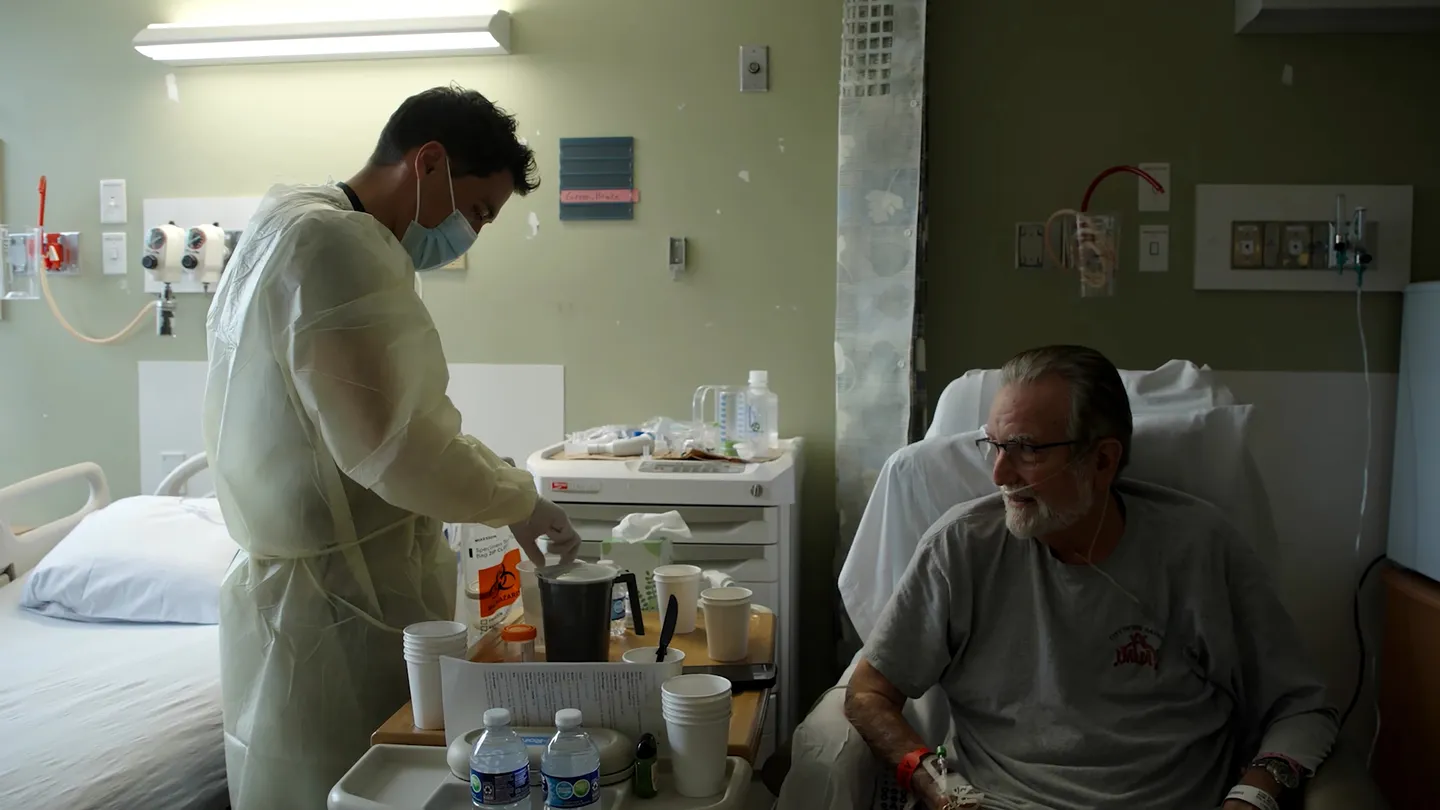
Researchers are collecting phages from the natural world, testing them against dangerous bacteria and investigating how they might be used alone or alongside antibiotics. Experimental treatments have already helped some patients whose infections failed to respond to conventional medicine. Clinical trials are also examining their safety and effectiveness, including in people with cystic fibrosis who carry persistent bacterial infections in their lungs.
But phages are not a miracle cure—at least not yet.
Their precision is both an advantage and a complication. Doctors must identify the bacterium responsible for an infection and find a phage capable of attacking that particular strain. The human immune system may eliminate phages before they complete their work, bacteria can also develop resistance to them, and researchers still need standardised methods for producing, testing and regulating phage-based treatments.
For now, phage therapy remains experimental in many countries. Its promise is considerable, but more clinical evidence is needed before it can become part of routine medical care.
A global question of access
Rosie Dransfeld’s documentary The Good Virus follows scientists working across the United States, Canada, Kenya and Uganda as they search for phages and explore their use in human health, livestock and the environment.
The film approaches antimicrobial resistance through the idea of “One Health”: the recognition that the health of people, animals and ecosystems cannot be separated. Resistant bacteria can emerge and travel through hospitals, farms, food systems, water and communities.
It also asks who will benefit if phage therapy fulfils its promise. Because phages exist everywhere and may be isolated and developed locally, they could give lower-income countries greater control over the production of essential treatments—and reduce their dependence on medicines developed and priced elsewhere.
The possibility is extraordinary: some of the most abundant and misunderstood organisms on Earth could help preserve the future of modern medicine.
The question is no longer simply whether viruses can make us ill. It is whether the right viruses could one day save our lives.