 Zeynep Conkar
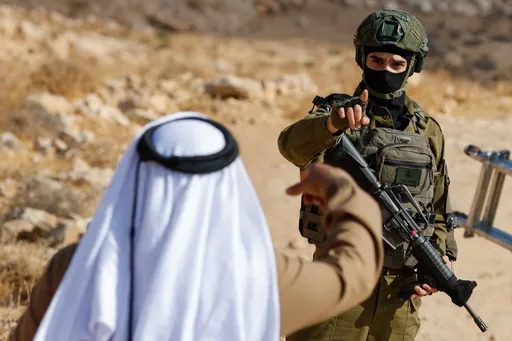
The Pentagon confirmed last week the deployment of roughly 2,500 Marines and an amphibious assault ship to the Middle East, marking the largest movement of ground forces since the US-Israel war on Iran erupted several weeks ago.
US Central Command specifically requested the deployment to provide commanders with more options for military operations against Iran, a US official said.
The Marines, currently based in Japan, will be able to conduct ground operations if ordered.
The Pentagon's announcement followed days after Democratic senators, leaving a classified war briefing, publicly warned that Washington might already be heading in exactly that direction.
On March 10, Democratic Senator Richard Blumenthal walked out of a classified Senate Armed Services Committee briefing on the Iran war and stopped in front of reporters.
"I emerged from this briefing as dissatisfied and angry, frankly, as I have from any past briefing in my 15 years. We seem to be on a path toward deploying American troops on the ground in Iran to accomplish any of the potential objectives here,” he said.
“The American people deserve to know much more than this administration has told them about the cost of the war … a war of choice made by this president, not chosen by the American people," Blumenthal added.
Yet despite the rising signals, deploying ground troops and invading Iran would be "extremely difficult and almost impossible when viewed from military, geographic, and political perspectives," Professor Ata Atun, an academic at Girne American University, tells TRT World.
“It does not appear feasible for the US military to destroy the Iranian armed forces, supported in every way by China and Russia, and then seize Iran through combined air and ground operations.”
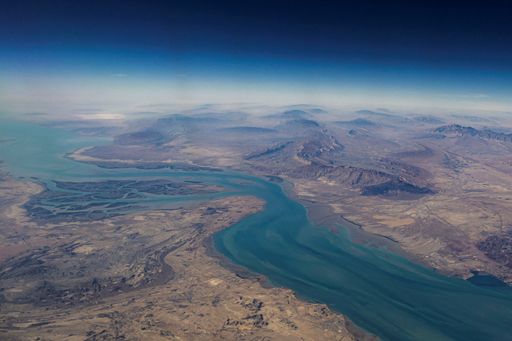
“If US forces were to set foot in Iran, a country with predominantly mountainous terrain, they would only be able to achieve success in certain coastal areas where the population density is relatively low,” he says.
At what cost?
The White House has not confirmed that a ground operation is being planned, but it has not ruled one out either.
Defence Secretary Pete Hegseth stated that Washington is "willing to go as far as we need to" to prevent Iran's nuclear ambitions from being realised.
At a congressional briefing, Secretary of State Marco Rubio was asked who would physically secure Iran's enriched uranium stockpiles. His answer: "People are going to have to go and get it." He did not specify who.
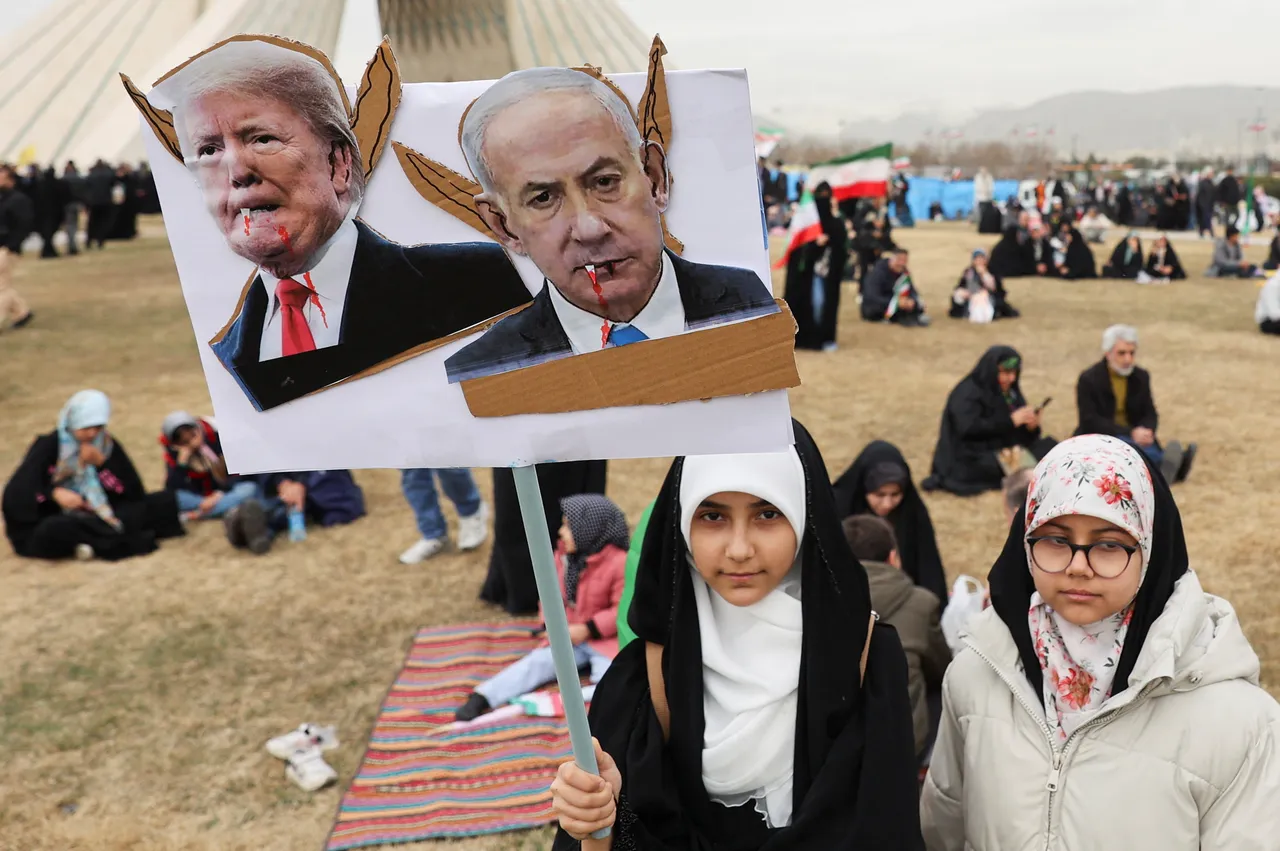
The US and Israel have killed at least 1,348 civilians in Iran and wounded more than 17,000 others, while 826 people, including at least 98 children, have been killed in Lebanon, with over 2,000 wounded.
Across the Gulf, at least 16 people have been killed in strikes on Iraq, Bahrain, Kuwait, Qatar, and Oman.
“In the US Congress, the military action against Iran and its consequences are being debated at a level that could place President Trump in a difficult position,” Atun says.
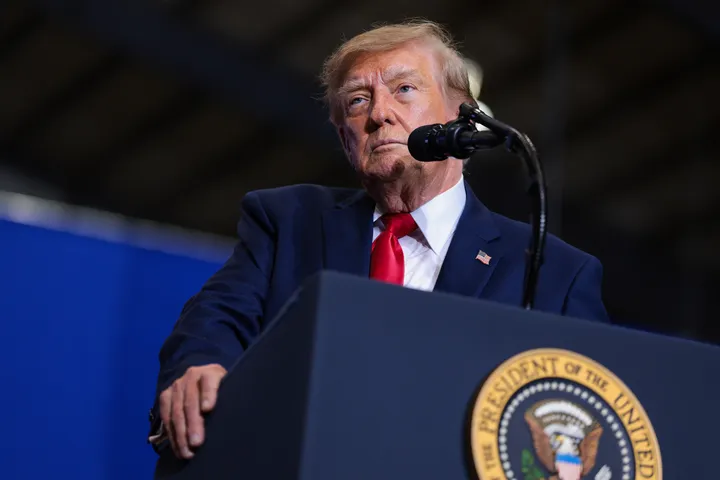


“If President Trump were to lose the congressional majority in the elections to be held in November, there is a small but possible chance that the issue of his removal from office could come onto the agenda,” he explains.
What a ground operation would look like
A full-scale invasion of Iran, a country four times larger than Iraq with extensive mountainous terrain, is neither realistic nor genuinely considered, analysts say.
Therefore, the more probable scenario is a precisely targeted, short-term operation focused on finding and securing Iran's nuclear material.
“One of the real objectives of the US is to stop the oil that Venezuela (800,000 barrels) and Iran (1,500,000 barrels) export to China. China, currently the US’ biggest rival, can produce only about 23 percent of the oil it needs within its own territory to sustain and develop its economy,” Atun says.
“It appears that the US’ long-term objective is to push China into an energy shortage. Although the US military successfully completed the Venezuela operation, it has not been able to conclude the Iran war in a short period of time, as President Trump suggested.”
“As of now, its stocks of rockets and missiles have dropped to very low levels. For this reason, any US military action against Iran would likely remain within the scope of a limited operation,” Atun adds.
If US troops were ever to set foot in Iran, the likely targets could be the Natanz Nuclear Facility, the Fordow Fuel Enrichment Plant, and the Isfahan Nuclear Technology Center, all of which the US bombed last June, analysts say.
The IAEA, or the International Atomic Energy Agency, later said that some facilities remained standing and enrichment could resume within months.
Since 28 February, Iran has targeted US military assets across the Gulf and attacked infrastructure in Iraq, Bahrain, Kuwait, Qatar, Saudi Arabia, and Oman. Hezbollah and the Houthis have both indicated their willingness to escalate further.
Analysts warn that any ground deployment would likely provoke a severe Iranian response and could draw in the full extent of Tehran's regional proxy network.
“If US troops were deployed to Iran, there is more than a fifty percent chance that the US could find itself in a very difficult situation similar to the Vietnam War,” says Atun.
“It is certain that China and Russia would continue to support Iran as allies until the end of the conflict. The likelihood of the conflict spreading across the Middle East and expanding into a wider regional war is relatively low,” he adds.
As the USS Tripoli heads towards the Persian Gulf, that warning becomes increasingly difficult to ignore.
“The only way for President Trump to escape this difficult situation appears to be for President Recep Tayyip Erdogan to step in between the US and Iran in the near future and bring both sides to a peace table,” Professor Atun tells TRT World.
“Since it would not be possible to openly acknowledge that the US has been defeated or that President Trump made wrong decisions, the conflict would likely come to an end after the Republic of Türkiye intervenes with a set of reasonable and acceptable justifications.”