 Kazim Alam
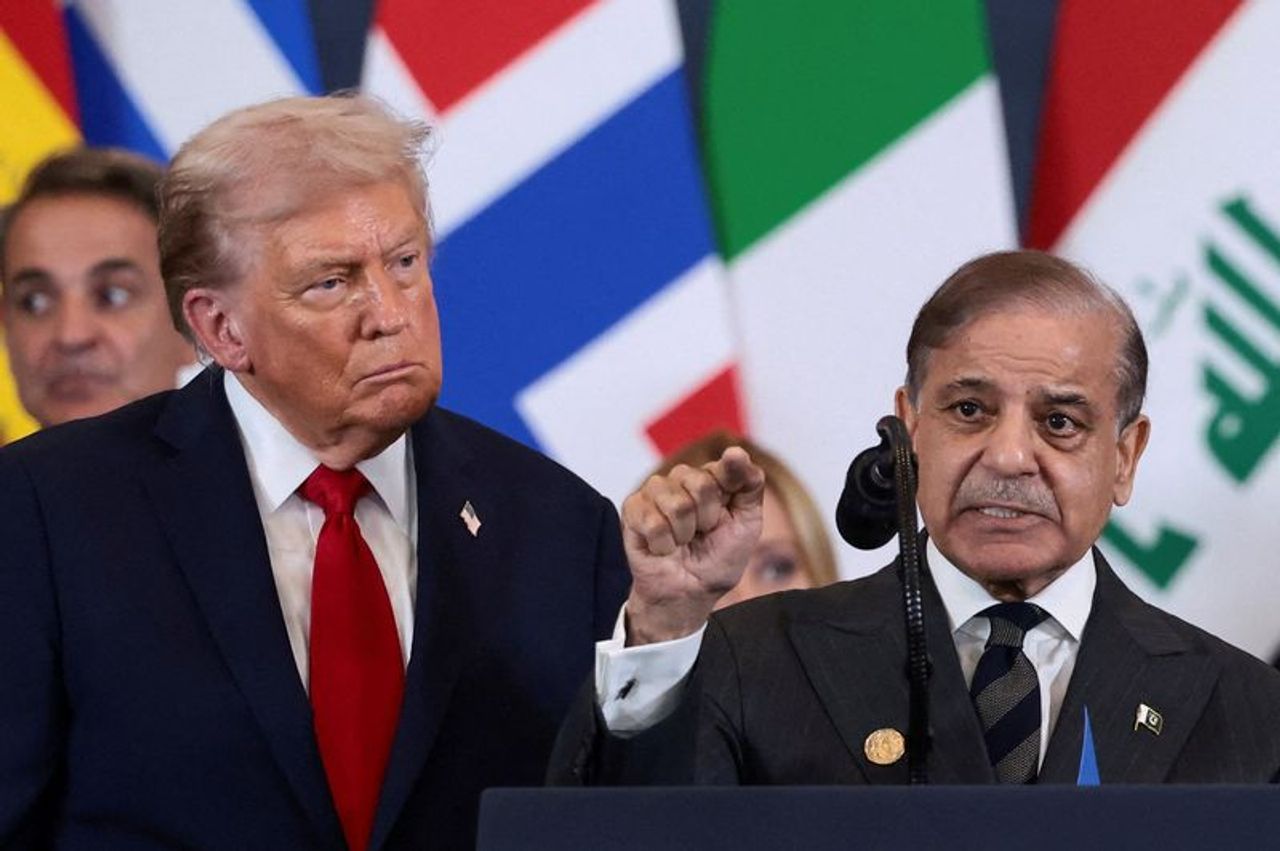
With negotiators from the US and Iran scrambling to find a lasting solution to the war that includes sanctions relief for Tehran, Pakistan is looking at an economic windfall of its own as well.
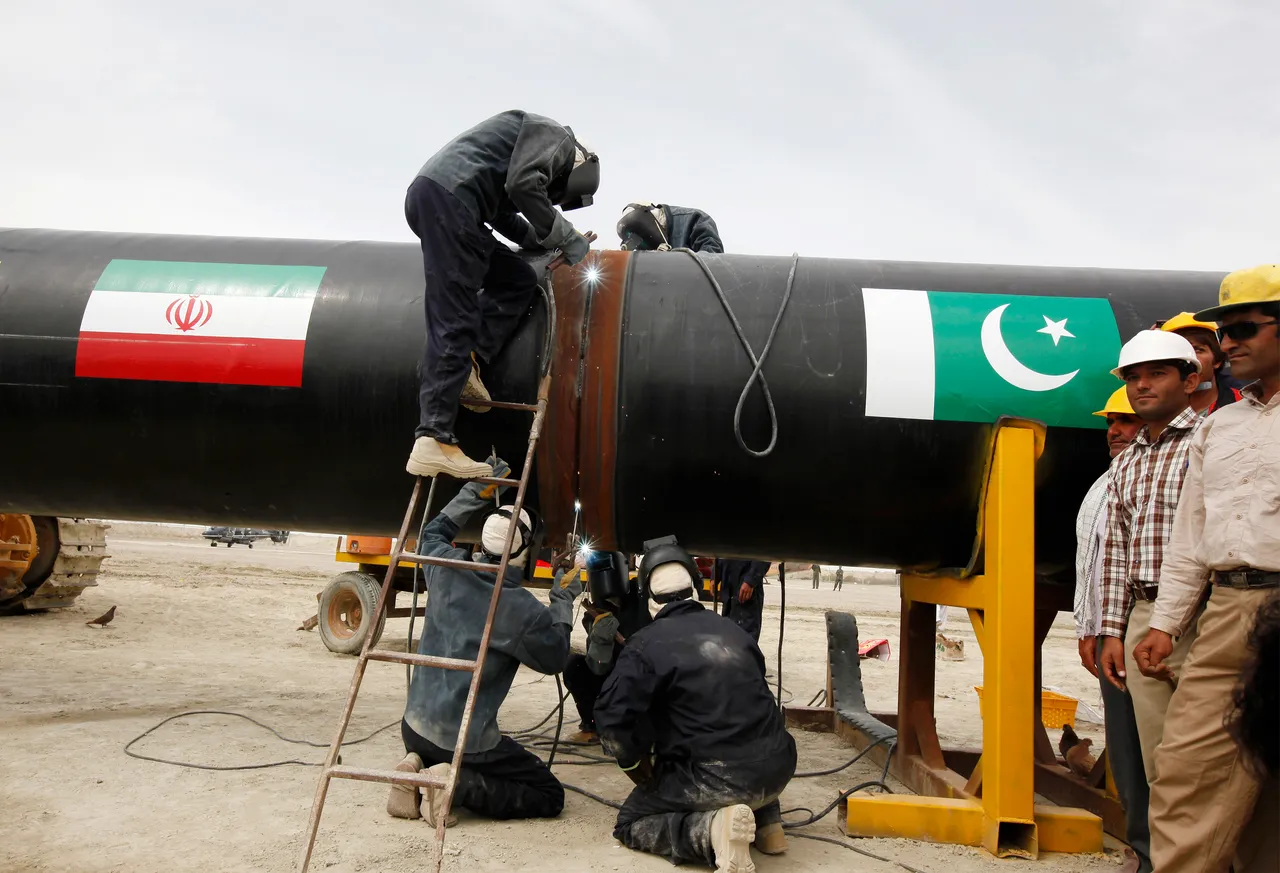
The lifting of sanctions will potentially clear the way for one of Islamabad’s most ambitious energy projects: the much-delayed Iran-Pakistan gas pipeline, sometimes described as the country’s largest unrealised energy infrastructure venture.
Iran has the world’s second-largest proven natural gas reserves. But the country has been under sanctions of varying degrees for decades, effectively barring Tehran from using the dollar-based international financial system.
Moreover, the threat of secondary sanctions – which target countries, banks and businesses that deal with Iranian companies – discouraged potential trade partners from using even non-dollarised, alternative payment mechanisms to settle transactions.
But the expected removal of sanctions at the end of the post-ceasefire 60-day window offers countries such as Pakistan a real chance to restart work on long-delayed energy cooperation projects.
Iran has already completed its roughly 1,150km section of the pipeline from the South Pars field, the world's largest natural gas deposit that Iran shares with Qatar.
But the 781km segment of the planned pipeline in Pakistani territory remains unbuilt, mainly due to sanctions-related constraints.
At the same time, households across Pakistan have been facing a severe shortage of natural gas over the last few decades. That’s mainly because supplies from domestic gas fields have been declining at a rapid pace.
Even though Pakistan has set up two dedicated terminals to import liquefied natural gas (LNG) from Qatar over the last decade, gas shortages persist for a variety of reasons. For instance, imported LNG is expensive compared to gas, which comes from domestic fields.
Government officials and experts say there is serious interest in Islamabad in reviving the Iran-Pakistan gas pipeline.
However, opinions differ sharply on the conditions required to make the long-dormant project viable.
Strong interest, with caveats
Moin Raza Khan, former CEO of Pakistan Petroleum, a state-owned energy conglomerate, tells TRT World that the revival of the project appears to be at the top of the policymakers’ agenda in Islamabad.
“Economically, the case remains strong: pipeline gas would be cheaper and more reliable than LNG cargoes that are exposed to maritime disruption, insurance shocks, and conflict-related delays,” he says.
The settlement of the US-Israeli war against Iran must not mean a mere ceasefire of hostilities, he says.
Rather, it should be used to launch a region-wide programme to revive the gas pipeline and fast-track its implementation as soon as sanctions on Iran are lifted at the end of the 60-day window.
Masood Siddiqui, former managing director of Oil and Gas Development Company, Pakistan’s largest energy exploration firm, is equally optimistic about the renewal of the mega infrastructure project.
“There’s definitely serious interest among Pakistani officials. I’d say that might be like Agenda Item No 1,” he tells TRT World.
He is dismissive of some analysts who insist that Pakistan actually has “excess supply of gas” because of its long-term gas import agreements with Qatar.
“We do have serious gas shortages. Those who say we have plenty of gas, they don’t know what they’re talking about,” he says.
Abid Qaiyum Suleri, executive director of Islamabad-based think tank Sustainable Development Policy Institute, tells TRT World that Pakistan’s interest in realising the pipeline project with Iran is “serious” but “conditional”.
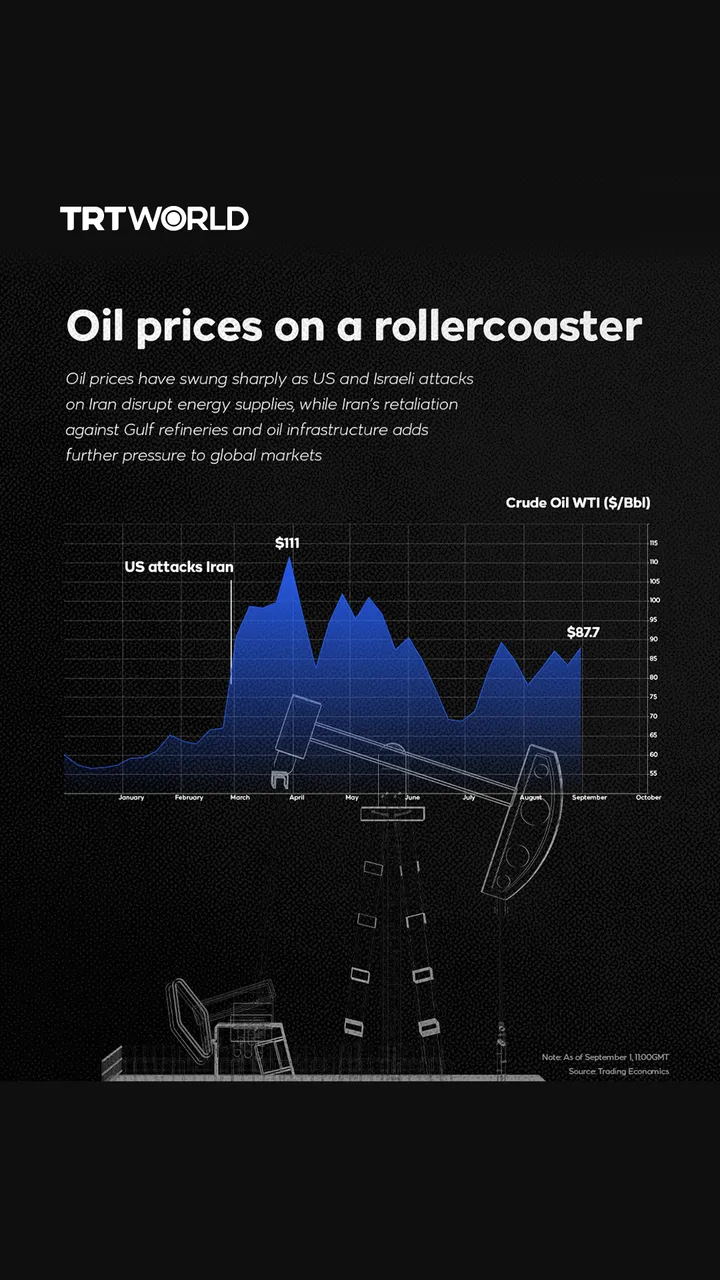
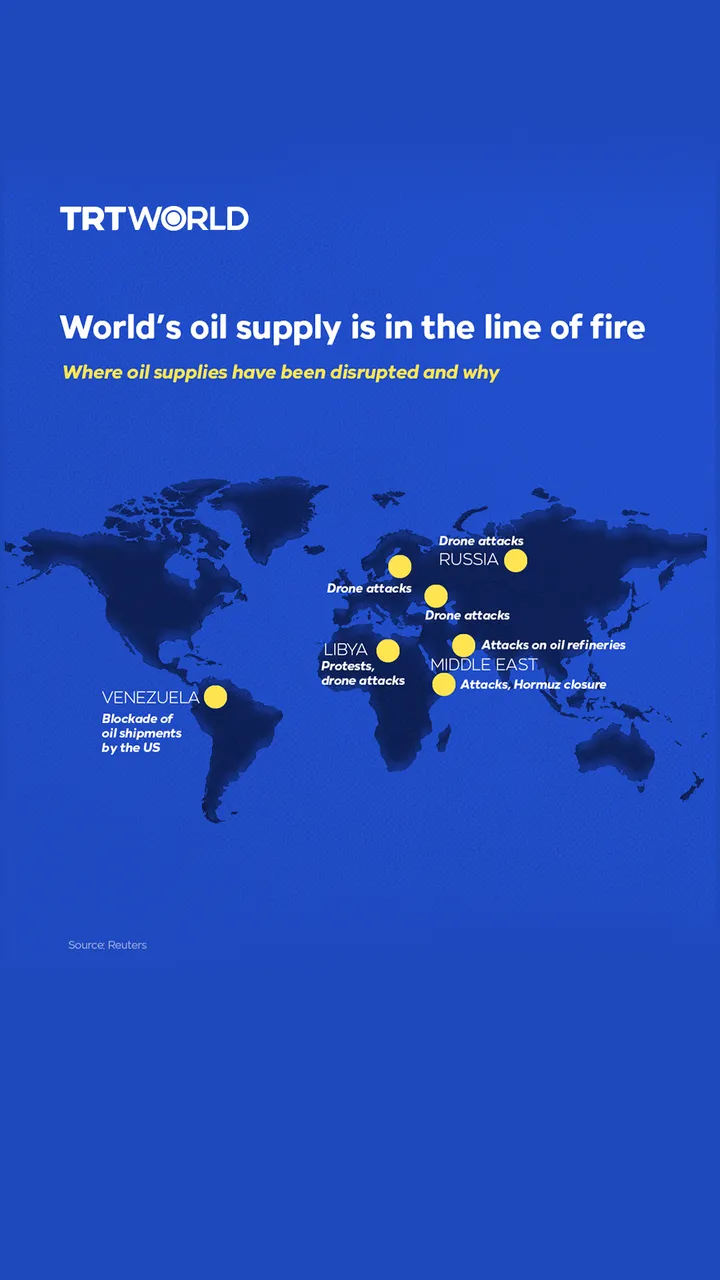
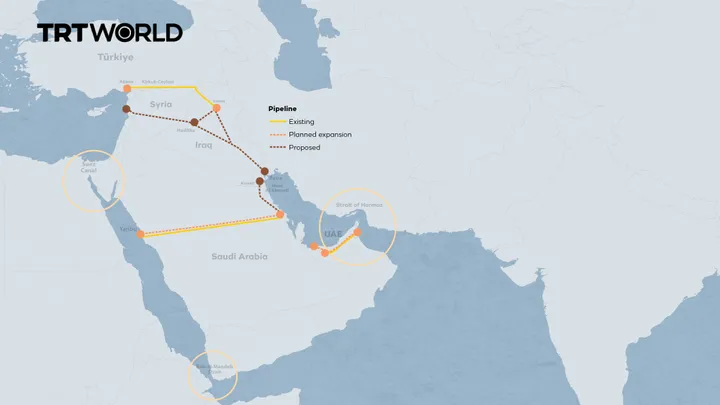


He says Pakistani officials have three main reasons for reviving the project: possible US-Iran de-escalation, the need to diversify away from LNG shipments through the Gulf, and the risk of Iranian arbitration claims.
Pakistan is contesting an arbitration claim that Iran filed in Paris in 2024 for $18 billion for failing to construct its section of the pipeline.
Reviving the project will free Pakistan from the liability risk.
Islamabad already greenlit in 2024 the construction of the first 80km stretch from the Iranian border to Gwadar, a port city on the southwestern coast of Balochistan province, mainly to ward off potential penalties.
The economic case for cheaper, reliable gas
Experts say that gas imported through a pipeline from Iran would offer a cost advantage over LNG imported via vessels from Qatar.
Siddiqui says that pipeline gas avoids the costs of compression, cryogenics, and shipping. “It is simply not possible that pipeline gas is more expensive than LNG… I have absolutely no doubt about it,” he says.
He says the original pricing that the two countries agreed upon before the US intensified its sanctions regime in the 2010s was “attractive”.
According to Khan, historical estimates put pipeline gas at roughly $11 per one million British thermal units (MMBtu) compared with imported LNG at around $18 per MMBtu at the time, implying savings of 35-40 percent.
Samiullah Tariq, head of research at Karachi-based Pakistan Kuwait Investment Company, says the pipeline’s revival will make economic sense only if the pricing arrangement is renegotiated in view of “today’s market realities”.
“There won’t be any takers for Iranian gas in Pakistan at $12 per MMBtu. But there’ll be solid demand if it’s available at $5-6 per MMBtu,” he tells TRT World.

Blending Iranian gas with local and Qatari supplies can lower the average price and significantly boost industrial consumption, which currently faces high gas costs, he adds.
Experts say Pakistan has had a bad experience with similar energy projects, in which it expected demand for electricity to go up substantially and invested heavily in power plants. But in the end, the system was left with idle power plants.
Another problem was the take-or-pay clause, which means that the government must pay for contracted gas or electricity even if it doesn’t need it.
Suleri calls for a new pricing package featuring a price ceiling, periodic reviews, lower initial volumes, and seasonal flexibility to make the project viable.
Similarly, the requirement to make payments in dollars can add to Pakistan’s financial woes, as seen in the case of power plants, which were built with Chinese investments.
“A dollar-based deal would not work going forward if Iran comes back under sanctions,” Siddiqui says, adding that the two sides should use the Chinese yuan or the Russian ruble instead.
Suleri says Pakistan needs cheaper gas, flexible volumes, non-dollar settlement that does not hide liabilities, and a written US sanctions comfort.
“Without these safeguards, the pipeline will shift from energy security to another fixed-payment liability.”