 Serra Deniz Araz
Can destruction become the seeds of creation too?
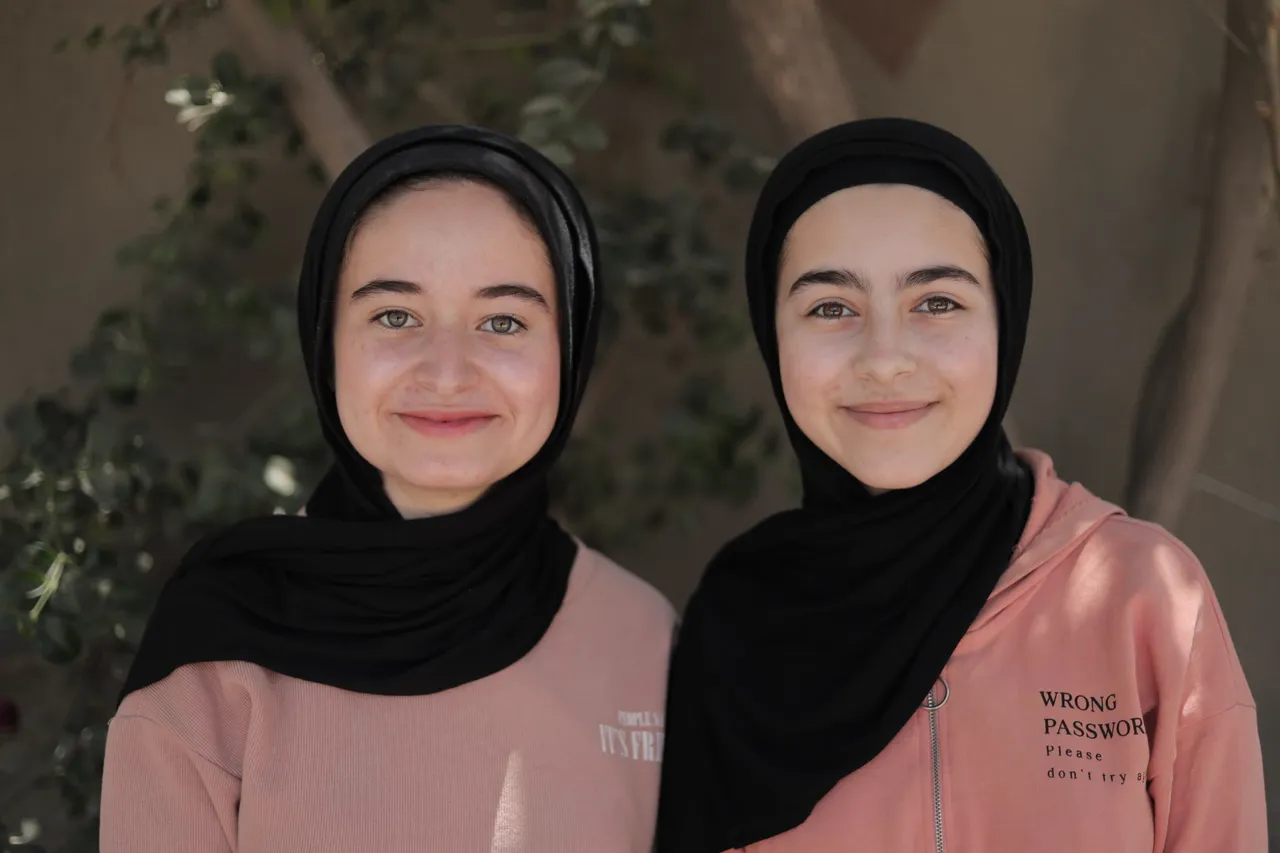
It is a question that sisters Tala and Farah – 17 and 15 respectively – often asked themselves, their young lives upended by Israel’s genocidal war on Palestinians in Gaza and elsewhere.
“We kept asking ourselves how something caused by destruction could become used to rebuild instead,” Tala Mousa tells TRT World.
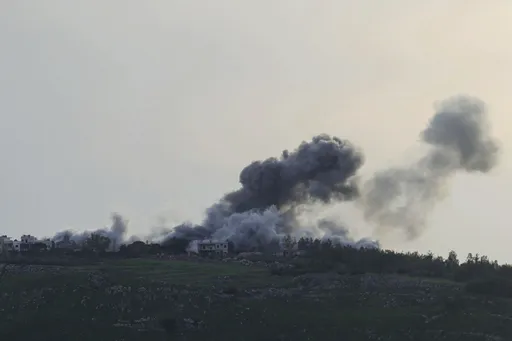
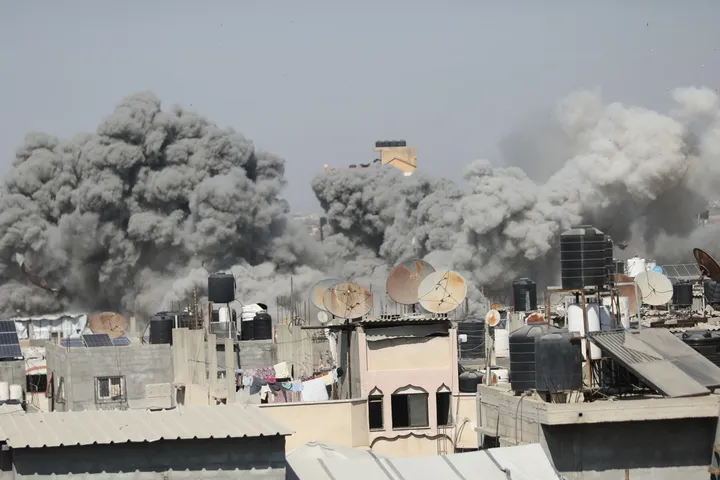
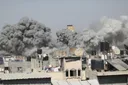
The question emerged from the reality around them. After two years of Israel’s war on Gaza, more than 60 million tonnes of rubble have accumulated across the enclave, creating one of the most severe urban and environmental crises in modern history.
Whole neighbourhoods have been reduced to ruins. Families have been repeatedly forced from one place to another. Schools, homes, roads and public spaces have been destroyed, while severe shortages of building materials have made reconstruction even harder to imagine.
For Tala and Farah, the rubble around them was never separate from the devastation Palestinians in Gaza have endured. It carried the weight of destroyed homes, broken routines, interrupted education and lives violently changed by Israel’s war.
But living inside that devastation also forced the two sisters to think practically. If rubble were now everywhere in Gaza, they asked, could it become part of the answer to rebuilding?
That question became the foundation of ‘Building Hope – Palestine’, the project that won The Earth Prize Middle East after competing with thousands of teams worldwide.
“Out of 6,095 participating teams, we advanced in the first stage to become one of the top 35 teams in The Earth Prize,” Farah says.
A project shaped by war
Their idea is simple, but urgent: collect rubble from destroyed buildings, crush and sieve it, then mix it with locally available materials to create reusable construction blocks.
Tala says the block they are developing is made of 80 percent recycled rubble, combined with materials that can be found locally.
“Our project is based on a centralised reconstruction system,” Tala says. “The idea is simple and accessible, allowing anyone, anywhere to benefit from it. We aim to turn the rubble of destroyed homes into a real solution for the problem itself.”
In Gaza, where destruction is widespread and construction materials remain scarce, Farah says the project is more than an environmental innovation. “It is an attempt to develop a local, affordable and community-based response to one of the enclave’s most urgent needs,” she explains.
For the sisters, the project did not begin under ideal conditions but in the midst of displacement and uncertainty.
Like many families in Gaza, they say they have been displaced many times since Israel’s war began on October 7, 2023. Their education, daily routine and sense of safety have all been disrupted.
Yet the instability around them did not stop the idea from growing. It shaped it.
“The hardest point was continuing despite displacement, limited resources and emotional pressure,” Farah adds.
Even basic experimentation was difficult. Safe space was limited. Materials were limited. The emotional pressure of living under bombardment and repeated displacement made every stage of the project fragile, they add.
Their family helped them continue. Their parents supported them emotionally, encouraging them despite the conditions, while their grandfather played a central role in the practical side of the work.
“My grandpa was the biggest support,” Tala says. “He helped us with the prototypes for the blocks.”
The sisters also received mentorship through The Earth Prize, which helped them develop the project. But the idea itself remained rooted in Gaza’s reality: destroyed neighbourhoods, limited resources and the urgent need for reconstruction led by those living through the destruction.
Working together as sisters gave the project another layer of strength. Tala and Farah divided responsibilities between research, technical development, communication and presentations. But their deeper strength, they say, came from sharing the same motivation and reminding each other why they began when the work became stressful.
Young people as builders
They do not want Building Hope–Palestine to remain only their own project. Their aim is to turn it into a practical learning model for young people in Gaza.



Their plan is to hold hands-on workshops where participants learn each step directly. By using simple tools and available resources, they hope young people can carry the method back to their own peers and communities.
“Young people are a huge part of the community and the future of Gaza,” Farah says. “Involving them gives them practical skills, hope and a sense that they can actually contribute instead of only waiting for outside solutions.”
This is central to Tala and Farah’s vision. Gaza’s youth should not be treated only as victims of destruction or passive witnesses to decisions made elsewhere. They believe that young people must be involved in the rebuilding process in every way, whether technical, social, or emotional.
For Tala and Farah, the prize is recognition that young Palestinians in Gaza are still thinking, designing and imagining futures, even as the present is being destroyed around them.
Their message to other young Palestinians is direct: “You are the future. And you are the one who should rebuild it.”
When they first explain that rubble can be reused, the sisters say many young people are surprised.
The material is usually associated with destruction and loss. But once the method becomes clear, surprise can turn into excitement. The rubble remains tied to pain, but working with it gives young people a way to participate in recovery rather than only witness devastation.
A future beyond rubble
The prize has strengthened that sense of possibility. Tala and Farah say they believed in the idea from the beginning, but winning The Earth Prize gave them confidence that their solution could reach more people and grow beyond what they first imagined.
For them, the award also sends a message that Palestinian youth are not only surviving unbearable conditions, but creating solutions, leading initiatives and representing their communities internationally.
“Winning the prize means that our voices, experiences and efforts were seen globally,” they say. “It also gave us hope that young people from Gaza can still innovate despite everything happening around them.”
Their motivation, they add, comes from the situation itself and from the belief that even small ideas can create real change.
“Hope becomes something you choose to hold onto,” they say.
That understanding also shapes how they think about Gaza’s reconstruction. As states, organisations, donors and outside actors discuss rebuilding the enclave, Tala and Farah believe the process must involve the people who live there.
For them, rebuilding Gaza cannot be reduced to concrete and infrastructure. It is also about people, daily life, education, mental health and giving communities the ability to participate in rebuilding their own futures. Any meaningful reconstruction, they say, must restore dignity, safety and opportunities for communities.
Their personal dreams grow from the same sense of responsibility. Tala hopes to study international law to defend people’s rights and dignity. Farah wants to study translation and languages to become a voice that carries Palestinian stories to the world.
Their ambitions are not separate from Building Hope–Palestine. They come from the same desire to serve their community, protect Palestinian dignity and help Gaza’s story be heard beyond images of destruction.
With the prize funding, the sisters want to launch workshops, provide safety equipment and tools, improve testing, produce more prototypes and build partnerships that can help scale the project within communities.
They also believe the model could be adapted in other conflict- and disaster-affected areas facing similar problems.
But for now, the project’s message begins in Gaza.
“We truly want to say Gaza is not only destruction,” the sisters say. “Behind every image are people with dreams, ideas and talents.”
Building Hope–Palestine does not claim to rebuild Gaza alone.
But in the hands of two teenage sisters, rubble becomes more than debris. It becomes a material, a method and a beginning — a way for Gaza’s young people to imagine, teach and help build a future they have the right to shape.