[NOTE: In The Belly of AI available until October 12, 2026.]
The Human Cost Behind the Magic of AI
Henri Poulain’s documentary In the Belly of AI looks beyond the promise of artificial intelligence to reveal the workers, resources and inequalities hidden behind the technology.
Artificial intelligence has a branding problem. There is considerably more human intelligence inside it than its name suggests.
We experience AI through the illusion of effortlessness. A question produces an answer in seconds. A few words become an image. Algorithms recognise faces, filter content and increasingly influence what we watch, buy and read. But behind this apparent magic lies an enormous infrastructure of human labour, natural resources and physical machinery.
This film turns its attention away from what artificial intelligence can do and towards a less frequently asked question: What, and who, makes it possible?
AI systems learn from vast quantities of data, but that data does not simply organise itself. Across the world, workers label photographs, categorise objects, transcribe recordings, evaluate responses and moderate disturbing content. Their work helps train and refine increasingly sophisticated AI systems. In the Belly of AI brings these largely invisible workers into view.








The paradox is striking. The more seamless AI appears to the user, the easier it becomes to forget the human labour behind it.
There is also a geographical imbalance. The public face of the AI revolution is dominated by billion-dollar companies, celebrated entrepreneurs and powerful new models, largely concentrated in the world's wealthiest economies. Much of the labour supporting those systems, however, takes place far from the companies and consumers benefiting most from them. The film places AI within a much older economic story, in which some of the least visible people in a global supply chain are also among its most essential.
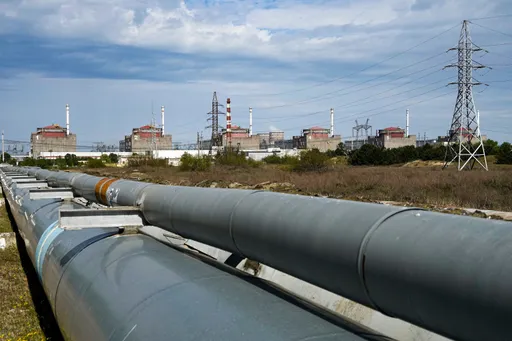
AI has a geography, and so does the infrastructure powering it. The "cloud" sounds weightless and immaterial. In reality, it exists in enormous data centres requiring land, electricity and water. Artificial intelligence therefore has an environmental footprint as well as a human one.
Perhaps the film's most unsettling idea is how rarely users are required to think about any of this. Technology is most seductive when complexity disappears. AI takes this abstraction particularly far because the product itself appears intelligent, while the people and physical infrastructure behind it recede from view.
Much of today's debate focuses on what AI might eventually do to workers: which jobs it will replace and which professions it will transform. In the Belly of AI asks us instead to consider the workers who are already part of that future.
Recognising these costs does not mean rejecting artificial intelligence or its potential. But technological progress deserves a more complete accounting.
The greatest trick of AI may not be that machines have learned to appear human. It may be how successfully we have made the humans behind them disappear.