Four human embryos, an Israeli courier and a tank labelled ‘Life Parcel’.
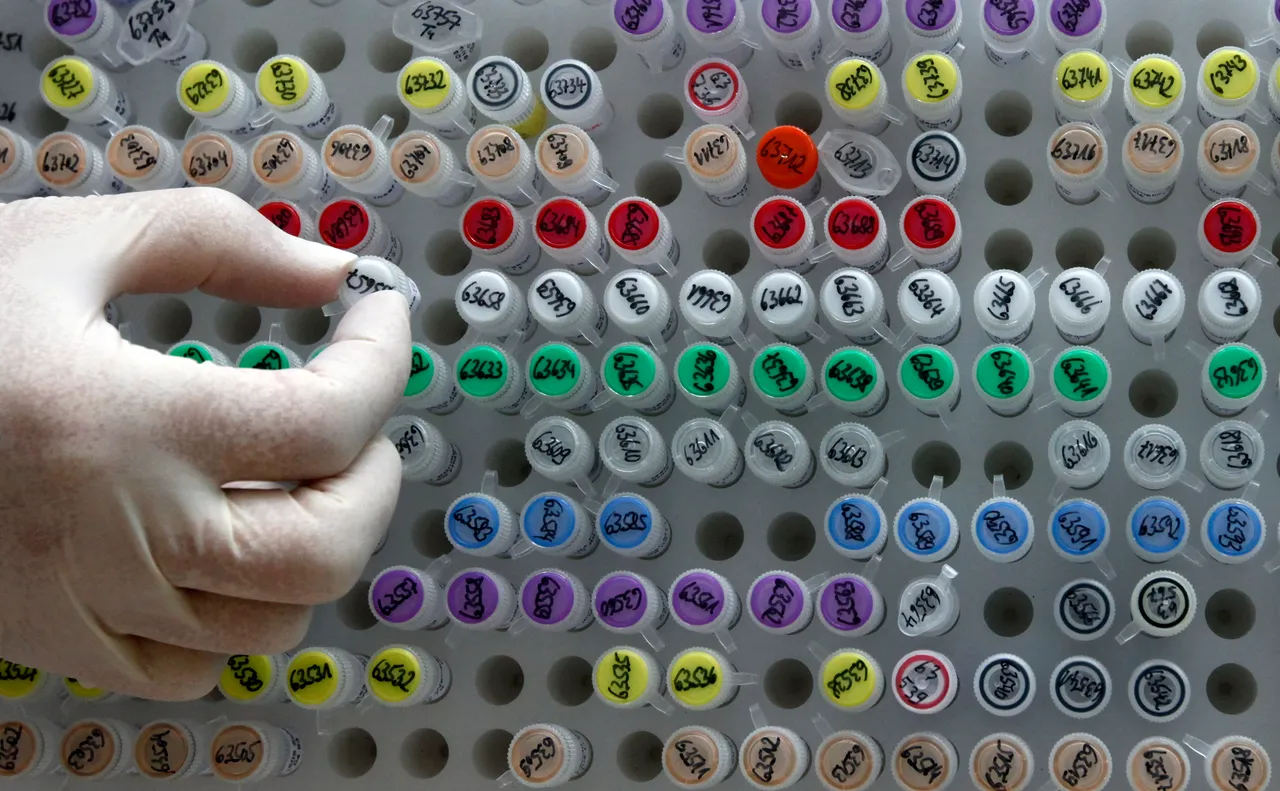
When border police of the Turkish Republic of Northern Cyprus (TRNC) stopped a man attempting to leave Ercan Airport last week, what they found in his luggage opened a window into an illegal trade that officials have spent years trying to document and Israel has spent longer trying to deny.
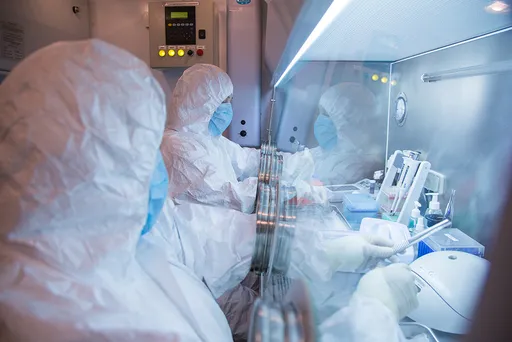
The embryos were traced to Vita Altera IVF, a clinic operating in Lefkosa that authorities say had no legal standing to be removing biological material from the territory.
Two more suspects linked to the clinic were arrested. The courier company behind the transfer, LifeParcel, was founded by an Israeli embryologist Aharon Peretz and runs international IVF logistics operations. Where the embryos were headed remains under investigation.
TRNC authorities are treating it as a permit violation, with further questions emerging from the broader record.
A supply without a source
Israel operates the largest skin bank in the world.
It also has one of the lowest organ donation rates in the Western-aligned world, around 14 percent.
The arithmetic doesn't work unless something else fills the gap, and for years, that discrepancy was treated as uncomfortable but unverifiable.
Then it became undeniable from within. An interview with Israeli pathologist Yehuda Hiss, the former head of the Israeli Forensic Institute, confirmed that organs had been “harvested” from dead Palestinians, including skin, corneas, heart valves, and bones, without the consent of their families, or in other words, stolen.
The interview had been conducted in 2000 but gained wide circulation after Sweden's Aftonbladet published its landmark 2009 investigation alleging that Israeli soldiers had been stealing organs from Palestinians who died in their custody.
In August 2014, The New York Times reported that Israelis had played a "disproportionate role" in organ trafficking, with transplant brokers pocketing enormous sums.




Stealed organs
The same practice has continued and been documented through the current genocide in Gaza.
In October 2024, Gaza authorities announced that 120 bodies had been returned through the International Committee of the Red Cross over three consecutive days.
The director of the government media office, Ismail Thawabta, stated that most arrived in deplorable condition, with evidence of field executions and systematic torture. Some were returned blindfolded and bound, others bearing signs of strangulation.
Crucially, parts of many corpses were missing, including eyes, corneas, and other organs, which Thawabta described as confirmation that the army had stolen human organs while holding the bodies.
At that point, Israel was holding the bodies of 735 Palestinian prisoners, including 67 children.
This was not the first time such findings had reached the United Nations. In November 2015, Palestinian Ambassador Riyad Mansour wrote directly to then-Secretary General Ban Ki-Moon, stating that medical examinations of returned bodies found they were missing organs.
Alongside organ removal, Israel has systematically held Palestinian bodies in military cemeteries known as "cemeteries of numbers," burying Palestinians at depths of less than 50 centimetres, assigning numbers rather than names, and blocking access by both human rights institutions and the families of the deceased.
In 2017, Israeli authorities admitted losing the bodies of Palestinians buried in these sites, with documents relating to their burial reportedly destroyed.
It is into this context that the Ercan Airport incident came.
TRNC authorities are still investigating the case, but have yet to determine where those embryos were going, and why an Israeli-linked courier operation was the chosen method of transport.
But somehow, the missing organs, the destroyed records, the bodies returned without their parts; the trail leads, repeatedly, to the same place.