Iraq seeks exemption from US ban on Iranian airlines
Israel uses phosphorus munitions in southern Lebanon attacks
Iran proposes a plan to reopen Hormuz within seven days
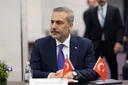
Saudi Arabia calls for 'serious' cooperation to protect navigation
2 hours ago
US rejects Iran's latest proposal to reopen Hormuz
SUMMARY
Iran denies plans for military retaliation over aviation restrictions
Iran’s Supreme National Security Council has denied reports that Tehran plans to respond militarily to recent restrictions imposed on Iranian aviation, according to Press TV.
In a statement, the council rejected reports that Iran will retaliate militarily over the aviation measures, saying negotiations are underway with the countries concerned to remove some of the “unlawfully imposed” restrictions on Iranian air travel.
It said Iran has “numerous non-military options” that can be used against some airports, if necessary.
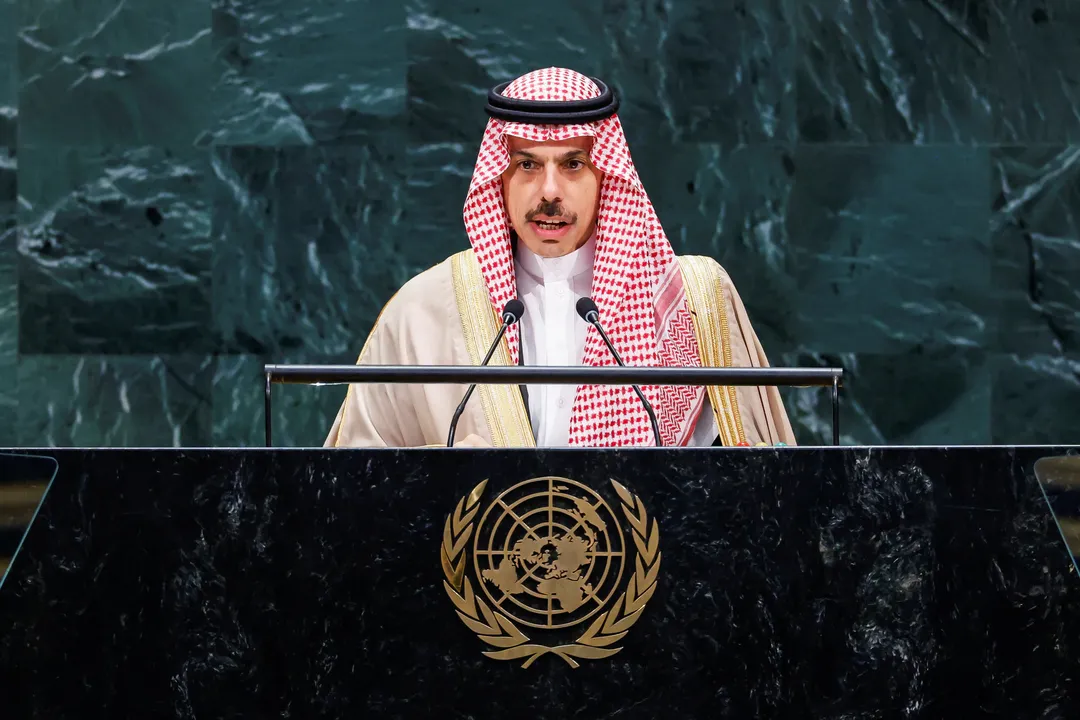
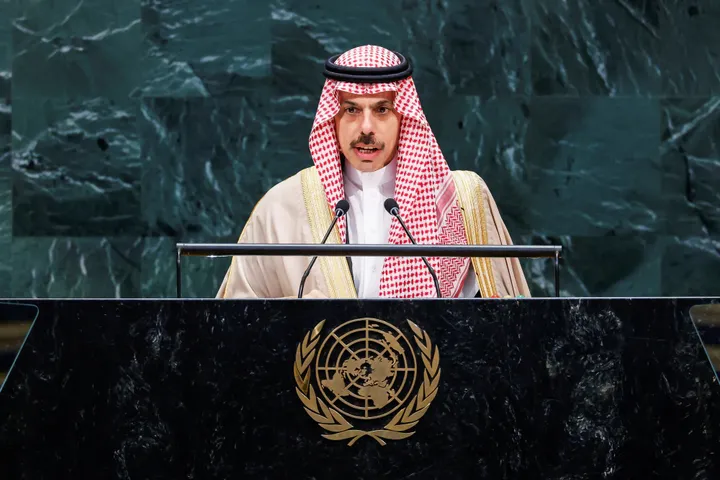
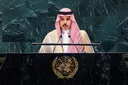
At UNGA, Saudi Arabia calls for 'serious' cooperation to protect navigation
Riyadh says the international community has been absent from assuming its responsibilities in confronting all that threatens peace and security.



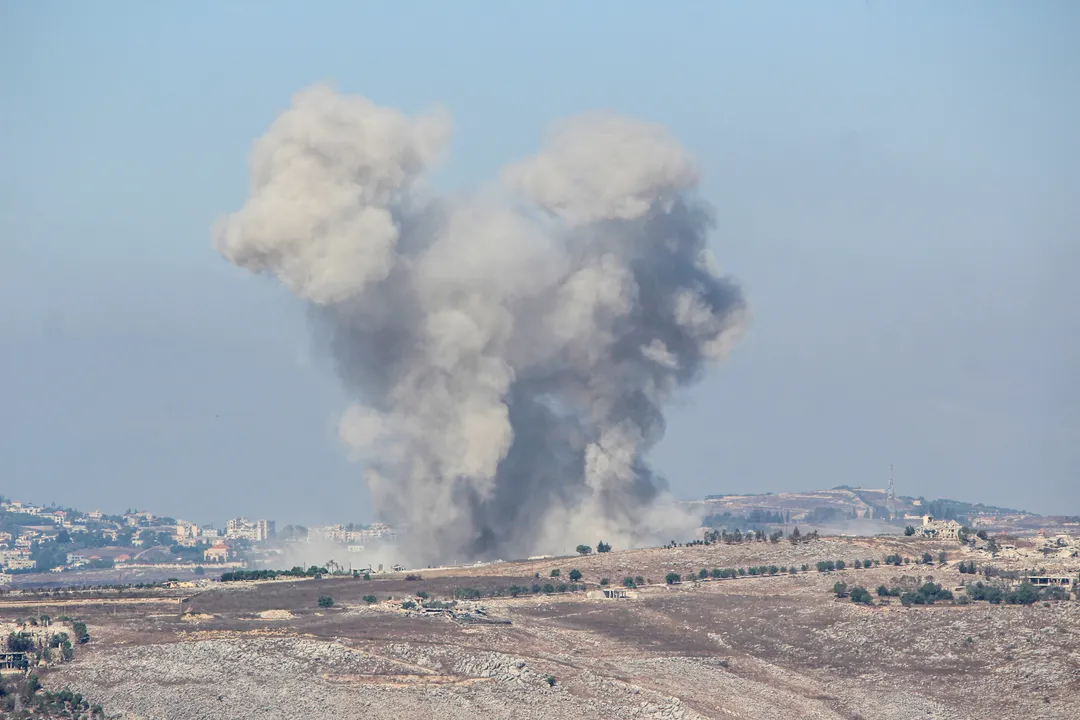
Israeli forces use phosphorus munitions in southern Lebanon attacks: Lebanese media
Artillery fire hits areas in Nabatieh, Tyre districts as Lebanese army clears unexploded Israeli bombs.
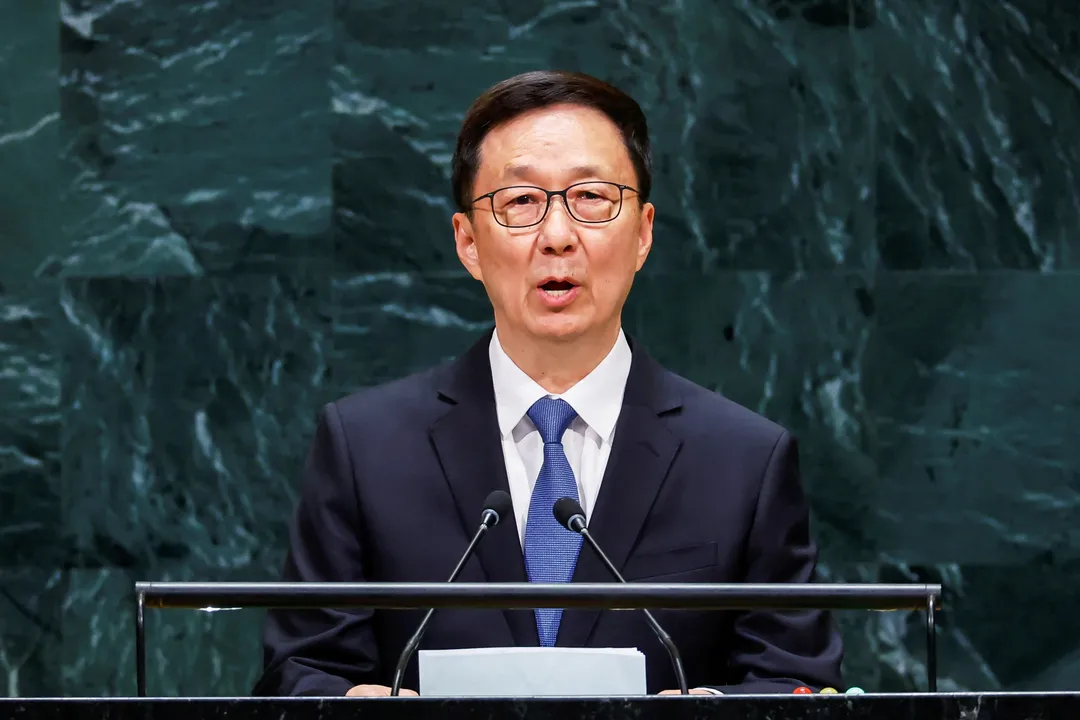
China pushes back against 'unilateral military actions' at UNGA amid US-Iran war
Beijing calls for "bringing the Palestinian question back onto the right track of the two-state solution at an early date.
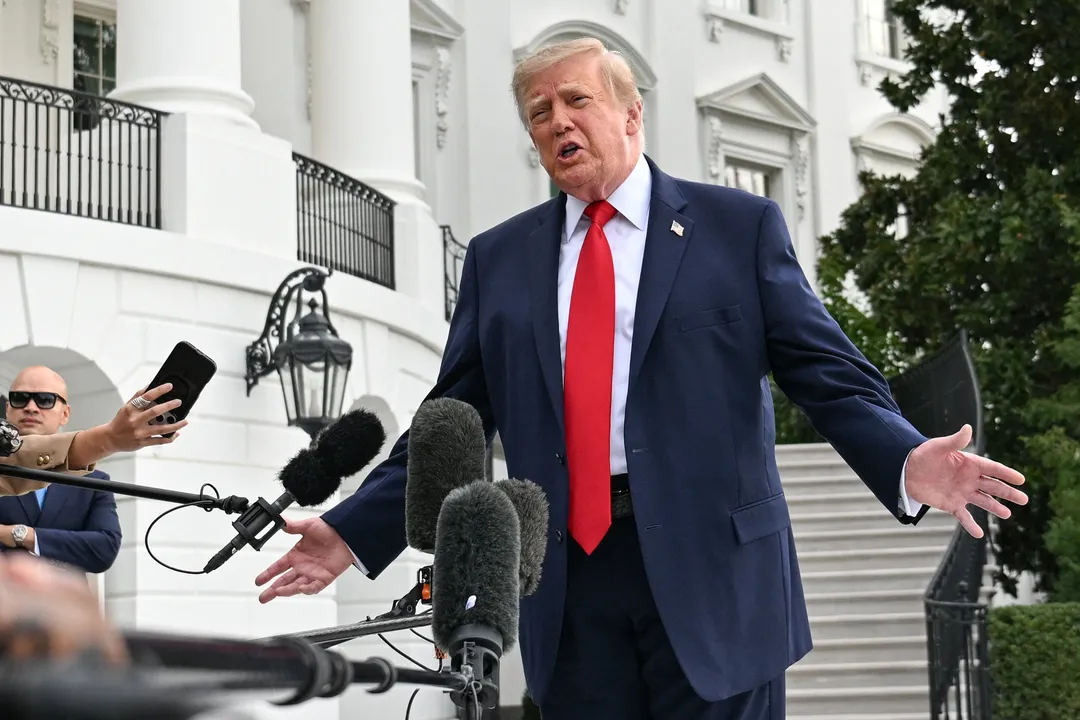
Trump rejects Iran's proposal to reopen Hormuz
Iran offered to reopen Hormuz within seven days if the US accepted a plan it conveyed through Qatar.
Iran president says supreme leader backs new plan to reopen Hormuz
Iranian President Masoud Pezeshkian said Tehran's new plan to reopen the strategic Strait of Hormuz was coordinated with supreme leader Mojtaba Khamenei, state media reported, quoting an interview with US media.
Pezeshkian also told broadcaster CBS that the Islamic republic would fulfil its obligations were the United States to agree to the proposal, according to excerpts released by state news agency IRNA.
Gulf Cooperation Council condemns Houthi missile, drone attacks on Saudi Arabia
GCC condemned ballistic missile and drone attacks launched by Houthis on Saudi cities of Riyadh and Khamis Mushait.
"This perilous escalation represents a flagrant violation of the kingdom’s sovereignty and an immediate threat to civilian safety and regional stability," the council's Secretary-General Jasem Mohamed Albudaiwi said in a statement.
He also urged the international community to take a "decisive stance" and hold the Houthis accountable for their actions.
Iraq seeks exemption from US ban on Iran airlines
Iraq is engaged in direct talks with the US to exempt some Iraqi airports from US sanctions targeting Iranian airlines operating flights to regional hubs, officials said.
The talks aim to secure an exemption “to allow flights to resume on humanitarian grounds related to medical treatment, education, religious visits, and interests of civilians," Iraqi Prime Minister Ali al-Zaidi's office said in a statement on Facebook.
Earlier this week, US Treasury Secretary Scott Bessent said operations of Iranian airlines worldwide would come to a halt as of September 23 under new sanctions. As part of the measure, Iranian flights were barred from operating in regional countries, including Oman, the UAE and Iraq.
Israeli forces use phosphorus munitions in southern Lebanon attacks: Lebanese media
Artillery fire hits areas in Nabatieh, Tyre districts as Lebanese army clears unexploded Israeli bombs.
Yemeni forces strike Houthi positions, supply lines in Taiz
Yemeni government forces say they struck Houthi positions and supply lines in the southwestern province of Taiz.
Military spokesman Majid Abdullah al-Nazili published footage on US social media platform X that he said showed strikes on Houthi fighters and supply routes in Dhubab and other parts of Taiz.
SUMMARY
Iraq seeks exemption from US ban on Iranian airlines
Israel uses phosphorus munitions in southern Lebanon attacks
Iran proposes a plan to reopen Hormuz within seven days
Saudi Arabia calls for 'serious' cooperation to protect navigation