Iraq seeks exemption from US ban on Iranian airlines
Israel uses phosphorus munitions in southern Lebanon attacks
Iran proposes a plan to reopen Hormuz within seven days
Saudi Arabia calls for 'serious' cooperation to protect navigation
6 hours ago
US rejects Iran's latest proposal to reopen Hormuz
SUMMARY
Yemeni army says Houthi weapons threaten civilian aviation in southern Red Sea
Yemen's military said that weapons used by the Houthis pose a threat to civilian aircraft and international flight routes in the southern Red Sea.
Military spokesman Majid al-Nazili said the Houthis had converted Iranian air-defence weapons into "cruise" missiles launched from the western Hodeidah province toward international air corridors.
Saudi-led coalition, Yemen's presidential leadership council member discuss boosting readiness of forces
The commander of the Saudi-led coalition's Joint Forces, Lieutenant General Fahd bin Hamad Al-Salman, and Yemeni Presidential Leadership Council member Tareq Saleh discussed ways to strengthen coordination and boost the readiness of Yemeni forces across various fronts.
Al-Salman met Saleh, who also commands Yemen's National Resistance Forces, at the Joint Forces Command headquarters in Riyadh, according to a statement by the coalition.
The two sides reviewed developments in Yemen and discussed ways to strengthen and coordinate efforts to support the readiness of Yemeni forces "on all fronts and axes" toward restoring the state and its institutions.
RECOMMENDED




Iran says awaiting response through mediators after Trump reaction to proposal
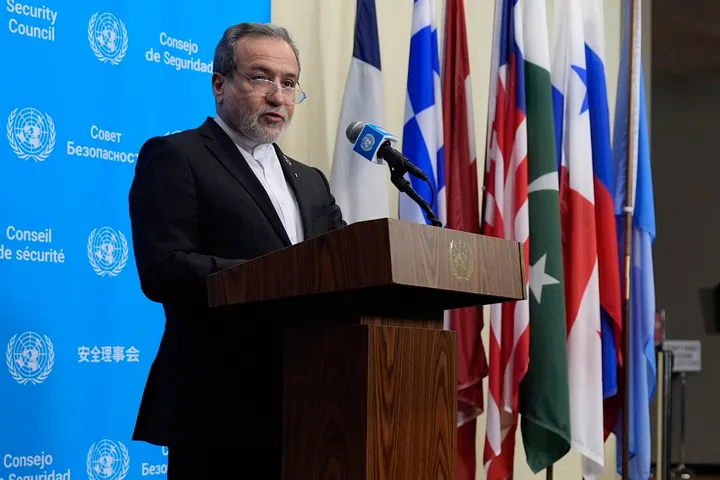
Iran's Foreign Minister Abbas Araghchi has said that Tehran had seen an initial reaction from US President Donald Trump to its proposal but had yet to receive a response through mediators.
Iran was waiting for the mediators to convey the definitive US position and would make a decision based on it, Araghchi added.
Iran denies plans for military retaliation over aviation restrictions
Iran’s Supreme National Security Council has denied reports that Tehran plans to respond militarily to recent restrictions imposed on Iranian aviation, according to Press TV.
In a statement, the council rejected reports that Iran will retaliate militarily over the aviation measures, saying negotiations are underway with the countries concerned to remove some of the “unlawfully imposed” restrictions on Iranian air travel.
It said Iran has “numerous non-military options” that can be used against some airports, if necessary.
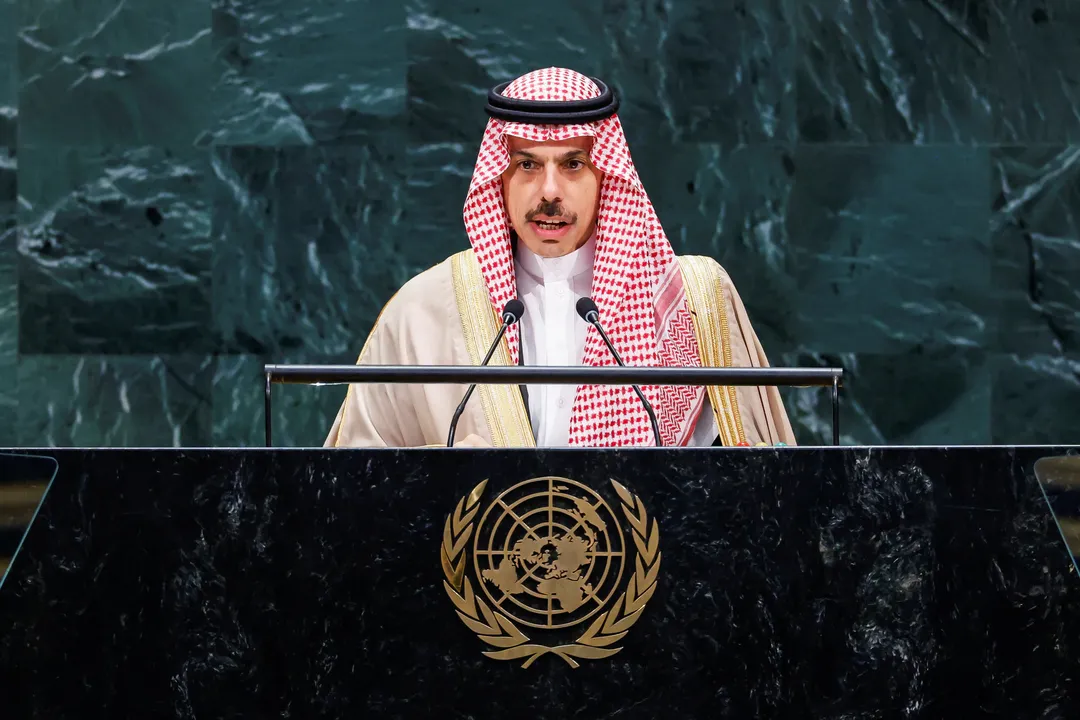
At UNGA, Saudi Arabia calls for 'serious' cooperation to protect navigation
Riyadh says the international community has been absent from assuming its responsibilities in confronting all that threatens peace and security.
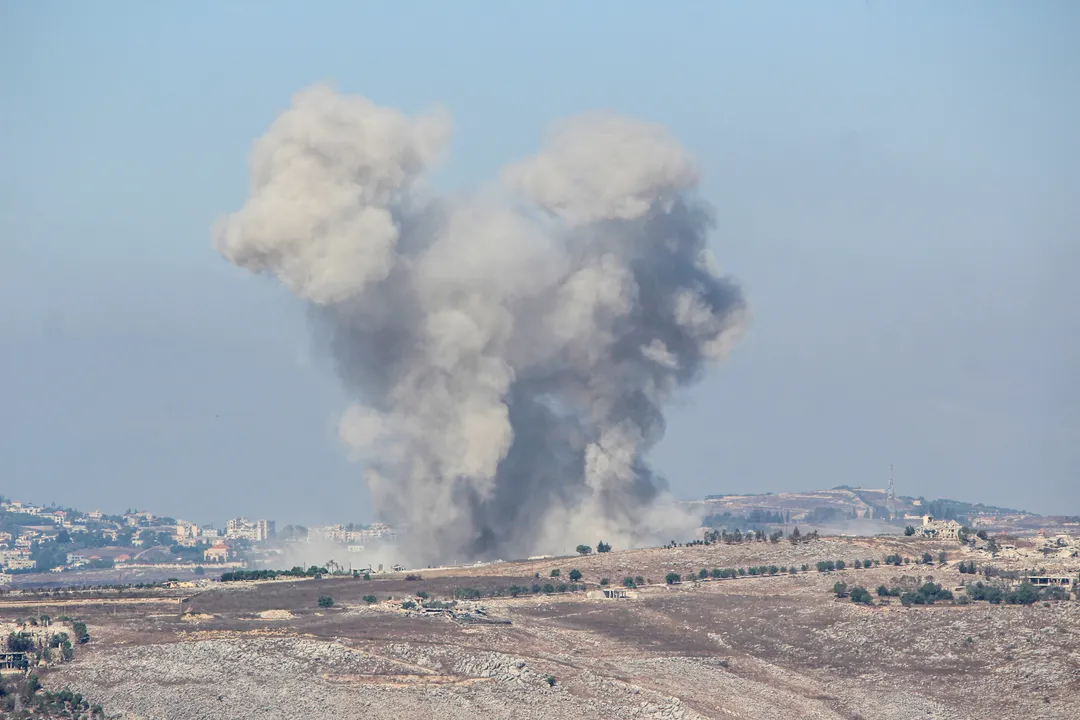
Israeli forces use phosphorus munitions in southern Lebanon attacks: Lebanese media
Artillery fire hits areas in Nabatieh, Tyre districts as Lebanese army clears unexploded Israeli bombs.
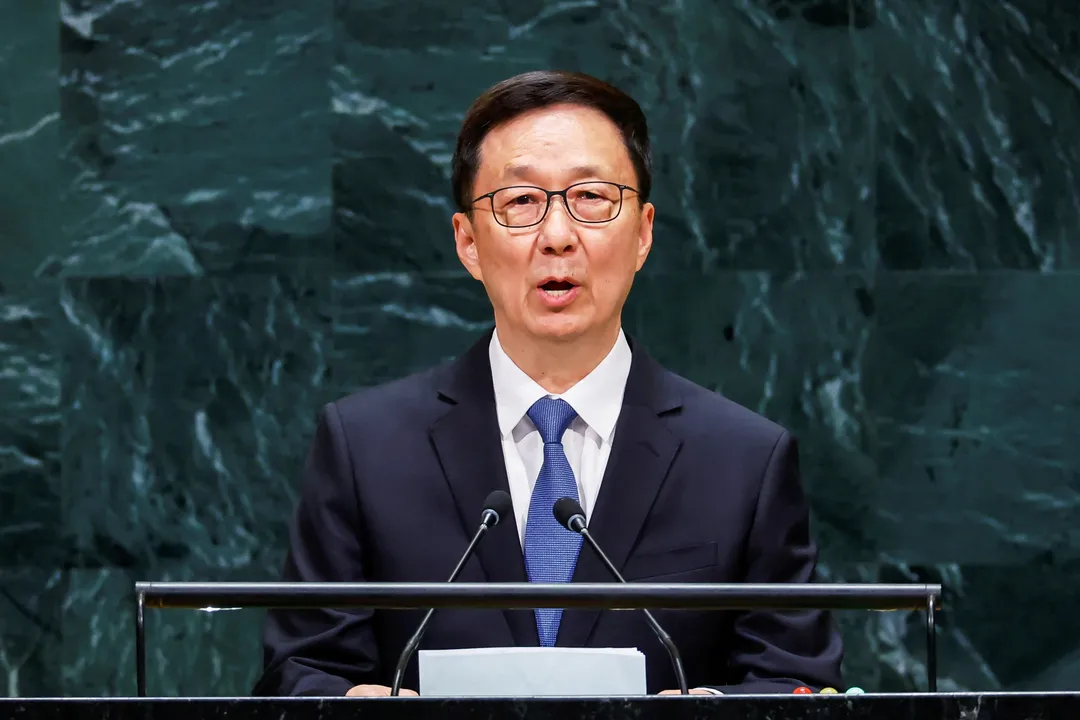
China pushes back against 'unilateral military actions' at UNGA amid US-Iran war
Beijing calls for "bringing the Palestinian question back onto the right track of the two-state solution at an early date.
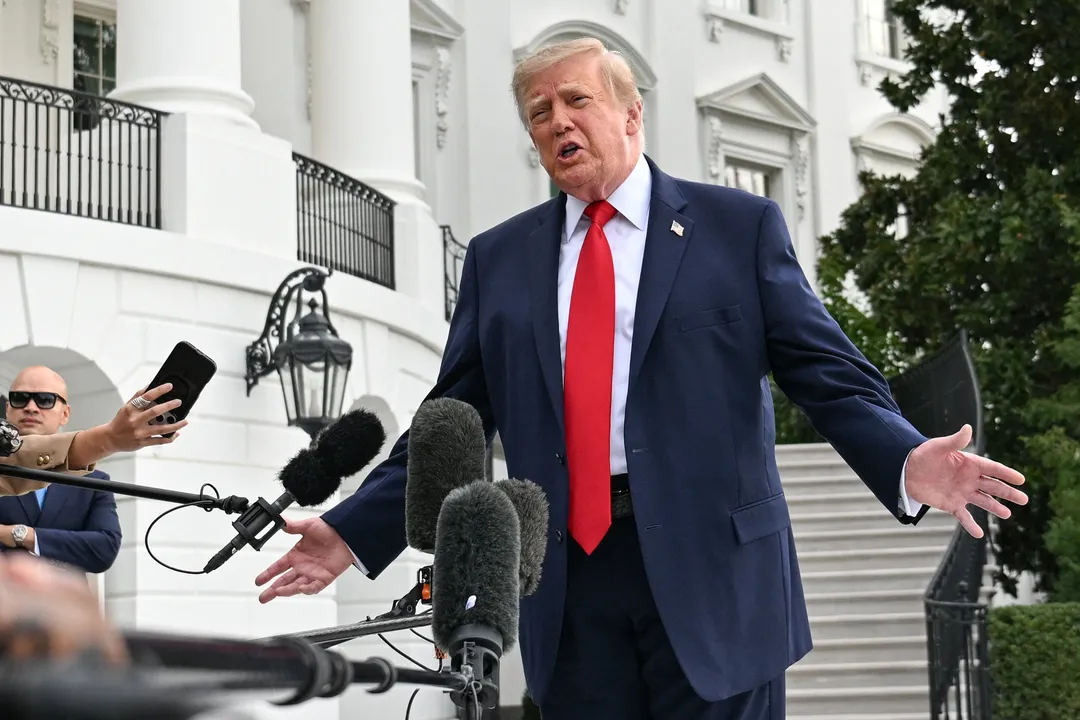
Trump rejects Iran's proposal to reopen Hormuz
Iran offered to reopen Hormuz within seven days if the US accepted a plan it conveyed through Qatar.
Iran president says supreme leader backs new plan to reopen Hormuz
Iranian President Masoud Pezeshkian said Tehran's new plan to reopen the strategic Strait of Hormuz was coordinated with supreme leader Mojtaba Khamenei, state media reported, quoting an interview with US media.
Pezeshkian also told broadcaster CBS that the Islamic republic would fulfil its obligations were the United States to agree to the proposal, according to excerpts released by state news agency IRNA.
Gulf Cooperation Council condemns Houthi missile, drone attacks on Saudi Arabia
GCC condemned ballistic missile and drone attacks launched by Houthis on Saudi cities of Riyadh and Khamis Mushait.
"This perilous escalation represents a flagrant violation of the kingdom’s sovereignty and an immediate threat to civilian safety and regional stability," the council's Secretary-General Jasem Mohamed Albudaiwi said in a statement.
He also urged the international community to take a "decisive stance" and hold the Houthis accountable for their actions.
Iraq seeks exemption from US ban on Iran airlines
Iraq is engaged in direct talks with the US to exempt some Iraqi airports from US sanctions targeting Iranian airlines operating flights to regional hubs, officials said.
The talks aim to secure an exemption “to allow flights to resume on humanitarian grounds related to medical treatment, education, religious visits, and interests of civilians," Iraqi Prime Minister Ali al-Zaidi's office said in a statement on Facebook.
Earlier this week, US Treasury Secretary Scott Bessent said operations of Iranian airlines worldwide would come to a halt as of September 23 under new sanctions. As part of the measure, Iranian flights were barred from operating in regional countries, including Oman, the UAE and Iraq.
Israeli forces use phosphorus munitions in southern Lebanon attacks: Lebanese media
Artillery fire hits areas in Nabatieh, Tyre districts as Lebanese army clears unexploded Israeli bombs.
Yemeni forces strike Houthi positions, supply lines in Taiz
Yemeni government forces say they struck Houthi positions and supply lines in the southwestern province of Taiz.
Military spokesman Majid Abdullah al-Nazili published footage on US social media platform X that he said showed strikes on Houthi fighters and supply routes in Dhubab and other parts of Taiz.
Trump rejects Iran ceasefire proposal, expects strikes to resume after midterms: WSJ
The Wall Street Journal, citing US officials, reports that US President Donald Trump has rejected Iran’s proposal for a seven-day ceasefire and told aides he expects US strikes on Iran to resume after the November midterm elections.
Under Tehran’s proposal, the Strait of Hormuz would reopen, and nuclear talks would resume in exchange for Washington lifting its blockade of Iranian ports.
Trump has publicly said Iran is seeking a deal, but privately remains sceptical that Tehran would meet US demands, according to the WSJ report.
Saudi-led coalition intercepts Houthi missile targeting Khamis Mushait
The Saudi-led coalition says it intercepted a ballistic missile launched by Yemen’s Houthis towards Khamis Mushait in southwestern Saudi Arabia.
The interception comes amid renewed fighting between Saudi Arabia and the Houthis.
EU warns Iran war is fuelling energy ‘price crisis’
The European Union’s energy chief has warned that the Iran war is driving an energy “price crisis” across the bloc as disruptions put pressure on oil and gas markets, Reuters reported, citing a letter to EU energy ministers.
European Commissioner for Energy and Housing Dan Jorgensen urged member states to consider measures to curb gas and electricity demand and support gas storage levels for as long as necessary.
“We are facing a price crisis linking to a supply crisis,” Jorgensen wrote, calling on governments to take or maintain steps that could sustain gas storage injections or reduce energy consumption.
Saudi says it intercepted drones launched by Houthis towards Riyadh
Yemen's Saudi-led coalition said early on Saturday it had intercepted two drones launched by the Houthis towards the Saudi capital Riyadh.
The coalition posted on X that it was monitoring missile threats and drones launched at the kingdom.
Saudi civil defence sent alerts overnight for Khamis Mushait and Abha, but not for the capital.
Bahrain rejects permit, fee regime for Strait of Hormuz passage
Bahrain has rejected any permit or fee system for passage through the Strait of Hormuz, saying transit through the international waterway cannot be suspended or subjected to unilateral conditions.
Foreign Minister Abdullatif bin Rashid Al Zayani said international law guarantees the right of transit through the strait for vessels of all states.
“The kingdom categorically rejects any permit or fee regime imposed on passage,” Al Zayani told the 81st UN General Assembly in New York.
Tehran warns regional air travel could be halted because of ban on its airlines
Iran has warned that air travel across the region could be disrupted if Iranian airlines continue to be denied access to flights and airport services.
Tehran will not accept regional countries “aligning themselves with hostile US policies against Iran,” Mohammad Mokhber, a senior adviser to Iran’s supreme leader, said in a post on US social media company X.
“Our strategy on this matter is clear: Either air travel in the region is available to everyone or to no one,” said Mokhber.
UN chief Guterres meets Iran’s Pezeshkian, discuss diplomacy
UN Secretary-General Antonio Guterres has met Iranian President Masoud Pezeshkian and stressed the need to resolve the war in the Middle East through dialogue and negotiations.
"The Secretary-General stressed the urgent need to resolve the conflict in the Middle East through dialogue and negotiations, with full respect for international law, including international navigational rights and freedoms in and around the Strait of Hormuz," a UN statement said on Friday.
Guterres also reaffirmed the UN's commitment to "support all diplomatic efforts."
SUMMARY
Iraq seeks exemption from US ban on Iranian airlines
Israel uses phosphorus munitions in southern Lebanon attacks
Iran proposes a plan to reopen Hormuz within seven days
Saudi Arabia calls for 'serious' cooperation to protect navigation
RECOMMENDED