Lebanon presses US to push Israel to halt attacks
Yemeni government forces say Taiz clashes kill or wound 200+ Houthi militia
Houthi attacks on Saudi airports left 19 dead in October: coalition
Colombia slammed for opening embassy in West Jerusalem
Iran says US blockade aims to spark protests
an hour ago
Saudi Arabia says it thwarted missile strike on Medina
SUMMARY
US prepares plans to use 'mother of all bombs' on Iran — report
The White House and Pentagon have prepared plans to use a Massive Ordnance Air Blast bomb on Iran if ordered by President Trump, CBS News reported.
"The Department of War plans for a wide range of operational scenarios to execute Presidential and Secretary level direction and to ensure mission success in any operational environment," CBS News said, quoting a Pentagon official.
"We do not comment on sensitive military plans that may or may not exist. President Trump keeps all options on the table to ensure that Iran can never have a nuclear weapon," it citing a White House spokesperson as saying.
Israeli groups report 22 accounts of prisoners being shot by guards
Two Israeli human rights groups have said that they had received at least 22 testimonies from prisoners and detainees, most of them Palestinians, who reported being shot and seriously wounded by Israeli prison guards.
The findings were included in a joint report by Physicians for Human Rights–Israel and the Public Committee Against Torture in Israel.
The organizations said they received the testimonies, most of them over the past year, from individuals who reported that prison guards had fired projectiles they described as rubber, plastic or sponge bullets.
They said 21 testimonies were given by Palestinian prisoners and one by a Jewish prisoner.



Rubio tells Lebanon not to return seized explosives to Hezbollah
Secretary of State Marco Rubio has told Lebanon's president that he should not return several hundred kilograms of explosives seized by Lebanese authorities from Hezbollah, a US official said.
"He urged President (Joseph) Aoun to hold accountable all those who ordered, financed, and directed the shipment, and underscored that returning explosives to Hezbollah should be out of the question," the official told reporters on condition of anonymity.
Hezbollah acknowledged on Thursday that a 500-kilogramme shipment of explosives belonging to it was seized last week by Lebanese authorities, saying it was intended for "the resistance."
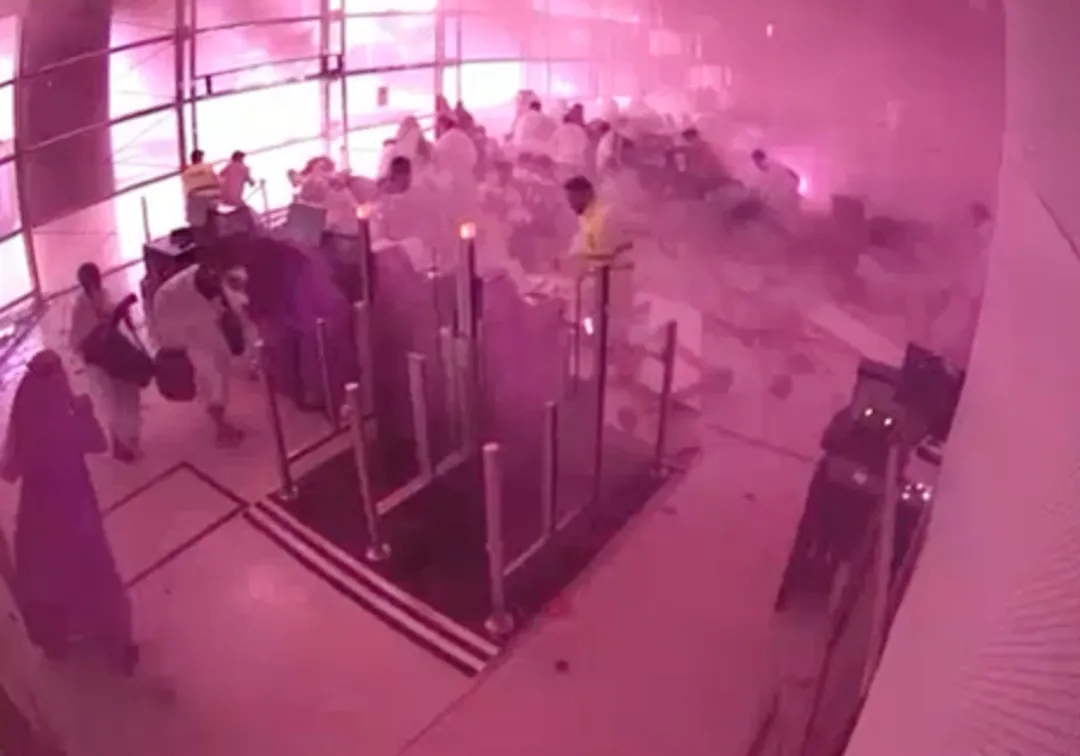
Houthi attacks on Saudi airports leave 19 dead in October: coalition
Authorities say five Saudi airports, including Riyadh’s main airport, have come under Houthi militia attacks since October 5.
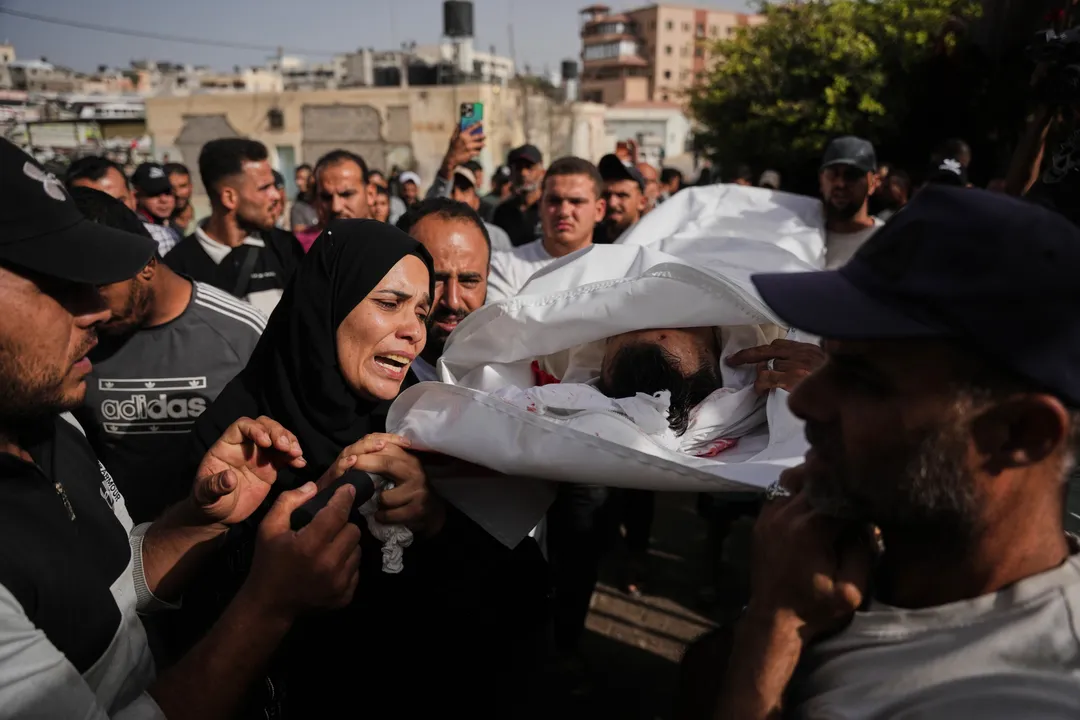
UN warns of high risk of renewed war in Gaza, escalating violence in occupied West Bank
Israeli forces have killed some 1,500 people, including more than 320 children, in Gaza since the ceasefire, senior UN official Ramiz Alakbarov says.
Syrian foreign minister arrives in Saudi Arabia
Syrian Foreign Minister Asaad Hassan al Shaibani has arrived in the Saudi capital, Riyadh, as the head of a high-level delegation for an official visit, SANA news agency reported.
The visit comes within the framework of strengthening consultations and developing bilateral relations between the two countries, the agency said.
Details on the duration of the visit, its detailed agenda or whom al Shaibani is scheduled to meet were not immediately available.
Lebanon presses US to push Israel for halt to attacks
Lebanon has asked the US to urge Israel to halt attacks that target southern Lebanese towns despite a framework deal.
Lebanese President Joseph Aoun held a phone call with US Secretary of State Marco Rubio to discuss the latest situation in Lebanon and the region, according to a presidency statement.
Aoun asked Rubio to push Tel Aviv to abide by the provisions of the framework agreement, cease land-clearing operations, allow farmers to access their fields, and refrain from targeting them.
Over 230,000 displaced by fighting in Yemen since August: UN
More than 230,000 people have been displaced by fighting in Yemen since August, UN deputy spokesperson Farhan Haq said.
Haq told reporters that the fighting between the Houthi militia and the internationally recognised Yemeni government continues to force people from their homes and place additional pressure on humanitarian operations, citing warnings from the UN Office for the Coordination of Humanitarian Affairs (OCHA).
"Our colleagues at the International Organisation for Migration have reported more than 230,000 people displaced by fighting since the start of August," said Haq.
Repeatedly told Netanyahu that Palestinian state would bring 'lasting peace': Egyptian president
Egyptian President Abdel Fattah el Sisi has said he has repeatedly told Israeli Prime Minister Benjamin Netanyahu that establishing a Palestinian state would bring peace and benefit everyone.
Speaking at the Police Academy’s 2026 graduation ceremony in New Cairo, Sisi said that in all his meetings and communications with Netanyahu since 2014, he had repeatedly emphasised that “the establishment of a Palestinian state would benefit everyone and lead to lasting peace and stability in the region.”
Netanyahu, who is wanted by the International Criminal Court on war crimes charges related to Gaza, has repeatedly rejected the establishment of a Palestinian state as envisaged in relevant UN resolutions.
Sisi stressed that “the stability of Sudan, Libya and Gaza is a requirement of Arab and Egyptian national security.”
UN sounds alarm about Gaza, occupied West Bank year after ceasefire
A senior UN official has warned that the situation in Gaza and the occupied West Bank is dangerously fragile, saying a return to war must be avoided at all costs.
Briefing the UN Security Council on Palestine, Ramiz Alakbarov, UN acting special coordinator for the Middle East Peace Process, marked the anniversary of the October 7 events, saying Palestinians and Israelis need a political horizon.
"Palestinians and Israelis deserve more than short-term fixes. They deserve a credible path to peace and finally an end to this conflict," he said.
"The international community must move beyond words and take concrete actions to ensure the future of security and dignity of the people. It is time to return to a genuine peace process.”
SUMMARY
Lebanon presses US to push Israel to halt attacks
Yemeni government forces say Taiz clashes kill or wound 200+ Houthi militia
Houthi attacks on Saudi airports left 19 dead in October: coalition
Colombia slammed for opening embassy in West Jerusalem
Iran says US blockade aims to spark protests