Saudi-led coalition says it intercepted drone in Riyadh region
Saudi-led coalition forces shot down missiles in Khamis Mushait
Lebanon to take part in US-backed trilateral talks with Israel
Hormuz transits remain 70% below pre-conflict levels
Yemen captures Houthi drone operations team in Taiz
2 hours ago
Saudi pilots killed in helicopter crash as coalition intercepts drones
SUMMARY
Six injured as ‘hostile projectile’ hits Saudi Arabia’s Najran
Six people have been injured after a “hostile projectile” fell in the southern Saudi city of Najran.
Saudi Civil Defence said the incident also damaged three homes and three vehicles.
Saudi skyscraper closes offices as Houthi disruption spreads
Riyadh's landmark Kingdom Centre skyscraper ordered remote working for office tenants as disruption spread from Houthi militia attacks and the Saudi-led coalition announced its first military deaths since the war reignited.
The 99-storey tower, one of Saudi Arabia's tallest buildings, announced "mandatory" remote working until further notice. No reason was given for the order, but it follows a fresh security alert and two drone interceptions around the capital.
Schools in the capital and surrounding areas extended online learning into a second week, while Riyadh's King Khalid International Airport remains closed after 13 people were killed in a major attack last week.
RECOMMENDED




Vance acknowledges ‘failures’ in US handling of Iran war
During a CBS News town hall, Joey Amor demanded accountability over reports of inadequate security at the military facility in Kuwait where his wife, Master Sgt. Nicole Amor, was killed. “There were a lot of mistakes and a lot of fundamental failures,” Amor said.
“Sometimes information doesn't filter up to me,” US Vice President JD Vance replied, pledging to “take every single failure extremely seriously.”
Egypt parliament delays vote on military support to Saudi Arabia
A second session to discuss the matter will be held on Monday, Egypt’s Al Qahera News channel reported, without revealing further details.
Pakistani, Egyptian FMs condemn Houthi militia attacks in Saudi Arabia
Pakistan and Egypt reiterated their condemnation of the Yemeni Houthi militia’s attacks on Saudi Arabia, reaffirming full solidarity with the Kingdom.
The reaffirmation was made during a telephone call between Pakistan's Foreign Minister Ishaq Dar and his Egyptian counterpart Badr Abdelatty, Islamabad's Foreign Ministry said.
Russia backs GCC efforts to prevent return to full-scale war in Mideast
Russian Foreign Minister Sergey Lavrov proposed an updated framework for collective security in the Gulf, saying regional states should have the decisive say in shaping their security.
Speaking at the Russia-GCC Strategic Dialogue in Bahrain, he called for direct dialogue among Gulf states and neighbouring countries, including Iraq and Jordan, with support from the Arab League, the Organisation of Islamic Cooperation and, if desired, permanent UN Security Council members.
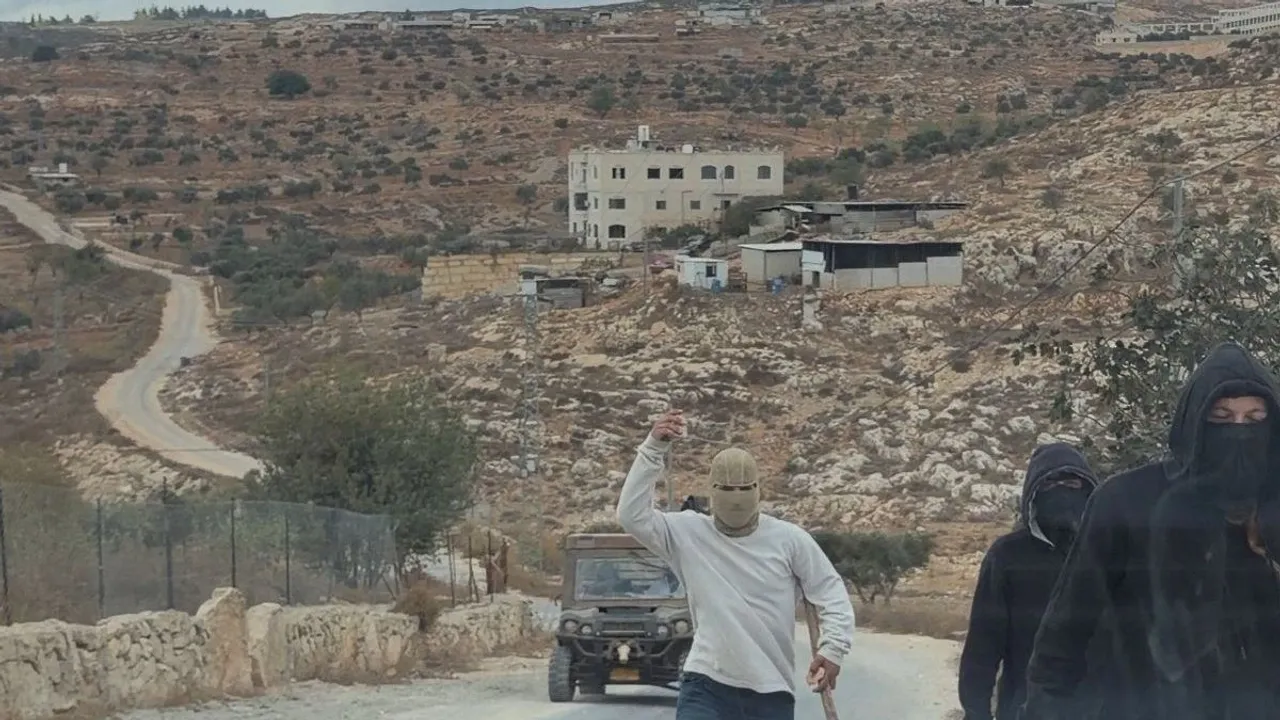
'Violence has truly reached new heights': Belgian envoy on Israeli settler attack on diplomats
Belgium’s consul general says masked settlers assaulted a French mayor and smashed a car window as an international delegation joined Palestinian olive farmers.
Saudi Civil Defence lifts danger alerts in Najran and As Sulayyil
Saudi Arabia’s Civil Defence has announced that danger has passed in Najran and As Sulayyil governorate after issuing emergency alerts warning of potential risks, state television reports. The authorities have not provided further details about the nature of the danger.
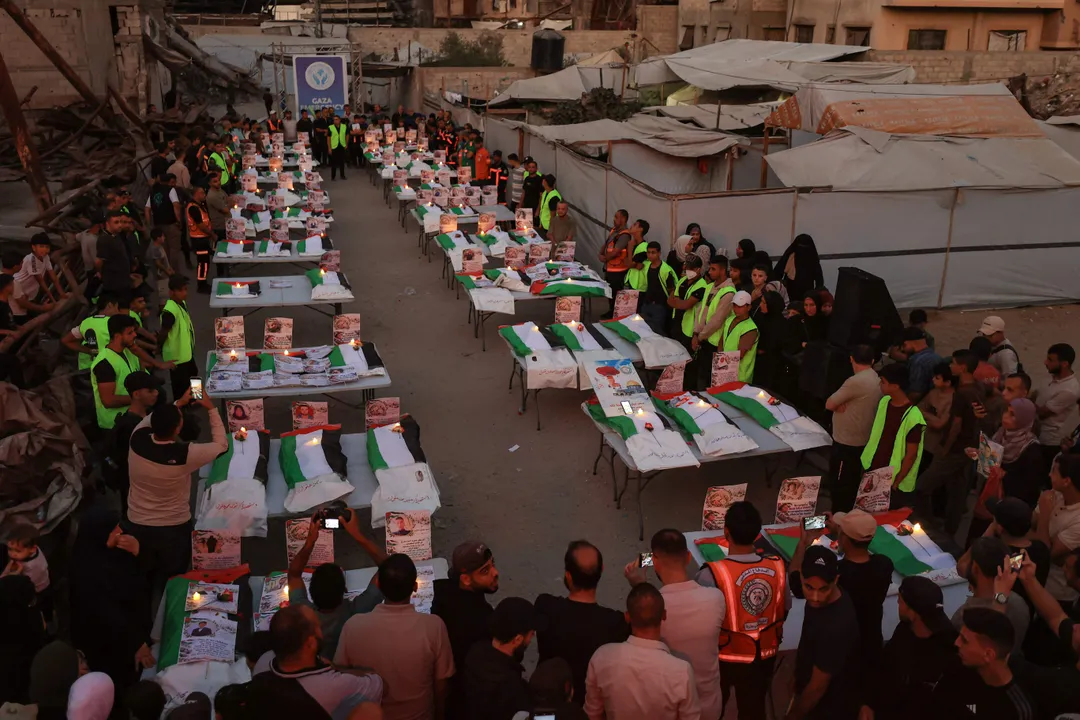
Gaza buries remains of 75 Palestinians recovered from rubble of Israeli-bombed homes
Hundreds attend funeral for victims, including women and children, recovered from destroyed homes in Gaza's Daraj neighbourhood as rescue teams struggle to retrieve thousands more bodies trapped beneath the rubble.
Iran urges US to accept proposal to reopen Strait of Hormuz
Iran's offer to the United States to reopen the Strait of Hormuz within seven days is still on the table, Foreign Minister Abbas Araqchi told Iranian media outlets.
Iran presented its proposal in mid-September after an interim ceasefire collapsed. Tehran later acknowledged receiving a US response but Iran’s security chief said last week negotiations have stalled because Washington failed to address all seven conditions for reopening the strait.
"Our situation is clear and based on the seven-days proposal presented to the US. They shared comments which we are reviewing, but our proposal is still on the table and if there is any honesty on the US part, which there isn't, the way to reopening the Strait of Hormuz is obvious," Araqchi said while in Baghdad for a meeting of the Organisation of Islamic Cooperation.
SUMMARY
Saudi-led coalition says it intercepted drone in Riyadh region
Saudi-led coalition forces shot down missiles in Khamis Mushait
Lebanon to take part in US-backed trilateral talks with Israel
Hormuz transits remain 70% below pre-conflict levels
Yemen captures Houthi drone operations team in Taiz
RECOMMENDED