Iraq seeks exemption from US ban on Iranian airlines
Israel uses phosphorus munitions in southern Lebanon attacks
Iran proposes a plan to reopen Hormuz within seven days
Saudi Arabia calls for 'serious' cooperation to protect navigation
an hour ago
US rejects Iran's latest proposal to reopen Hormuz
SUMMARY
Iran says it seized US underwater vehicle
Iran's Revolutionary Guard said it had seized a US Remus 600 autonomous underwater vehicle operating in the Strait of Hormuz and which it said was conducting espionage, according to state media.
The Revolutionary Guard said the vehicle had been captured using intelligence and electronic warfare capabilities and was being examined by Iranian specialists to recover its data.
Iran's army voices readiness for potential renewed US attack
Army spokesperson Mohammad Akraminia said Iran's armed forces were fully prepared for confrontation and warned that the US would suffer greater damage if it launched another attack on his country.
Separately, Iranian Army Commander-in-Chief Amir Hatami said the war was at a critical and decisive stage, adding that Tehran would not accept a situation in which it was unable to trade while foreign powers used the region's strategic waterways.
"If Iran cannot trade, if Iran cannot live, no one will be able to trade or live. The Strait of Hormuz is the strait of our dignity and honour, and it will not be allowed for the country's enemies to use this major logistical chokepoint while the Iranian people are deprived.”
RECOMMENDED


Israeli airstrikes continue to hit southern Lebanon
The attacks targeted several towns in Tyre, Nabatieh, Marjayoun and Bint Jbeil, including Mansouri, Wadi Zibqin, Nabatieh al-Fawqa, Kfar Tibnit, Mayfadoun, Kafr Rumman, Mazraat al-Shomeriya, Al-Qusayr, Beit Yahoun, Safarin and Hadatha, the state news agency NNA reported.
Israeli forces demolished several homes in Mansouri in the Tyre district, while Wadi Zibqin came under artillery fire, accompanied by heavy-machine-gun fire, the outlet said.
In Nabatieh, Israeli warplanes carried out a series of airstrikes overnight, hitting Nabatieh al-Fawqa twice, as well as the outskirts of Kfar Tibnit and the town of Mayfadoun, where one strike completely destroyed a house.
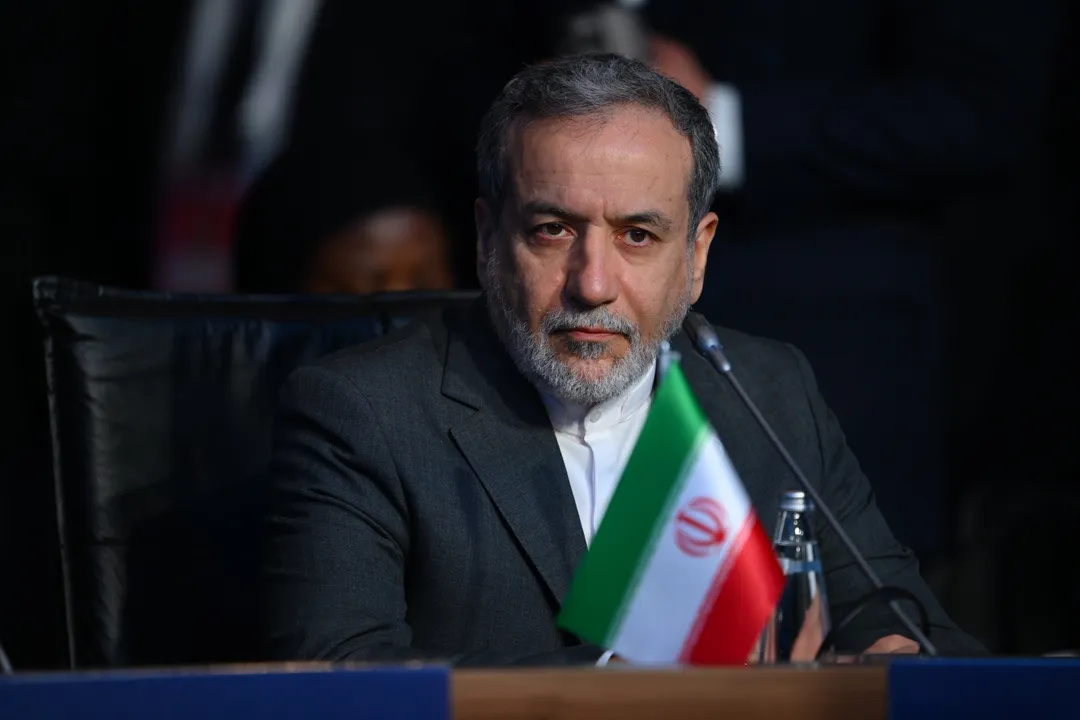
Iran ‘will not back down’ on Hormuz conditions: Araghchi
Tehran says its proposal would restore passage through the vital waterway within seven days if Washington meets demands including an end to regional hostilities and sanctions relief.
Oman pledges to safeguard Strait of Hormuz navigation, urges Iran-US deal
Oman has pledged to continue safeguarding navigation through the Strait of Hormuz while urging Iran and the US to resolve their disputes through a lasting political settlement.
Addressing the 81st UN General Assembly in New York, Foreign Minister Badr Albusaidi said the conflict that erupted earlier this year with US-Israeli strikes on Iran has threatened regional security and disrupted shipping and trade through the strategic waterway.
He said the disruption affected energy security, prices and confidence in the international system.
Hamas says it offered mediation in Yemen, awaits response from warring sides
The head of Hamas political bureau has said that the group has offered to mediate between the warring sides in Yemen, and hopes the initiative will be accepted.
Speaking in his first televised interview since taking the post in July, Khalil al-Hayya told the Qatar-based Al Araby TV that the movement had already presented its proposal.
"We have offered mediation between the disputing and warring parties in Yemen, and I hope this offer will be accepted," he said.
Yemeni army says Houthi weapons threaten civilian aviation in southern Red Sea
Yemen's military said that weapons used by the Houthis pose a threat to civilian aircraft and international flight routes in the southern Red Sea.
Military spokesman Majid al-Nazili said the Houthis had converted Iranian air-defence weapons into "cruise" missiles launched from the western Hodeidah province toward international air corridors.
Saudi-led coalition, Yemen's presidential leadership council member discuss boosting readiness of forces
The commander of the Saudi-led coalition's Joint Forces, Lieutenant General Fahd bin Hamad Al-Salman, and Yemeni Presidential Leadership Council member Tareq Saleh discussed ways to strengthen coordination and boost the readiness of Yemeni forces across various fronts.
Al-Salman met Saleh, who also commands Yemen's National Resistance Forces, at the Joint Forces Command headquarters in Riyadh, according to a statement by the coalition.
The two sides reviewed developments in Yemen and discussed ways to strengthen and coordinate efforts to support the readiness of Yemeni forces "on all fronts and axes" toward restoring the state and its institutions.
Iran says awaiting response through mediators after Trump reaction to proposal
Iran's Foreign Minister Abbas Araghchi has said that Tehran had seen an initial reaction from US President Donald Trump to its proposal but had yet to receive a response through mediators.
Iran was waiting for the mediators to convey the definitive US position and would make a decision based on it, Araghchi added.
Iran denies plans for military retaliation over aviation restrictions
Iran’s Supreme National Security Council has denied reports that Tehran plans to respond militarily to recent restrictions imposed on Iranian aviation, according to Press TV.
In a statement, the council rejected reports that Iran will retaliate militarily over the aviation measures, saying negotiations are underway with the countries concerned to remove some of the “unlawfully imposed” restrictions on Iranian air travel.
It said Iran has “numerous non-military options” that can be used against some airports, if necessary.
SUMMARY
Iraq seeks exemption from US ban on Iranian airlines
Israel uses phosphorus munitions in southern Lebanon attacks
Iran proposes a plan to reopen Hormuz within seven days
Saudi Arabia calls for 'serious' cooperation to protect navigation
RECOMMENDED