Middle East tensions surge as Kuwait faces attacks
18 killed, 108 wounded in Tuesday's US attacks: Iran
Iran's top negotiator calls US 'Satan' after wedding attack
Qatar, Egypt, Jordan denounce Iranian attacks on Arab neighbours
Iran threatens tougher 'new strategy'
an hour ago
Middle East on alert as Kuwait counters Iranian strikes
SUMMARY
Iran war drives gasoline prices in Germany to record high
The price of gasoline has reached a record high following the resurgence of the Iran war, Europe’s largest automobile association (ADAC) said.
The nationwide daily average price for a liter of E10 gasoline surged to €2.215 ($2.57) on Wednesday, surpassing the previous record of €2.203 set in March 2022, ADAC added. Furthermore, low water levels on the Rhine river have also recently had an impact on prices, as they have increased transportation costs.
Israel says economic pressure could push Iran into 'desperate steps'
Israeli Defence Minister Israel Katz said that US economic sanctions against Iran have proven to be effective, but the pressure might lead Tehran into extreme measures.
"We see signs indicating that the heavy economic pressure they are under, and the fear of an uprising and the collapse of the regime, may push them to desperate steps," Katz said at a ceremony for defence ministry employees.

Three Iranian army pilots killed in US strikes
Three Iranian army pilots were killed in US strikes conducted on Tuesday night, the Tasnim news agency reported.
Qatar, Jordan condemn renewed Iranian attacks on Kuwait
Qatar and Jordan condemned renewed Iranian attacks on Kuwait, describing them as a "flagrant violation" of the Gulf state's sovereignty and territorial integrity.
In a statement, the Qatari Foreign Ministry said the attacks constituted a "blatant breach" of international law, the UN Charter, and principles of good-neighbourliness.
Similarly, Jordan condemned the “brutal” Iranian attacks targeting Kuwait, describing them as a “blatant violation” of its sovereignty, a threat to its security, stability and territorial integrity, a dangerous escalation, and a “blatant breach” of international law and the UN Charter.
Iranian army claims latest attacks on US bases in Kuwait, UAE
Iran carried out missile and drone strikes on US military bases in Kuwait and the United Arab Emirates, its army confirmed.
In a statement, the army said the strikes were conducted early on Thursday as part of the 31st phase of its Operation Saeqeh in retaliation for recent US attacks on Iran.
It claimed missiles and attack drones struck satellite communications systems, equipment warehouses and fighter jet hangars at Ahmed Al Jaber Air Base in Kuwait.
Iran warns US against Israeli attack on south Lebanon ridge held by Hezbollah
Iran has warned the United States that it would respond forcefully to an Israeli offensive on a mountainous ridge in southern Lebanon where Iranian military personnel are holed up alongside Hezbollah fighters, three officials briefed on the message told Reuters.
The message, delivered last month, highlights Iran's continued direct involvement in the ground fighting in southern Lebanon and its readiness to retaliate against Israeli attacks there as the regional war enters its seventh month.
Israeli forces shell southern Lebanon, carry out incursions with tanks, bulldozers
Israeli forces carried out artillery shelling and ground incursions in several areas of southern Lebanon, while drones dropped sound bombs and flew over the region, Lebanon’s official National News Agency reported.
Israeli artillery targeted the town of Mansouri, where a Merkava tank and a D9 bulldozer advanced into the town, according to the news agency.
Israeli military vehicles were also seen transporting booby-trapped containers towards the area, it said. In a separate incursion, Israeli forces advanced into Halta Farm in the Hasbaya district of Nabatieh Governorate, surrounded several homes and prevented some residents from leaving, according to the news agency.
Kuwait says Iran strikes 'direct threat' to its security, stability
Kuwait's foreign ministry lambasted Tehran after the latest overnight attack targeting the tiny Gulf state, as hostilities between Iran and the United States reignited over the past days.
In a statement, the foreign ministry called the strikes "a direct threat to its (Kuwait's) security and stability, and the safety of its citizens and residents on its territory, and a grave breach of the rules of international law".
Iran receives over $1B in oil revenues in 11 days: report
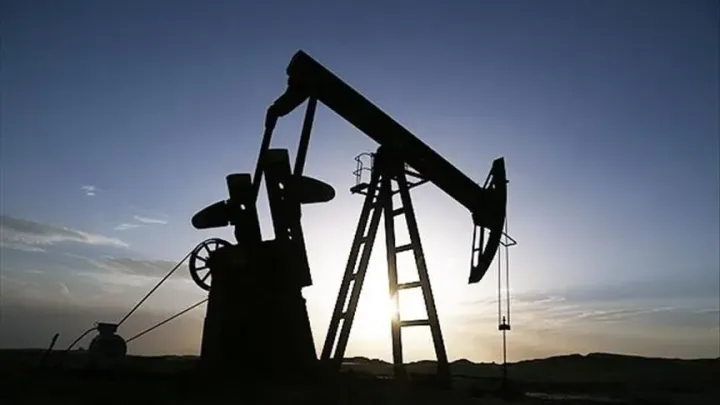
More than $1 billion in oil revenues entered Iran during the first 11 days of the period ending on September 2, the semi-official Fars News Agency reported.
Citing documents reviewed by its reporter, the agency said oil-related foreign currency was added to the country's foreign exchange reserves during the period.
The report said the additional funds would increase the Central Bank's ability to meet the country's foreign currency needs.
UAE President, Trump discuss Middle East developments
Uniter Arab Emirates President Sheikh Mohamed bin Zayed Al Nahyan and US President Donald Trump discussed Middle East developments and bilateral cooperation during a phone call, UAE state news agency WAM said.
SUMMARY
Middle East tensions surge as Kuwait faces attacks
18 killed, 108 wounded in Tuesday's US attacks: Iran
Iran's top negotiator calls US 'Satan' after wedding attack
Qatar, Egypt, Jordan denounce Iranian attacks on Arab neighbours
Iran threatens tougher 'new strategy'