Israel launches fresh strikes on southern Lebanon
Aramco fuel tank near Riyadh airport on fire
Maritime coalition prepares to deploy in Red Sea, Gulf of Aden
US says Iran war cost grows to $43.6B
4 minutes ago
Iran says it conveyed conditions to re-engage in talks with US
SUMMARY
Iran rules out new talks until US meets its conditions
Iran’s parliament speaker has said the Strait of Hormuz will remain closed until the US fulfils commitments under a June agreement and meets Tehran’s conditions.
Mohammad Bagher Ghalibaf said Iran had “explicitly conveyed its conditions to the opposing side through intermediaries,” state broadcaster IRIB reported.
He said “the path of deception and unilateral imposition is closed,” adding that until Iran’s rights are recognised and US commitments fulfilled, there will be no return to previous negotiations or reopening of the Strait of Hormuz.
Trump cuts short weekend, returns to White House as Middle East tensions rise
US President Donald Trump cut short a weekend at Camp David to return unexpectedly to the White House on Saturday, as tensions rose in the Middle East.
The change in plans came as the Saudi-led coalition fighting Yemen's Houthis said on Saturday that the group fired a ballistic missile at Riyadh at dawn, after a fire broke out near the Saudi capital's international airport.
RECOMMENDED





Jordan, Bahrain condemn Houthi attacks against Saudi Arabia
Jordan and Bahrain have condemned the latest Houthi attacks targeting Saudi Arabia, expressing solidarity with Riyadh and warning that attacks on civilians and civilian infrastructure violate international law.
Jordanian Foreign Ministry spokesman Fouad Al-Majali said Amman had "absolute" solidarity with Saudi Arabia and supported all measures taken to protect its sovereignty, security, stability and citizens.
Bahrain similarly condemned what it called an escalation in Iranian-backed Houthi attacks. The Foreign Ministry described the attacks as a "blatant violation of international law, international humanitarian law, the UN Charter and relevant UN Security Council resolutions."
UN, Gulf Cooperation Council chiefs condemn Houthi attacks on Saudi Arabia
UN Secretary-General Antonio Guterres and Gulf Cooperation Council (GCC) head Jasem Mohamed Albudaiwi strongly condemned Houthi attacks on Saudi Arabia, warning that the group's targeting of civilian objects poses a severe threat to regional peace and security.
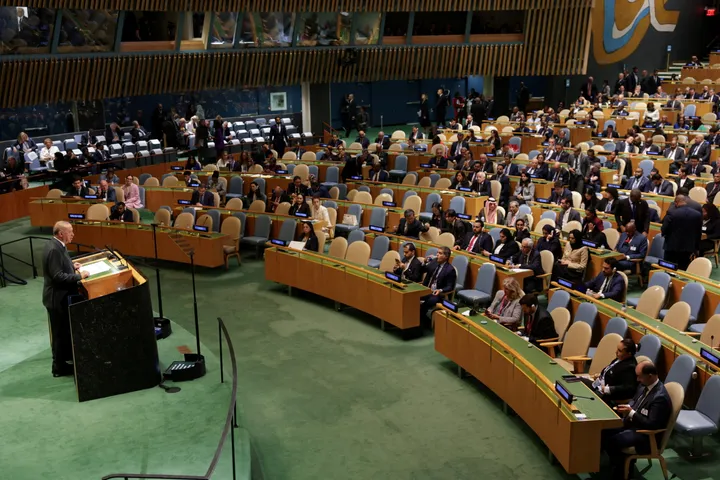
Guterres received Albudaiwi in New York on the sidelines of the GCC chief's participation in the 81st session of the UN General Assembly, according to a statement from the GCC Secretariat General.
"Both officials strongly condemned the Houthi militia's attacks against the Kingdom of Saudi Arabia and their deliberate targeting of civilian objects, underscoring the severe threat these hostile actions pose to regional peace and security," it said.
US urges Americans to reconsider Middle East travel, citing potential rapid escalation
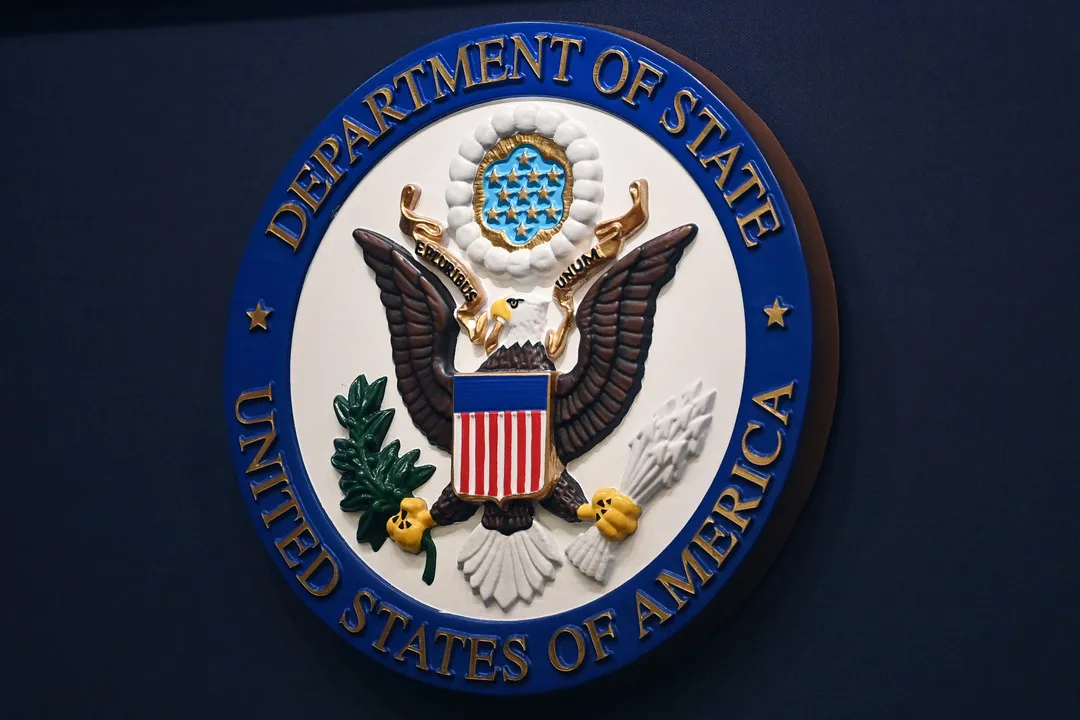
The State Department's Travel.Gov warns Americans in the Middle East should exercise heightened vigilance and be prepared for possible flight cancellations, airspace closures and other travel disruptions.
Yemen says it is not Iranian bargaining chip, ties with Saudi Arabia 'firm'
Foreign Minister Afrah al-Zouba has said that Yemen is not an "Iranian bargaining chip" or an arena for settling regional scores, describing the country's partnership with Saudi Arabia as "firm."
Her remarks came in an interview published by Yemen's official Saba news agency as government forces and Iran-allied Houthis continued fighting on several fronts in the country.
"Restoring Yemeni state institutions is a pillar of Yemen's security, regional stability and the safety of maritime routes, and the government is dealing with the repercussions of recent developments responsibly and with commitment," said al-Zouba.
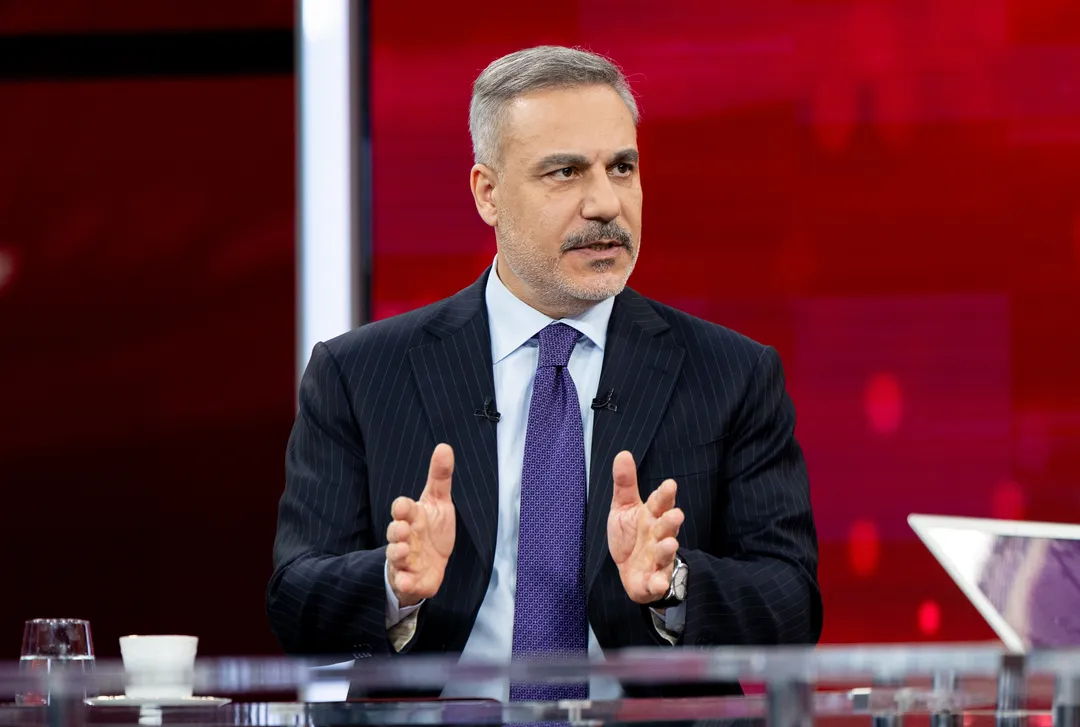
Türkiye to assess Saudi needs under Mecca pact amid Houthi attacks: Fidan
Fidan says Israel poses a danger not only to the Middle East but to the world.
Saudi Arabia intercepted Houthi missile this morning: coalition
Saudi air defences have intercepted and destroyed a Houthi ballistic missile targeting Riyadh early this morning, coalition spokesperson Turki al-Maliki said.
Iran calls on US to honour June framework deal
Iran has called on the US to abide by the framework deal the countries reached this June, saying the Pakistani-brokered pact represents a sovereign decision approved by the country’s highest leadership.
Interior ministry spokesperson Ali Zainvand made the remarks while commenting on a possible visit to Tehran by Pakistan’s Interior Minister Mohsin Naqvi, according to Iranian state TV.
“A large number of countries are making efforts to resolve this issue and bring the parties back to the point of understanding,” said Zainvand.
He said Pakistan’s mediation role and other diplomatic initiatives are continuing strenuously.
“International diplomatic efforts and mediation are still underway to resolve the problems and return to the Islamabad Memorandum of Understanding,” he added, using the deal’s official name.
“The other side must respect the value of its signature and adhere to the provisions of the agreement. The US must abide by the terms of the Islamabad agreement,” he said.
Houthis claim attacks on Saudi Arabia's Riyadh, Yanbu
Yemen's Houthis have said that they launched strikes targeting "sensitive sites" in Saudi Arabia's Riyadh and oil facilities in the kingdom's port city of Yanbu, hours after residents reported blasts in the Saudi capital.
"In response to the Saudi attempts to target the capital Sanaa, the Yemeni Armed Forces carried out two successful military operations using a large number of ballistic and cruise missiles and drones," Houthi military spokesperson Yahya Saree said in a statement on Telegram.
"The first targeted sensitive sites in the Saudi capital, Riyadh, and the second targeted Aramco facilities in Yanbu."
Iran says it wants the war in Yemen to end
Iran says it wants the war in Yemen to end, with Tehran awaiting US President Donald Trump’s response to conditions including a ceasefire on all fronts.
Iran conveyed conditions to re-engage in talks with US: Tehran
Rezaei says Tehran wants to see the war in Yemen end.
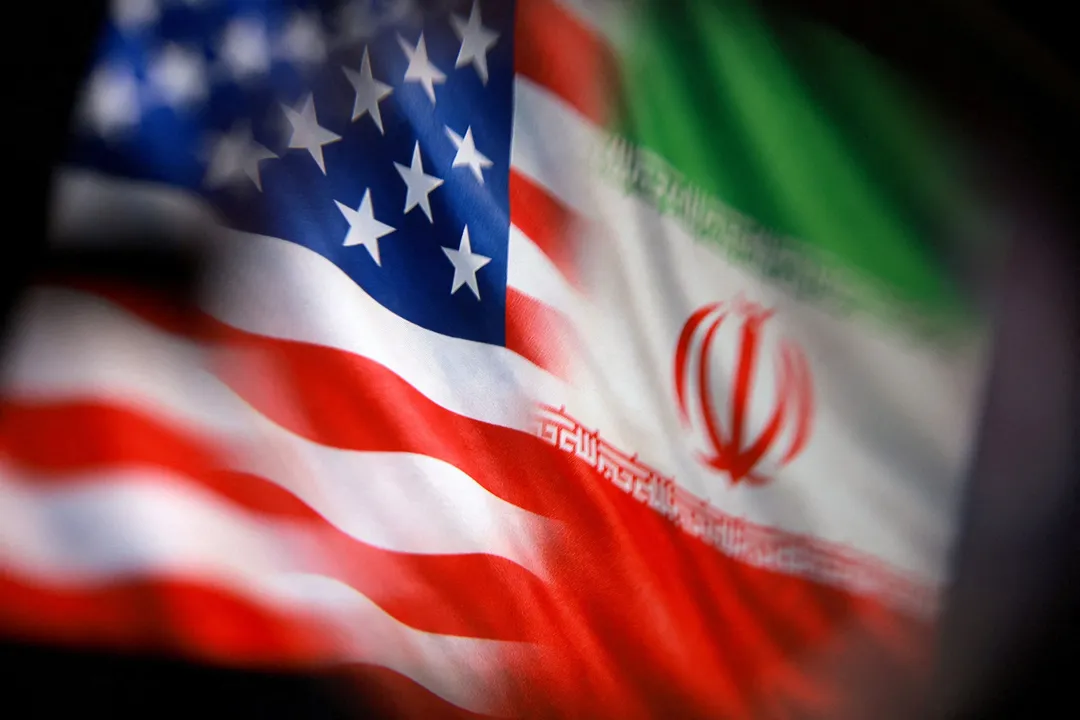
Iran conveyed conditions to re-engage in talks, end war with US: Tehran
Iran has conveyed its conditions to mediators for re-engaging in negotiations aimed at ending the war with the US, Al Jazeera cited Iran's Security Chief Mohsen Rezaei as saying in an interview.
The conditions include ending the war on all fronts, unfreezing Iranian funds and ending the naval blockade, Rezaei said, adding that consultations were continuing with Qatari and Pakistani mediators and that Tehran was awaiting a response from US President Donald Trump.
Yemen’s army says 13 soldiers killed in fighting with Houthis
Thirteen Yemeni soldiers were killed in two days of clashes with Houthi forces in the southwestern provinces of Taiz and Lahj, the army said.
The army-affiliated Tur al-Bahah Military Axis only reported the fatalities in a statement, without giving further details.
Several fronts across Yemen have seen renewed fighting in recent days between government forces and the Houthis, including Taiz, Marib, Al-Jawf, Al-Bayda and Lahj.
Yemen fighting between Houthis, govt forces kills 48: report
Fighting in southern Yemen between government forces and Houthis has killed 48 people in recent hours, military sources from both sides told AFP.
According to government military sources, 17 troops were killed, while the Houthis reported that 31 of their members have been killed in the past day.
Over 1B barrels of oil shipped through Hormuz: US
The US military's Central Command (CENTCOM) has said that more than 1 billion barrels of crude oil have transited the Strait of Hormuz in recent months under a US military blockade.
“CENTCOM forces have supported more than 1 billion barrels of crude oil leaving the Gulf,” Brad Cooper said in remarks released by the command on X.
Cooper said US forces have also assisted more than 2,000 commercial vessel transits through the strategic waterway by providing coordinated protection.
He said the primary transit lanes in the strait have been cleared of mines and that thousands of ships have passed through the waterway.
At the same time, Cooper said Iran had exported “zero barrels” of oil, attributing the halt to what he called the US “ironclad blockade.”
Aramco fuel tank near Riyadh airport on fire
An Aramco fuel tank near Riyadh's international airport was on fire, according to eyewitnesses, after people in the city reported hearing explosions.
Flames and a large plume of black smoke were seen rising near Riyadh airport, an eyewitness said.
Firefighters could be seen trying to extinguish the flames of a burnt-out fuel tank with the Saudi oil giant Aramco logo appearing on the structure.
Seven Houthis killed in clashes near Bab al Mandeb Strait: Yemeni official
Seven Houthi members, including a senior commander, were killed in clashes near the Bab al Mandab Strait in southwestern Yemen, the Yemeni government said.
In a post on X, Deputy Information Minister Abdulbasit al-Qaedi said Houthi commander Firaq Mohsen al-Assar and six of his aides were killed on the Kahboub front.
The Houthis did not immediately comment on the statement, but activists close to the group mourned al-Assar, without providing details about the circumstances of his death.
Israel launches fresh strikes on southern Lebanon
Israel launched fresh air strikes in southern Lebanon amid ongoing violations of a US-mediated framework agreement, state news agency NNA reported.
Two air strikes hit the Old Square neighbourhood in the town of Nabatieh al-Fawqa.
A third strike targeted an ambulance team as it was heading to the site of the attacks in the town.
Information on injuries was not immediately available.
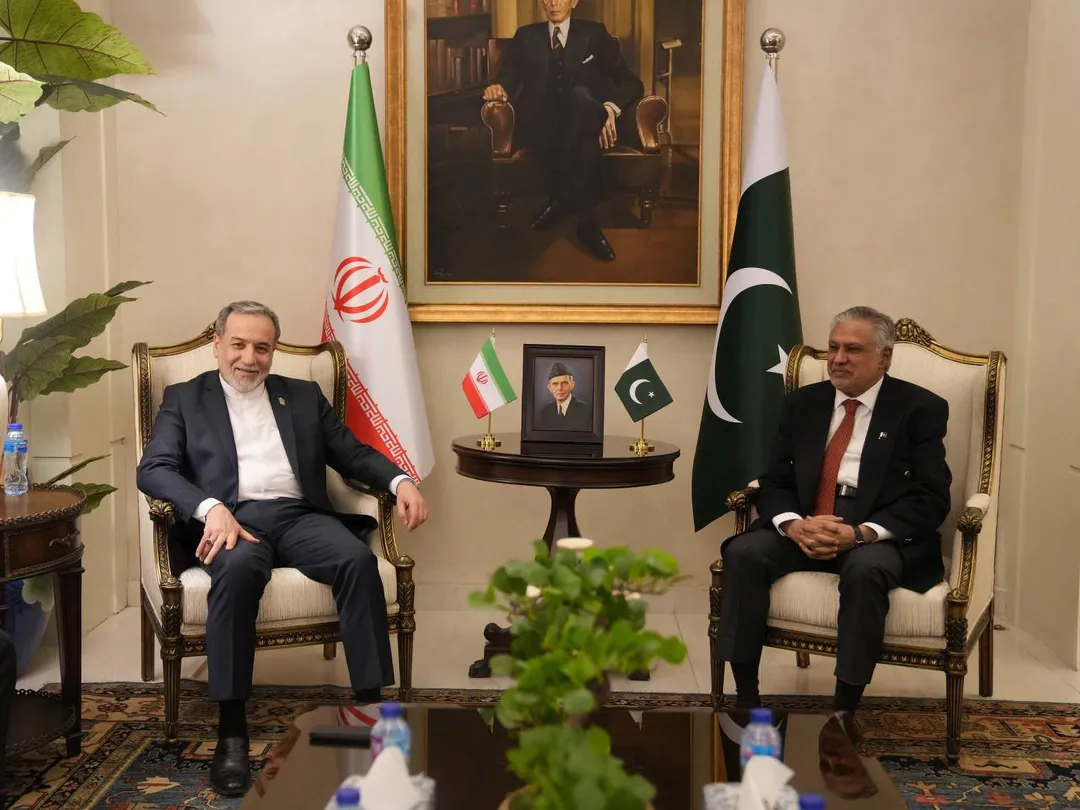
Iran, Pakistan discuss regional developments amid US tensions, Hormuz passage deadlock
Pakistan's top diplomat Dar told his Iranian counterpart Araghchi that dialogue and diplomacy remain the only viable means of ensuring lasting peace and stability across the region.
SUMMARY
Israel launches fresh strikes on southern Lebanon
Aramco fuel tank near Riyadh airport on fire
Maritime coalition prepares to deploy in Red Sea, Gulf of Aden
US says Iran war cost grows to $43.6B
RECOMMENDED