Türkiye hosts summit boosting defence industry cooperation
Ankara Summit unveils $50B arms deals
Europe commits massive funds to NATO deep strike weapons
Ukraine to get Patriot production licence
Allies advance 5% GDP defence spending target
July 9, 2026
Historic NATO summit in Ankara concludes
SUMMARY
Russia says NATO remains focused on confrontation after Ankara summit
Russia said NATO remained focused on confrontation with Moscow and continued support for Ukraine after the alliance’s July 7-8 summit in Türkiye’s capital, Ankara.
Russian Foreign Ministry spokesperson Maria Zakharova said on Telegram NATO had again identified Russia as a long-term threat to Euro-Atlantic security, adding that confrontation with Moscow had become "existential and systemic" for the alliance.
WATCH: Glenn Alexander Crowther, Senior Fellow at the Center for European Policy Analysis, analyses NATO Summit in Ankara
RECOMMENDED
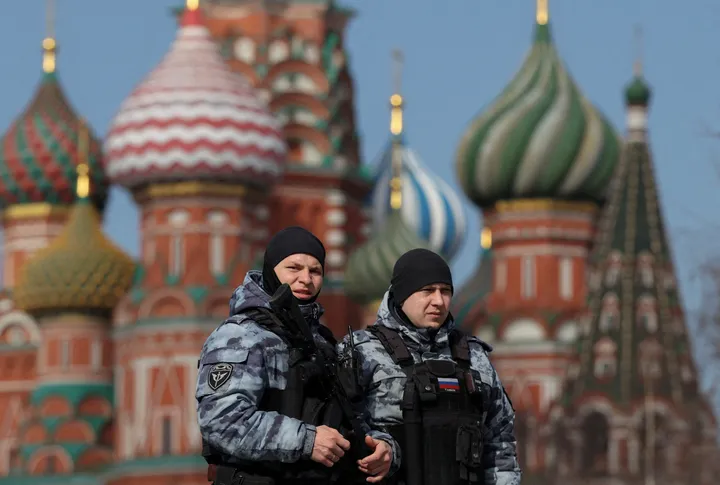
OPINION: Türkiye’s NATO commitment and the trial by fire of the Korean War
As NATO leaders gather in Ankara, Türkiye's role in the alliance is best understood through its decades-long military commitment—from the battlefields of Korean Peninsula to the frontlines of today's evolving security order.
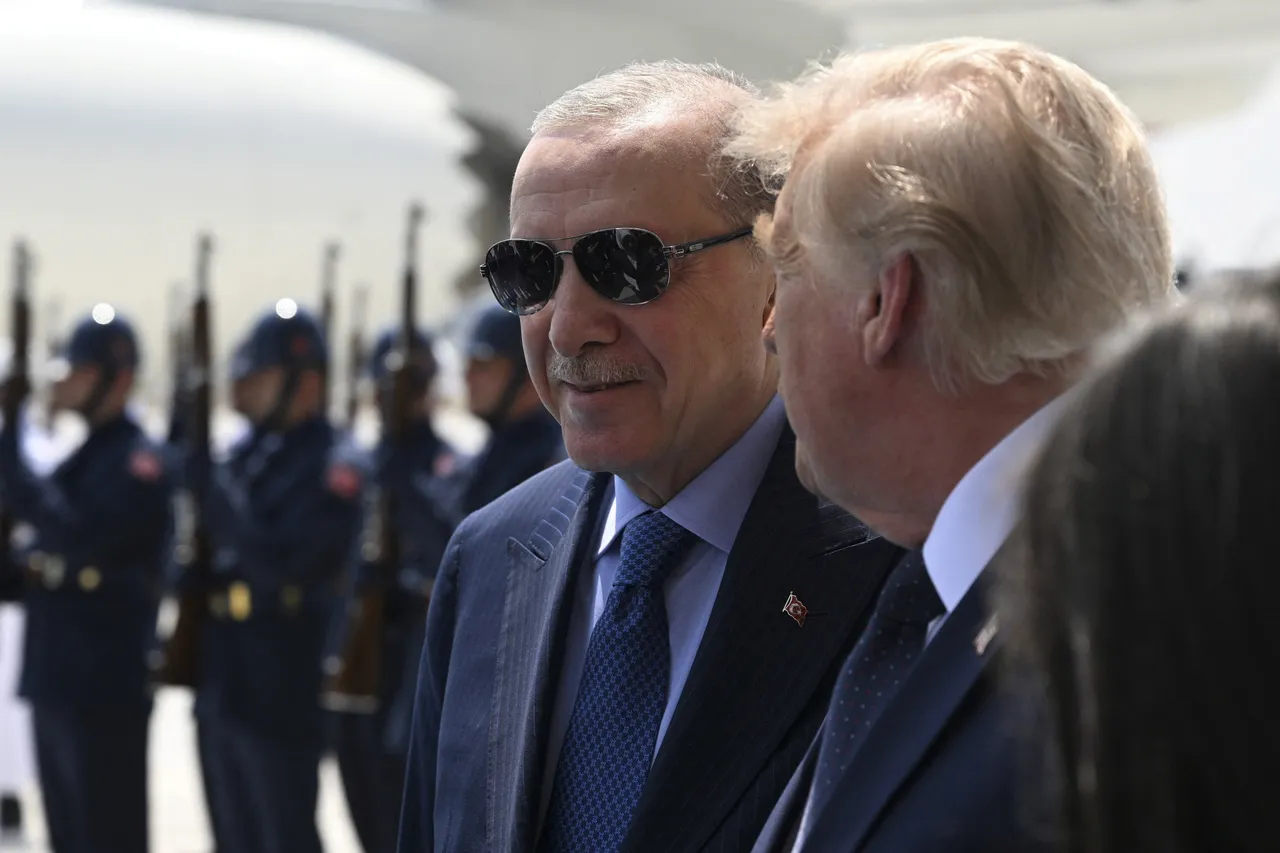
WATCH: More than 2,500 Journalists Cover the NATO Summit from Ankara's Presidential National Library
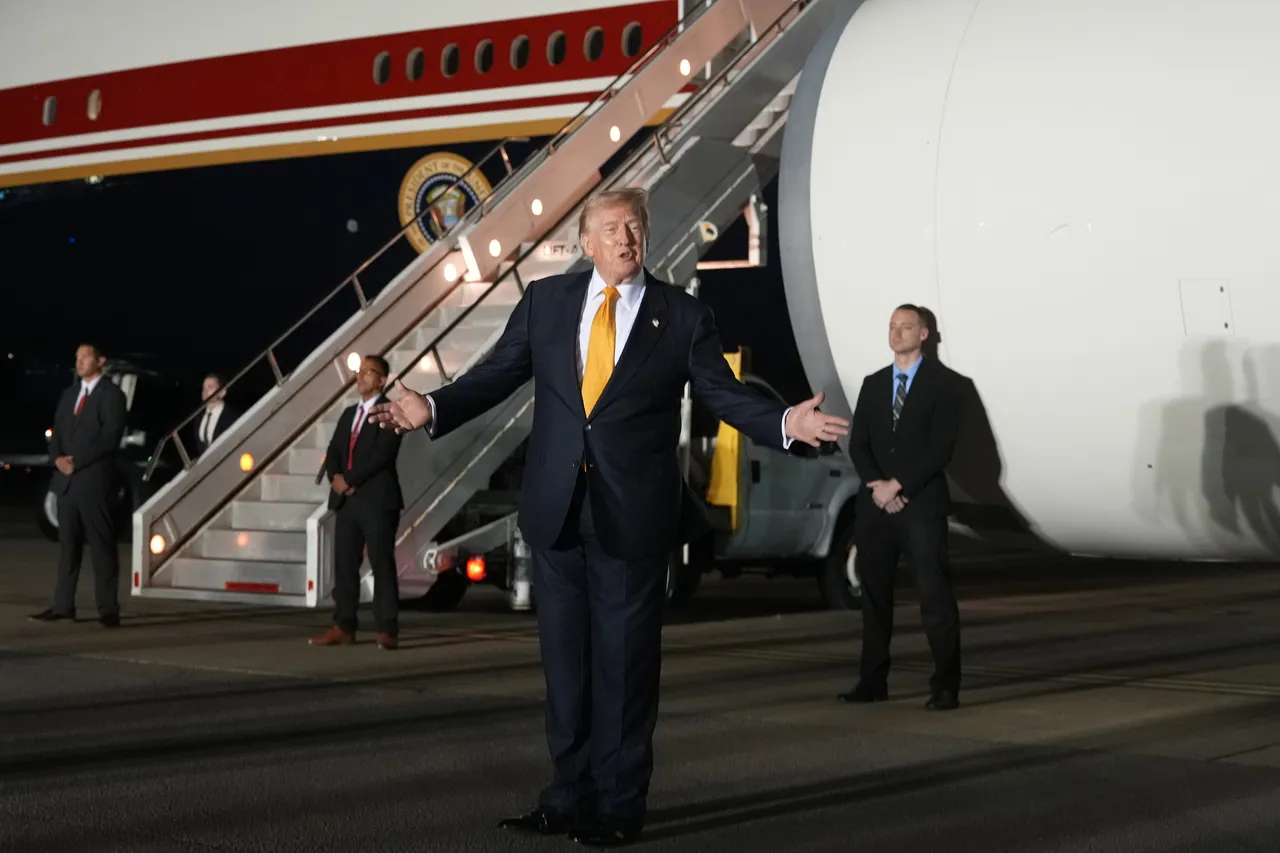
Trump hails “very good” NATO summit, praises Türkiye partnership
US President Donald Trump said he had a “very good” NATO summit, adding that “a lot of things were determined” during the meetings.
Trump also said the United States reached “good trade deals” with Türkiye and described Ankara as “a very good partner” following his visit to the country.
Turkish foreign minister says NATO Ankara summit concluded successfully
Turkish Foreign Minister Hakan Fidan has said that the NATO summit hosted by Türkiye in Ankara on July 7-8 concluded successfully.
In a statement on Turkish social media platform NSosyal, Fidan said the participation of all allies at the leaders’ level in the “historic summit” was a sign of confidence in Türkiye and President Recep Tayyip Erdogan.
The summit, held at a critical time amid intense discussions on NATO’s transformation, addressed key issues on the Euro-Atlantic security agenda in detail, he said.
Türkiye-US defence ties enter new phase after NATO summit in Ankara: Erdogan
Turkish President Erdogan says US President Trump has expressed a positive view on F-35 sales and highlights closer cooperation in the defence industry, while Ankara pushes for a stronger role inside NATO.
President Erdogan meets EU leaders during NATO summit in Ankara
Turkish President Recep Tayyip Erdogan has met European Council President Antonio Costa and European Commission President Ursula von der Leyen during a NATO summit in Ankara.
Erdogan hosted Costa and von der Leyen at a working dinner as part of diplomatic engagements during the summit held at the presidential complex.
Sweden, Germany to deepen collaboration on air defence
Sweden has announced it would ramp up collaboration with Germany on air defence, including the development of unmanned systems.
Swedish Defence Minister Pal Jonson told a press conference he and his German counterpart, Boris Pistorius, had signed a "letter of intent on a deepened cooperation in the area of air defence".
The two ministers had signed the deal during the NATO summit in Ankara.
"For example, we are looking at whether Sweden and Germany could deepen their cooperation on unmanned systems," Jonson told reporters in the Turkish capital.
Germany hails Türkiye as strategic ally in push for regional stability at Ankara summit
Merz and Erdogan discuss deeper defence, trade and security cooperation as Berlin and Ankara seek closer coordination within NATO and beyond.
Trump hails Erdogan as 'great leader', calls NATO summit in Türkiye 'very successful'
"We just concluded a very successful NATO summit here in Türkiye," says the US president.
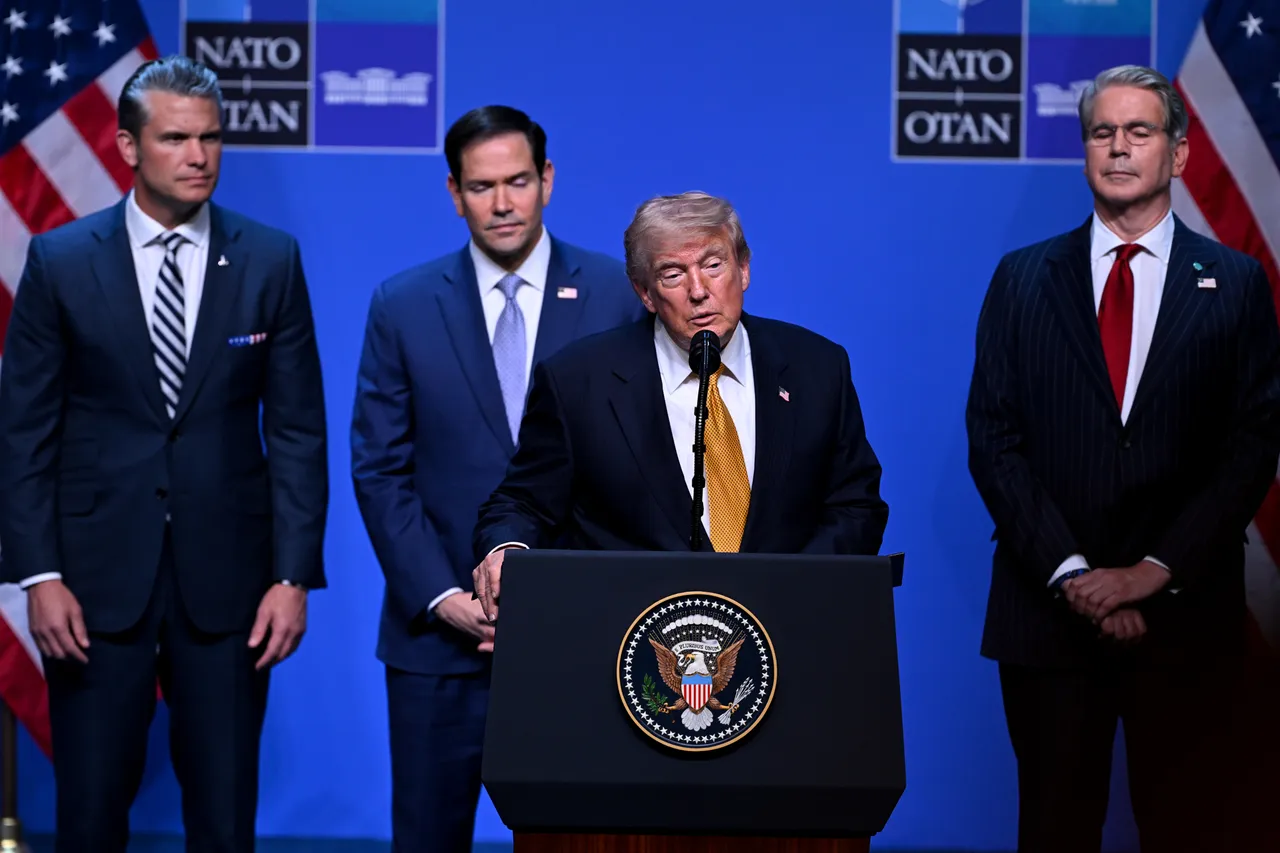
Türkiye's Erdogan hails 'historic' NATO summit in Ankara
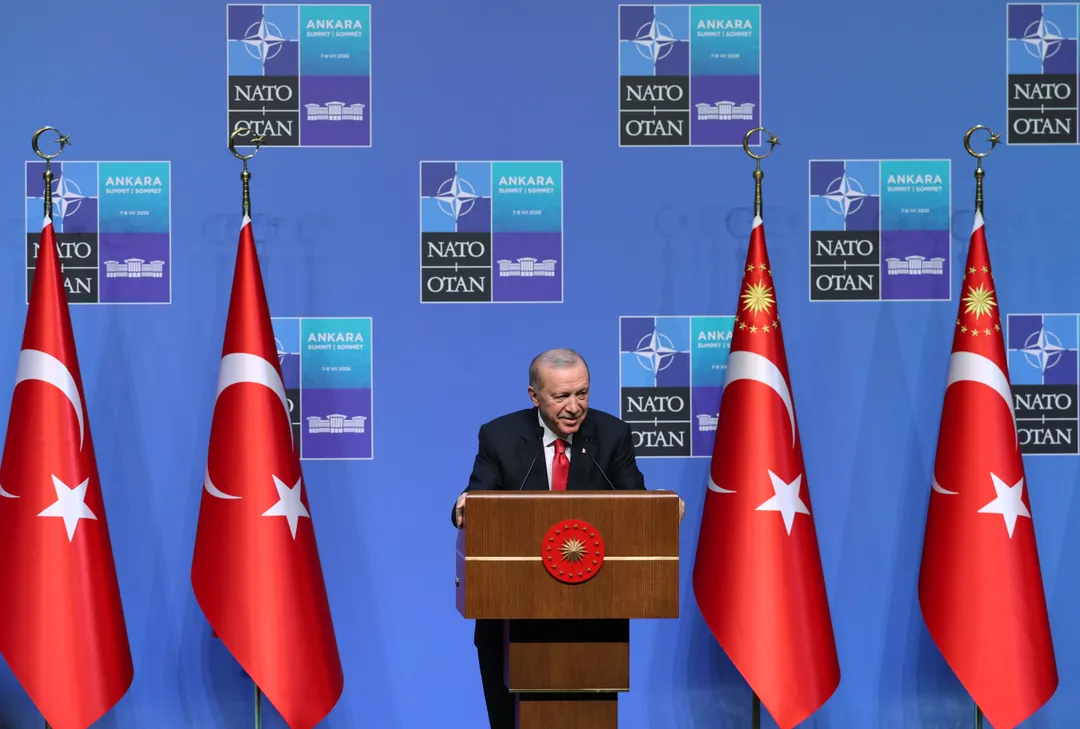
Turkish President Recep Tayyip Erdogan has stated that the 2026 NATO summit in the capital Ankara concluded "successfully," describing it as a "historic" gathering that will help shape the alliance's future at a time of heightened security challenges across the Euro-Atlantic region.
"We have successfully concluded our NATO summit, which we hosted in our country for the second time in 22 years and for the first time in our capital, Ankara," Erdogan said at a news conference following the conclusion of the summit.
NATO must be an alliance of allies that strengthen one another, “not one of countries dependent on each other,” Erdogan added.
He noted that the meeting came at a critical moment for Euro-Atlantic security and would have lasting significance for the alliance.
"This historic summit, which we hosted at a time when Euro-Atlantic security is being tested, has been conducted in a manner that will shape our common future," he said.
NATO's Rutte brushes off disputes between Trump and allies
Disagreements between US President Donald Trump and other NATO leaders showed the alliance's democratic strength and should serve as a lesson for Russian President Vladimir Putin, NATO boss Mark Rutte has said after a summit in Ankara.
In an interview with Reuters, Rutte also said he saw no need to change the way he deals with Trump, despite accusations that he lavishes praise on the US president and fails to push back on his criticism of allies.
Trump tells NATO US is boosting defence gear production
US President Donald Trump has said he informed NATO leaders of the steps the United States is taking to increase defence equipment production.
Trump added that Washington is rapidly expanding its defence manufacturing capacity to meet growing security demands.
Europe has stepped up in NATO ahead of Ukraine coalition summit: Macron
France's President Emmanuel Macron has said he would use a summit of Ukraine's allies next week to unveil new defence initiatives and joint military exercises, presenting the gathering as further evidence that Europe was assuming greater responsibility for its own security.
More than seven years after declaring NATO was suffering from "brain death", Macron said at the alliance's annual summit in Ankara that Europe had shown it was investing more in defence, defending its sovereignty and developing strategic autonomy within NATO.
Ukraine sees 'concrete results' on bolstering air defences at NATO summit: top diplomat
Ukrainian Foreign Minister Andrii Sybiha has said that there were “concrete results” on bolstering his country’s air defences at the 36th NATO summit in the Turkish capital Ankara.
Speaking to Ukrainian journalists on the sidelines of the summit, Sybiha reaffirmed that air defence is a priority for Kiev, saying he had the impression that “everyone understands this.”
“I can share my impression that everyone understands this, but not just in expressing solidarity in words, but there will be, and there already are, concrete decisions regarding strengthening our air defence capabilities and our anti-ballistic capabilities,” Sybiha said, according to Ukrainian public broadcaster Suspilne.
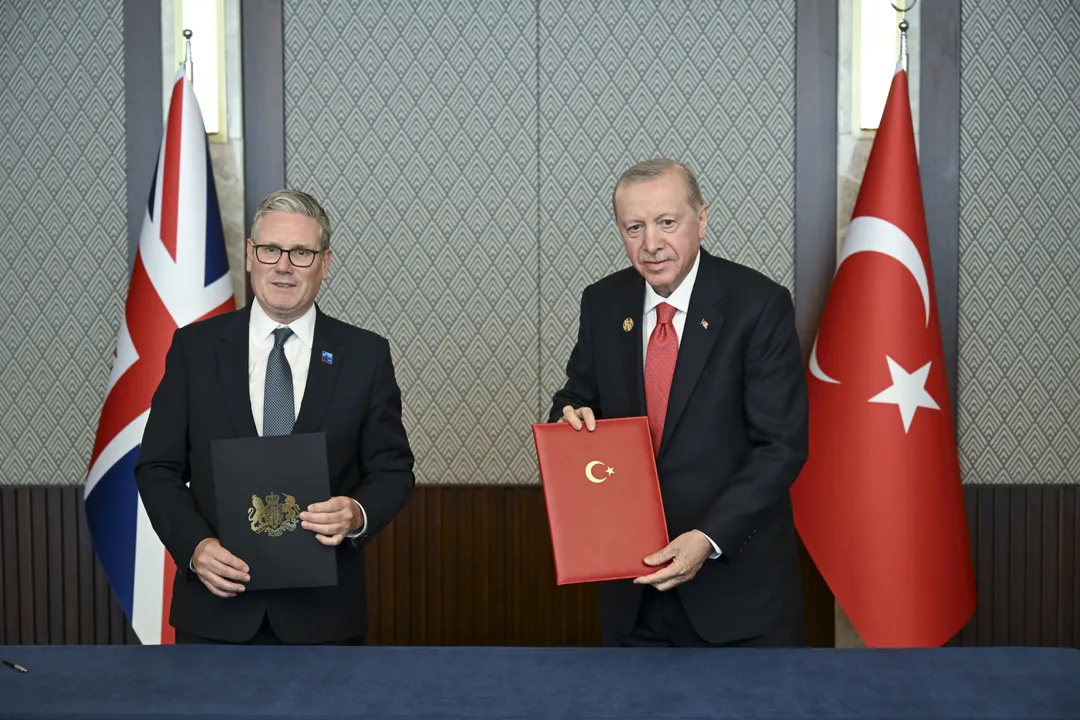
Türkiye, UK forge new defence pact at NATO summit in Ankara
Turkish President Erdogan and UK Prime Minister Starmer oversee a strategic partnership aimed at expanding military cooperation, defence industry links and security coordination between two key NATO allies.
NATO upgrades Baltic Air Policing mission to air defence
NATO has agreed to upgrade its decades-old Baltic air policing mission into air defence, giving pilots a wider mandate, including destroying "objects that pose a threat", Lithuanian President Gitanas Nauseda has said.
The NATO air policing mission in Lithuania, Latvia and Estonia — three Baltic countries close to Russia that do not operate their own fighter jets — was launched in 2004, immediately after they joined the NATO alliance.
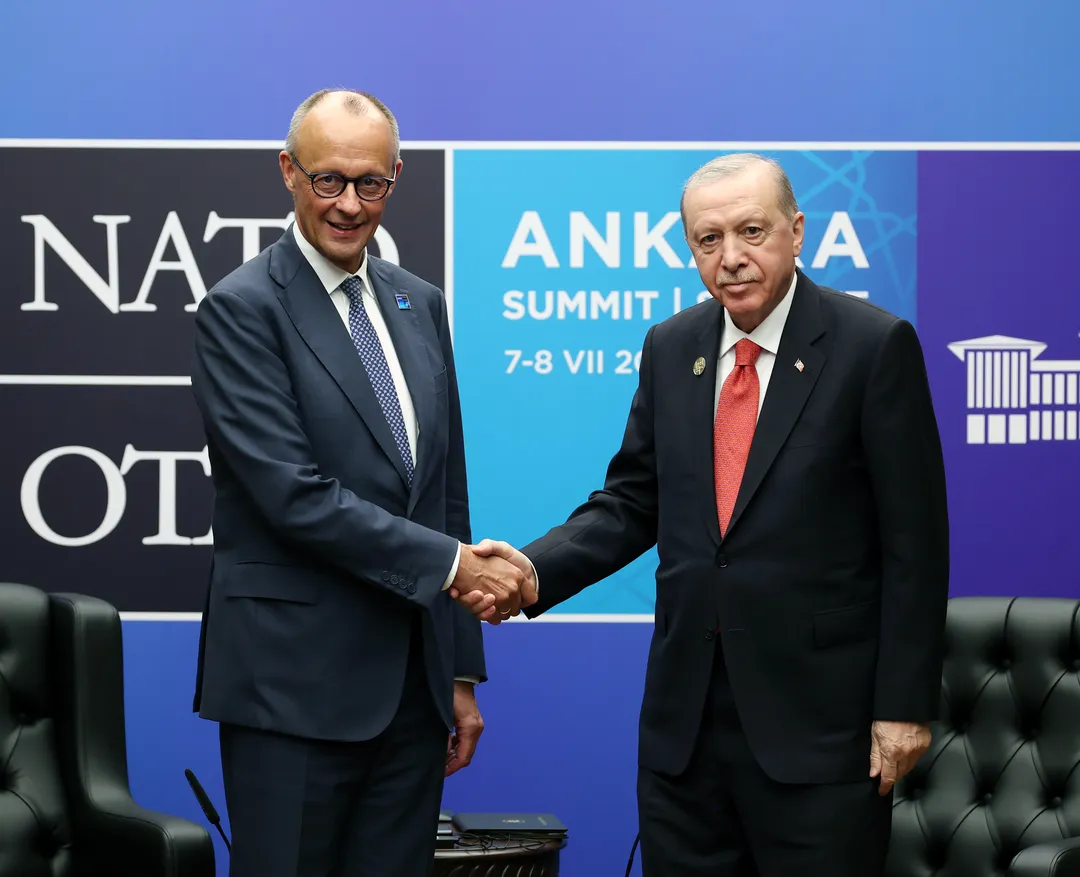
Germany’s Merz: Türkiye key ‘strategic ally’ for us in foreign, security policy
German Chancellor Friedrich Merz has pledged closer security and foreign policy cooperation with Türkiye on Wednesday, emphasising Ankara’s pivotal role in maintaining regional peace and stability.
“I appreciate Türkiye’s role. It is a key strategic ally for us in foreign and security policy,” he told reporters in Ankara at the conclusion of a two-day NATO summit hosted by Turkish President Recep Tayyip Erdogan.
Merz thanked Erdogan for successfully hosting the high-profile gathering and told reporters that during his bilateral meeting with the Turkish president, they discussed deepening cooperation and exchanged views on pressing regional and international issues.
“I’ve just reiterated to President Erdogan during our conversation that, given Türkiye’s geostrategic location alone, we have a strong interest in working closely with our NATO partner and that is exactly what we are doing,” said Merz.
Turkish first lady hosts leaders’ spouses at NATO summit event in Ankara
Turkish First Lady Emine Erdogan has hosted the spouses of leaders attending the 36th NATO Heads of State and Government Summit in the Turkish capital Ankara.
Erdogan welcomed the guests at the Cankaya Mansion, where they attended a roundtable titled “Children, Technology and Security: Protecting the Next Generation.”
Addressing the meeting, Erdogan said child safety should not be treated as an additional setting on digital platforms, but as “the first principle of design.”
“The black box of algorithms must be opened, and technology companies must submit the social impact of their products to independent audit,” she said.
Turkish President Erdogan receives Italy's Meloni in Ankara
Turkish President Recep Tayyip Erdogan has received Italy's Prime Minister Giorgia Meloni in the capital, Ankara.
The closed-door meeting at the presidential complex came on the second day of the NATO summit.
The two leaders discussed bilateral relations as well as regional and global developments, Türkiye's Communications Directorate said.
Erdogan, Macron discuss trade and NATO cooperation at summit
Turkish President Recep Tayyip Erdogan has met with French President Emmanuel Macron on the sidelines of the NATO Leaders Summit in Ankara, where the two leaders discussed bilateral ties as well as regional and global developments, Türkiye's Communications Directorate said.
During the meeting, Erdogan said the time had come for Türkiye and France to raise their mutual trade targets, adding that Ankara would continue efforts to advance cooperation "in every field."
Erdogan also stressed the importance of strengthening NATO's European pillar to preserve the "Transatlantic Bond" among allies, saying this could be achieved "without eroding our alliance ties and without causing unnecessary duplication."
He added that Türkiye would support the EU's defence initiatives on the basis of those principles.
Will 'see what happens' with EU after ordering halt to trade with Spain: Trump
US President Donald Trump has said that he would "see what happens" with the European Union, hours after ordering an immediate halt to all trade with NATO ally Spain.
European Union rules require trade negotiations to be conducted as a single bloc.
NATO stronger, more united after summit: UK's Starmer
British Prime Minister Keir Starmer has said that NATO had emerged from its annual summit "stronger and more united", citing US President Donald Trump's closing remarks, in which he praised the meeting's spirit and unity.
"President Trump summed up and said that he was very pleased to welcome the spirit of the meeting and the unity of the meeting, and therefore, in terms of what's the outcome here, and answering that question 'is NATO stronger and more united coming out of this summit?' then the answer is yes to that," Starmer told reporters.
Trump tempers fury to end NATO summit on high note
US President Donald Trump offered NATO allies a warmer tone as they wrapped up a key summit Wednesday after earlier criticising them over their response to war on Iran.
"It was a great meeting, there was a lot of love in that room, a lot of unity," Trump told reporters after the closed-door meeting of 32 heads of state at the NATO summit in the Turkish capital Ankara.
Behind closed doors, Trump had reassured them he wanted the US to stay in the military alliance, saying: "We want to remain with you", a source inside the session told AFP.
Europe builds 'European NATO': Germany's Merz
German Chancellor Friedrich Merz has said Europe is strengthening its role within NATO to preserve the alliance's transatlantic character, adding that allies reaffirmed their commitment to Article 5 during talks in Ankara.
“We are building a European NATO so that NATO can remain Trans-Atlantic,” Merz said.
He said Europe is accelerating the development of long-range deep-strike weapons and has ended its era of relying on others for its defence.
Ties with US 'very positive' after Trump threat: Spanish PM
Spanish Prime Minister Pedro Sanchez has said his country's ties with the United States were "very positive" despite President Donald Trump's latest threat to cut off trade links.
"Relations between the United States and Spain are very positive relations in social, cultural, economic and also political terms," Sanchez told reporters in Ankara after a NATO summit.
Turkish president, British premier meet in Ankara for talks
Turkish President Recep Tayyip Erdogan has met with British Prime Minister Keir Starmer in the capital Ankara.
The closed-door meeting came on the sidelines of the last day of a two-day NATO summit, and also with Starmer soon set to exit his post, after announcing his pending resignation last month.
Czechs won't join $80B Ukraine package: PM Babis
The Czech Republic will not participate in a $80 billion package of military assistance for Ukraine, which NATO states agreed to, Czech Prime Minister Andrej Babis has said.
NATO members meeting in Ankara pledged that amount for Ukraine for 2026 and "at least equivalent levels" of support in 2027, according to the summit's declaration.
Poland urges NATO to extend fuel pipeline network to eastern flank
Polish President Karol Nawrocki has said that expanding NATO’s fuel infrastructure to the alliance’s eastern flank should become a strategic priority for Central Europe.
Speaking on arrival at the NATO summit in Ankara, Nawrocki said expanding NATO’s fuel infrastructure should become a strategic priority for Central Europe.
“The dual-use nature of pipelines provides the opportunity to build security for NATO’s entire eastern flank, so this is also an opportunity for me and all of Central Europe to raise this issue once again,” he told reporters.
SUMMARY
Türkiye hosts summit boosting defence industry cooperation
Ankara Summit unveils $50B arms deals
Europe commits massive funds to NATO deep strike weapons
Ukraine to get Patriot production licence
Allies advance 5% GDP defence spending target
RECOMMENDED