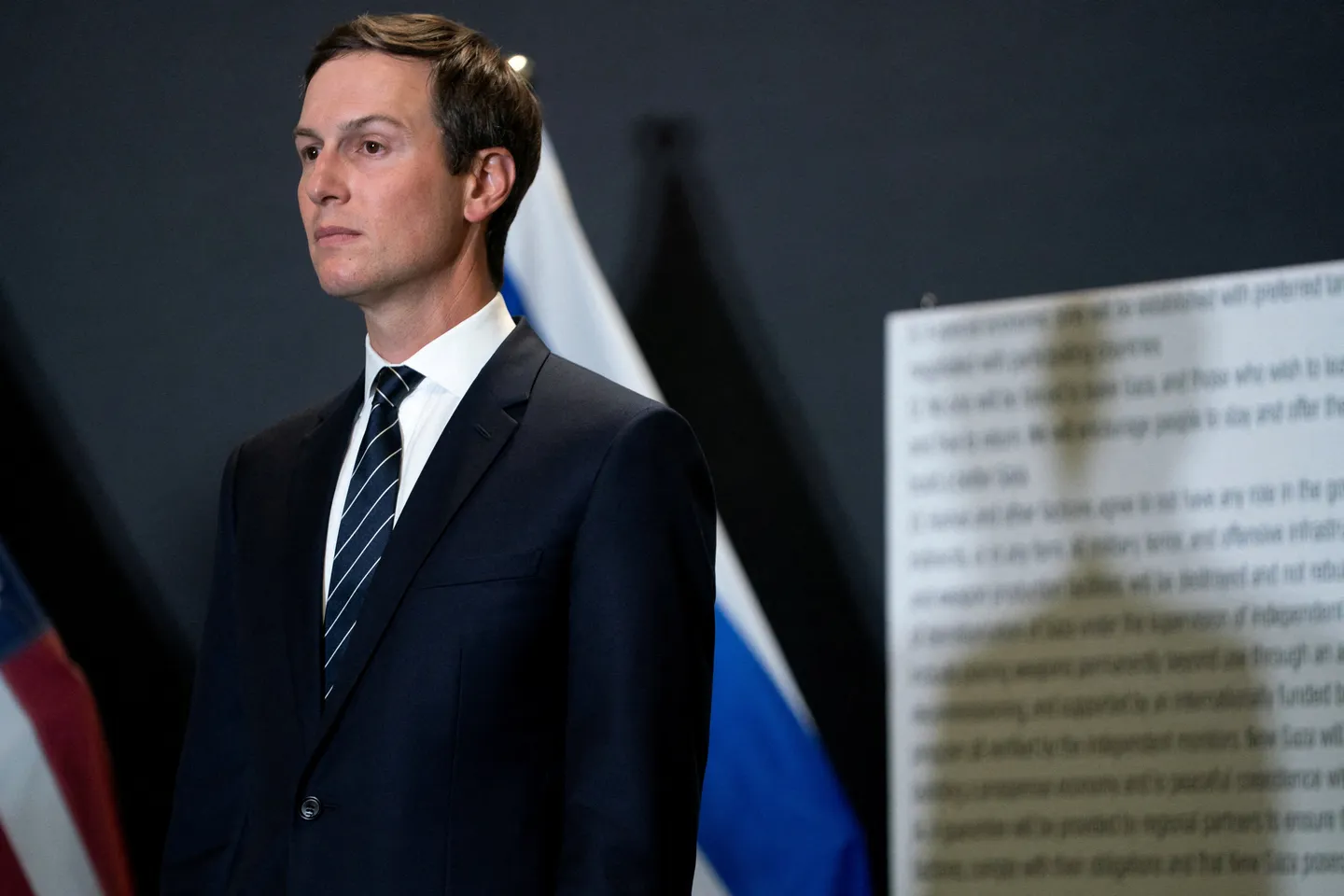
US mediator Jared Kushner and Israeli Prime Minister Benjamin Netanyahu have held talks on the second phase of the Gaza ceasefire, as Washington intensified efforts to ensure the fragile truce endures.
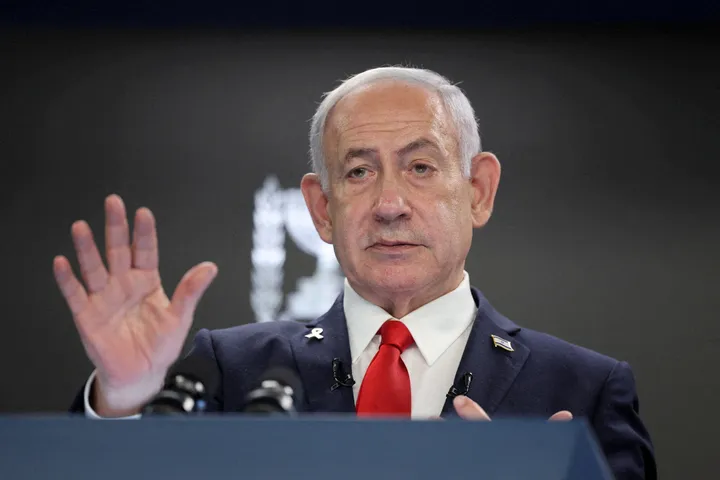
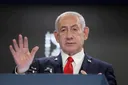
Netanyahu, meanwhile, said Israel would enforce the ceasefire in Gaza as well as one in Lebanon with an "iron fist."
During the ongoing first stage, a series of prisoner and hostage exchanges took place over recent weeks.
Kushner, the son-in-law of US President Donald Trump who helped broker the ceasefire, met Netanyahu in West Jerusalem on Monday as part of US efforts to stabilise the truce and lay the groundwork for its next phase.
Israeli government spokeswoman Shosh Bedrosian said the two discussed the disarming of Hamas, the demilitarisation of Gaza, and plans for an international stabilisation force.
"Together the two discussed phase one, which we are currently still in, to bring our remaining hostages, and the future of phase two of this plan, which includes the disarming of Hamas, demilitarising Gaza and ensuring Hamas will have no role in the future of Gaza," Bedrosian said.
She added that phase two also includes the establishment of an international stabilisation force — a key element of Trump’s ceasefire plan.



Israel breaches the ceasefire
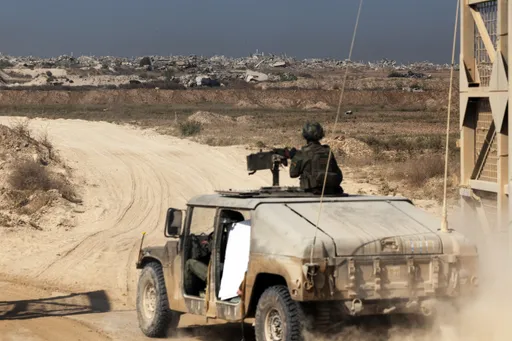
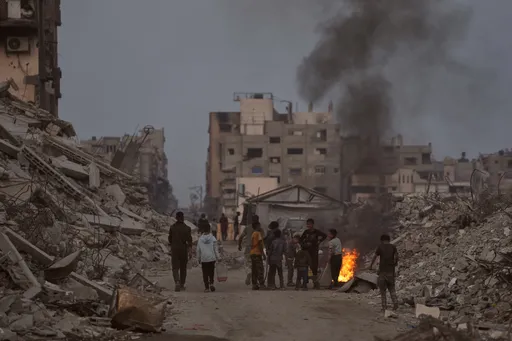
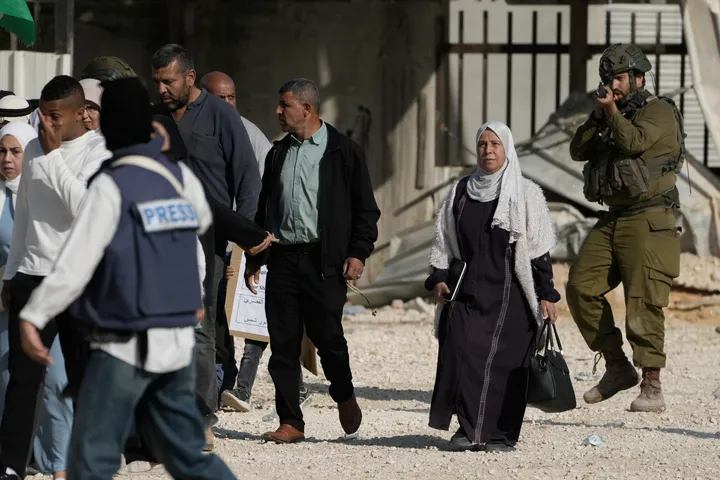
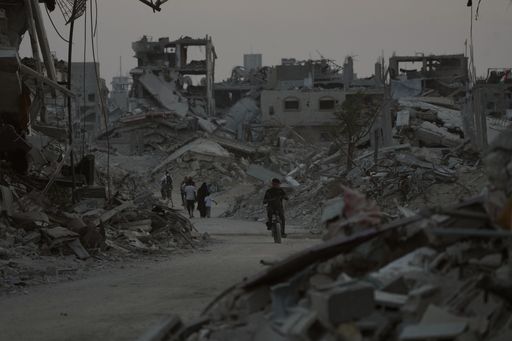
Gaza’s Health Ministry said Israeli forces have killed at least 242 Palestinians since the truce began.
Netanyahu said Israel would "enforce with an iron fist the ceasefire agreements where they exist," referring also to Lebanon, where Israeli strikes have continued in violation of the truce.
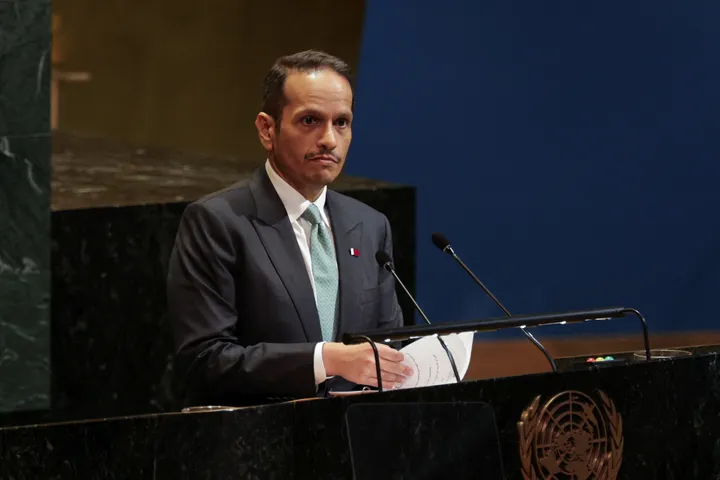
Türkiye, Egypt and Qatar are among the countries expected to participate in the proposed stabilisation force, though the United Arab Emirates has said it will not join without a clear operational framework.
Since the truce began, Hamas has returned 20 living hostages and the remains of 24 captives, while Israel has released nearly 2,000 prisoners and handed over 315 bodies of Palestinians.
Despite progress, Palestinians say they still feel unsafe amid sporadic shooting and continuing humanitarian hardships as restrictions on humanitarian aid persist.