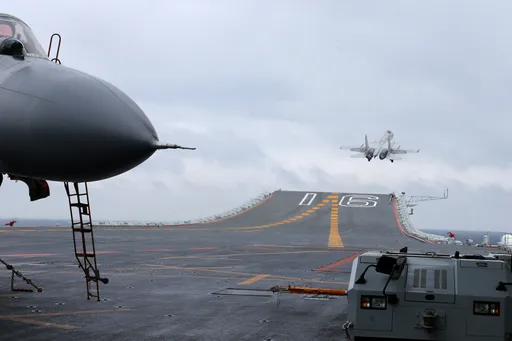
The Indian Air Force’s first-ever full-scale air show in Guwahati in India’s northeast state of Assam this week — featuring Rafales, Sukhois, Mirages and transport aircraft soaring over the Brahmaputra River — was billed as a celebration of its anniversary.
But analysts say the timing and location of the spectacle, near the vulnerable Siliguri Corridor — a narrow, 22-kilometre-wide stretch linking India’s northeastern states to the mainland — also signalled a show of strength amid a quiet military build-up along India’s eastern frontier.
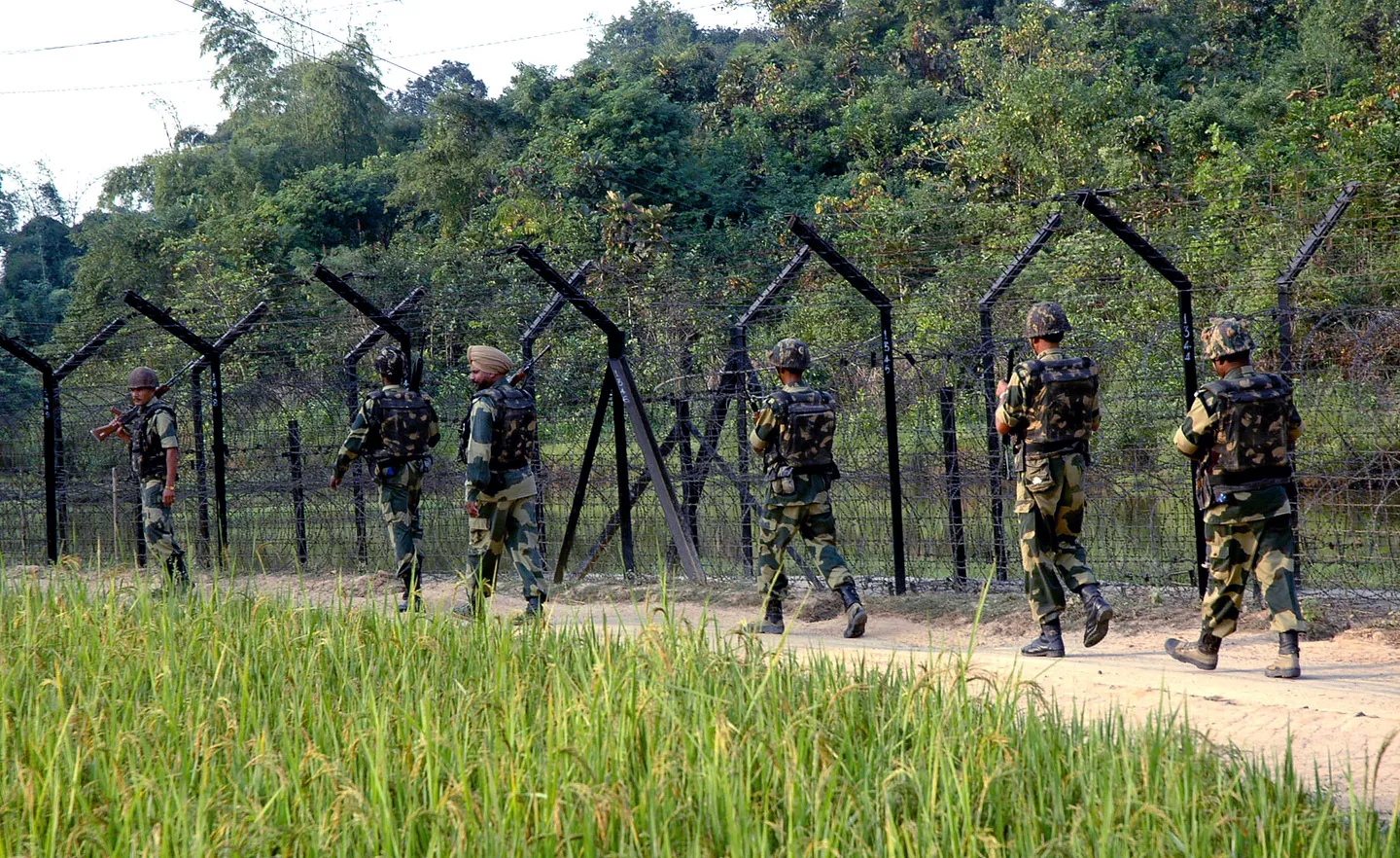
In recent weeks, India has established three new fully operational army garrisons close to the Bangladesh border — in Bamuni (Assam’s Dhubri district), Kishenganj (Bihar) and Chopra (North Dinajpur, West Bengal).
Security insiders describe the move as “a shift from ambiguity to readiness”.
Historically, New Delhi and Dhaka have maintained cordial ties since Bangladesh’s independence in 1971.
However, tensions began to simmer after a nationwide uprising led by Bangladeshi students toppled Sheikh Hasina’s government last year, forcing her to flee to India.
In what has since come to be known as Bangladesh’s “July Revolution”, New Delhi consistently sought to portray the popular uprising as an extremist movement.
According to a report by The Week, the Indian army garrisons are positioned to safeguard the Siliguri Corridor, long considered one of the country’s most sensitive strategic vulnerabilities.
A senior Indian security official quoted by the weekly news magazine said the move aims to “eliminate vulnerabilities and provide multiple rapid-response options” for the armed forces in the Northeast.







Last week, India’s Eastern Army Commander Lieutenant General RC Tiwari personally inspected the new base at Chopra, praising troops for setting it up “in a minimal timeframe” and urging them to stay “proactive in meeting evolving security challenges”, the Deccan Chronicle reported.
The Chopra base lies barely a kilometre from Tetulia in Bangladesh’s Panchagarh district — opposite the expanding Lalmonirhat airbase, where the Bangladesh Air Force is reportedly installing new radar systems.
Meanwhile, the Bamunigaon base extends India’s operational reach along the Brahmaputra River in Dhubri, an area once seen as a surveillance blind spot. The mighty Brahmaputra flows from India into Bangladesh, where it is known as Jamuna.
The developments come as Pakistan’s naval chief makes a rare four-day visit to Bangladesh — the first such visit since 1971 — aimed at strengthening defence ties and exploring avenues for joint cooperation.
Bangladesh’s interim leader, Muhammad Yunus, a Nobel laureate who assumed office after the fall of Hasina’s government, has courted both China and Pakistan in recent months — two nations India views as key regional rivals.
Yunus gifted Pakistan’s military chief a book last month allegedly featuring a map depicting parts of India’s northeast as “Greater Bangladesh”. Images of the meeting sparked outrage in India, though some Bangladeshi social media users claimed the image was merely a painting of the national flag.
During a visit to Beijing earlier this year, Yunus referred to India’s northeastern states as a “landlocked country” and called Bangladesh the region’s “only guardian of the ocean”, remarks that drew sharp criticism in Indian strategic circles.
Indian media suggests these overtures toward Beijing and Islamabad have deepened New Delhi’s distrust. Security experts now view the new military installations as a pre-emptive posture — not merely defensive, but designed to deter perceived encirclement.