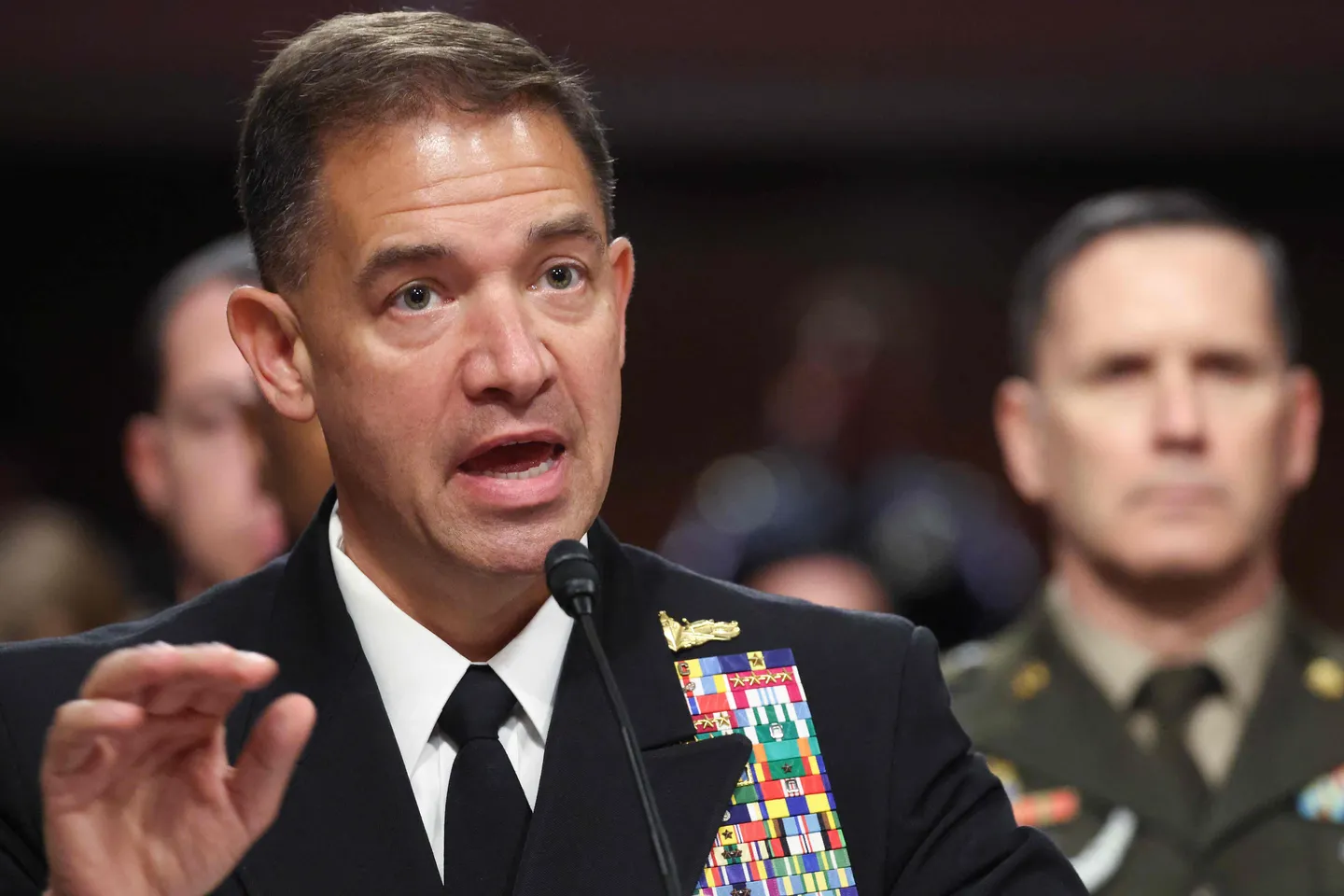
The US military's Central Command (CENTCOM) chief, Admiral Brad Cooper, has arrived in Israel to meet senior military officials amid reports of American preparations for a possible resumption of war against Iran, Israeli media reported.
Cooper met Israeli Chief of Staff Eyal Zamir and other military officials after arriving in Tel Aviv on Tuesday, according to Channel 12.
It described the trip as part of Cooper's regular visits to strengthen security and military coordination between the two countries.
It said the visit could also serve to increase coordination ahead of potential developments.
The Yedioth Ahronoth newspaper also reported Cooper's arrival.
The trip follows a visit by US Fifth Fleet Commander Curt Renshaw, which concluded on Friday after talks with Israeli officials on naval operations and military cooperation.
Preps for new attacks
In a statement on Friday, the Israeli military said Renshaw met Israeli Navy commander Eyal Harel and other senior naval officers.
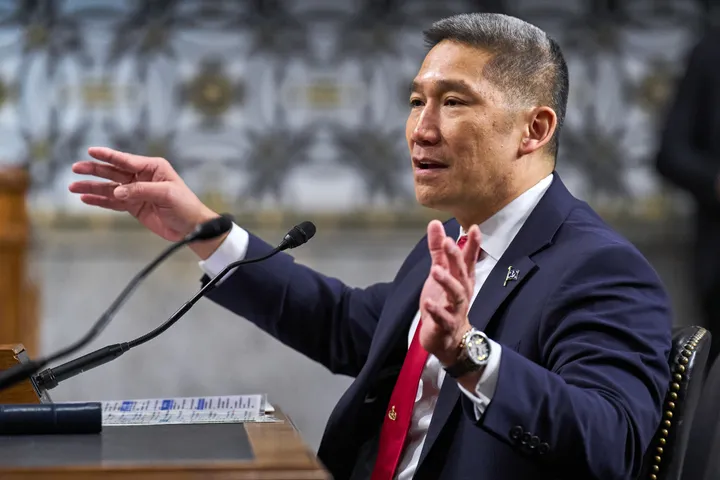




The discussions covered "naval activity during combat in various arenas," it said, without specifying the operations or locations.
Both visits come amid Israeli media reports of US military preparations for possible renewed war against Iran.
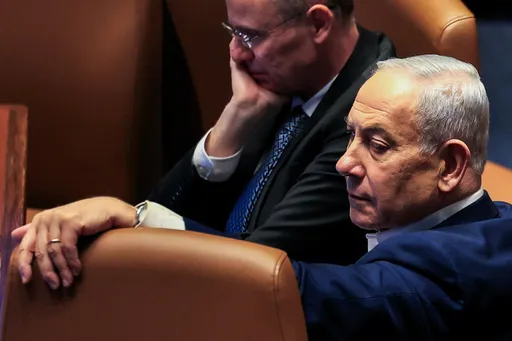
Israeli public broadcaster KAN, citing unnamed sources on Tuesday, reported that caretaker Prime Minister Benjamin Netanyahu and Defence Minister Israel Katz maintained instructions for the military to remain on alert for a possible attack on Iran.
Zamir does not oppose an Israeli attack but stresses the need to choose the timing carefully and coordinate with Washington, according to sources.
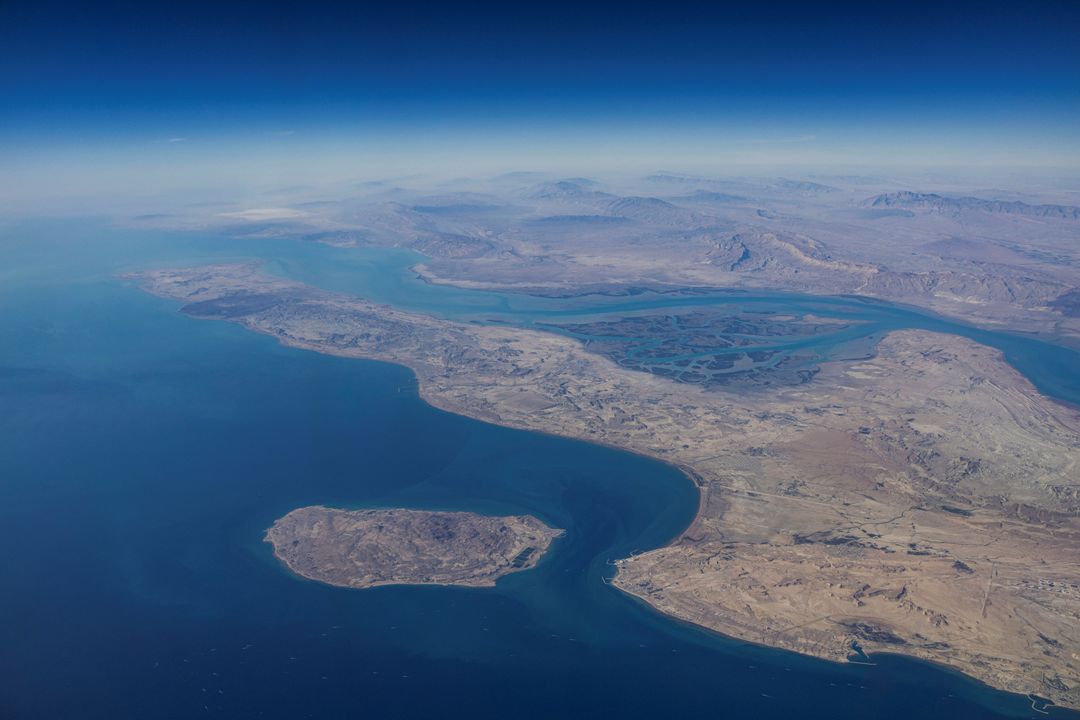
The US meanwhile struck Iran's Qeshm Island in the Strait of Hormuz on Tuesday, hours after Tehran's Revolutionary Guards said they launched an attack on a military base in Bahrain used by Washington.
The strait — a key route for oil and gas shipments — has become the focus of the stalemated Middle East war, with the US military working to protect ships transiting the waterway in defiance of Iran's attempts to close it.
The new violence came as the US moved the USS Theodore Roosevelt into the region, bringing the number of American carrier strike groups in the region to three.
The deployment adds to an already large US naval presence, which includes two other supercarriers — the George H W Bush and the George Washington — and more than a dozen destroyers.
Outright fighting in the war, which began in late February, has largely subsided, but there has been no peace deal and the United States continues to blockade Iranian ports and cutting off its oil exports.