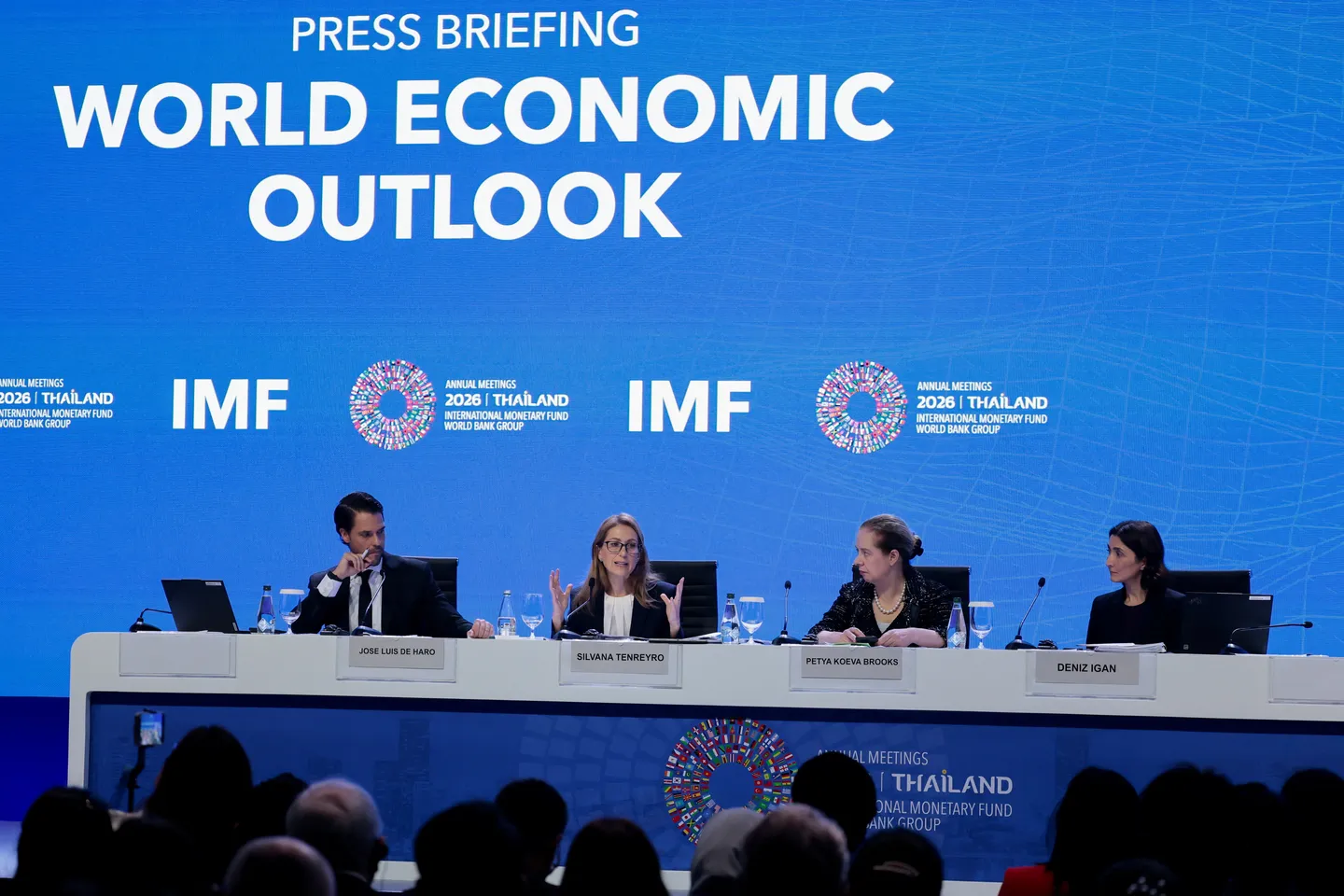
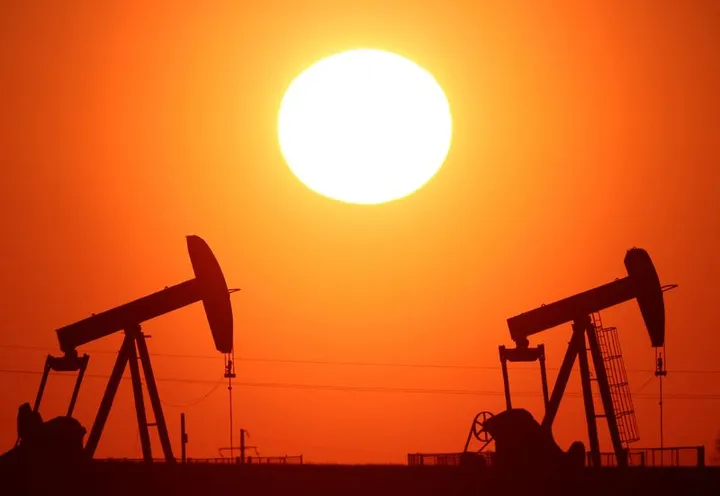
The International Monetary Fund has lowered its forecast for China's economic growth this year to 4.5 percent, warning that elevated energy prices triggered by conflict in the Middle East and a sluggish domestic consumer market are dragging on output.
The revised projection, detailed in the Fund's latest IMF World Economic Outlook report, marks a 0.1 percentage point reduction from its previous estimates published in July.
Growth across the world's second-largest economy is projected to decelerate further to 4.0 percent in 2027, also down by one-tenth of a percentage point.
"Higher global oil prices, together with protracted uncertainty and structural headwinds, are expected to weigh on activity," the report stated, adding that targeted "policy support is expected to prevent a sharper slowdown".
The forecast hovers along the lower margin of Beijing's official target range of 4.5 percent to 5.0 percent.
A prolonged slump across China's property sector continues to deter domestic consumer confidence, muting retail activity despite resilient manufacturing exports and expanding high-tech industries, including artificial intelligence and electric vehicles.





Regional divergence
The IMF raised growth forecasts for key regional semiconductor exporters, lifting South Korea to 3.3 percent and Taiwan to 10.7 percent, driven by soaring international demand for advanced computing hardware.
Together, Taiwan and South Korea account for 62 percent of net global trade in AI computing components.
Conversely, the Fund noted that while parts of Southeast Asia benefit from data-centre investments, smaller developing island nations face subdued growth due to heightened fuel costs and declining tourism receipts.
In Japan, growth is projected at 0.7 percent, up 0.1 percentage points, assisted by fiscal measures introduced by Prime Minister Sanae Takaichi.