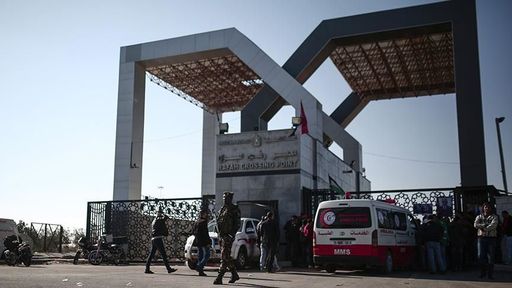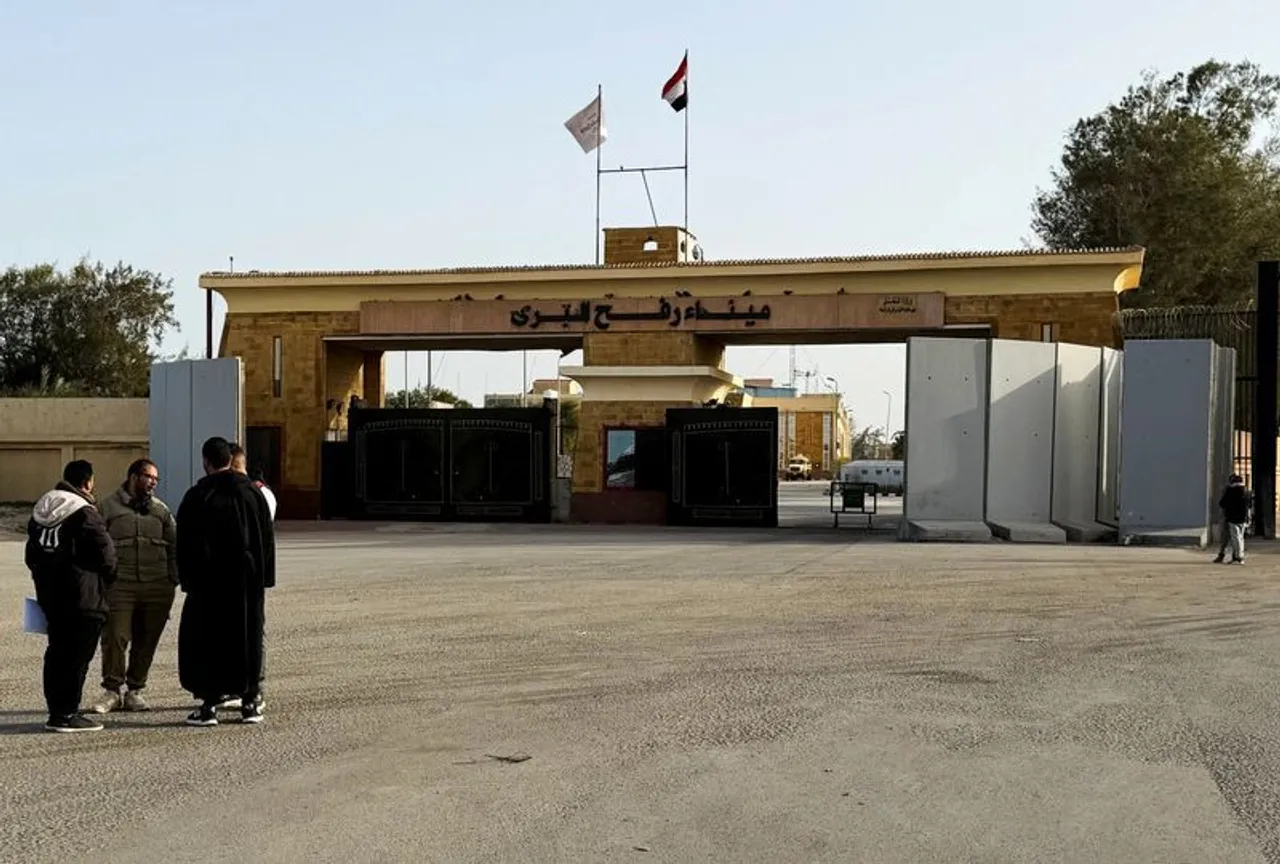
The closure of the Rafah Crossing on Saturday has once again sealed off Gaza, intensifying fears that civilians trapped in the enclave will face even harsher conditions after more than two years of brutal Israeli attacks.
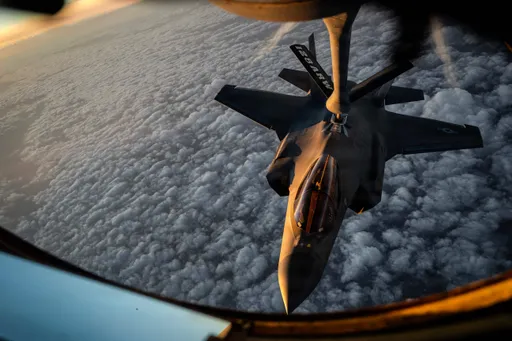
Israel’s military liaison body, COGAT, said the move was a “necessary security adjustment” following a joint Israeli–United States strike on Iran — an escalation that comes despite ongoing diplomatic efforts aimed at easing regional tensions.
The agency also announced that rotations of humanitarian staff into Gaza would be postponed, raising concerns among aid groups already struggling to maintain operations.
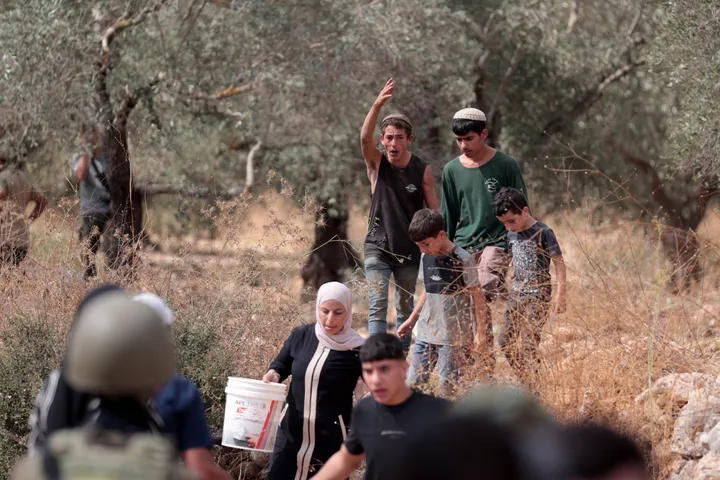
Palestinians in dire need of aid
For Palestinians, the timing compounds an already dire reality. Much of Gaza’s infrastructure has been devastated, access to food and medical care remains severely restricted, and displacement has become a near-universal experience for its population.
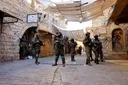

The border crossing with Egypt had only recently reopened to limited civilian movement after being closed for months during Israel’s brutal genocide.
International scrutiny of Israel’s conduct in Gaza has intensified.
The International Court of Justice — the highest judicial body of the United Nations — has said allegations that Israel’s actions could amount to genocide are plausible, while rights groups and UN experts have warned that some tactics may constitute crimes against humanity or war crimes.
Still, for Gaza’s civilians, the immediate impact is clear: the closure of Rafah once again narrows their world to a besieged land, with fewer escape routes, dwindling aid access, and rising uncertainty as regional tensions threaten to widen the conflict.