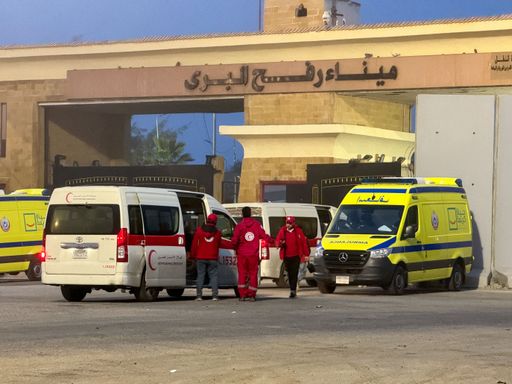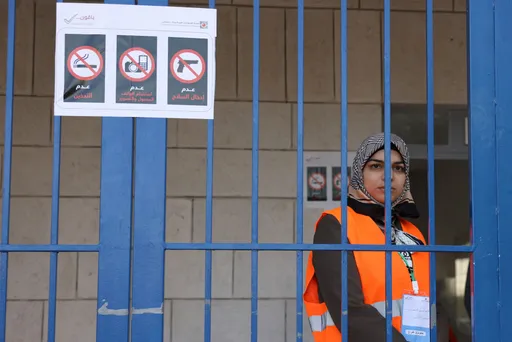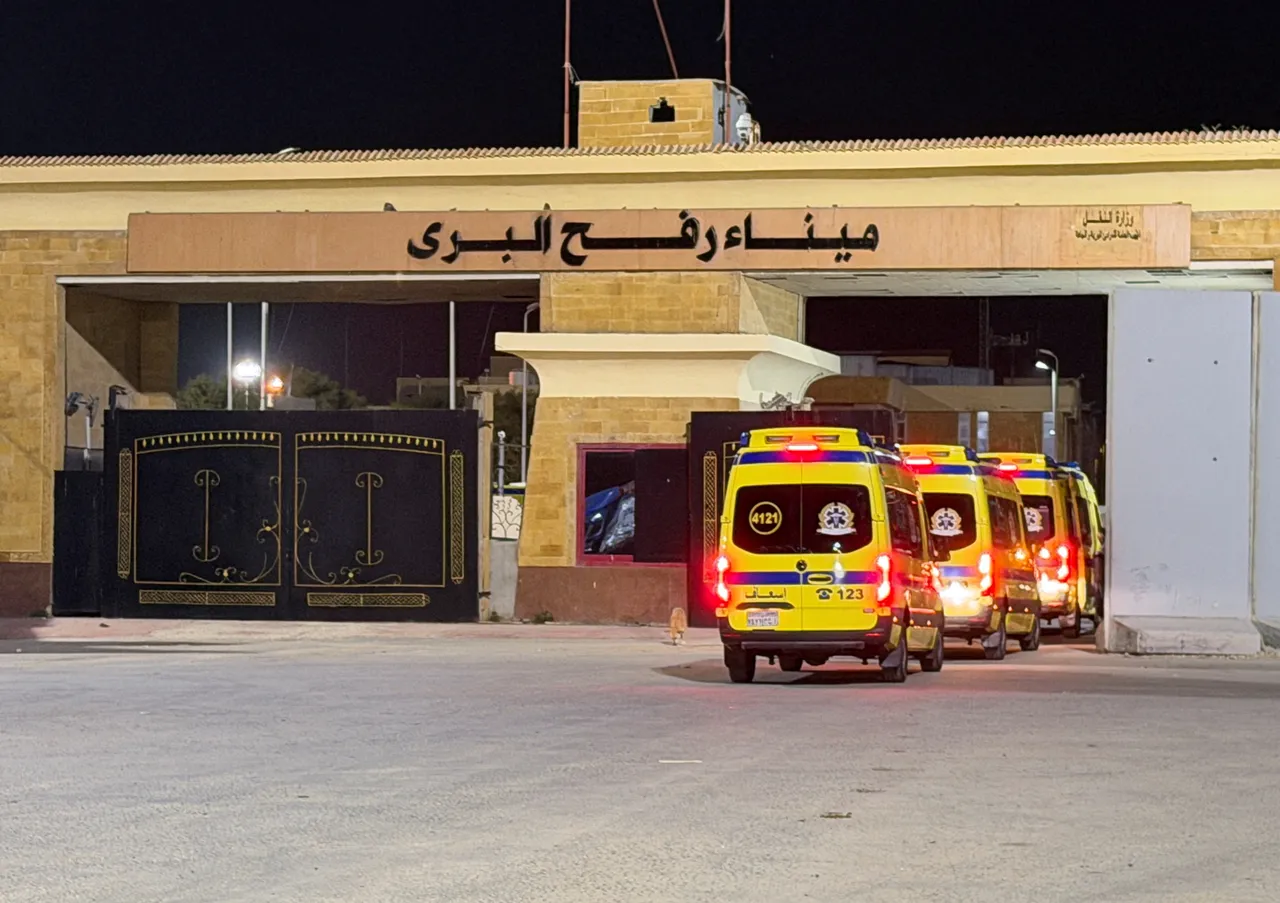
Gaza's border crossing with Egypt reopened on Thursday for a limited number of people, Egyptian state media and a Red Crescent official said, for the first time since Israel and the United States launched strikes on Iran.
An Egyptian Red Crescent official, speaking anonymously to AFP, said the Rafah crossing had reopened in both directions and would allow Palestinian patients to cross into Egypt and stranded Palestinians to return to Gaza.
Al-Qahera News, which is close to Egypt's intelligence services, aired footage showing a small number of Palestinians, including people who had been receiving medical treatment, preparing to cross from the Egyptian side back into Gaza.
Several ambulances were also seen waiting to receive patients coming out of the devastated Palestinian territory.
Israel had announced earlier this week that Rafah would reopen on Wednesday, but the reopening did not materialise.
It said travel would resume in coordination with Egypt, subject to Israeli security approval and monitored by the European Union's border mission.
Incoming travellers will undergo additional screening inside Gaza in an area controlled by the Israeli army, according to COGAT, the Israeli defence ministry body overseeing civilian affairs in the Palestinian territories.
The EU deployed its border assistance mission (EUBAM) to Rafah in early February.




Rafah, seized by Israeli forces nearly two years ago in the war on Gaza, had briefly reopened on February 2 for limited movement, but was shut again on February 28 when Israel closed all crossings after the strikes on Iran began.
The Israeli-controlled Kerem Shalom crossing reopened days later for limited humanitarian aid, including fuel.
For many sick and injured Gazans, Rafah has been a crucial route to medical care in Egypt and one of the few means for separated families to reunite.
But despite its reopening last month, only small numbers of Palestinians have been permitted to cross.
According to three Egyptian border officials, the daily cap for entry into Egypt was 50 patients, each allowed a maximum of two companions, with the number of people allowed back into Gaza also limited to 50.
Those who returned during the brief February reopening said that they underwent extensive security checks and interrogations.